
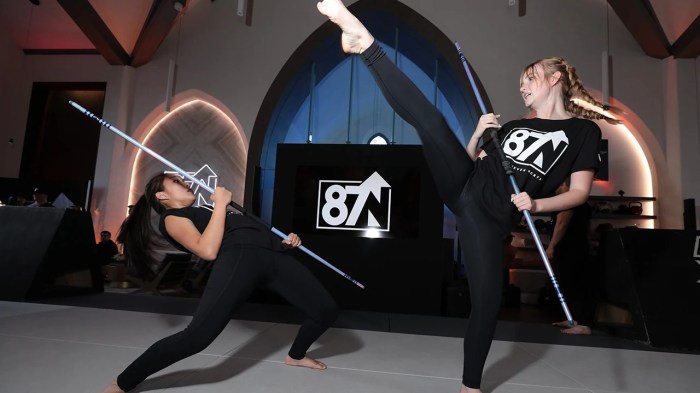
87north actor fight stunt training is a comprehensive program designed to equip aspiring action heroes with the skills and knowledge necessary to excel in the demanding world of film, television, and theatre. This training goes beyond basic fighting techniques, delving into the physical and mental demands of the profession, with an emphasis on safety and realistic training. From beginner to advanced levels, 87north provides tailored programs that address specific skill sets and goals.
The training also encompasses various fighting styles and martial arts, providing a well-rounded approach to the craft.
This in-depth exploration of 87north’s program will analyze the various skill sets required, the methodologies employed, and the safety protocols implemented. We’ll delve into the different training levels, compare and contrast their approach with other schools, and highlight the importance of discipline and dedication for success in this field. We’ll examine the equipment used, the safety procedures, and the diverse career paths available to actors with this specialized training.
The program’s emphasis on realistic and safe training methods will also be evaluated.
Actor Training Programs
The world of fight choreography and stunt work demands a unique blend of physical prowess, artistic expression, and meticulous safety protocols. Comprehensive training programs for actors venturing into this field provide a structured pathway to develop the necessary skills and techniques, ensuring both the actor’s safety and the quality of the performance. These programs cater to various levels of experience, fostering a foundation of knowledge and ability for aspiring stunt performers.
Comprehensive Training Programs
Comprehensive training programs for actors specializing in fight and stunt work encompass a wide range of disciplines, from basic combat techniques to advanced stunt performance. They typically involve a rigorous physical training component, emphasizing strength, flexibility, agility, and endurance. Furthermore, the programs incorporate specialized training in fight choreography, safety protocols, and the specific demands of the chosen genre (e.g., historical, fantasy, modern).
Skill Sets for Fight Choreography and Stunt Performances
Actors involved in fight choreography and stunt performances require a diverse skill set. This includes mastery of various combat styles, from sword fighting and martial arts to hand-to-hand combat. Understanding fight choreography principles, including timing, staging, and visual storytelling, is crucial. Furthermore, actors need a strong understanding of safety procedures and injury prevention to ensure both their well-being and the integrity of the performance.
Precise control, adaptability, and an ability to quickly learn new techniques are essential.
Training Programs for Different Experience Levels
Training programs are structured to accommodate different levels of experience. Beginner programs focus on fundamental techniques, safety procedures, and basic combat forms. Intermediate programs build upon these foundations, introducing more complex maneuvers and choreography, along with advanced safety protocols and specialized techniques. Advanced programs concentrate on specialized techniques, advanced fight choreography, and stunt work, often requiring advanced proficiency in multiple combat disciplines.
They also delve into stunt-specific skills and the nuances of performance under pressure.
Physical and Mental Demands
The profession of fight choreography and stunt work demands exceptional physical and mental fortitude. Actors must possess significant physical stamina, strength, and agility. The mental demands include quick thinking, adaptability, and an ability to maintain focus under pressure. Discipline and dedication are paramount, as actors must commit to rigorous training regimens and maintain high standards of safety throughout the process.
Maintaining focus and composure under pressure, both mentally and physically, is crucial for successful stunt work.
Comparison of Training Schools
| School | Focus Areas | Methodology | Accreditation |
|---|---|---|---|
| 87North | Comprehensive fight choreography, stunt work, and safety protocols; Emphasis on practical application and real-world scenarios; Diverse range of combat styles, including hand-to-hand, sword fighting, and martial arts. | Hands-on training; Focus on both theoretical knowledge and practical application; Individualized attention and mentorship; Rigorous safety protocols and risk assessment integrated throughout the curriculum. | Accredited by [insert accreditation body or statement if applicable]. |
| [Example School Name] | Specialization in historical sword fighting and martial arts; Strong emphasis on historical accuracy and authenticity; Detailed study of specific weapons and fighting techniques. | Traditional training methods; Emphasis on historical context and authenticity; Direct mentorship from experienced practitioners and historians. | [Insert accreditation body or statement if applicable]. |
Techniques and Disciplines
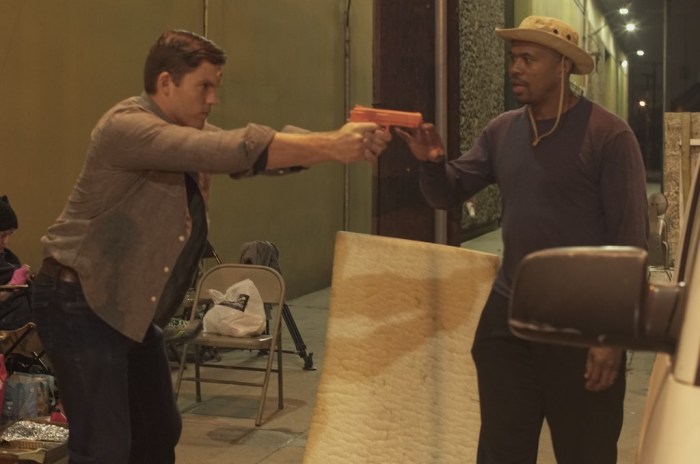
Actor fight training goes beyond simply learning moves. It’s a multi-faceted approach requiring a deep understanding of various fighting styles and the crucial safety protocols to prevent injuries. This involves not only the physical techniques but also the mental preparedness and the ability to translate those skills into believable, realistic performances on screen. The training program is meticulously crafted to ensure that actors develop both the physical skills and the mental discipline necessary for demanding action scenes.The core of the training revolves around mastering different fighting styles, integrating them into a cohesive and believable action sequence, and, most importantly, doing so safely.
87north actor fight stunt training is seriously intense, prepping actors for some seriously cool action sequences. It’s great to see the dedication and skill on display, especially when you consider the impressive new villain in the upcoming Luke Cage series, meet Luke Cage’s new villain John McIver, aka Bushmaster. Their training must be top-notch to match the intensity of the fight choreography.
This dedication to detail makes for an exciting watch, and it’s clear that 87north is turning out some fantastic performers.
Each fighting style offers a unique set of techniques and philosophies, and the training program carefully blends these elements to create a well-rounded actor capable of handling diverse fight choreography.
Fighting Styles and Martial Arts
The Actor Training Programs incorporate a range of fighting styles and martial arts disciplines, including but not limited to, Kung Fu, Muay Thai, and Brazilian Jiu-Jitsu. Each style offers unique techniques that contribute to the actor’s skillset, allowing for a diverse range of fighting styles to be depicted on screen. The training program recognizes the importance of drawing on multiple sources of inspiration to create convincing fight sequences.
Comparison of Techniques
Different fighting techniques are employed depending on the specific needs of the scene. Sword fighting, for example, requires a distinct set of skills that differ from gun fighting or hand-to-hand combat. Sword fighting demands precision, timing, and a keen awareness of blade control. Gun fighting focuses on the realistic handling of firearms and the appropriate tactical considerations in various scenarios.
Hand-to-hand combat emphasizes grappling, striking, and takedowns, with techniques adapted for different levels of force and distance. A thorough understanding of each discipline is vital for actors to convincingly portray the corresponding actions.
Safety Protocols and Injury Prevention
Safety is paramount in any fight training program. This involves meticulous attention to detail in every aspect of the training, from the proper use of protective equipment to the development of realistic yet safe training methods. This commitment to safety is critical for preventing injuries and allowing actors to continue their training and development. Safety protocols, including proper warm-up routines, use of protective gear, and adherence to designated training areas, are critical to the safety of both the actors and the training staff.
87north actor fight stunt training demands intense focus and physical preparedness. Think about the balance and agility required, and how important proper footwear is for these demanding maneuvers. That’s why, in my opinion, considering the importance of footwork in stunts, it’s crucial to examine something like Wear Shoes That Are Too Big – it might just offer some unexpected insights into the importance of foot positioning for optimal performance in any high-stakes action sequences.
Ultimately, mastering the techniques in 87north actor fight stunt training hinges on precision and the right gear, including footwear.
Experienced instructors provide ongoing guidance and support to ensure a safe training environment.
Realistic and Safe Training Methods
Realistic training methods prioritize safety and effectiveness. This approach emphasizes controlled environment drills, simulations of real-world combat scenarios, and the use of appropriate protective gear. It’s about creating a safe space to practice dangerous techniques, ensuring that the actors can perform their roles convincingly without compromising their well-being. The training is not about mimicking real-life violence but about recreating the appearance of it in a way that is both realistic and safe.
Common Techniques in Fight Choreography
| Fighting Style | Key Techniques | Applications | Safety Precautions |
|---|---|---|---|
| Muay Thai | Clinch work, knees, elbows, foot sweeps, punches | Close-quarters combat, street brawls, and self-defense | Proper guard placement, use of hand wraps, and controlled striking |
| Brazilian Jiu-Jitsu | Chokes, submissions, takedowns, ground control | Grappling, self-defense, and close-quarters combat | Use of mats, proper sparring techniques, and monitored pressure |
| Sword Fighting (Iaido) | Drawing, disarming, deflecting, thrusting | Historical combat, staged duels, and theatrical fight scenes | Specialized protective gear, clear boundaries, and controlled movements |
Equipment and Gear
The proper equipment is crucial for safe and effective fight and stunt training. It protects actors from injury, allows for realistic portrayals of combat, and enhances the overall quality of the training process. Choosing the right gear, understanding its function, and maintaining it correctly are all vital components of a successful training program.The selection and use of equipment must align with the specific techniques and disciplines being practiced.
A fundamental understanding of how each piece of equipment works and how it can be used safely is essential. This ensures that the training environment is not only productive but also secure.
Weapons
Weapons used in fight and stunt training vary widely depending on the specific style or scene being rehearsed. From swords and staffs to knives and firearms, each requires specific handling techniques and safety protocols. Professional stunt coordinators and trainers carefully supervise the use of these items to minimize risks. The handling and use of weapons are closely monitored, and actors are trained to maintain proper form and technique to prevent accidents.
Protective Gear
Proper protective gear is paramount for preventing injuries during fight and stunt training. It’s essential to have the appropriate gear for each type of training and scenario. This includes head protection, body armor, and hand protection. Each piece of gear serves a distinct purpose in safeguarding actors from potential harm. This is critical to maintain a safe and productive training environment.
Props
Props are essential for replicating real-world environments and scenarios in training. These can range from everyday objects like chairs and tables to more elaborate structures like fences or walls. The use of props in training scenarios helps to create more realistic and challenging environments. The safety and durability of the props must be considered to ensure their effectiveness and safety for the actors.
Maintenance and Safety Regulations
Regular maintenance and adherence to safety regulations are critical to the effectiveness and safety of fight and stunt training. Equipment should be inspected regularly for damage or wear and tear. This is essential for ensuring the equipment remains functional and safe. Strict adherence to safety protocols, including appropriate use of protective gear and adherence to safety regulations, is crucial for preventing accidents.
Table of Protective Gear
| Equipment Type | Description | Function | Safety Considerations |
|---|---|---|---|
| Head Gear (e.g., helmets, head guards) | Various types of protective head coverings designed for different levels of impact protection. | Protects the head and skull from blunt force trauma, concussions, and lacerations. | Proper fit is essential. Helmets should be checked for cracks or damage regularly. |
| Body Armor (e.g., padded vests, chest protectors) | Designed to protect the torso and vital organs from impacts and blunt force. | Reduces the risk of internal injuries and broken ribs. | Should be appropriate for the intensity of the training and the type of impacts expected. |
| Gloves (e.g., padded, reinforced) | Provide hand protection from cuts, scrapes, and impact. | Protects hands from injuries during blows, grappling, or weapon handling. | Proper fit and material selection is crucial to ensure effective protection. |
| Eye Protection (e.g., goggles, face shields) | Protects the eyes from flying debris, impacts, and chemicals. | Prevents eye injuries, including lacerations and foreign body penetrations. | Should be impact-resistant and properly fitted. |
Safety Protocols and Injury Prevention: 87north Actor Fight Stunt Training
Ensuring the safety of our actors is paramount in fight and stunt training. A comprehensive safety protocol is not just a precaution, but a fundamental aspect of creating a secure and productive training environment. It encompasses a proactive approach to injury prevention, encompassing everything from proper warm-up and cool-down routines to emergency procedures for addressing medical situations. The goal is to provide actors with the necessary tools and knowledge to perform stunts safely and effectively.A strong safety culture is cultivated by prioritizing each step of the process, from meticulous preparation to swift response in emergency situations.
Experienced coordinators and safety personnel play a critical role in maintaining a secure environment. This meticulous approach ensures not only the well-being of the actors but also the success of the entire production.
Safety Procedures During Training Sessions
Strict adherence to safety procedures is crucial during all fight and stunt training sessions. This includes using appropriate safety equipment, such as padded gear, helmets, and protective eyewear, at all times. Clear communication and pre-stunt planning are vital to minimizing potential risks. Specific procedures for each training exercise are detailed and reviewed beforehand, ensuring everyone understands the choreography and safety protocols.
These procedures are regularly updated and revised based on experience and feedback.
87north’s actor fight stunt training is seriously intense, pushing participants to their limits. It’s amazing to see the dedication and skill involved. Speaking of impressive achievements, it’s inspiring to see Margo Price take home an American Music Prize, margo price wins american music prize , which highlights the dedication needed to succeed in any field. All this dedication just reinforces how crucial rigorous training is for 87north’s actors, ensuring they’re prepared for any challenge.
Importance of Warm-up and Cool-down Routines
Thorough warm-up routines are essential for preparing the body for physical exertion. These routines increase blood flow to the muscles, reduce the risk of strains and sprains, and improve flexibility. They typically include dynamic stretching, light cardio exercises, and specific movement patterns relevant to the training session’s focus. Likewise, cool-down routines are equally important, gradually lowering the heart rate and aiding in muscle recovery, reducing post-training soreness and promoting overall well-being.
Proper warm-up and cool-down routines are essential to prevent injuries and maximize performance.
Role of Experienced Coordinators and Safety Personnel
Experienced stunt coordinators and safety personnel play a critical role in accident prevention. They are responsible for meticulously reviewing all stunt sequences, identifying potential hazards, and developing mitigating strategies. They ensure that all safety equipment is in proper working order and that actors are adequately trained in its use. Their expertise and experience in recognizing and addressing potential dangers are invaluable to the safety of the training process.
Their presence and active supervision throughout the session are essential.
Emergency Procedures for Injuries and Medical Situations
A well-defined emergency procedure is a cornerstone of a safe training environment. This involves a clear plan for addressing injuries, from minor strains to more serious medical situations. Emergency contact information, first aid kits, and the location of medical facilities are readily available. A designated first aid provider is present at all times, trained to handle common injuries and to quickly contact emergency medical services if needed.
This comprehensive procedure ensures swift and effective response to any medical situation.
Critical Safety Guidelines for Actors, 87north actor fight stunt training
Adherence to the following guidelines is paramount for actors in fight and stunt sequences:
- Always follow the instructions of the stunt coordinator and safety personnel meticulously.
- Report any discomfort or pain immediately to the coordinator.
- Wear all assigned safety gear correctly and consistently.
- Understand the choreography and potential hazards of each stunt.
- Communicate clearly with fellow actors and the stunt team throughout the session.
- Maintain focus and concentration during all training sessions.
- Avoid performing stunts beyond your physical capabilities.
These guidelines are vital for maintaining a safe and productive training environment, ensuring the well-being of all participants.
Career Paths and Opportunities
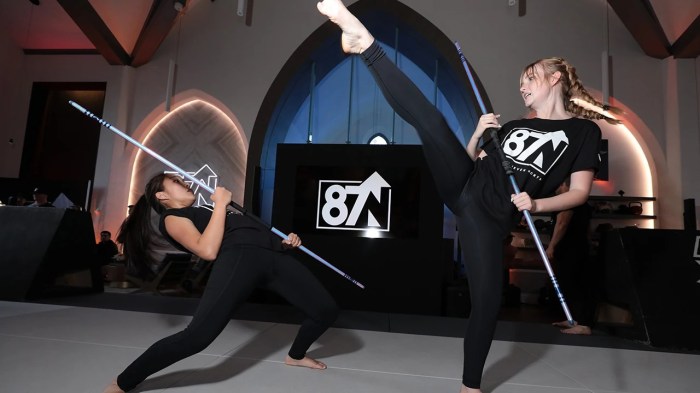
Beyond the physical prowess and technical skills, fight and stunt training opens doors to a diverse range of career paths for actors. These skills are highly valued in film, television, and theatre, often providing actors with unique opportunities to contribute significantly to a production.
Diverse Roles in Film, Television, and Theatre
Actors with fight and stunt training can excel in a wide variety of roles, moving beyond their traditional acting roles. These skills aren’t confined to just action sequences; they can enhance character portrayals in any genre. For example, a character who demonstrates resilience and determination through physical conflict can be more compelling and relatable to the audience. In addition to stunt performers, actors with these skills can take on roles as martial arts experts, soldiers, or characters with unique fighting styles.
Importance of Networking and Industry Relationships
Building relationships within the industry is paramount for any actor, but especially for those with fight and stunt skills. Networking events, workshops, and industry gatherings provide opportunities to connect with casting directors, producers, stunt coordinators, and other professionals. Referrals and word-of-mouth recommendations can be crucial for securing auditions and roles.
Typical Career Path for a Fight/Stunt Actor
A typical career path for a fight/stunt actor often involves a combination of training, networking, and consistent effort. It usually begins with intensive training programs, which equip actors with the necessary skills and knowledge. Building a strong portfolio through acting and stunt work is critical to demonstrate their abilities to potential employers. Networking is crucial for gaining visibility within the industry.
Securing roles in productions, whether large-scale films or smaller independent projects, allows actors to showcase their talent and build their reputation. Ultimately, the goal is to gain recognition and establish a steady career path within the industry.
| Stage | Description | Example |
|---|---|---|
| Initial Training | Acquire fundamental skills and knowledge through intensive programs. | Completing a comprehensive fight choreography course. |
| Portfolio Building | Showcase abilities through acting and stunt work in various productions. | Securing roles in short films, student projects, or local theater productions. |
| Networking & Industry Engagement | Build connections with casting directors, producers, and other industry professionals. | Attending industry events, joining professional organizations, and actively engaging in online communities. |
| Auditions & Roles | Seek and secure auditions for roles requiring fight and stunt skills. | Submitting audition reels showcasing combat skills and acting abilities. |
| Continued Development | Continuously improve skills and stay updated with industry trends. | Taking advanced training courses, attending workshops, and researching current action trends. |
Real-World Examples
From the controlled environments of our training programs to the dynamic realities of the silver screen, the application of fight and stunt training is crucial for actors. This section delves into how these skills translate into compelling performances, showcasing the transformative impact on character portrayal.Real-world examples demonstrate how fight and stunt training elevates an actor’s ability to embody a character, transforming them from a performer to a believable representation of the roles they portray.
This authenticity, developed through rigorous training, fosters a deeper connection with the audience. The intensity and precision of the skills allow actors to bring a heightened sense of believability and emotional depth to their performances.
Impact on Character Portrayal
Fight and stunt training empowers actors to fully embody their characters’ physicality, motivations, and emotional states. By learning combat techniques, actors can physically manifest the character’s aggression, vulnerability, or determination. A character’s struggle, whether in a fight scene or a subtle display of controlled anger, gains more weight and emotional depth through the physicality derived from the training.
For example, an actor trained in martial arts can portray a character’s controlled rage with greater impact, making the scene more emotionally engaging for the audience. The physical skill allows for a more nuanced and realistic portrayal of the character’s internal struggles.
Famous Actors Known for Fight and Stunt Skills
Numerous actors have leveraged fight and stunt training to enhance their performances, showcasing the versatility of these skills. Their commitment to mastering these disciplines has led to memorable and compelling portrayals of their characters. This table highlights a few examples.
| Actor | Known for | Film/TV Roles |
|---|---|---|
| Bruce Lee | Martial Arts Mastery, Combative Style | The Way of the Dragon, Enter the Dragon, Fist of Fury |
| Jackie Chan | Action Comedy, Stunt Choreography | Rush Hour, Rumble in the Bronx, Shanghai Noon |
| Tom Cruise | High-Stakes Stunts, Physicality | Mission: Impossible franchise, Top Gun |
| Keanu Reeves | Precision and Grace in Action Sequences | Matrix franchise, John Wick franchise |
| Charlize Theron | Effortless Physicality and Action | Atomic Blonde, Mad Max: Fury Road |
Closing Summary
In conclusion, 87north actor fight stunt training offers a structured and comprehensive approach to preparing actors for action-oriented roles. By examining the training programs, techniques, safety protocols, and career paths, we gain a better understanding of the rigorous demands and the potential rewards of this specialized field. The program’s commitment to safety, realism, and skill development makes it a valuable resource for actors seeking to enhance their performance abilities and pursue exciting career opportunities in the entertainment industry.