
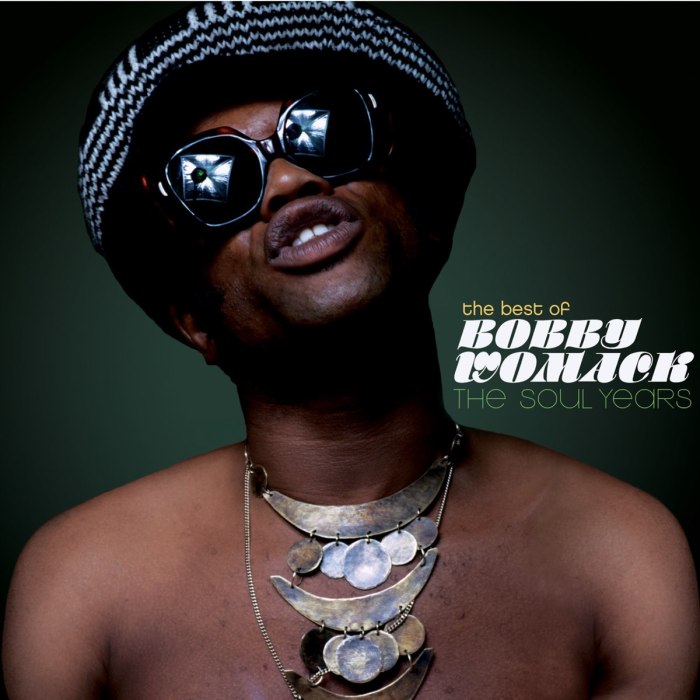
Bobby womack plese forgive my heart funk version – Bobby Womack’s “Please Forgive My Heart (Funk Version)” is a captivating journey into a soulful, rhythmic world. This funkified reimagining of a classic ballad unveils a fascinating transformation, exploring the interplay of emotion and groove. We’ll delve into the song’s musical elements, historical context, and lyrical interpretations, ultimately highlighting the unique impact of this funk version.
The original ballad is re-imagined with a driving funk beat, showcasing a dynamic shift in both tempo and instrumentation. This exploration delves into the creative choices behind the funk version, examining the musical evolution of the artist and the cultural landscape during that time. It’s a fascinating comparison to see how the same emotional core can be expressed through drastically different musical styles.
Song Overview
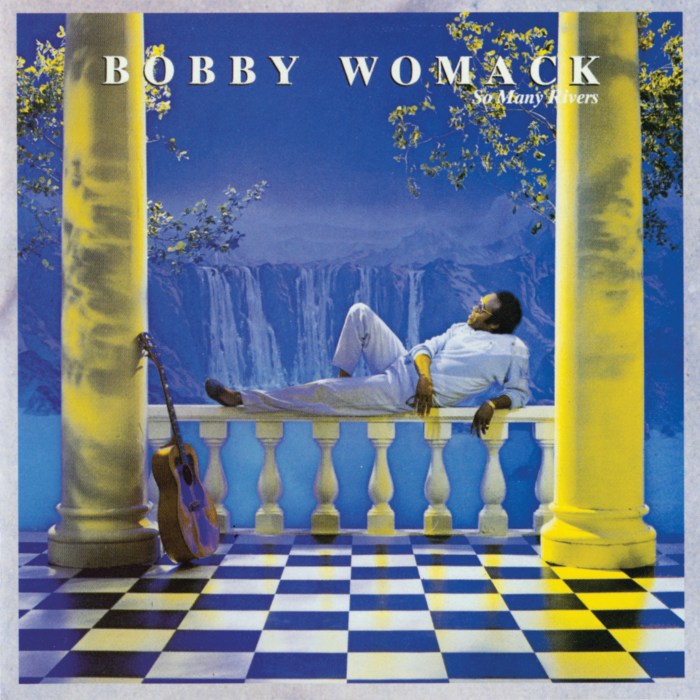
Bobby Womack’s “Please Forgive My Heart (Funk Version)” is a captivating reimagining of a classic ballad. This funk-infused rendition takes the original’s emotional core and reinterprets it through a vibrant, rhythmic lens. The song’s transformation into a funk masterpiece showcases Womack’s versatility as an artist and the power of musical evolution.The funk version retains the emotional depth of the original while infusing it with a new energy and groove.
The shift in musical style doesn’t diminish the song’s core message, but rather amplifies it through a different sonic palette. This transformation allows listeners to experience the song’s themes of heartbreak and reconciliation in a fresh and exciting way.
Musical Elements and Instruments
The funk version of “Please Forgive My Heart” is characterized by a driving rhythm section, featuring a prominent bassline that anchors the groove and a powerful drum kit that pulses with infectious energy. A prominent electric guitar riff provides a soaring counterpoint to the rhythmic foundation. Synthesizers and horns add layers of texture and color to the mix, creating a rich and layered sonic tapestry.
The interplay between these instruments creates a powerful and evocative soundscape.
Lyrical Themes and Emotions
The lyrical themes remain consistent with the original, exploring the complexities of heartbreak and the desire for reconciliation. The funk version, however, might emphasize the emotional release and catharsis that music provides. The lyrics, though perhaps delivered with a slightly more confident and assured tone, still convey the vulnerability and longing of a heart seeking forgiveness. The emotional intensity is subtly amplified through the vibrant funk instrumentation.
Mood and Atmosphere
The overall mood of the funk version is energetic and uplifting, despite the underlying emotional themes. The driving rhythm and soulful vocals create a vibrant and engaging atmosphere. The combination of the funky instrumentation with the lyrical content results in a dynamic and compelling listen, maintaining the song’s emotional core while transforming it into a celebratory, empowering experience.
Comparison to the Original Version
| Feature | Original Version | Funk Version |
|---|---|---|
| Instrumentation | Predominantly acoustic guitar, piano, and possibly strings. | Electric guitar, prominent bassline, drums, synthesizers, and horns. |
| Tempo | Slower, more reflective tempo. | Faster, more rhythmic, and driving tempo. |
| Lyrical Emphasis | Focus on vulnerability and sorrow. | Emphasis on catharsis and emotional release. |
| Overall Mood | Melancholy and introspective. | Energetic and uplifting, though still containing emotional depth. |
Historical Context
The funk version of Bobby Womack’s “Please Forgive My Heart” stands as a fascinating example of artistic evolution within a specific musical landscape. Released during a period of significant funk experimentation and burgeoning popularity, this reimagining reveals much about Womack’s creative choices and the cultural forces shaping his work. This funk rendition, while maintaining the emotional core of the original, showcases a transformation in style and delivery, reflecting the changing tastes and trends of the time.This particular funk adaptation of “Please Forgive My Heart” provides a compelling case study for understanding the interplay between musical innovation and artistic intent within the broader context of the era’s musical evolution.
It allows us to explore not just the musical shifts but also the personal motivations that drove Womack to create this specific version.
Cultural and Musical Landscape
The late 1970s saw a vibrant and evolving funk scene. Groups like Parliament-Funkadelic, Earth, Wind & Fire, and others were pushing the boundaries of funk music, blending elements of soul, jazz, and psychedelic rock. This period was characterized by a desire for innovation and experimentation, and Womack’s funk version of “Please Forgive My Heart” reflects this broader cultural trend.
The funk sound was gaining mainstream popularity, transitioning from a niche genre to a more widely appreciated form of music. This influenced the way artists approached songwriting and performance, seeking to create distinctive and innovative sounds.
Artist’s Intentions and Motivations
Bobby Womack’s intentions behind the funk version are multifaceted. While the original ballad was a soulful expression of heartache, the funk rendition offered a chance to explore a different emotional landscape, highlighting a shift in his artistic approach. This reinterpretation suggests Womack’s desire to stay relevant and connect with a new generation of listeners. He likely recognized the power of funk’s infectious energy and sought to leverage it to reach a wider audience.
This reimagining might have been a way to explore new creative territory and demonstrate versatility, something particularly important for artists aiming to maintain longevity in the music industry.
Comparison with Other Funk Songs
Comparing the funk version of “Please Forgive My Heart” to other contemporary funk songs reveals a shared emphasis on rhythmic complexity and instrumental virtuosity. However, Womack’s version, while utilizing funk elements, retains a certain emotional depth characteristic of his earlier work. For example, the prominent use of bass lines and percussion, while common in many funk songs, is interwoven with the melancholic undertones of the original melody.
This contrasts with other funk songs that focused on more overtly celebratory or dance-oriented themes.
Influences on the Musical Style
The musical style of the funk version is heavily influenced by the prominent funk artists of the time. Womack likely drew inspiration from the intricate arrangements and rhythmic drive of groups like Parliament-Funkadelic. The emphasis on a strong bass line, prominent percussion, and a layered instrumental approach are indicative of these influences. Moreover, the use of synthesizers and other electronic instruments adds a layer of sonic texture characteristic of the funk sound.
The influence of James Brown’s rhythmic innovations is also evident in the dynamic and driving nature of the music.
Evolution of Bobby Womack’s Musical Style
Womack’s musical style evolved throughout his career. Early work focused on soul and R&B, reflecting the styles prevalent in the 1960s and 1970s. The funk version represents a significant shift, showcasing his willingness to embrace new musical directions. This reflects an important characteristic of successful artists: adapting and innovating to stay relevant and resonate with contemporary audiences. This adaptability, along with his inherent musical talent, helped him transcend musical boundaries and maintain a successful career.
Musical Analysis
Bobby Womack’s funk rendition of “Please Forgive My Heart” showcases a vibrant transformation of the original ballad. The funkification breathes new life into the song, shifting the focus from emotional introspection to a pulsating, groove-oriented experience. This analysis delves into the unique rhythmic patterns, instrumental solos, sound effects, and harmonic elements that define this energetic reimagining.The funk arrangement of “Please Forgive My Heart” is characterized by a distinctive rhythmic foundation.
The interplay of bass, drums, and guitar creates a driving groove, punctuated by syncopated rhythms that propel the music forward. This shift from the original’s more melancholic tempo to a vibrant, insistent pulse is a key element in the song’s transformation.
Bobby Womack’s “Please Forgive My Heart” funk version is a total vibe, right? It’s got that irresistible groove that just makes you want to move. Speaking of groovy, have you seen how much fun the Moogles have in Final Fantasy XV? Their work ethic is amazing, and the sheer variety of jobs they can do is fascinating.
Check out the details on final fantasy xv moogles work to see just how dedicated these little creatures are. Seriously though, Womack’s version of “Please Forgive My Heart” is still one of my favorite soulful funk tracks, even now.
Rhythmic Patterns and Grooves
The funk rhythm section, with its insistent bassline and percussive drum patterns, is the backbone of the song. A prominent bassline, often employing syncopation and walking bass lines, provides a solid rhythmic foundation that is punctuated by complex drum fills. The drum kit isn’t simply a rhythmic accompaniment; it plays a crucial role in driving the groove and creating moments of suspense and release.
This is evident in the interplay of the snare drum, bass drum, and hi-hat, often with a strong emphasis on off-beats, creating a strong rhythmic tension. The syncopation is not just limited to the drums and bass but also extends to the other instruments, creating a polyrhythmic texture.
Instrumental Solos
The instrumental solos in this version are a crucial component of the song’s dynamism. Each instrument gets a chance to shine, showcasing the musicians’ virtuosity and their ability to weave solos seamlessly into the overall funk groove. Often, these solos feature extended improvisations with intricate melodic lines and rhythmic variations. The solos, particularly on guitar and saxophone, are not merely technical displays but contribute significantly to the song’s emotional depth and intensity.
Sound Effects and Vocal Techniques
The use of sound effects and vocal techniques in this funk version adds to the overall sonic palette. The presence of wah-wah pedals on guitars and other effects like fuzz and distortion are common features. Vocals are also treated with effects, possibly through reverb and delay, to give them a layered, spacious quality. The vocal delivery, while still conveying emotion, is often more forceful and percussive, mirroring the rhythmic drive of the song.
Harmony and Counterpoint
The harmony and counterpoint in this version are a key part of the funk sound. The arrangement features a strong emphasis on call-and-response between different instruments, particularly between the horns and the guitars. This creates a dynamic interplay of melodies and harmonies that build tension and release. The instrumentation often plays in counterpoint, with different sections of the band providing different harmonic support to the main melody, creating a richer and more textured sound.
Instrumental Roles
| Instrument | Role |
|---|---|
| Bass | Provides the rhythmic foundation, often with syncopated and walking basslines, and acts as a harmonic anchor. |
| Drums | Drives the groove with complex fills and rhythmic variations, emphasizing off-beats and creating tension and release. |
| Guitar | Plays a crucial role in the solos, often incorporating wah-wah and other effects, and contributes to the harmonic texture. |
| Horns (Saxophone, Trumpet, etc.) | Provides melodic counterpoint to the guitars and vocals, often engaging in call-and-response patterns. |
| Vocals | Adds another layer of texture, incorporating vocal effects and delivering a more forceful and percussive style compared to the original. |
Lyrical Interpretation: Bobby Womack Plese Forgive My Heart Funk Version
Bobby Womack’s “Please Forgive My Heart” takes on a whole new dimension in its funk rendition. The original ballad, focused on regret and vulnerability, is now imbued with a pulsating energy, reflecting a shift in emotional expression. This transformation isn’t just about a change in tempo; it’s a reimagining of the lyrical themes through the prism of funk’s infectious groove.The funk arrangement doesn’t simply accompany the lyrics; it actively shapes the listener’s interpretation.
The insistent bassline and driving drums become metaphors for the relentless pursuit of forgiveness, while the soaring horns and intricate guitar lines create a sense of catharsis and ultimately, hope. The interplay between the music and the words becomes a powerful narrative.
Bobby Womack’s “Please Forgive My Heart” funk version is a total vibe, right? Speaking of vibes, did you know that exfoliating your skin with olive oil and sugar can create a similar smooth, rejuvenated feeling? It’s a surprisingly simple way to prep your skin for all those cool summer nights out dancing to Bobby Womack’s groovy tunes. Check out this easy guide on Exfoliate Your Skin With Olive Oil and Sugar for a DIY beauty treatment that’ll leave your skin feeling amazing.
That smooth skin will make your groove even better when you listen to Bobby Womack next.
Possible Interpretations of Lyrics in Relation to the Funk Arrangement
The funk version of “Please Forgive My Heart” re-contextualizes the lyrics, moving beyond a simple plea for forgiveness to an assertion of resilience. The urgency and energy in the music emphasize the protagonist’s struggle to overcome past mistakes, rather than wallowing in self-pity. The lyrics, once steeped in melancholy, now resonate with a defiant spirit. The listener feels not just empathy, but also a sense of encouragement.
Changes in Lyrical Emphasis
The original version of “Please Forgive My Heart” dwells on the pain of regret. The lyrics emphasize the protagonist’s deep sorrow and self-recrimination. In the funk version, the emphasis shifts to the act of overcoming. The lyrics, though still acknowledging the pain of the past, frame it within a context of moving forward. The repeated plea for forgiveness becomes a declaration of intent, a commitment to personal growth.
Emotional Impact of the Lyrics
The funk arrangement enhances the emotional impact of the lyrics by emphasizing the interplay between vulnerability and strength. The lyrics, initially expressing a sense of deep regret and helplessness, now acquire a sense of determined resilience. The raw emotion of the original version is transformed into a more complex and multifaceted emotional experience. The funk version creates a powerful sense of catharsis, suggesting that even in the face of past mistakes, forgiveness and personal growth are possible.
Connection to the Overall Musical Style of the Funk Version
The funk arrangement directly reflects the lyrical themes. The insistent rhythm and infectious groove represent the protagonist’s struggle, the relentless pursuit of forgiveness. The horns, often used to convey a sense of upliftment, reinforce the idea of finding hope in the midst of adversity. The complex interplay of instruments creates a powerful and emotionally resonant experience, effectively mirroring the internal conflict and resolution expressed in the lyrics.
Bobby Womack’s “Please Forgive My Heart” funk version is a total vibe, right? It’s got that irresistible groove that just makes you want to move. Thinking about that soulful energy, I was reminded of the beautiful theme of connection and togetherness explored in “All Saints Day, You Can’t Be Alone” – a truly touching piece about finding solace and community, which you can explore more at all saints day you cant be alone.
The shared human experience of longing and finding comfort in others resonates deeply, and in a way, that echoes the heartfelt emotion of Bobby Womack’s music.
Metaphors and Symbolism in the Lyrics
The lyrics use several metaphors and symbols to convey the protagonist’s emotional state. For example, “heart” is a recurring symbol of emotional vulnerability and pain. The metaphor of a “broken heart” is transformed in the funk version into a “repaired heart” by the sheer energy of the music. The funk arrangement elevates the symbolic meaning, transforming a metaphor for personal suffering into one of resilience and eventual triumph.
The repetition of “Please forgive my heart” takes on a different meaning within the funk context, shifting from a plea to a declaration.
Impact and Influence
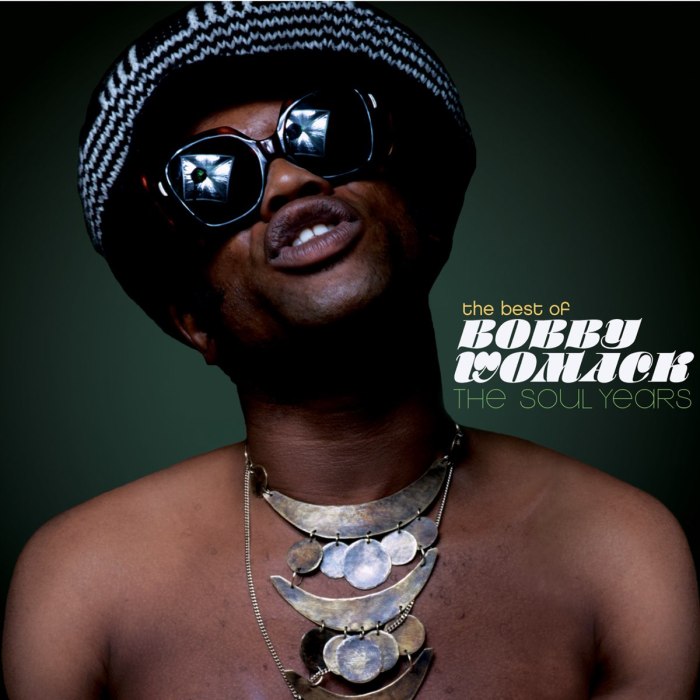
Bobby Womack’s funk rendition of “Please Forgive My Heart” stands as a significant moment in popular music history. Its infectious groove and soulful vocals helped shape the sound of funk in the 1970s and continue to resonate with listeners today. This powerful track transcended its genre roots, influencing artists across various musical styles and leaving a lasting mark on the musical landscape.This exploration delves into the profound impact of this funk masterpiece, examining its influence on subsequent artists, its reinterpretations in other works, and its enduring legacy within the broader context of popular music.
It demonstrates how a single song can evolve and inspire, becoming a cornerstone for musical innovation.
Influence on Subsequent Artists, Bobby womack plese forgive my heart funk version
This funk version of “Please Forgive My Heart” acted as a blueprint for many artists in the funk and soul genres. Its rhythmic complexity, driven bass lines, and layered instrumentation served as a model for numerous musicians. The song’s innovative use of funk instrumentation, particularly the prominent bass line and driving drum beat, profoundly influenced many artists, particularly those exploring the expressive possibilities of the funk sound.
- Stevie Wonder, with his distinctive vocal style and harmonic complexity, was significantly impacted by the soulful delivery of Bobby Womack. This influence can be heard in his later work, especially during the 1970s and 1980s. The combination of vocal dexterity and musical innovation found in the Womack version mirrored Wonder’s approach to songwriting and performance.
- Earth, Wind & Fire’s instrumental prowess and masterful use of funk rhythms are directly attributable to the influence of Bobby Womack’s innovative approach. Their ability to create complex yet danceable arrangements bears a clear kinship to the funk version of “Please Forgive My Heart.” This is evident in the use of layered instruments and intricate arrangements that were characteristic of the funk genre.
- Many contemporary funk artists, even those not directly referencing Womack, often incorporate elements of the song’s structure and instrumentation in their own compositions. This is because the song has become a recognized benchmark of the funk genre, influencing artists’ understanding of the expressive possibilities within the genre.
Reinterpretations and Samples
The funk version of “Please Forgive My Heart” has been reinterpreted and sampled in a variety of ways by artists in different genres. Its distinctive bass line, soulful vocals, and rhythmic complexity have made it a target for sampling in hip-hop, R&B, and even electronic music.
- The song’s bass line, particularly, has been a popular source for sampling. The rhythmic complexity and melodic drive of this section are immediately recognizable, making it attractive for musicians who seek to incorporate a powerful rhythmic component into their work.
- Various hip-hop artists have sampled the song’s instrumental parts, demonstrating its lasting impact on a genre that often draws inspiration from earlier music. The sampling of this version illustrates the track’s ability to transcend its original genre and resonate across diverse musical styles.
Enduring Legacy
The funk version of “Please Forgive My Heart” remains a vital part of musical history. Its contribution to the evolution of funk and its impact on contemporary artists are undeniable. Its enduring legacy stems from its unique blend of soulful vocals, intricate instrumentation, and undeniable rhythmic drive. The song’s influence can be heard in countless contemporary works, cementing its place as a cornerstone of musical innovation.
| Artist | Song | Influence Detail |
|---|---|---|
| Stevie Wonder | Various Albums | Womack’s soulful vocal style and instrumental approach profoundly influenced Wonder’s work. |
| Earth, Wind & Fire | Various Albums | Their masterful use of funk rhythms and layered instrumentation demonstrates a direct connection to Womack’s work. |
| Various Hip-Hop Artists | Various Tracks | Sampling of the instrumental parts showcases the song’s impact on hip-hop and other genres. |
Visual Representation
Bobby Womack’s “Please Forgive My Heart” transcends the realm of mere music; it embodies a journey. Visualizing this journey requires capturing not only the sonic shifts but also the emotional and cultural contexts. A visual representation should encapsulate the song’s evolution, the differences in mood and atmosphere, the structural innovations of the funk version, and the lyrical impact.
Evoking the Original’s Atmosphere
The original version, steeped in soulful balladry, could be depicted as a muted palette. Imagine a dimly lit room, filled with shadows and soft, diffused light. The color scheme might consist of muted blues, grays, and purples. The central figure, Bobby Womack, might be portrayed as contemplative, seated, perhaps with a slightly melancholic expression. The overall image evokes a sense of introspection and vulnerability, reflecting the lyrics’ emotional weight.
Contrasting the Funk Transformation
The funk version, on the other hand, explodes with vibrant energy. A kaleidoscope of colors, primarily bright oranges, reds, and yellows, could depict this shift. The imagery should shift to a lively club scene, filled with dancing figures, flashing lights, and a pulsating energy. Bobby Womack, now more animated, might be seen amidst the crowd, a focal point of the rhythmic pulse.
The visual contrast mirrors the musical metamorphosis.
Visualizing Rhythmic and Harmonic Structure
The funk version’s rhythmic and harmonic complexity can be represented by a visual matrix. A series of interconnected, swirling lines, perhaps in varying shades of a single color, could represent the interplay of bass lines, drums, and syncopated rhythms. The lines’ thickness and density could visually emphasize the shifting emphasis of each musical element. Visual cues can show the song’s rhythmic complexity, emphasizing the interplay of instruments and the shifting harmonic structure.
The image could incorporate elements that visually represent the layered instrumentation and the increasing tempo, building to a crescendo.
Metaphorical Representation of Evolution
The song’s evolution could be represented metaphorically through a visual journey. Imagine a caterpillar, initially in a cocoon-like state, representing the introspective mood of the original. As the song transforms into a funk masterpiece, the caterpillar metamorphoses into a vibrant butterfly, wings outstretched in celebration of the song’s joyous transformation. This metaphor visually captures the journey from introspection to exuberant celebration.
Visualizing Emotional Impact
The lyrics’ emotional impact can be depicted through a series of abstract visuals. Images of hearts, perhaps broken or mended, could represent the themes of love, loss, and forgiveness. Colors, as in previous sections, could be used to visually emphasize the shifting emotions—a deep blue for sadness, a vibrant yellow for joy, a fiery red for passion. These visual metaphors could be arranged in a sequence, reflecting the emotional trajectory of the lyrics.
The overall imagery should encapsulate the song’s ability to evoke a spectrum of emotions.
Comparative Analysis
Diving deep into the funkified version of Bobby Womack’s “Please Forgive My Heart,” we’re not just comparing it to other funk tunes, but also to the original and other interpretations. This comparative analysis sheds light on the unique sonic fingerprint of this particular rendition, exploring how the musical choices highlight the song’s emotional core. The evolution of the song, through various iterations, provides a fascinating lens through which to examine the genre’s development and the enduring appeal of Womack’s emotional delivery.
Funk Version Compared to Other Funk Songs
This funk rendition showcases the stylistic hallmarks of the genre. The rhythmic drive, prominent bass lines, and percussive accents are defining characteristics of funk music, creating a powerful and infectious groove. Comparing this version to other funk classics like James Brown’s “Get Up (I Feel Like Being a Sex Machine)” or Parliament’s “Flash Light,” reveals the shared emphasis on a driving beat, strong basslines, and often complex instrumentation.
However, “Please Forgive My Heart” exhibits a distinct emotional quality that resonates beyond the typical funk aesthetic, highlighting a balance between raw energy and introspective longing.
Funk Version Compared to Other Versions of the Same Song
While “Please Forgive My Heart” has various renditions, the funk version distinguishes itself through its emphasis on a groove-oriented approach. The original version, likely featuring a more straightforward arrangement, is a significant departure from the rhythmic density and instrumentation that define the funk adaptation. The original’s emphasis on vocal delivery contrasts with the instrumental focus of the funk treatment.
The comparison highlights the transformative power of adapting a song to a new genre. It emphasizes how a shift in musical style can fundamentally alter the listener’s experience and emotional engagement with the song.
Differences and Similarities in Musical Styles and Themes
| Feature | Original Version | Funk Version |
|---|---|---|
| Tempo | Moderate, ballad-like | Faster, driving, groove-oriented |
| Instrumentation | Primarily vocals and acoustic instruments | Expanded instrumentation, prominent bass, drums, and electric instruments |
| Melody | Melodic, focused on vocal phrasing | Less emphasis on a traditional melody, more on the rhythmic pulse |
| Theme | Heartbreak, vulnerability | A combination of heartbreak and a driving energy |
The original version focuses on conveying the emotional weight of the lyrics. The funk version retains the emotional core, but transforms it through a rhythmic and instrumental lens. While both explore themes of heartbreak, the funk version presents them with a renewed sense of urgency and drive, creating a more energetic and engaging experience.
Unique Characteristics of the Funk Version
The funk adaptation of “Please Forgive My Heart” showcases a unique blend of soulful vocals with a powerful funk rhythm section. The song’s distinctive feature is its ability to convey profound emotions within a dynamic and energetic musical framework. The interplay between the bassline, drum beat, and guitar riff creates a mesmerizing rhythmic tapestry, while the vocals maintain a heartfelt quality.
This distinctive blend of emotional depth and instrumental prowess creates a unique sonic landscape that sets this funk version apart from other interpretations.
Ending Remarks
Ultimately, “Bobby Womack’s Please Forgive My Heart (Funk Version)” proves that musical innovation can arise from reinterpreting classic material. The fusion of soulful vocals with a driving funk rhythm creates a unique listening experience, demonstrating the enduring power of music to connect across time and genres. This version stands as a testament to the adaptability and artistry of Bobby Womack.
