
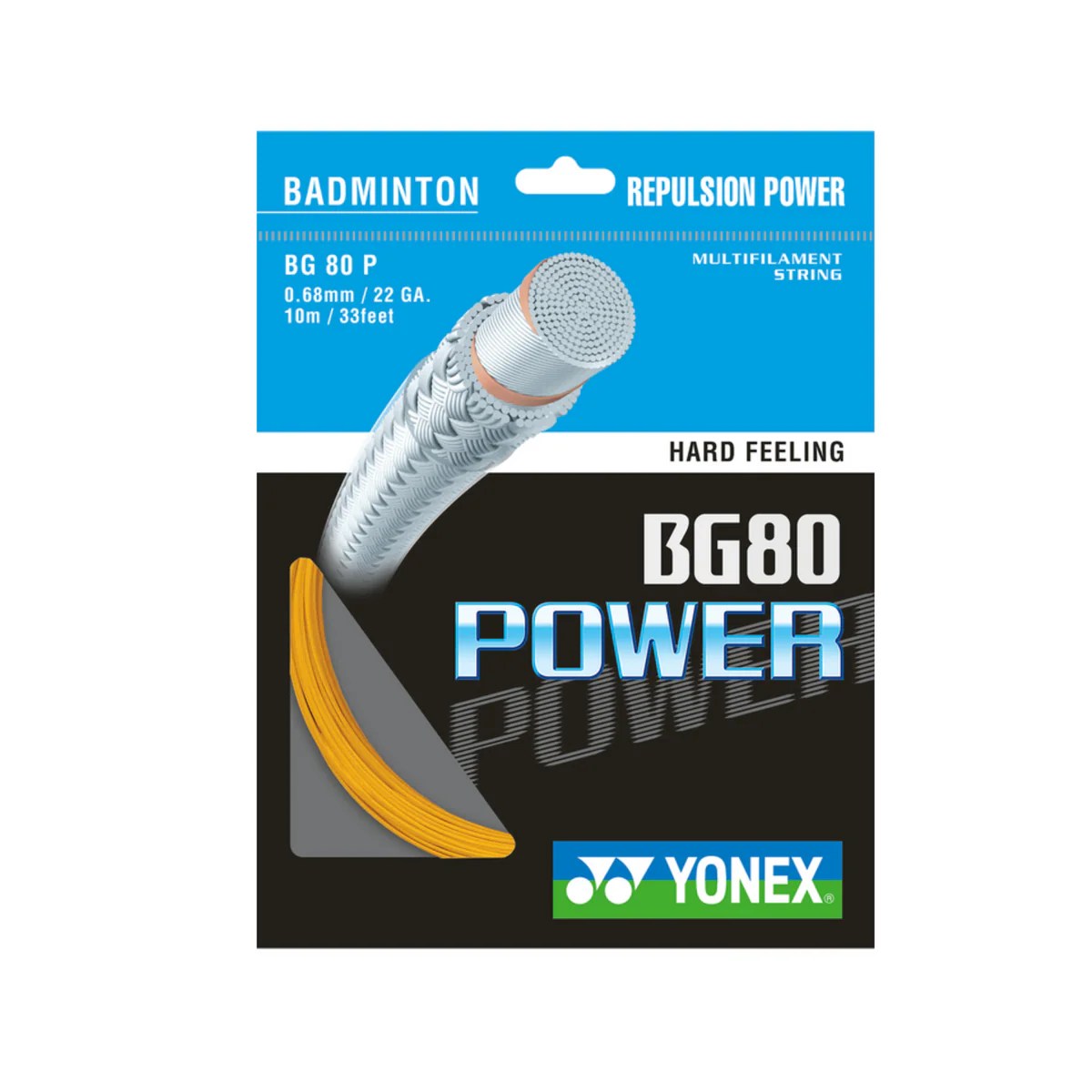
Fake Yonex Black BG80 Power: Unmasking the counterfeit racket and exploring the risks involved in purchasing knock-offs. This in-depth look delves into the world of counterfeiting, examining the methods used to replicate this popular tennis racket, along with the potential dangers for consumers.
From material composition to visual cues, this analysis will provide a comprehensive comparison between genuine and fake Yonex Black BG80 Power rackets. We’ll uncover the methods used to produce these counterfeits and examine the potential dangers of purchasing them, including the risks to your safety and performance. We will also explore the market for these fakes, examining pricing differences and consumer motivations.
Fake Yonex Black BG80 Power Racket: A Deep Dive
The counterfeit market often presents alluring replicas of popular sports equipment, and the Yonex Black BG80 Power racket is no exception. This detailed analysis will dissect the characteristics of a fake Yonex BG80 Power, highlighting its differences from the authentic model, and providing a crucial comparison table. Understanding these nuances is paramount for discerning consumers to avoid potentially inferior products and ensure they invest in genuine sporting equipment.
Product Description
The fake Yonex Black BG80 Power racket, while mimicking the authentic design, often falls short in crucial areas of construction and material quality. Visually, it might appear identical, featuring the familiar black color scheme and the branding. However, a closer inspection reveals subtle but significant discrepancies.
Material Composition and Construction
The core difference between the authentic and fake BG80 Power lies in the materials used and how they are combined. Authentic Yonex rackets employ advanced composites and high-quality materials, contributing to their performance and durability. Conversely, counterfeit rackets often substitute less durable materials to reduce manufacturing costs. This substitution can lead to a noticeable decrease in power, control, and longevity.
The frame structure, although superficially similar, might display inconsistencies in stiffness and responsiveness.
Design and Aesthetics
While the visual aesthetics of the fake racket might be compelling, the quality of the printing, logo placement, and overall finishing are frequently inferior. A discerning eye will detect subtle differences in the precision and consistency of the design elements. The weight balance, which is crucial for maneuverability, may also differ between the genuine and fake models, impacting the playing experience.
Key Features and Specifications
Understanding the key specifications is essential to distinguish the authentic from the counterfeit. The following table provides a direct comparison of the features of the genuine and fake Yonex Black BG80 Power rackets:
| Feature | Authentic Yonex BG80 Power | Fake Yonex BG80 Power |
|---|---|---|
| Frame Material | High-modulus graphite composite for enhanced strength and stiffness | Likely a less-expensive, lower-modulus graphite or a composite with inferior materials |
| String Pattern | Optimized for power and control, usually a specific string pattern detailed on the Yonex website | May have a different, less-optimal string pattern, or the pattern might be poorly replicated |
| Weight | Typically around 280-300 grams (unstrung) according to Yonex specifications | Potentially significantly different due to material inconsistencies; likely heavier or lighter than the authentic |
Counterfeiting Methods: Fake Yonex Black Bg80 Power
Counterfeiting of sports equipment, particularly high-performance items like the Yonex BG80 Power badminton racket, is a significant issue. Counterfeiters often exploit the demand for legitimate products, employing various methods to produce imitations that are difficult to distinguish from the genuine article. This poses a risk to both consumers and the brand’s reputation.Understanding the methods used to create these fakes is crucial to recognizing and avoiding them.
This analysis will detail the common techniques employed in replicating the racket’s design, branding, and production process. Ultimately, this knowledge empowers consumers to make informed purchasing decisions and protect themselves from fraudulent products.
Common Counterfeiting Techniques
Counterfeiters often employ a range of methods to create convincing replicas. These methods frequently involve replicating the design and materials of the authentic product while minimizing production costs. This leads to inconsistent quality and potentially dangerous performance issues.
- Material Substitution: Counterfeiters often substitute cheaper materials for the genuine components. For instance, instead of using high-quality graphite composites, they might utilize inferior materials like plastic or less expensive metals. This results in a racket that may feel lighter but lacks the necessary strength and durability of the original.
- Branding Replication: The replication of branding and packaging is a key aspect of counterfeiting. Counterfeiters may closely mimic the Yonex logo, color schemes, and even the packaging design. However, the quality of the print and the overall aesthetic often reveal discrepancies compared to the authentic product.
- Production Process Alterations: The manufacturing process of a counterfeit racket can vary significantly from the legitimate process. Counterfeiters often prioritize speed and cost-effectiveness over quality control. This might manifest in the use of cheaper manufacturing techniques or inadequate quality control checks during production.
- Misrepresentation of Features: Sometimes, counterfeiters try to match the features of a genuine product but fail to replicate them accurately. The performance and feel of the counterfeit racket may differ considerably from the original, and the advertised features may not be present in the fake product.
Distinguishing Authentic from Counterfeit
Identifying a counterfeit racket requires a discerning eye and a good understanding of the subtle differences between the genuine and the fake. A comparison table will illustrate the key factors to consider.
| Counterfeiting Method | Description | Impact on Product |
|---|---|---|
| Material Substitution | Using lower-quality materials like cheaper graphite composites, plastics, or metals. | Reduced durability, potentially impacting playability, and safety concerns. |
| Branding Replication | Mimicking the Yonex logo, color schemes, and packaging design, often with poor quality printing and inconsistencies in aesthetic design. | Visually similar but not identical to the original, often revealing discrepancies upon closer inspection. |
| Production Process Alterations | Utilizing cheaper manufacturing techniques, inadequate quality control checks, and shortcuts in production, resulting in inconsistencies in build quality and performance. | Potentially compromising the structural integrity and playability of the racket, with a noticeably different feel and performance compared to the original. |
| Misrepresentation of Features | Advertising features that are not present in the counterfeit product. | Consumers are misled into believing they are purchasing a genuine product with specific characteristics, but the counterfeit item does not deliver. |
Market Analysis
Counterfeiting of sports equipment, like the Yonex Black BG80 Power racket, is a global problem, driven by various factors. Understanding the target audience, motivations behind demand, and the risks associated with purchasing fakes is crucial for both consumers and manufacturers. This analysis delves into these aspects, shedding light on the reasons behind the popularity of this particular counterfeit racket.The market for counterfeit sports equipment is highly competitive and lucrative for those involved in the illegal trade.
It exploits the desire for affordable options, particularly in developing and emerging markets where the cost of authentic products can be a barrier. Furthermore, the ease of online distribution and the lack of robust enforcement mechanisms contribute to the persistence of this problem.
Target Audience for Counterfeit Sports Equipment, Fake Yonex Black Bg80 Power
The target audience for counterfeit sports equipment is multifaceted. It often includes individuals who are price-sensitive and seek affordable alternatives to genuine brands. This demographic may be less aware of the risks associated with purchasing counterfeit goods, potentially due to a lack of education or access to reliable information. Moreover, those with a limited budget but still desiring high-quality performance in sports may also fall into this category.
So, I stumbled upon these alleged “Fake Yonex Black BG80 Power” rackets, and honestly, they’re raising some serious red flags. The quality just doesn’t seem right, and it’s making me wonder about the whole deal. Plus, while researching, I discovered this killer performance of “I Don’t Like” by araabmuzik feat chief keef here , which is totally off-topic but fascinating nonetheless.
Ultimately, I’m still leaning towards sticking with reputable brands for my badminton gear; these fake Yonex Black BG80 Power rackets are just not worth the risk.
Factors Driving Demand for Fake Sports Equipment
Several factors drive the demand for counterfeit sports equipment. Price is a significant driver. Fake products are often significantly cheaper than authentic ones, making them appealing to budget-conscious consumers. The desire for high-performance sports equipment at a reduced cost further fuels this demand. The ease of access, often facilitated by online marketplaces and physical retail outlets, also contributes to the prevalence of counterfeit products.
Risks and Consequences of Purchasing Counterfeit Products
Purchasing counterfeit sports equipment carries several risks. The quality of counterfeit products can be significantly lower, potentially leading to injuries. The materials used in counterfeits may not meet the same safety standards as authentic products, which could be a serious concern, especially in sports requiring precision and control. The product may not perform as advertised, and the lack of manufacturer support and warranty can leave consumers with limited recourse if there are issues.
Those fake Yonex Black BG80 Powers are a bit of a mystery, aren’t they? I’ve been doing some digging, and honestly, the quality control seems questionable. Speaking of questionable, have you seen Roger Waters perform “Another Brick in the Wall” on watch roger waters perform another brick in the wall on colbert ? Absolutely brilliant! Still, I’m leaning towards sticking with reputable brands for my badminton gear; the potential for disappointment with these knock-offs just isn’t worth it.
Reasons Behind the Popularity of the Fake Yonex Black BG80 Power Racket
The popularity of the fake Yonex Black BG80 Power racket stems from its association with a reputable brand. The racket’s popularity in the authentic market likely translates to a high demand for a cheaper alternative. The specific design features and perceived performance attributes of the authentic racket may also contribute to the popularity of the counterfeit version. Consumers may be misled by marketing tactics or the presentation of counterfeit products, thinking they are getting a bargain for a product with similar features.
Pricing Differences in Different Markets
The cost of authentic and counterfeit sports equipment varies significantly depending on the market. This table demonstrates the potential price difference between authentic and fake Yonex Black BG80 Power rackets across different markets.
| Market | Authentic Price (USD) | Fake Price (USD) |
|---|---|---|
| United States | 150-200 | 50-100 |
| China | 120-180 | 30-80 |
| India | 100-150 | 20-60 |
| Brazil | 130-190 | 40-90 |
| Mexico | 140-200 | 45-95 |
Note: These are estimated prices and can vary based on specific retailers and sales promotions.
Visual Representation
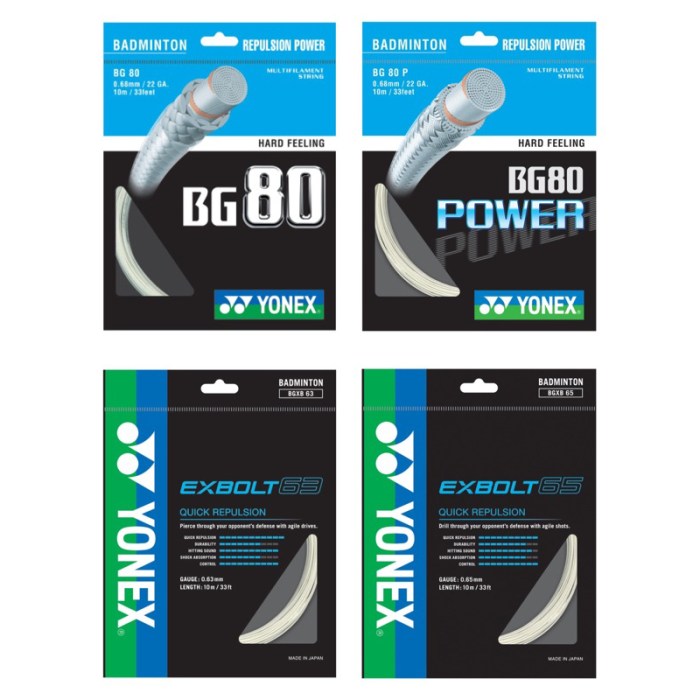
Spotting a fake Yonex BG80 Power badminton racket requires a keen eye and knowledge of the subtle differences. Authenticity often hinges on minute details, making visual comparison crucial. A side-by-side comparison of authentic and counterfeit models, highlighting these nuances, significantly aids in identification.Visual inspection is the first line of defense against counterfeit Yonex rackets. The subtle variations in materials, logos, and manufacturing processes can be critical in discerning the genuine from the imitation.
A comprehensive understanding of the authentic racket’s design elements is essential to recognize the discrepancies in a counterfeit.
Authenticity Indicators
Understanding the subtle cues that distinguish an authentic Yonex BG80 Power from a counterfeit is key. Authenticity often lies in the precise details.
| Visual Indicator | Description |
|---|---|
| Head Shape and Size | Authentic Yonex BG80 Power rackets exhibit a precise head shape and size. Counterfeit rackets often have inconsistencies in these dimensions. Variations in the head’s contours and the overall balance can be indicative of a fake. |
| Logo and Branding | The Yonex logo’s design, placement, and clarity are critical. Counterfeit rackets frequently feature a less crisp or misaligned logo. The Yonex branding on authentic rackets displays high precision and sharpness, contrasting with the less refined quality of counterfeit models. |
| Grip Texture and Finish | The grip material’s texture and finish are distinctive. Authentic rackets have a consistent and smooth texture, free from imperfections. Counterfeit rackets may have rough or uneven grip surfaces, revealing a less refined manufacturing process. Observe the subtle texture differences. |
| Strings and String Pattern | The string pattern on authentic rackets is consistent, while counterfeit models often exhibit inconsistent spacing or string patterns. The tension and material of the strings on a counterfeit are often different. Close inspection is required to detect inconsistencies. |
| Frame Construction and Materials | The frame’s construction, including the materials used, is a crucial indicator. Counterfeit rackets often display inconsistencies in the frame’s thickness, weight, and overall build quality. Examine the frame’s materials for subtle signs of inferior quality. |
| Overall Finish and Craftsmanship | The overall finish and craftsmanship of an authentic racket are superior. The quality of the paint, the uniformity of the color, and the absence of blemishes are all key indicators. Counterfeit rackets often exhibit imperfections or inconsistencies in these areas. Compare the overall finish and look for any imperfections. |
A detailed visual comparison, as shown in the table, can provide a reliable method for distinguishing between genuine and counterfeit Yonex BG80 Power badminton rackets. The subtle variations often reveal the difference between a meticulously crafted product and a less refined imitation.
Potential Risks
Purchasing a counterfeit Yonex Black BG80 Power racket presents a range of significant risks that extend beyond simply getting a subpar product. These risks encompass safety concerns, financial losses, legal complications, and even impact on athletic performance in the long run. Understanding these potential pitfalls is crucial for any discerning badminton player considering such a purchase.
Safety Concerns
Counterfeit sporting goods often lack the rigorous quality control measures employed by legitimate manufacturers. This can lead to compromised materials and construction, resulting in a product that is structurally unsound. The use of substandard materials can lead to dangerous situations during play. For example, a poorly manufactured racket frame might break unexpectedly, potentially causing injury to the user or bystanders.
Similarly, the adhesive used in the grip may not adhere properly, leading to the racket slipping from the player’s hand during critical moments of the game. Furthermore, the raw materials used in counterfeit rackets may contain harmful substances that can pose health risks to the user. These risks are not theoretical; they are concrete threats to the safety and well-being of the individual using the product.
Product Malfunctions
Beyond safety concerns, counterfeit Yonex Black BG80 Power rackets are prone to premature and unexpected malfunctions. The lack of quality control during manufacturing can result in issues such as inconsistent string tension, poor responsiveness, or reduced durability. These problems will not only compromise the player’s performance but also lead to a shortened lifespan of the product. The lack of proper string tension can lead to poor string stability and premature string breakage.
Poor responsiveness may result in reduced power and control, affecting the player’s overall game. These malfunctions are not isolated incidents; they are consistent issues stemming from the inherent lack of quality control in the counterfeiting process.
Financial Losses
Purchasing a counterfeit racket can result in substantial financial losses. Beyond the initial cost of the counterfeit product, the player may face additional expenses associated with injuries sustained from a defective racket, replacement of damaged equipment, or even legal repercussions. The loss of the racket’s performance value due to its short lifespan also translates into significant financial losses.
This is a significant risk, and one that needs to be carefully considered.
Legal Issues
Acquiring a counterfeit product can lead to legal problems, as counterfeiting is a violation of intellectual property rights. Legitimate manufacturers often pursue legal action against those who produce and distribute counterfeit goods. This legal action can result in fines, legal fees, and even criminal charges for those involved in the counterfeiting scheme.
Reputational Damage
Buying a counterfeit product can also damage the buyer’s reputation. In some cases, the act of buying or using counterfeit goods may be seen as a negative reflection on the individual’s character or values. In the badminton community, the use of counterfeit equipment might lead to distrust from fellow players, coaches, and officials. This can negatively impact future opportunities in the sport.
Long-Term Implications
The long-term implications of using a counterfeit racket for sports performance are substantial and negative. The lack of quality control in counterfeit products may compromise the player’s ability to perform at their optimal level. Over time, this can lead to a decline in performance, reduced enjoyment of the sport, and a decrease in confidence. This is not merely a temporary issue; it can affect the player’s entire sporting career and enthusiasm.
Hey everyone, quick thoughts on those Fake Yonex Black BG80 Powers. They’re looking pretty convincing, but you know how it goes with knockoffs. Speaking of things that are making waves, check out the latest news in brief on Lil Wayne, Little Boots, The Streets, and Daniel Johnston here. It’s always cool to see what the music scene is up to, and honestly, it makes me think twice about those questionable BG80 Powers again.
Maybe I’ll just stick to the real deal.
Potential Risks of Buying Counterfeit Sporting Goods
- Safety Hazards: Counterfeit products may contain dangerous materials or have faulty construction, leading to injuries during use.
- Performance Degradation: Poor quality materials and construction compromise the product’s performance, reducing its lifespan and potentially affecting athletic ability.
- Financial Losses: The initial cost of a counterfeit product might seem attractive, but associated expenses for repairs, replacements, or potential legal issues outweigh any perceived savings.
- Legal Ramifications: Purchasing or using counterfeit goods can lead to legal issues and financial penalties for both the buyer and the seller.
- Damage to Reputation: The act of purchasing or using counterfeit goods can negatively affect one’s reputation within the sporting community.
- Long-Term Impact on Performance: Continuous use of counterfeit products can lead to a decline in athletic performance and a reduced enjoyment of the sport.
Legal Considerations
The purchase and sale of counterfeit goods, including sports equipment like the Yonex BG80 Power, carry significant legal ramifications. Understanding these implications is crucial for both consumers and businesses involved in the marketplace. Ignoring these legal hurdles can lead to serious consequences.Counterfeiting sports equipment, particularly high-performance items like the Yonex BG80 Power, is a complex issue with far-reaching legal consequences.
The violation of intellectual property rights is a core element of this issue, and it has significant implications for both the manufacturers and consumers.
Intellectual Property Rights Violations
Intellectual property rights, such as trademarks and patents, are fundamental to protecting brand identity and innovation in the sports industry. Counterfeit products directly infringe upon these rights, harming legitimate businesses and the overall integrity of the market. Yonex, like many other sports equipment manufacturers, invests substantial resources in developing and marketing its products, including the BG80 Power. Counterfeiting undermines these efforts and creates a distorted market where consumers may not receive the intended quality or performance.
Penalties and Consequences for Individuals
Individuals involved in counterfeit activities face a range of penalties, depending on the severity of the offense and the applicable jurisdiction. These penalties can vary from fines to imprisonment, reflecting the seriousness of intellectual property theft. The legal consequences can also extend to the seizure of counterfeit goods and the potential for civil lawsuits from the affected companies.
International Regulations and Trade Agreements
International regulations and trade agreements play a vital role in combating counterfeiting across borders. These agreements often establish frameworks for cooperation between countries, facilitating the exchange of information and the enforcement of intellectual property rights. Organizations like WIPO (World Intellectual Property Organization) actively promote international cooperation and provide guidance to member states on combating counterfeiting. Agreements like the TRIPs Agreement (Trade-Related Aspects of Intellectual Property Rights) are crucial in setting international standards for intellectual property protection.
The penalties and enforcement mechanisms vary considerably between countries, reflecting the complexity of combating counterfeiting in a globalized market.
Legal Implications of Purchasing or Selling Counterfeit Goods
Purchasing counterfeit goods, while potentially cheaper, exposes consumers to several legal implications. These range from potential health hazards (if the product is poorly made) to the violation of consumer protection laws, which might vary from country to country. The sale of counterfeit goods is even more problematic, with serious legal consequences, including potential criminal charges and financial penalties.
The penalties can be substantial, and there are cases of individuals facing imprisonment for large-scale counterfeit operations.
Epilogue
In conclusion, purchasing a fake Yonex Black BG80 Power racket comes with significant risks, from potential safety hazards to financial losses and legal repercussions. Understanding the methods of counterfeiting and the crucial differences between genuine and fake products is essential for making informed decisions. Prioritizing authenticity protects your investment and ensures a safe and effective sporting experience.