
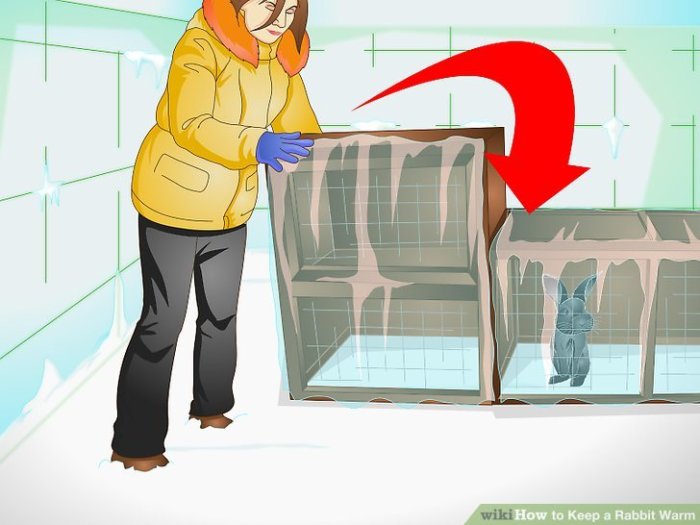
Keep a Rabbit Warm is a crucial aspect of rabbit care, ensuring your furry friend’s well-being, especially during colder months. Understanding a rabbit’s natural environment and temperature requirements is paramount to providing them with a safe and comfortable living space. This guide delves into everything from ideal housing and heating solutions to bedding and essential care considerations, empowering you to create a warm and healthy environment for your rabbit.
This comprehensive guide will cover everything from understanding rabbit physiology and behavior to creating a cozy and safe shelter, ensuring your rabbit thrives in any weather. We’ll also explore various heating options, bedding materials, and essential care practices to help you keep your rabbit warm and comfortable.
Understanding Rabbit Needs
Rabbits, though seemingly delicate, are surprisingly resilient creatures. Understanding their natural needs, particularly their temperature requirements, is crucial for ensuring their health and well-being. A well-maintained environment can prevent stress and promote a long, happy life.Rabbits are native to a variety of environments, from the hot, arid grasslands of the African savanna to the cool, forested regions of Europe.
This diverse natural habitat has shaped their physiological adaptations, allowing them to thrive in varying climates. However, domestic rabbits, often kept in enclosed spaces, require specific care to replicate a suitable environment.
Rabbit’s Natural Environment and Temperature Requirements
Rabbits evolved in diverse environments, adapting to a wide range of temperatures. Their natural habitats range from hot deserts to cooler, forested areas, influencing their physiological adaptations.
- Temperature Fluctuations: Wild rabbits often experience significant temperature fluctuations, adapting to these changes through various physiological and behavioral mechanisms. Their fur provides insulation, and burrowing in the ground helps them regulate their body temperature.
- Seasonal Changes: Rabbits’ needs change with the seasons. During warmer months, they might require more shade and access to water. In cooler seasons, increased insulation and shelter become vital.
Physiological Adaptations for Surviving in Various Climates, Keep a Rabbit Warm
Rabbits have several physiological adaptations that enable them to cope with varying temperatures.
- Fur: Their fur acts as a natural insulator, trapping heat and providing protection against the cold. The density and type of fur can vary depending on the rabbit’s breed and the climate it evolved in.
- Body Temperature Regulation: Rabbits, like other mammals, maintain a relatively constant body temperature. They have mechanisms to conserve heat in cold environments and dissipate heat in warm ones.
- Burrowing Behavior: Burrowing is a critical adaptation for regulating temperature. It provides a sheltered space from extreme heat and cold, allowing rabbits to maintain a comfortable internal temperature.
Comparison of Rabbit Needs Across Seasons
Rabbits’ needs shift with the changing seasons, necessitating adjustments to their care.
| Season | Key Needs |
|---|---|
| Summer | Increased access to shade, fresh water, and cooling strategies. |
| Winter | Increased insulation, protection from wind, and a sheltered area to prevent hypothermia. |
| Spring/Autumn | Transitional care, gradually adjusting to changing temperatures and providing adequate bedding and shelter. |
Signs of Cold Stress in Rabbits
Recognizing the signs of cold stress is vital for prompt intervention and preventative measures.
- Shivering: Persistent shivering is a clear indication of cold stress, as the rabbit’s body tries to generate heat.
- Lethargy: A rabbit experiencing cold stress may become lethargic, losing its usual energy and activity levels.
- Pale or Bluish Skin: A change in the skin’s color, often becoming pale or bluish, can indicate a decrease in circulation due to cold exposure.
- Loss of Appetite: A rabbit experiencing cold stress might lose its appetite, which can lead to a decline in overall health.
- Difficulty Moving: In severe cases, rabbits may experience difficulty moving, showing signs of weakness and discomfort.
Ideal Temperature Range for Healthy Rabbits
Maintaining a stable and suitable temperature range is crucial for rabbit health.
A healthy temperature range for rabbits is generally between 65°F (18°C) and 75°F (24°C). Avoid extremes of heat or cold.
Importance of Insulation and Shelter for Rabbits
Providing adequate insulation and shelter is essential for rabbit comfort and well-being.
- Bedding: Deep bedding, such as straw or hay, provides excellent insulation and helps regulate the temperature in the rabbit’s enclosure.
- Hutches: A well-constructed hutch with adequate ventilation and insulation can help maintain a comfortable temperature for the rabbit.
- Protection from Wind and Rain: Rabbits should be protected from harsh winds and rain, as these can significantly lower their body temperature.
Housing and Shelter Options
A rabbit’s hutch is more than just a place to sleep; it’s their home, their sanctuary. Providing a suitable and warm environment is crucial for their well-being and happiness. A well-designed hutch, tailored to their needs, will significantly impact their overall health and comfort, especially during colder months.Proper hutch design and materials directly influence a rabbit’s ability to regulate their body temperature.
Keeping a rabbit warm is crucial for its health, just like ensuring a comfortable environment. Sometimes, rabbits need extra TLC, especially during cold weather. This is similar to how you might need a private chat in Roblox, Private Chat in Roblox , to discuss strategies or share tips with other rabbit owners. Ultimately, the best way to keep your rabbit cozy is to provide a safe, warm space and monitor their well-being.
This includes ensuring adequate space, appropriate insulation, and a draft-free design to maintain a comfortable internal temperature. A well-insulated hutch protects rabbits from the elements, promoting overall health and preventing health issues.
Basic Hutch Layout for Warmth
A well-designed rabbit hutch prioritizes warmth and safety. A crucial element is the placement of a nest box or a separate, insulated area for sleeping. This area should be lined with soft bedding, such as hay or fleece, providing a comfortable and insulated space. A raised floor above the wire bottom is important to prevent drafts and direct contact with the cold ground.
A secure, weatherproof roof and walls are essential to keep out wind and rain. Adding a small, sheltered area like a porch or overhang provides extra protection from harsh weather.
Comparing Hutch Types and Insulation
| Hutch Type | Insulation Capability | Description |
|---|---|---|
| Wooden Hutch | Moderate | Wooden hutches can be insulated with additional materials like blankets or fleece. The effectiveness depends on the quality of the wood and the overall construction. |
| Metal Hutch | Low | Metal hutches are often not very well insulated, as metal is a poor insulator. They may require extra insulation to protect rabbits from extreme temperatures. |
| Plastic Hutch | Moderate to Low | Plastic hutches can be decent insulators, but their effectiveness depends on the thickness of the plastic and the design of the hutch. |
| Combination Hutch (e.g., wood with metal base) | Moderate to High | Combination hutches offer a balance between materials. The insulation will depend on the insulation materials used and the design of the hutch. |
A proper assessment of insulation needs to consider the climate and the specific rabbit breed.
Keeping a rabbit warm is crucial, especially in chilly weather. It’s all about providing a cozy environment, just like how musicians are now being compensated fairly. Amanda Palmer, for instance, recently started paying musicians directly through her platform amanda palmer starts paying musicians. This inspires me to think about how we can similarly support the well-being of our furry friends.
Good rabbit care truly is rewarding!
Hutch Materials and Warmth
| Material | Pros (Warmth) | Cons (Warmth) |
|---|---|---|
| Wood (e.g., plywood, cedar) | Good insulation, readily available, can be customized. | Can be susceptible to rot and pests if not properly treated. |
| Insulated Panels/Fiberboard | Excellent insulation, helps maintain a stable temperature. | Can be more expensive than other materials. |
| Cardboard (e.g., boxes) | Affordable, readily available, good temporary insulation | Not durable, needs frequent replacement. |
| Fleece/Blankets | Excellent insulation, easy to add or remove, comfortable. | Can be more expensive than hay, prone to attracting pests if not kept clean. |
Material selection plays a critical role in creating a cozy and warm environment for the rabbit.
Improving Existing Hutch Insulation
Several methods can enhance the insulation of existing hutches. Adding layers of blankets, fleece, or straw can significantly improve the thermal performance of the enclosure. Using insulated panels or cardboard can create a barrier to drafts and temperature fluctuations. Adding an overhang or porch will provide additional shelter from the elements. Ensure that all gaps and cracks are sealed to prevent drafts from entering the hutch.
Furthermore, consider adding a thick layer of bedding material like straw or hay to create a warm nest.
Draft-Free Environment
A draft-free environment is vital for rabbit health. Drafts can cause illness, stress, and discomfort, potentially leading to health problems. Thoroughly inspect the hutch for any gaps or cracks, and seal them with weather-stripping or caulk. Consider placing the hutch away from areas with significant air movement or direct sunlight. Ensure that the hutch is well-ventilated, but avoid creating drafts.
Creating a Cozy and Warm Environment
Creating a cozy and warm environment within a rabbit’s enclosure involves more than just insulation. Provide a variety of bedding options like hay, straw, and soft fleece. Include a nest box or a designated sleeping area lined with comfortable bedding. Consider adding a heating pad or a ceramic heat lamp (under supervision) in extreme cold to supplement the insulation, if needed.
These additions will contribute to a more comfortable and secure living space for the rabbit.
Heating Solutions
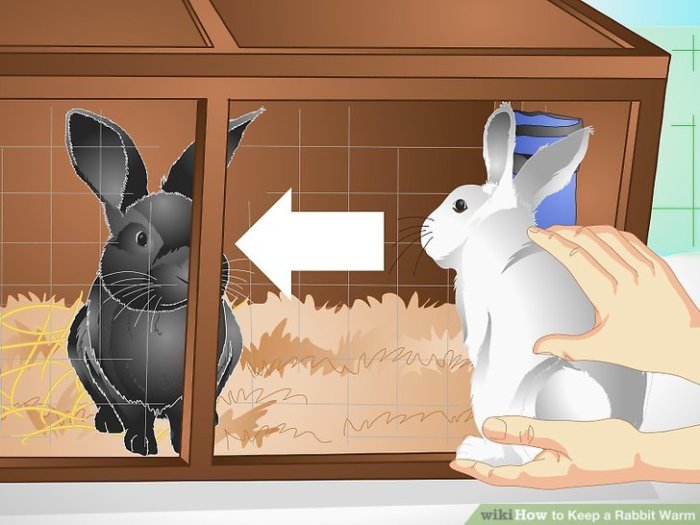
Keeping a rabbit warm and comfortable is crucial for their health and well-being. Providing appropriate heating is especially important during cooler months or if your rabbit lives in a climate with significant temperature fluctuations. Understanding the different heating options available and their potential risks is key to ensuring your furry friend stays cozy and safe.A well-regulated temperature is essential for rabbits, preventing them from experiencing discomfort or illness.
The ideal temperature range for a rabbit’s environment is between 65°F and 75°F (18°C and 24°C). Maintaining this temperature range through appropriate heating solutions will contribute significantly to their overall health and happiness.
Heat Pad Considerations
Heat pads offer a convenient and often safe way to provide supplemental warmth. They are relatively simple to use and can be easily integrated into a rabbit’s enclosure. However, it is important to understand the limitations and potential hazards. Overheating is a significant concern with heat pads, so careful monitoring and appropriate placement are necessary.
- Placement and Supervision: Heat pads should never be placed directly on the floor of the enclosure. A layer of a soft, insulated material, such as a towel or blanket, is crucial for safety. Regular checks are essential to ensure the pad is not too hot and the rabbit is not in direct contact with it. Overheating is a risk that can lead to serious consequences, such as burns.
- Wattage and Size: The wattage of the heat pad should be appropriate for the size of the enclosure and the number of rabbits. Using a pad that is too powerful for the space can lead to excessive heat, posing a burn risk. Smaller rabbits may need smaller heat pads than larger rabbits. Consider the size and needs of your rabbit to select the most suitable option.
- Supervision and Safety Features: Always supervise your rabbit when using a heat pad. Ensure the pad has a thermostat to regulate temperature and a safety feature to prevent overheating or electrical issues. The pad should also be placed in a location where it cannot be easily knocked over or chewed.
Heat Lamp Safety
Heat lamps can provide a significant amount of warmth, but they pose a serious fire hazard if not used correctly. Careless handling and inappropriate placement can lead to burns, fires, or other accidents.
- Placement and Distance: Heat lamps should be positioned at a safe distance from any flammable materials within the enclosure. This distance should be carefully calculated to avoid overheating and burns. A significant gap between the lamp and any enclosure material is crucial for safety. A heat-resistant base or a hanging system should be used for secure placement.
- Supervision and Temperature Control: Always supervise your rabbit when using a heat lamp. Regularly check the temperature around the rabbit to ensure it does not become too hot. A thermometer can be used to monitor the temperature, and the lamp should be adjusted to maintain a safe temperature range.
- Burn Risk and Enclosure Design: The lamp’s heat should not be directed at the rabbit’s body. Observe the rabbit’s position in the enclosure to ensure it does not get too close to the lamp. Avoid using lamps that produce intense heat or direct heat. Consider a heat-resistant enclosure and ensure the lamp is securely mounted.
Heating Cables
Heating cables provide a more controlled and often more efficient way to heat a rabbit’s enclosure. They are typically placed beneath the bedding, providing warmth from below. The consistent heat distribution makes them a safer alternative to other methods.
- Safety and Placement: Heating cables should be carefully placed beneath the rabbit’s bedding, avoiding direct contact with the rabbit’s skin. They should be secured to prevent movement and potential entanglement. Using appropriate cable types and following the manufacturer’s instructions is crucial for safety.
- Temperature Regulation: Temperature control is critical with heating cables. A thermostat is essential to regulate the temperature and prevent overheating. Overheating can lead to burns and discomfort. A thermometer should be used to monitor the temperature beneath the bedding.
- Appropriate Wattage and Size: The wattage of the heating cable should be suitable for the size of the enclosure and the number of rabbits. Using an excessively powerful cable can result in excessive heat, leading to burns or overheating. Consult with a veterinarian or rabbit expert to determine the appropriate wattage for your situation.
Bedding and Insulation Materials: Keep A Rabbit Warm
A warm and comfortable hutch is crucial for a rabbit’s well-being. Providing appropriate bedding is essential for maintaining a healthy microclimate within the hutch, offering insulation against temperature fluctuations and preventing discomfort. This is especially important during cold weather or when housing multiple rabbits. The right bedding choices can significantly impact your rabbit’s health and happiness.Understanding the different types of bedding materials and their properties allows you to create a safe and comfortable environment for your furry friend.
This section details the various options available, emphasizing safety, warmth, and absorbency, and highlighting the importance of proper cleaning practices.
Comparing Bedding Materials
Different bedding materials offer varying levels of warmth, absorbency, and safety. A comparative analysis is essential for choosing the best option for your rabbit.
| Material | Warmth | Absorbency | Safety |
|---|---|---|---|
| Straw | Good | Moderate | Generally safe, but can be dusty |
| Wood shavings (pine, aspen, cedar) | Good | Good | Generally safe, but cedar shavings can be harmful |
| Hay (Timothy, Orchard grass) | Moderate | High | Very safe, provides valuable nutrients |
| Paper-based bedding | Moderate | Good | Generally safe, often dust-free |
| Wool | Excellent | Good | Safe and highly absorbent, naturally hypoallergenic |
Importance of Appropriate Bedding
Using suitable bedding is critical for maintaining a healthy and comfortable environment for rabbits. It regulates temperature, absorbs urine and feces, and provides a soft surface for resting. Poor-quality bedding can lead to various health issues, including respiratory problems, skin irritation, and discomfort. Ensure the bedding material is safe for your rabbit to consume or come into contact with.
Layering Bedding for Maximum Insulation
Layering bedding materials can significantly improve insulation within the hutch. A multi-layered approach allows for optimal temperature regulation. Start with a base layer of absorbent material, followed by a middle layer of insulating material, and top it off with a soft, comfortable layer. This layered approach creates a thermal blanket, helping to trap heat and prevent drafts.
Cleaning and Maintaining Bedding
Regular cleaning and maintenance of the bedding are crucial to prevent the build-up of harmful bacteria and odors. Remove soiled bedding regularly, ensuring fresh bedding is available. Use a combination of scooping out soiled bedding and replacing it with clean bedding. This practice will maintain the cleanliness and warmth of the hutch. Cleaning and maintaining the bedding is essential for keeping the hutch environment hygienic and preventing disease.
Dangers of Unsuitable Materials
Certain materials are unsuitable for rabbit bedding due to their potential health risks. Some materials can cause respiratory problems, skin irritation, or even ingestion issues. Avoid materials such as cedar shavings, which can contain harmful chemicals. Ensure the materials you use for bedding are safe for your rabbits.
Safe and Suitable Bedding Materials
Here is a list of safe and suitable bedding materials for rabbit hutches:
- Straw: A readily available and relatively inexpensive option, straw provides good insulation and absorbs urine effectively. Be mindful of dust, as some rabbits may be sensitive.
- Timothy hay: A nutritious and safe bedding option, Timothy hay is highly absorbent and provides a comfortable surface for resting. It also provides valuable nutrients for your rabbit.
- Aspen shavings: A safe and popular choice, aspen shavings are soft, absorbent, and offer good insulation. Avoid pine or cedar shavings, as they can contain harmful compounds.
- Paper-based bedding: Often dust-free, paper-based bedding is a convenient and safe alternative to other options. It is readily available and typically affordable.
- Wool bedding: A luxurious and naturally hypoallergenic option, wool provides exceptional insulation and absorbency. It is a safe and comfortable choice for your rabbit.
Additional Care Considerations
Providing optimal care for your rabbit extends beyond just a cozy home. A well-cared-for rabbit thrives in a supportive environment that addresses their physical and behavioral needs. Understanding their specific requirements for warmth, dryness, and protection is crucial for their overall well-being.
Keeping a rabbit warm in the winter is crucial, especially for young ones. A heated pad is a great option, but did you know that understanding how to wire an electric cooker properly can actually help you build a custom, safe heating solution? Wire an Electric Cooker for inspiration on managing power safely. Ultimately, providing a cozy and warm environment for your rabbit is key to their well-being.
Importance of a Warm, Dry Resting Place
Rabbits, being prey animals, are naturally sensitive to temperature fluctuations. Providing a warm, dry resting area is paramount to their comfort and health. This safe haven should be free from drafts and direct sunlight, ensuring a consistent temperature conducive to rest and relaxation. A well-insulated area with soft bedding will keep your rabbit comfortable and safe, preventing chilling and promoting overall health.
Proper Ventilation and Air Circulation
Adequate ventilation within the enclosure is vital to prevent respiratory problems. Poor ventilation can lead to a buildup of moisture and ammonia, creating an unhealthy environment. Ensure your rabbit’s home has sufficient air circulation to maintain a fresh, healthy atmosphere. This can be achieved through properly sized ventilation openings and careful consideration of the materials used for the enclosure.
Monitoring Rabbit Behavior for Signs of Discomfort or Illness
Regular observation of your rabbit’s behavior is crucial for identifying any signs of discomfort or illness early on. Changes in eating habits, activity levels, or posture can indicate potential issues. Familiarizing yourself with normal rabbit behavior allows you to recognize subtle changes that might signal a problem. For instance, a rabbit that is unusually lethargic or refuses food warrants immediate attention.
Maintaining a Consistent Temperature
Maintaining a consistent temperature is essential. This is particularly important during colder months. Utilizing heat lamps or heating pads, if necessary, ensures the enclosure maintains a comfortable temperature for the rabbit. Keep a close eye on the temperature readings and adjust the heating as needed to prevent overheating.
Keeping the Rabbit Dry and Protected from Drafts
Rabbits are susceptible to drafts and dampness. A dry environment is critical to their health and well-being. Ensure the enclosure is situated away from drafts and that the bedding is kept dry. Consider using waterproof liners or extra layers of insulation to prevent moisture buildup.
Protecting Rabbits from the Elements
Protection from rain and snow is essential. If the enclosure is outdoors, consider a covered run or a shelter to provide protection from the elements. This will prevent the rabbit from getting chilled or wet, safeguarding their health and comfort. During extreme weather conditions, consider bringing the rabbit indoors for added protection.
Recognizing and Addressing Potential Problems
Keeping a rabbit warm is crucial for their well-being. Just like humans, rabbits can experience discomfort and illness if the environment isn’t suitable. Understanding potential problems and how to address them is essential for ensuring a happy and healthy bunny companion.Careful monitoring and proactive measures are vital for preventing problems associated with temperature fluctuations. Rabbits are susceptible to both heat and cold stress, making consistent environmental control a key factor in their health and happiness.
Common Heating Problems
Maintaining the right temperature for your rabbit is paramount. Improper heating can lead to overheating or, more commonly, hypothermia. Ensure the heating source is safe and appropriate for the size of the hutch. Overheating can result in excessive panting, lethargy, and refusal to eat. Conversely, inadequate heating can manifest as shivering, hunched posture, and decreased activity.
Incorrect placement of heating pads or lamps can also cause localized burns.
Identifying Cold-Related Symptoms
Recognizing the signs of cold in a rabbit is vital. Early detection allows for timely intervention. Rabbits showing signs of cold stress might exhibit shivering, hunched posture, lethargy, or decreased appetite. A rabbit’s fur may appear dull or matted, and they may seek out warmer areas within their enclosure. The ears may be cool to the touch, an indicator of poor circulation, and the rabbit may appear withdrawn or less active than usual.
Diagnosing and Treating Hypothermia
Hypothermia in rabbits is a serious condition. It requires prompt veterinary attention. Symptoms include profound lethargy, loss of coordination, and shallow or irregular breathing. A rabbit with hypothermia may also experience muscle tremors and have a low body temperature. Never attempt to treat hypothermia at home; immediate veterinary care is critical.
Veterinarians have the specialized equipment and knowledge to diagnose and treat this condition effectively.
Preventing Cold-Related Health Issues
Maintaining a consistent temperature is crucial for rabbit health. Preventing cold-related issues starts with proper insulation. Ensure the hutch is well-insulated, draft-free, and positioned away from cold drafts. Providing a cozy and warm bedding layer will help maintain the temperature within the hutch. Avoid placing the hutch in direct sunlight or near a cold wall.
Regular monitoring of the rabbit’s behavior and environment is essential for early detection of potential issues.
Common Rabbit Health Issues and Symptoms
| Health Issue | Symptoms |
|---|---|
| Hypothermia | Shivering, lethargy, decreased appetite, hunched posture, cool ears, shallow breathing |
| Respiratory Infections | Sneezing, nasal discharge, coughing, lethargy, difficulty breathing |
| Dental Problems | Difficulty eating, drooling, weight loss, head shaking, nasal discharge |
| Gastrointestinal Issues | Diarrhea, vomiting, loss of appetite, lethargy, abdominal pain |
| Ear Infections | Head shaking, scratching at ears, discharge from ears, redness or swelling |
Preventing Common Rabbit Health Problems
Maintaining a consistent environment is crucial for preventing rabbit illnesses. Regular veterinary check-ups are important for early detection and treatment of potential issues. A balanced diet and appropriate exercise are also vital for a rabbit’s overall health. Always consult a veterinarian for specific advice regarding your rabbit’s needs.
Closing Summary
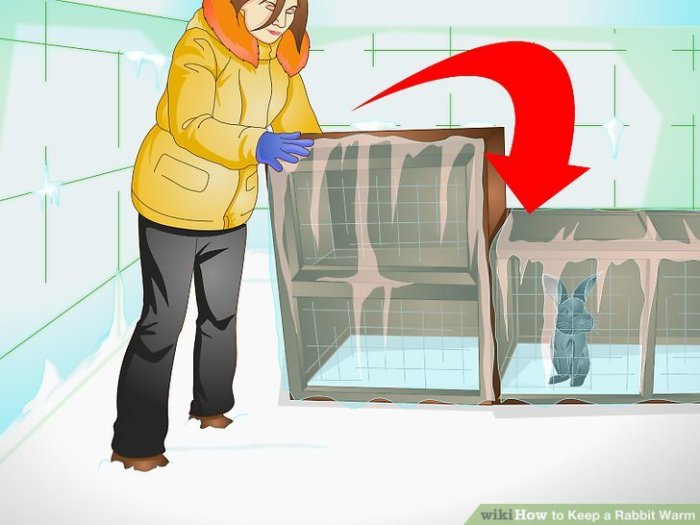
In conclusion, providing a warm and safe environment for your rabbit is essential for their overall health and happiness. By understanding their needs, choosing appropriate housing, selecting suitable heating solutions, and utilizing appropriate bedding, you can ensure your rabbit stays cozy and comfortable year-round. Remember, regular monitoring and attention to detail are key to keeping your rabbit happy and healthy.