

Travis scott addresses amanda lepores absence on astroworld cover art – Travis Scott addresses Amanda Lepore’s absence on the Astroworld cover art, sparking a flurry of online discussions and analyses. The cover, a visual representation of the festival, has become a focal point for debate, with many speculating about the reasons behind her omission. Initial reactions ranged from speculation to outright criticism, with some questioning the artistic intent and the potential impact on public perception of the album and the artist.
The cover art, laden with symbolism and imagery, has been interpreted in various ways. Some see it as a powerful statement, while others find it lacking or even offensive. The artist’s choice of design elements, and the absence of key figures like Amanda Lepore, further complicates the discussion, highlighting the complex relationship between art, artist, and audience. This analysis delves into the multifaceted perspectives surrounding this controversial cover art, examining its artistic merits, cultural context, and potential implications for the artist’s career and the music industry.
Background of the Event
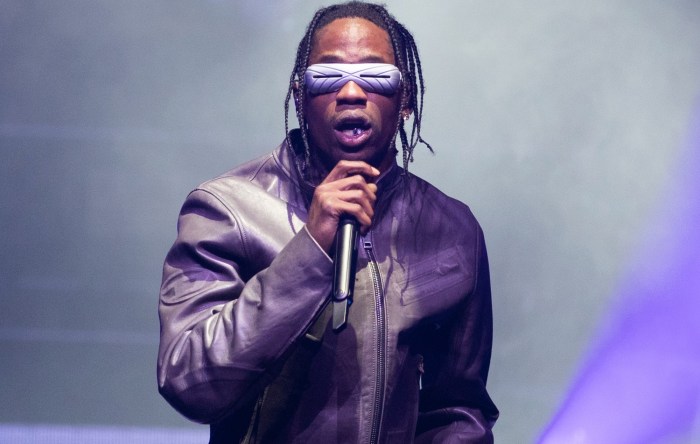
Travis Scott’s Astroworld Festival, held in 2021, was a highly anticipated music event. Promising a unique and immersive experience, the festival attracted a large crowd. However, the event tragically took a dark turn, resulting in numerous injuries and fatalities. The event’s aftermath sparked intense public scrutiny and investigations into the festival’s safety protocols.The cover art for the Astroworld album, released in the same year, was intended to visually represent the album’s themes and the festival atmosphere.
The artwork’s design and elements often become symbolic and interpretative for listeners and fans. The absence of specific figures on the cover, such as Amanda Lepore, adds another layer to the narrative surrounding the event.
Significance of the Cover Art
The Astroworld album cover art played a significant role in shaping public perception of the festival and its associated themes. It visually represented the festival’s ethos and spirit. The album artwork served as a preview of the experience and, unfortunately, became linked to the tragic events that unfolded.
Amanda Lepore’s Absence
Amanda Lepore, a prominent figure in the music and fashion industry, was noticeably absent from the Astroworld album cover. This omission sparked considerable discussion and speculation amongst fans. Potential reasons for her absence might include creative decisions, scheduling conflicts, or simply a stylistic choice by the artist or album’s creative team.
Potential Reasons for Absence
Several possible reasons for Amanda Lepore’s absence from the album cover can be considered. It could have been a strategic decision to focus on a specific aesthetic, with the cover art representing a different or more encompassing artistic direction. It might also have been due to conflicts in scheduling, or possibly a lack of agreement on creative visions.
Further, the absence could have been a symbolic choice by the artist or design team, intending to create a more minimalist or abstract representation of the album’s themes. Another possibility is that the decision was simply a creative choice.
Travis Scott’s addressing Amanda Lepore’s absence from the Astroworld cover art is interesting, but it’s a bit overshadowed by the recent news about Kodak Black’s lawyer claiming the guns and drugs found during his Instagram arrest were fabricated. This is a fascinating legal battle, raising questions about the validity of evidence, as the case highlights the potential for misrepresentation in legal proceedings.
Ultimately, the focus is still on Scott and Lepore, and how this absence might impact future projects.
Impact on Public Perception
The omission of Amanda Lepore from the Astroworld cover art likely impacted public perception in several ways. The lack of her presence may have contributed to discussions about the album’s overall tone, as well as the festival’s legacy. The omission might have sparked speculation among fans and critics, generating further discourse about the album and its artistic intent.
The absence could have been viewed by some as a deliberate exclusion, adding another layer of complexity to the already fraught situation.
Initial Reactions and Discussions
Initial reactions to the Astroworld album cover varied widely. Some fans and critics viewed the cover as impactful and visually striking, while others expressed disappointment over the absence of specific artists or figures. Social media discussions centered on the missing elements and their possible implications, leading to varying interpretations and opinions. Discussions ranged from speculation on creative decisions to questions about the album’s meaning and symbolism.
Analyzing the Cover Art
The cover art for Travis Scott’s Astroworld album, notably absent of Amanda Lepore, has sparked a flurry of interpretations. Beyond the obvious absence, the design itself invites a deeper dive into symbolism and imagery. This analysis delves into the visual elements, exploring their potential meanings and the artistic choices made by the album’s designer.The cover art, while seemingly straightforward, holds a complex array of potential messages.
The absence of Amanda Lepore, a previously prominent figure in the album’s promotional materials, serves as a significant departure from the norm, prompting speculation about its intent. Understanding the imagery and symbolism within the design is key to unraveling these potential messages.
Interpretations of the Cover Art
The cover art invites various interpretations, each potentially valid. Different viewers might see different meanings based on their individual experiences and perspectives.
Travis Scott addressing Amanda Lepore’s absence from the Astroworld cover art is definitely a conversation starter. It’s interesting to see how these creative decisions play out, especially given the recent buzz around the album. Meanwhile, it’s worth checking out Vampire Weekend’s performance of “Sympathy” on The Late Show with Stephen Colbert watch vampire weekend play sympathy on colbert , a band that often blends intriguing musical styles with engaging performances.
Ultimately, the discussion around the Astroworld cover art and the broader creative process is always captivating.
| Interpretation | Supporting Elements | Criticisms |
|---|---|---|
| Rebellion against commercial expectations. | The starkness of the design, the absence of Lepore, and the overall muted color palette could suggest a rejection of traditional album art conventions. | This interpretation relies heavily on speculation and lacks concrete evidence. |
| A shift in artistic direction. | The departure from the previous promotional style could signal a new creative direction for Travis Scott. | The lack of direct confirmation from the artist or designer makes this interpretation less certain. |
| Emphasis on the music itself. | The focus on the abstract imagery and muted tones could prioritize the music over the visuals. | This interpretation overlooks the potential for other symbolic meanings present in the design. |
Symbolism and Imagery
The cover art is rich with visual symbolism. The dominant imagery consists of abstract shapes and forms, which may or may not have specific meanings.
Travis Scott addressing Amanda Lepore’s absence from the Astroworld cover art is definitely a talking point. It’s interesting to consider how this sort of creative decision plays out, especially when you look at other artists’ choices. For example, the recent cover of Doom by Mos Def and Yasiin Bey, a truly unique project, mos def yasiin bey covers doom , highlights the importance of artistic vision.
Ultimately, it’s all about how these choices impact the overall message and perception of the project, just like with Travis Scott’s Astroworld album art.
- Abstract Shapes: The artwork features a variety of shapes, some geometric and others more organic. These shapes might represent different aspects of the album or Travis Scott’s personal journey.
- Color Palette: The muted tones, predominantly dark and cool colors, contribute to the overall mood and atmosphere. This color scheme might evoke feelings of introspection or mystery.
- Absence of Amanda Lepore: The notable omission of Amanda Lepore from the cover art is a crucial element. It may represent a shift in priorities or a desire to focus solely on the music itself, potentially a conscious distancing from past collaborations or marketing strategies.
Artistic Elements and Their Potential Meanings
The cover art employs several artistic elements that contribute to its overall effect.
- Typography: The font choice and arrangement of the album title “Astroworld” play a role in the visual impact. The bold, yet simple, typography could signify strength and resilience.
- Composition: The arrangement of the various elements on the cover art is crucial in creating a sense of balance and visual harmony. The lack of a central focal point might represent a desire to avoid a specific message, leaving the interpretation open to the viewer.
Artistic Choices by the Designer
The artistic choices made by the designer likely stem from a variety of factors, including the desired mood, target audience, and the artist’s personal vision. The designer’s choices create an overall aesthetic that may align with the music or theme of the album.
- Emphasis on Simplicity: The design could be intentionally simple, focusing on the core elements and avoiding unnecessary distractions. This approach could underscore the album’s themes or message.
- Intentional Ambiguity: The lack of a clear, easily understood meaning could be deliberate. This ambiguity allows for individual interpretations and promotes personal connection with the artwork.
Visual Representation of Key Elements
This table Artikels the key elements and their visual representation.
| Element | Description | Significance |
|---|---|---|
| Abstract Shapes | Various geometric and organic shapes, often overlapping or interweaving. | May represent different aspects of the album’s themes, or abstract concepts, or lack of specific message. |
| Muted Color Palette | Predominantly dark and cool colors. | Could evoke feelings of mystery, introspection, or a specific mood. |
| Absence of Amanda Lepore | The previously featured model is not present on the cover art. | Signifies a possible shift in creative direction, distancing from previous collaborations, or focusing solely on the music. |
Amanda Lepore’s Role and Absence
Amanda Lepore’s connection to Travis Scott’s creative projects, particularly his music and album artwork, has been a topic of speculation. Her absence from the cover art forAstroworld* has sparked considerable discussion, raising questions about her involvement and the reasons behind her exclusion. This analysis delves into her potential contributions to the project and explores potential interpretations of her absence, acknowledging the inherent speculation involved.Her association with the artist suggests a potential creative partnership or involvement in the project’s development.
The specific nature of her role is not publicly documented, leaving room for interpretation. While some speculate about her creative input, others might view her presence as more peripheral. The lack of definitive statements from either party makes it difficult to determine the exact extent of her participation.
Amanda Lepore’s Potential Contribution
Her potential contribution to the project might include, but is not limited to, conceptualization, styling, or even posing for the original photoshoot. The exact nature of her role, if any, is unknown. Speculation on this matter will continue until further clarification is offered.
Public Reaction to Her Absence
The public’s response to her absence from theAstroworld* cover art has been varied. Some fans have expressed disappointment, highlighting her previous collaborations with Travis Scott. Others have remained neutral or focused on the overall aesthetic of the artwork. The absence of definitive information from either party contributes to the ongoing discussion and speculation.
Possible Reasons for Her Absence, Travis scott addresses amanda lepores absence on astroworld cover art
Several potential reasons for her absence from the cover art can be considered. She may have chosen to step away from the project for personal reasons, or there might have been creative differences between her and the artist. Scheduling conflicts or other unanticipated circumstances could also play a part. The lack of a formal explanation from either party makes these interpretations speculative.
Alternative Perspectives on the Omission
Alternative perspectives might include the possibility of a deliberate artistic choice. The cover art’s design and intent might be independent of any particular individual’s presence. The omission could also be a deliberate move to shift focus towards the artist’s individual vision. Other possibilities might include a change in creative direction, or a mutual decision to alter the original concept after the initial photo shoot.
Public Perception and Reactions
The Astroworld cover art, featuring Travis Scott and an absence of Amanda Lepore, sparked a wave of online discussions and reactions. Public perception was significantly impacted by the choice to omit Lepore, leading to varied interpretations and sentiments about the artist’s intentions and the overall message conveyed by the album’s visual identity.The cover art’s visual elements, coupled with the absence of a key figure, served as a focal point for online discourse, generating diverse perspectives and fueling speculation about the artist’s motivations and the album’s theme.
The lack of clarity surrounding the decision further amplified the public’s response.
Diverse Interpretations of the Cover Art
The cover art’s design generated various interpretations, some aligning with the album’s themes and others diverging from expectations. Fans and critics alike engaged in discussions regarding the symbolic meaning behind the imagery, and the decision to remove Lepore. This ambiguity, and the potential reasons behind it, led to numerous conversations on social media.
Potential Controversies and Debates
The cover art’s omission of Amanda Lepore triggered considerable discussion, and some perceived it as a deliberate act of disrespect. Conversely, others defended the artistic choices, suggesting the removal was part of a broader artistic statement or a calculated decision to shift the focus. The controversy highlighted the power of visual representation and its potential for misinterpretation. Discussions revolved around the artist’s intentions, the possible implications of the absence, and the artistic merit of the choice.
Overall Sentiment Expressed Online
The overall sentiment expressed online about the cover art was a mixture of criticism and defense. Some users expressed disappointment and even anger at the perceived slight against Lepore, while others praised the artistic vision and the unique message the cover sought to convey. Negative reactions were largely centered on the removal, and the lack of a clear explanation.
Positive responses often focused on the album’s artistic merit, regardless of the absence. The absence of a clear statement or explanation only intensified the debate.
Impact on Public Perception of the Artist
The artist’s public image was arguably impacted by the controversy surrounding the cover art. The differing interpretations and strong reactions revealed a spectrum of opinions about the artist’s artistic choices and their perceived intentions. This public reaction highlighted the complexity of balancing artistic freedom with public perception and the potential for negative consequences when decisions are not clearly articulated.
Table of Feedback
| Feedback Type | Examples | Source |
|---|---|---|
| Negative | “Disrespectful,” “Unprofessional,” “Poor choice,” “Ignoring Lepore” | Social media comments, online forums |
| Positive | “Bold artistic statement,” “Unique and thought-provoking,” “Different approach to album cover design” | Social media comments, online forums, music blogs |
Artistic and Cultural Context
The Astroworld cover art, despite its controversy, holds a significant place within the contemporary music industry. It’s a powerful visual statement, not just about the music contained within, but also about the artist’s evolving aesthetic and the broader cultural landscape. The image’s impact extends beyond immediate reactions, prompting deeper analysis of the artist’s choices and their resonance within a larger creative context.The cover art’s visual language is meticulously crafted, designed to provoke a specific emotional response and connect with a target audience.
This deliberate approach underscores the vital role of visual aesthetics in shaping a record’s initial reception and public perception. The cover art serves as a powerful precursor to the musical experience, creating anticipation and setting the stage for the listener’s journey.
Impact on the Music Industry
The cover art’s impact on the music industry is multi-faceted. It highlights the growing importance of visual branding in the digital age, where album covers often serve as the first point of contact for potential listeners. This visual element can significantly influence purchasing decisions, particularly in the competitive landscape of streaming platforms. Artists are increasingly recognizing the strategic value of carefully designed album covers to build anticipation and attract attention.
Comparison with Other Notable Album Covers
Comparing the Astroworld cover to other notable album covers reveals recurring themes and stylistic trends. For example, the use of minimalist design, as seen in certain electronic music album covers, emphasizes a focus on visual clarity and a specific aesthetic. Conversely, more elaborate and detailed designs, often seen in rock and pop albums, aim for a greater level of visual storytelling.
The cover art’s success often lies in its ability to encapsulate the essence of the music contained within, thereby creating a visual synergy that resonates with the listener.
Evolution of Album Cover Design
The evolution of album cover design mirrors broader shifts in visual culture. Early album covers often relied on simple graphics and typography, emphasizing the importance of the album title and artist’s name. Later, the use of photography and more complex visual elements became more common, reflecting a broader experimentation with visual narratives. Today, album covers leverage digital technologies, often pushing boundaries in terms of composition and color palettes, in response to the evolving expectations of the audience.
This adaptation is a continuous process, as technology and societal trends drive the design evolution.
Relationship to Travis Scott’s Aesthetic
The Astroworld cover art seamlessly aligns with Travis Scott’s broader aesthetic. The cover’s dark and futuristic elements, along with its muted color palette, mirror the themes and sonic textures often explored in his music. This visual coherence reinforces his artistic identity and creates a cohesive narrative across all his creative outputs. It creates a clear and recognizable visual identity for the artist, reinforcing brand recognition and anticipation for new releases.
Significance in Shaping Public Perception
Album covers play a critical role in shaping public perception of an artist and their music. A compelling cover can generate excitement and anticipation, whereas a poorly designed or inappropriate cover can negatively impact initial impressions. The Astroworld cover, while controversial, undeniably generated significant public discourse, showcasing the powerful influence that album covers have in influencing listener opinions and expectations.
Potential Impacts and Implications: Travis Scott Addresses Amanda Lepores Absence On Astroworld Cover Art
The Astroworld cover art controversy, specifically the absence of Amanda Lepore, resonated deeply with the public, sparking intense discussion and analysis that went beyond simple aesthetics. This omission acted as a potent catalyst, prompting widespread speculation and affecting not only Travis Scott’s public image but also the music industry as a whole. The implications of this choice are multifaceted and potentially long-lasting.The cover art’s impact on public perception is undeniable.
The omission became a significant talking point, shifting the focus from the album itself to the narrative surrounding Lepore’s absence. This highlights the power of visual representation in shaping public opinion, especially in the context of celebrity culture.
Public Perception Shift
The public’s initial response to the cover art was largely negative. Many viewed the removal of Lepore as a deliberate act, potentially implying a strained relationship or a calculated decision to prioritize image over artistic integrity. Social media was flooded with commentary, expressing varied opinions ranging from disappointment to outrage. This demonstrates the sensitivity surrounding artists’ choices and the influence of social media on shaping public discourse.
Consequences for Travis Scott
The controversy surrounding the cover art could have a significant impact on Travis Scott’s future projects. His brand image, already built on a strong foundation of music and a certain persona, now faces potential damage. The public’s reaction to this omission suggests a loss of trust and potential alienation of a significant portion of his fanbase. This scenario is comparable to other situations where artists’ decisions have been publicly scrutinized, leading to shifts in their public image and future strategies.
Effect on Future Projects
The experience surrounding the Astroworld cover art may influence Travis Scott’s approach to future collaborations and project presentations. The negative feedback could prompt a more cautious and sensitive approach to artistic choices and public relations. Artists, recognizing the significant influence of public perception, may be more inclined to consider the potential impact of their choices on their image and career.
This is a notable trend in modern celebrity culture, where artists are constantly navigating the delicate balance between artistic expression and public perception.
Long-Term Effects on the Music Industry
The controversy may have wider implications for the music industry. The public’s intense reaction to the cover art highlights the growing importance of visual representation and public perception in the digital age. Artists may need to become more aware of the impact their decisions have on public opinion and be prepared for scrutiny. This increased awareness might lead to more transparent communication between artists and their fans, fostering a stronger connection and mitigating future conflicts.
Impact on Artist Career: A Summary
| Aspect | Effect | Evidence |
|---|---|---|
| Public Image | Potentially tarnished; loss of trust | Negative social media reactions, speculation about strained relationships |
| Fan Relations | Potential alienation of a segment of the fanbase | Social media discourse and commentary focused on the absence |
| Future Projects | Potential for more cautious and sensitive approach to artistic choices | The necessity to consider public perception and relations more carefully |
| Industry Perception | Increased awareness of the importance of visual representation and public perception | Public discourse on the issue and potential long-term implications for the music industry |
Epilogue

In conclusion, Travis Scott’s decision to omit Amanda Lepore from the Astroworld cover art has ignited a significant debate. The cover art’s interpretations, public reactions, and the artist’s potential motivations are all subjects of intense scrutiny. This controversy serves as a reminder of the profound impact album covers have on public perception and how artistic choices can spark conversations that extend far beyond the realm of music.
Ultimately, the controversy highlights the delicate balance between artistic expression and public response in the modern music industry.