

Learn to Speak Punjabi, a language steeped in history and culture, opens doors to a vibrant world. This comprehensive guide delves into the nuances of the Punjabi language, from its rich history and diverse dialects to practical learning resources and effective strategies. We’ll explore the significance of Punjabi in the modern world, the cultural context of the language, and essential elements like pronunciation, grammar, and literature.
This journey into Punjabi will equip you with the tools and knowledge to embark on your language learning adventure. Whether you’re a complete beginner or have some prior experience, this guide provides a structured approach to mastering the Punjabi language, making it a valuable resource for all learners.
Introduction to Punjabi Language Learning
Punjabi, a vibrant Indo-Aryan language, boasts a rich history intertwined with the cultural tapestry of the Indian subcontinent. Its melodic sounds and expressive vocabulary paint vivid pictures of tradition, storytelling, and everyday life. Understanding Punjabi offers a gateway to the hearts and minds of millions who speak it, providing insights into their heritage and contemporary experiences.Learning Punjabi is more than just acquiring vocabulary and grammar; it’s about immersing yourself in a rich cultural heritage.
It’s about connecting with the people, their stories, and their unique perspective on the world. This exploration will delve into the language’s historical evolution, its diverse dialects, and its continued relevance in the modern world.
Overview of the Punjabi Language
Punjabi is a language spoken primarily in the Punjab region, spanning parts of India and Pakistan. Its origins lie deep within the Indo-Aryan family of languages, closely related to Hindi, Urdu, and others. The language has evolved over centuries, influenced by various linguistic and cultural interactions.
Punjabi Dialects
Punjabi encompasses a spectrum of dialects, each with its own unique variations in pronunciation, vocabulary, and grammar. The most prominent dialects include Majhi, Doabi, Malwai, and Pothowari, each reflecting the distinct regional characteristics of the communities that speak them. These variations are akin to the different accents and dialects found within English, such as American English or British English.
Significance of Learning Punjabi in the Modern World
Learning Punjabi offers significant advantages in the modern world. It opens doors to a vibrant cultural heritage, allowing individuals to connect with Punjabi communities and their rich traditions. It also fosters cross-cultural understanding and empathy, vital in today’s increasingly interconnected world. Furthermore, knowing Punjabi can unlock opportunities in business, education, and other fields. For example, understanding Punjabi can be valuable in business dealings or interactions with Punjabi-speaking populations.
History Timeline of the Punjabi Language
- Pre-1500s: Early forms of Punjabi, influenced by Sanskrit and other ancient languages, existed in the region. Oral traditions and poetic forms were prominent. These early forms laid the groundwork for the language’s later development.
- 1500-1800s: The Punjabi language saw significant growth and development, with the emergence of distinct literary traditions and regional variations. The rise of Sikhism had a profound influence on Punjabi literature and culture.
- 1800-1947: The development of Punjabi script and literature continued. The partition of India and Pakistan led to a significant shift in the demographics and distribution of Punjabi speakers.
- 1947-Present: Punjabi continues to evolve, with the emergence of new forms of expression and literature, as well as its use in modern media. Punjabi’s presence in popular culture is evident in music, film, and social media.
Comparison with Other Indo-Aryan Languages
Punjabi shares a common ancestor with other Indo-Aryan languages, like Hindi, Urdu, and Bengali. These languages are closely related, displaying similarities in grammar and vocabulary. However, subtle differences exist in pronunciation, syntax, and the specific words used.
Language Comparison Table
| Language | Origin | Key Features |
|---|---|---|
| Punjabi | Indo-Aryan family | Gurmukhi script, Subject-Object-Verb (SOV) word order, rich vocabulary reflecting agricultural heritage |
| Hindi | Indo-Aryan family | Devanagari script, Subject-Verb-Object (SVO) word order, influence from Sanskrit |
| Urdu | Indo-Aryan family | Perso-Arabic script, Subject-Verb-Object (SVO) word order, influence from Persian and Arabic |
Resources for Learning Punjabi
Learning a new language, like Punjabi, opens doors to a rich cultural heritage and communication opportunities. Finding the right resources can significantly impact your learning journey, making it enjoyable and effective. This section explores various avenues for Punjabi language acquisition, from online platforms and apps to traditional methods.Effective Punjabi learning hinges on selecting resources that suit your learning style and goals.
Whether you prefer self-study, immersion, or interactive language exchange, the right approach can accelerate your progress.
Online Platforms for Punjabi Learning
Numerous online platforms provide structured Punjabi language courses. These platforms often feature interactive lessons, vocabulary exercises, and grammar explanations, making learning engaging and accessible. Some popular choices offer diverse learning materials, including audio recordings, videos, and quizzes, tailored to different proficiency levels.
Language Learning Apps
Language learning apps have gained immense popularity due to their convenience and portability. Many apps offer interactive lessons, vocabulary building exercises, and cultural insights. Their user-friendly interfaces and diverse learning features cater to various learning styles.
Punjabi Language Exchange Programs
Language exchange programs, both online and in person, offer valuable opportunities to practice speaking Punjabi with native speakers. This direct interaction provides immediate feedback and fosters a deeper understanding of the language’s nuances and cultural context. Participating in these programs can accelerate fluency and enhance conversational skills.
Self-Study Resources
Self-study methods, using books and online materials, are effective for learners who prefer independent study. Punjabi grammar books provide structured learning, allowing learners to master grammar and vocabulary at their own pace. Comprehensive resources like dictionaries and phrasebooks offer practical tools for everyday communication.
Reputable Online Punjabi Learning Resources
Several reputable online resources offer high-quality Punjabi language learning content. These platforms often have experienced instructors, diverse learning materials, and interactive exercises, ensuring a comprehensive learning experience. Specific examples include websites dedicated to Punjabi language courses and educational materials.
Punjabi Grammar Books
A range of Punjabi grammar books cater to different learning levels and styles. These resources typically provide detailed explanations of grammatical structures, vocabulary, and sentence patterns. Some books are specifically designed for beginners, while others cater to intermediate and advanced learners. Examples include books focusing on verb conjugations, sentence structure, and essential Punjabi grammar rules.
Comparison of Punjabi Learning Apps
| App | Features | Price | User Reviews |
|---|---|---|---|
| Duolingo | Interactive lessons, gamified learning, vocabulary building, pronunciation practice | Free/Premium | Generally positive, praised for its ease of use and interactive nature |
| Memrise | Spaced repetition system, flashcards, interactive lessons, audio recordings | Free/Premium | Often lauded for its effective memorization techniques |
| Babbel | Structured lessons, grammar explanations, vocabulary exercises, pronunciation guides | Subscription-based | Noted for its comprehensive approach to language learning |
Note: Specific features and pricing may vary. User reviews should be considered alongside other factors when selecting an app.
Learning to speak Punjabi is a fascinating journey, and I’ve been diving deep into it lately. It’s been quite the adventure, but I also stumbled across some interesting news about the Foo Fighters’ potential SNL performance, which was slated to happen before the writers’ strike. This article highlights the unfortunate timing of the whole situation. Regardless, I’m still determined to master Punjabi phrases and hopefully, someday, even hold a conversation in it!
Effective Learning Strategies
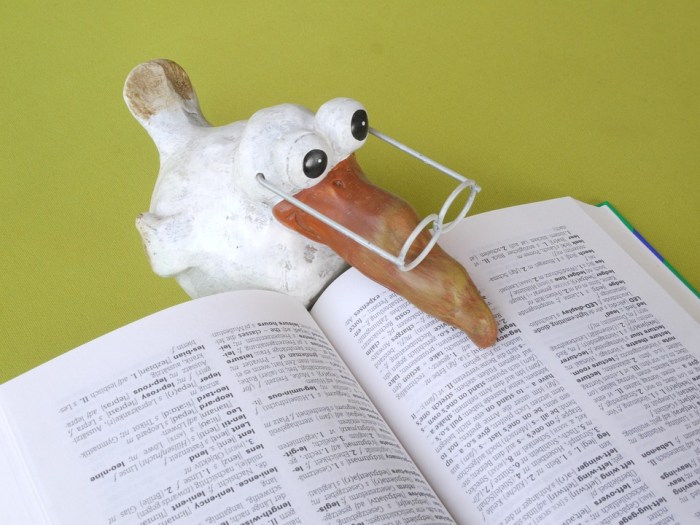
Learning a new language, like Punjabi, requires dedication and strategic planning. Effective strategies can significantly boost your learning progress and make the journey more enjoyable. This section delves into proven methods for mastering Punjabi, from active recall to personalized learning plans.Effective learning strategies go beyond simply memorizing vocabulary and grammar rules. They involve actively engaging with the language, connecting new information to existing knowledge, and adapting to your individual learning style.
By implementing these strategies, you’ll not only accelerate your progress but also develop a deeper understanding and appreciation for the Punjabi language.
Active Recall and Spaced Repetition
Active recall, a powerful technique, involves retrieving information from memory without looking at the source. This method strengthens memory retention by forcing your brain to work harder to retrieve the information. Spaced repetition, a related technique, involves revisiting material at increasing intervals. This strategy leverages the psychological principle of the “forgetting curve,” ensuring you retain knowledge over time.
For example, if you’re learning a new Punjabi verb, actively try to recall its meaning and conjugation pattern before checking your notes.
Flashcards and Anki
Flashcards are a time-tested tool for vocabulary building and grammar memorization. Creating your own flashcards, with the Punjabi word on one side and its English equivalent or definition on the other, can be highly effective. Digital tools like Anki, a popular spaced repetition software, can automate this process. Anki allows you to customize the review intervals based on your learning pace, further enhancing retention.
Using Anki for Punjabi can be especially beneficial for vocabulary and sentence structures.
Learning Punjabi is a rewarding journey, opening doors to a rich culture and heritage. While delving into the intricacies of the language, I’ve also been captivated by the musical tributes, like the recent talk talk celebrated with tribute album book , showcasing the impact of artists on the music scene. Ultimately, mastering Punjabi is my focus, but these artistic expressions offer a fascinating parallel.
Personalized Learning Plans
A personalized learning plan is crucial for optimal progress. Consider your learning style, your available time, and your goals. If you’re a visual learner, incorporate images and diagrams. If you prefer auditory learning, listen to Punjabi podcasts or songs. A well-structured plan helps you stay organized and motivated, keeping you on track towards your language learning objectives.
For example, allocate specific time slots for vocabulary study, grammar practice, and conversation exercises.
Language Learning Styles
Different individuals learn in different ways. Visual learners thrive on images and diagrams, auditory learners benefit from listening to the language, and kinesthetic learners learn best through hands-on activities. Identifying your dominant learning style can help you tailor your learning methods to maximize your effectiveness. For example, if you’re a visual learner, use flashcards with images or watch Punjabi movies.
Staying Motivated
Maintaining motivation throughout the language learning journey is essential. Set realistic goals, celebrate small victories, and track your progress. Find a language partner or join a study group to stay accountable and engaged. For example, set a weekly goal to learn 10 new vocabulary words, and reward yourself for achieving it. Visualizing your progress and the eventual benefits of fluency can also help you maintain motivation.
Overcoming Common Challenges
Language learning can be challenging. One common hurdle is fear of making mistakes. Embrace mistakes as learning opportunities, and focus on continuous improvement. Another challenge is maintaining consistency. Break down your learning into smaller, manageable chunks to make it less daunting.
Remember that language learning is a marathon, not a sprint. It’s essential to be patient with yourself, acknowledge your progress, and remain persistent.
Language Learning Apps
Language learning apps offer a wide range of features to enhance your Punjabi learning experience. Here’s a brief overview of some popular apps:
- Memrise: Memrise utilizes interactive games and mnemonics to make vocabulary learning more engaging and memorable. It offers a vast library of courses for various languages.
- Duolingo: Duolingo is known for its gamified approach to language learning, with interactive lessons and exercises that make the learning process fun and accessible. It’s great for beginners, providing a structured and supportive learning environment.
- Babbel: Babbel offers a comprehensive approach to language learning, focusing on grammar and communication skills. It provides interactive lessons, personalized exercises, and real-world scenarios.
- Rosetta Stone: Rosetta Stone is known for its immersion-based approach to language learning, using multimedia content and interactive exercises to help you learn the language through practical application. It emphasizes communication from the start.
Practice and Immersion: Learn To Speak Punjabi
Actively engaging with the Punjabi language through practice and immersion is crucial for fluency. Simply studying grammar and vocabulary isn’t enough; consistent interaction and exposure are vital for internalizing the nuances of the language and developing conversational skills. This active approach allows learners to adapt to the natural flow of spoken Punjabi and gain a deeper understanding of cultural context.
The Importance of Practice
Consistent practice is key to mastering any language. Regular interaction, whether through conversation, listening to Punjabi music, or reading Punjabi literature, strengthens neural pathways associated with the language, making it easier to recall words and phrases. This regular practice, much like any skill, will significantly enhance comprehension and production abilities.
Different Ways to Practice Speaking
Finding opportunities to speak Punjabi is essential. Conversation groups, either online or in person, provide a supportive environment to practice pronunciation and fluency. Language exchange partners, whether local Punjabi speakers or those from online communities, offer personalized feedback and encouragement. Online platforms specializing in language exchange can connect learners with native speakers, facilitating meaningful conversation. Listening to Punjabi podcasts, watching Punjabi movies, and participating in Punjabi cultural events are also excellent avenues for practice.
Creating a Supportive Learning Environment
Creating a supportive learning environment is critical for sustained motivation. Surrounding oneself with Punjabi resources, such as books, music, and movies, can foster a positive learning atmosphere. Having a study buddy or mentor who is also learning the language can provide encouragement and accountability. Setting realistic goals and celebrating milestones, no matter how small, will help maintain motivation.
Immersion into a Punjabi-Speaking Community
Immersion in a Punjabi-speaking community provides an unparalleled opportunity to absorb the language and culture. Living in a Punjabi-speaking area, attending Punjabi cultural events, and engaging with Punjabi-speaking individuals are excellent strategies. Participating in community gatherings, such as festivals and religious ceremonies, provides context and authentic language use.
The Role of Cultural Understanding
Understanding the cultural context behind Punjabi phrases and expressions is crucial for effective communication. Knowing the cultural norms and values associated with the language will help avoid misunderstandings and build stronger connections with Punjabi speakers. This cultural understanding enriches the learning process, making it more engaging and meaningful.
Learning Punjabi is a fascinating journey, opening doors to a rich culture and heritage. While I’m currently immersed in the nuances of the language, I’ve also been enjoying the buzz around the unauthorized Drake documentary recently released on Netflix, Amazon, and iTunes. This unauthorized Drake documentary has certainly kept me entertained while I’m studying Punjabi phrases and vocabulary.
Hopefully, soon I’ll be able to converse in Punjabi with the same fluency as I can discuss the documentary’s impact on Drake’s career!
Practice Methods, Frequency, and Effectiveness, Learn to Speak Punjabi
| Practice Method | Frequency | Effectiveness |
|---|---|---|
| Conversation Groups (online/in-person) | 2-3 times per week | High – provides structured practice and feedback |
| Language Exchange Partners | 1-2 times per week | High – personalized feedback and tailored practice |
| Listening to Punjabi music/podcasts | Daily | Moderate – improves listening comprehension and exposure |
| Watching Punjabi movies/TV shows | Weekly | Moderate – exposure to spoken language and cultural context |
| Reading Punjabi literature | Daily/Weekly | Moderate – improves vocabulary and grammar understanding |
| Attending Punjabi cultural events | Monthly/as available | High – immersive experience and exposure to authentic language use |
Punjabi Culture and Communication

Learning a language is more than just memorizing vocabulary and grammar. It’s about understanding the culture that surrounds it. Punjabi culture, rich in tradition and warmth, significantly influences how the language is spoken and understood. This section delves into the nuances of Punjabi communication, exploring customs, traditions, and common expressions to help you navigate interactions with confidence and respect.
Cultural Context of Punjabi Language
Punjabi, a language deeply rooted in the traditions of the Punjab region, encompasses a wide array of customs and values. Hospitality is a cornerstone, with guests often treated as honored visitors. Respect for elders is paramount, demonstrated through formal language and deference. Family ties are strong, and discussions often center around family matters. The concept of “Miri Piri” (spiritual and worldly leadership) is also significant, shaping the ethical and moral compass of the community.
Common Phrases and Expressions
Punjabi is brimming with colorful expressions that reflect the culture’s wit and warmth. These phrases often carry layers of meaning beyond their literal translation, requiring cultural sensitivity to understand fully.
- “Sadda Baap” (Our Father): This phrase is used for an esteemed figure, not necessarily a biological father, highlighting the emphasis on lineage and respect within the community.
- “Allah Rakha” (God protect): A common phrase used as a blessing, reflecting the deep religious and spiritual values within the Punjabi culture.
- “Tuhadda Sukh” (Your well-being): A heartfelt expression, conveying concern for another’s happiness, a key aspect of Punjabi interpersonal relationships.
Greetings and Farewells
Formality and respect are key aspects of Punjabi greetings. The choice of greeting can vary based on the relationship and context.
- Formal Greetings: “Sat Sri Akal” is a common formal greeting, often used in religious or professional settings. “Aap ji kaise hain?” (How are you?) is another formal way to greet someone, particularly elders or people you don’t know well.
- Informal Greetings: “Salaam” or “Hello” are informal ways to greet someone you know well. The use of first names is common among close friends and family.
- Farewells: “Allah Hafiz” (God be with you) or “Alvida” are common farewell expressions. “Aapne jeet kar” (Hope to see you again) is a warm farewell that emphasizes a future interaction.
Nonverbal Communication
Nonverbal communication plays a vital role in Punjabi interactions. Eye contact, hand gestures, and facial expressions can convey emotions and intentions. A smile, for instance, can signify friendliness and approachability. In contrast, direct eye contact with an elder might be seen as disrespectful.
Cultural Misunderstandings
While Punjabi culture is welcoming, misunderstandings can arise due to differences in communication styles. Being aware of these potential pitfalls can help bridge cultural gaps. For instance, a direct and explicit communication style, common in some cultures, might be perceived as rude or disrespectful in a Punjabi setting.
Common Greetings, Expressions, and their Cultural Context
| Greeting/Expression | Meaning | Cultural Context |
|---|---|---|
| Sat Sri Akal | True is the Lord’s time | Formal greeting, often used in religious settings or by elders. |
| Aap ji kaise hain? | How are you? | Formal way to ask about someone’s well-being, especially to elders or strangers. |
| Salaam | Peace | Informal greeting, suitable for close friends and family. |
| Allah Rakha | God protect | Blessing, often used as a farewell or to express good wishes. |
Punjabi Pronunciation and Grammar
Punjabi, a beautiful and rich language spoken primarily in the Punjab region, boasts a unique phonetic system and grammatical structure. Understanding these aspects is crucial for effective communication and comprehension. This section delves into the specifics of Punjabi pronunciation, including the alphabet, and its grammatical structure, covering nouns, verbs, and sentence formation. We will explore practical applications, providing examples and a table summarizing key grammar rules.Punjabi, like many Indo-Aryan languages, utilizes a script based on the Gurmukhi alphabet.
Mastering the pronunciation of these letters is fundamental to accurate speech and understanding. The grammatical structure, while somewhat complex, is logical and follows patterns that can be grasped with practice.
Punjabi Alphabet and Pronunciation
The Gurmukhi script used for Punjabi employs a set of consonants and vowels. Each letter has a specific sound that needs to be accurately recognized. This section Artikels the correspondence between letters and their sounds.
- The Gurmukhi alphabet consists of 35 consonants and 10 vowels. Proper pronunciation is essential to avoid miscommunication.
- Vowels can be standalone or combined with consonants to form complex sounds.
- Consonants are often aspirated or unaspirated, and these distinctions are important for distinguishing words.
- Many consonants have multiple pronunciations depending on their position in a word or syllable. This nuance is crucial for proper pronunciation.
Grammatical Structures
Punjabi grammar follows a Subject-Object-Verb (SOV) sentence structure. The basic building blocks include nouns, verbs, and other parts of speech. Learning these elements is vital for forming grammatically correct sentences.
- Nouns in Punjabi, like in many languages, can be singular or plural. Using the correct form is critical for conveying meaning.
- Punjabi verbs have specific conjugations for different tenses and moods, adding complexity to the learning process. A comprehensive understanding of these conjugations is essential for expressing actions accurately in various contexts.
- Punjabi sentence structure is largely SOV, with the verb placed at the end of the sentence. The position of other elements like adverbs and adjectives also influences the meaning.
Punjabi Grammar Rules
The following table Artikels fundamental Punjabi grammar rules, including examples of their application.
| Rule | Description | Example |
|---|---|---|
| Noun Gender | Punjabi nouns have inherent gender, which affects verb agreement. | Larki (girl – feminine) padh rahi hai (is studying – feminine form of verb) |
| Verb Conjugation | Verbs change form based on tense, person, and number. | Mai padhta hun (I am reading – present tense, masculine) Tum padhte ho (You are reading – present tense, plural masculine) |
| Sentence Structure | Generally follows a Subject-Object-Verb (SOV) pattern. | Mera bhai ghar gaya (My brother went home)
|
Using the Punjabi Script
Mastering the Gurmukhi script is crucial for writing and understanding Punjabi. Practice writing letters, words, and sentences is essential. Understanding the script’s nuances is necessary for accurate writing and comprehension.
Properly learning the Gurmukhi script is vital for accurately representing and communicating in the Punjabi language.
Examples of Punjabi Sentences with Grammatical Analysis
- Sentence: Main Punjabi sikha raha hun (I am learning Punjabi)
Analysis: This sentence follows the SOV structure. “Main” (I) is the subject, “Punjabi” (Punjabi) is the object, and “sikha raha hun” (learning) is the verb conjugated in the present continuous tense for first person masculine singular. - Sentence: Aaj kal bahut garmi hai (It is very hot these days)
Analysis: “Aaj kal” (today/these days), “bahut” (very), “garmi” (heat), and “hai” (is) combine to express a descriptive sentence about the current weather. The sentence structure is straightforward, with the verb at the end.
Last Word
In conclusion, learning Punjabi is a rewarding experience that unlocks a deeper understanding of a rich culture and heritage. This guide has provided a comprehensive overview of the language, its resources, and strategies for success. By combining effective learning techniques with immersion and cultural understanding, you can confidently navigate the world of Punjabi communication and appreciation. Embark on this exciting journey and discover the beauty of Punjabi!