
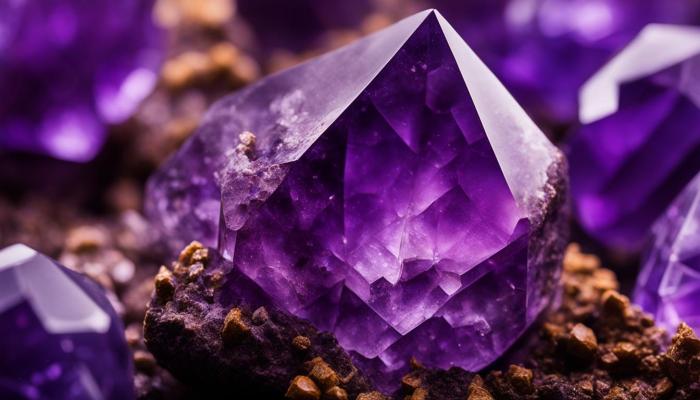
Tell if an Amethyst Is Real – a crucial question for any aspiring or seasoned collector. This guide delves into the fascinating world of amethyst identification, exploring its physical characteristics, origins, treatments, and more. We’ll uncover the secrets to spotting genuine amethysts from imitations, using gemological tools and insights into gemological reports to ensure you’re making informed choices.
From the subtle nuances in color and clarity to the intricate geological history behind each stone, we’ll equip you with the knowledge to confidently determine if that sparkling gem is the real deal. Get ready to embark on a journey of discovery, uncovering the secrets of this captivating gemstone.
Identifying Authentic Amethyst

Amethyst, with its captivating purple hues, has long been prized for its beauty and perceived healing properties. However, the abundance of imitations and treated stones in the market necessitates careful examination to distinguish genuine amethyst from fakes. This guide provides a detailed look at the physical characteristics of natural amethyst, how to spot treated stones, and how to compare it to common imitations.Authentic amethyst exhibits a wide array of purple shades, ranging from pale lavender to deep violet.
These colors are often associated with specific geological formations and locations. The intensity and distribution of the color can be a crucial clue in determining authenticity. Understanding the inherent variability of natural amethyst is key to identifying genuine specimens.
Physical Characteristics of Genuine Amethyst
Genuine amethyst typically displays a smooth, glassy luster. Its hardness, somewhere between 7 and 7.5 on the Mohs scale, means it can withstand moderate scratching. A characteristic feature of amethyst is its violet color, often associated with the presence of iron impurities in the quartz crystal structure. This coloration varies depending on the location of the deposit.
Figuring out if an amethyst is genuine can be tricky, but luckily there are some telltale signs. Meanwhile, did you hear about Kanye West’s recent fashion show, where he debuted “Wolves” featuring Sia and Vic Mensa? This impressive event aside, a real amethyst will typically have a vibrant, consistent color, and a smooth, somewhat glassy surface.
Checking for any cracks or inclusions can also help you determine authenticity.
The presence of inclusions, tiny imperfections like bubbles or mineral crystals, is another characteristic. These inclusions are often unique to a specific amethyst origin.
Distinguishing Natural from Treated Amethyst
Many amethyst specimens are subjected to heat treatments to enhance their color. These treatments can significantly alter the stone’s appearance, making it more appealing but also obscuring its natural characteristics. Heat treatment can intensify or change the color from a pale lavender to a more vibrant, saturated purple. Sometimes, a stone might be subjected to more than one treatment, which can further complicate the identification process.
Careful examination is necessary to discern whether a stone has been treated.
Methods of Amethyst Treatment
Amethyst can be treated in various ways. A common method involves heating the amethyst to a specific temperature, which can either intensify its existing color or induce a color change. Other treatments may involve irradiation, which can cause color changes by bombarding the stone with radiation. These processes alter the internal structure of the stone, potentially affecting its durability and other characteristics.
Comparing Amethyst to Imitations
Imitation amethysts are often created using various materials, such as glass or resin. These imitations can mimic the appearance of amethyst, making them challenging to identify without careful examination. Imitations lack the natural inclusions and internal structure found in genuine amethyst. The lack of a smooth, glassy luster is also a telltale sign of an imitation. The hardness of an imitation is also significantly lower than that of a genuine amethyst.
Visual Cues of Possible Imitation
A lack of translucency or a presence of visible striations or bubbles are strong indicators of an imitation. Inclusions are usually a characteristic of the natural amethyst, while an imitation lacks these. A noticeable lack of internal structure and the presence of a glossy or plastic-like surface are also signs that a stone may not be genuine. The presence of a synthetic, unnatural sheen or a noticeably uniform color across the entire stone could suggest it’s not natural.
Identifying Features
| Feature | Genuine Amethyst | Imitation | Explanation |
|---|---|---|---|
| Color | Variable purple shades, often with a slight gradation | Uniform, intense, or unnatural color | Natural amethyst displays variations in color intensity. Imitations often have a consistent color. |
| Luster | Smooth, glassy luster | Glossy, plastic-like, or dull | Genuine amethyst has a natural, smooth, glassy surface. Imitations may have an artificial sheen. |
| Inclusions | Presence of natural inclusions (bubbles, crystals) | Absence or artificial inclusions | Genuine amethyst has natural imperfections. Imitations lack these or have artificially introduced ones. |
| Hardness | 7-7.5 on Mohs scale | Significantly lower hardness | Genuine amethyst is relatively hard. Imitations are softer and can be scratched easily. |
| Transparency | Translucent to opaque | Often opaque or with visible striations | Natural amethyst can vary in transparency. Imitations often lack translucency. |
Evaluating Cut and Carat
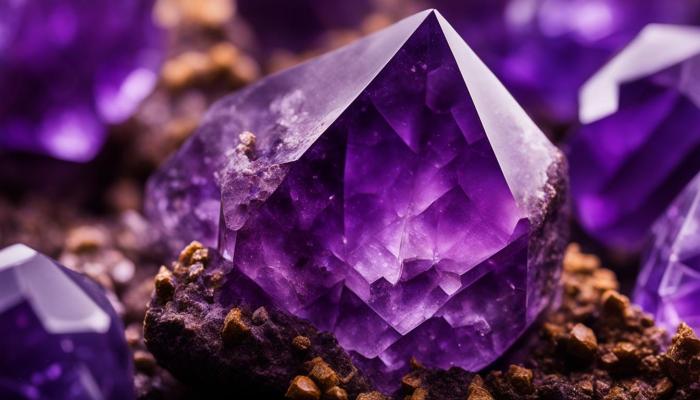
Beyond the inherent beauty of amethyst’s color and clarity, its cut and carat weight significantly impact its value and overall appeal. A well-executed cut enhances the stone’s brilliance and sparkle, while a poorly cut stone can appear dull or lifeless, regardless of its color or clarity. Carat weight, though not always a sole determinant of value, plays a critical role in the stone’s perceived size and desirability.Understanding how cut and carat affect amethyst’s value is crucial for both collectors and buyers.
Careful evaluation of these aspects allows for a more informed purchasing decision, ensuring that the amethyst aligns with individual preferences and financial considerations. A well-cut, high-carat amethyst will typically command a higher price than a poorly cut or smaller specimen.
Cut Evaluation
Amethyst cut directly influences its visual appeal and brilliance. A well-executed cut maximizes light reflection and dispersion, enhancing the stone’s sparkle and overall aesthetic quality. Several factors contribute to a high-quality cut, including the symmetry, polish, and proportions of the facets.Determining a well-executed cut involves a careful examination of the stone’s facets. The facets should be precisely shaped and evenly distributed, creating a harmonious and balanced appearance.
Uneven facets, misaligned edges, or noticeable inclusions in the cut can significantly detract from the stone’s overall quality. A skilled jeweler can identify these flaws through close inspection and professional tools. The precision of the cut is crucial for maximizing the stone’s brilliance and minimizing the presence of imperfections. The angles and proportions of the facets need to be optimized for the specific shape and size of the amethyst.
Carat Weight Considerations
Carat weight, representing the stone’s mass, is a significant factor in determining its value. Larger carat weights often command higher prices, as they represent a greater quantity of the material. However, the overall quality of the stone, including its cut, clarity, and color, plays a vital role in determining the final price. A larger, poorly cut amethyst may not command the same value as a smaller, well-cut specimen.
A high-quality, 5-carat amethyst can fetch a much higher price than a 10-carat stone with significant flaws.
Identifying Cut Flaws
Recognizing imperfections in the cut is essential for assessing the value of an amethyst. These flaws can include uneven facets, inclusions, or missing facets. Uneven facetting can result in a dull or uneven appearance, while inclusions can create distractions and negatively impact the stone’s aesthetic appeal. Missing facets, in some cases, may also indicate a less skilled or cost-conscious manufacturing process.
Close examination under magnification, preferably by a professional gemologist, is necessary to detect such imperfections. Careful observation will reveal flaws in the cut that might otherwise be missed.
Cut Comparison Table
| Cut Type | Description | Image (Description) |
|---|---|---|
| Cabochon | A smooth, rounded, and polished surface with no facets. This style emphasizes the stone’s color and translucence. | A smooth, dome-shaped stone with a rounded surface, showcasing a deep purple hue. |
| Faceted | A precisely cut stone with many facets, maximizing light reflection and brilliance. This style emphasizes sparkle and symmetry. | A multi-faceted stone, showcasing sharp facets that reflect light brilliantly. The facets create a sparkling and symmetrical pattern. |
Examining the Origin and History
Amethyst, with its captivating purple hues, has held a special place in human history, inspiring art, jewelry, and even spiritual practices. Understanding its geological origins reveals a fascinating interplay of natural forces and provides valuable insights into evaluating its authenticity and appreciating its unique beauty. The journey from the earth’s depths to a treasured piece of jewelry is a story worth exploring.Amethyst’s formation is a testament to the intricate processes within the Earth.
These gems are formed deep within the Earth’s crust, typically within cavities of volcanic or hydrothermal veins. The process involves the slow deposition of silica, often in the presence of iron and other trace elements. The distinctive purple color arises from the presence of iron impurities, a phenomenon that is often influenced by the specific conditions of the formation environment.
The specific chemical composition and temperature gradients dictate the final color and characteristics of the resulting amethyst crystals.
Geological Processes of Amethyst Formation
The formation of amethyst crystals is a complex geological process, typically occurring in cavities within igneous or metamorphic rocks. These cavities act as reservoirs for mineral-rich fluids, which slowly cool and deposit various minerals, including quartz. The presence of iron impurities within these fluids is crucial for the characteristic purple hue of amethyst. The precise conditions, including temperature and pressure, greatly influence the crystal structure and color intensity.
Geographical Origin and Amethyst Characteristics
The geographical origin of an amethyst can significantly influence its characteristics and value. Different deposits often yield amethyst with varying shades of purple, clarity, and crystal structures. Variations in these characteristics reflect the specific geological conditions in the region of formation. For example, amethysts from Brazil are often known for their vibrant purple hues, while those from Uruguay may exhibit a more bluish or reddish tint.
Examples of Amethyst Deposits Worldwide
Numerous amethyst deposits are scattered across the globe, each with its own unique characteristics. Brazil, Uruguay, and Zambia are renowned for their large-scale amethyst mines. Other notable deposits include those found in Mexico, the USA (especially in the Black Hills of South Dakota), and parts of Europe. The distinctive characteristics of amethyst from each region contribute to its unique aesthetic appeal and market value.
Figuring out if an amethyst is genuine can be tricky, but there are some telltale signs. Beyond visual inspection, understanding how to use geometric principles like the Pythagorean Theorem can be really helpful in verifying its authenticity. Use the Pythagorean Theorem to calculate precise measurements and compare them to known amethyst properties. This helps to differentiate between real and fake amethysts.
Ultimately, a combination of visual clues and careful measurement techniques is key to identifying a genuine amethyst.
Historical Significance of Amethyst
Amethyst has held a significant place in various cultures throughout history. In ancient Greece, it was believed to protect against intoxication and enhance mental clarity. The Romans associated it with royalty and used it to adorn jewelry and religious objects. In the Middle Ages, amethyst was often used in religious settings, and it remains a popular gemstone today.
Its historical significance continues to add to its allure and cultural value.
Amethyst Origins and Associated Characteristics
| Origin | Characteristics |
|---|---|
| Brazil | Vibrant purple hues, often large crystals, high clarity |
| Uruguay | Blueish or reddish tints, sometimes with striations, high clarity |
| Zambia | Deep purple, often with inclusions, various crystal shapes |
| Mexico | Varying shades of purple, potential for complex crystal formations, good clarity |
| USA (Black Hills) | Dark purple, sometimes with banding, known for inclusion of other minerals |
| Europe | Variety of colors, small to medium sized crystals, potentially with unique geological formations |
Using Gemological Tools: Tell If An Amethyst Is Real
Unveiling the secrets of a gemstone often requires more than the naked eye. Employing specialized gemological tools allows for a deeper understanding of the stone’s characteristics, enhancing our ability to discern authenticity. These instruments are crucial for accurately evaluating the physical properties and internal structure of amethysts, differentiating them from imitations.
Refractometer Use
A refractometer measures the refractive index, a critical property of gemstones. The refractive index quantifies how light bends as it passes through a material. Amethyst exhibits a specific refractive index range. A refractometer works by shining a light beam through the stone. The angle at which the light emerges is measured and directly correlates to the refractive index.
Accurate measurement is essential for comparison against known amethyst values. Variations in refractive index can point towards synthetics or imitations. The process is relatively straightforward; a drop of liquid is placed on the refractometer’s prism, the stone is carefully positioned on top, and the reading is taken. Comparing the measured refractive index with established values for amethyst will help establish its authenticity.
Specific Gravity Measurement
Determining specific gravity is another important technique. Specific gravity represents the density of a substance relative to the density of water. Amethyst has a specific gravity value. A specific gravity scale measures the stone’s weight in air and in water. The difference in these weights is used to calculate the specific gravity.
If the measured value falls outside the expected range for amethyst, it could indicate a different material, such as a glass or synthetic imitation. By comparing the measured specific gravity with known values for amethyst, the authenticity of the stone can be confirmed or refuted. The technique involves careful weighing and meticulous data recording to ensure accurate results.
Figuring out if an amethyst is genuine can be tricky, but thankfully there are ways to tell. Learning to identify a real amethyst isn’t just about gemmology; it’s also about appreciating the beauty of the natural world. For instance, if your desk chair is sinking, consider troubleshooting it. You might find yourself surprised at how easily a seemingly simple problem like a sinking desk chair can be solved by following the guide at Fix a Sinking Desk Chair.
Ultimately, understanding the telltale signs of a real amethyst can be a rewarding experience.
UV Light Examination
Ultraviolet (UV) light is employed to detect fluorescence, a phenomenon where a material emits light in response to UV radiation. Amethyst exhibits distinctive fluorescence patterns under specific UV wavelengths. A UV lamp is used to illuminate the stone. Observing the color change or emission of light under different UV wavelengths can reveal if the stone is natural amethyst or a treated, synthetic, or imitative material.
Some materials may fluoresce in different colors under different wavelengths of UV light, making it a crucial diagnostic tool. Careful observation and recording of the fluorescence pattern are critical for analysis.
Loupe Examination
A loupe, a magnifying glass, is vital for examining the internal structure of the stone. Amethyst often contains inclusions, which are tiny imperfections or natural elements trapped within the crystal structure. The presence and nature of these inclusions are characteristic of the stone’s origin and formation. A high-powered loupe allows for the detailed observation of these internal features, such as crystals, bubbles, or other mineral inclusions.
This examination can assist in differentiating natural amethyst from imitations, which may lack such features or have differently formed inclusions. Carefully documenting the observed inclusions in a comprehensive report is essential for the evaluation.
Gemological Tools Table
| Gemological Tool | Function | Amethyst Assessment |
|---|---|---|
| Refractometer | Measures refractive index | Compares measured index to known amethyst values |
| Specific Gravity Scale | Measures density relative to water | Compares measured value to known amethyst values |
| UV Lamp | Detects fluorescence | Observes fluorescence patterns under different wavelengths |
| Loupe | Magnifies internal structure | Examines inclusions for authenticity |
Understanding Gemological Reports
Gemological reports are crucial documents for evaluating the authenticity, quality, and value of gemstones, particularly amethysts. These reports, prepared by qualified gemologists, provide detailed information about the stone’s characteristics, allowing buyers and sellers to make informed decisions. Understanding the contents of a gemological report is essential for navigating the complexities of the gemstone market.Gemological reports provide a standardized and objective assessment of a gemstone.
They are essential tools for verifying a stone’s characteristics, helping to distinguish between natural and treated specimens. This information is critical for both the buyer and the seller, enabling trust and transparency in the transaction.
Gemological Report Components
A comprehensive gemological report typically includes a detailed description of the gemstone’s physical properties, treatments, and origin. This detailed analysis ensures a transparent and accurate assessment, which is invaluable for anyone involved in the purchase or sale of amethysts.
Description of the Amethyst
This section meticulously documents the gemstone’s physical attributes. Key characteristics like color, clarity, cut, and carat weight are precisely recorded. The report may include color descriptions using standardized scales, detailed clarity observations, and precise measurements of the cut, helping to quantify and document the gem’s characteristics. Accurate descriptions are vital for comparison and evaluation.
Treatment Information
Gemological reports explicitly state if any treatments have been applied to the gemstone. This information is essential for understanding the stone’s history and potential impact on its value. For example, heat treatments are frequently applied to amethysts to enhance their color, and this is explicitly noted in the report. Understanding the treatment is key to determining the stone’s natural state.
Origin and History
This section details the geographical origin of the amethyst. This information may include specific mine locations, or geological formations. Knowing the origin often provides insights into the stone’s geological history, which can influence its value. For example, an amethyst from a rare or historically significant location may command a higher price.
Grading and Quality
Gemological reports often include a grading scale that assesses the overall quality of the amethyst. This assessment considers factors such as color intensity, clarity, and cut. The grading scale may be specific to the laboratory or institution that performed the assessment. This information helps to categorize the gem’s quality and rarity.
Example of a Gemological Report
A typical report would include:
- Gemstone Type: Amethyst
- Carat Weight: 2.50 ct
- Color: Intense Violet
- Clarity: Very Slightly Included
- Cut: Excellent
- Treatment: Heat treated
- Origin: Brazil
- Grading: Excellent
- Laboratory: Gemological Institute of America (GIA)
This example demonstrates the comprehensive nature of the information provided.
Significance of Gemological Reports
A gemological report’s findings significantly impact the evaluation of an amethyst’s authenticity and value. An accurate and detailed report enhances transparency, reducing the possibility of misrepresentation or fraud. Knowing the treatment, origin, and quality empowers buyers to make informed decisions, while ensuring that sellers receive fair market value.
Key Elements of a Gemological Report
| Section | Description |
|---|---|
| Description | Detailed physical characteristics (color, clarity, cut, carat weight). |
| Treatment | Any treatments applied (e.g., heat treatment). |
| Origin | Geographical location of origin (mine, geological formation). |
| Grading | Assessment of overall quality based on established criteria. |
| Laboratory | Institution that performed the analysis. |
Distinguishing Treatments
Amethyst, with its captivating array of colors, often undergoes various treatments to enhance its appearance and desirability. Understanding these treatments is crucial for evaluating the authenticity and value of any amethyst specimen. These treatments can significantly alter the stone’s characteristics, making accurate identification essential for both collectors and gemologists.Heat treatments, irradiation, and color enhancements are common methods used to improve the aesthetic qualities of amethyst.
Identifying these treatments requires a keen eye and a grasp of the subtle changes they induce in the stone’s properties. The following sections will delve into these processes and provide practical guidance on distinguishing natural amethysts from their treated counterparts.
Heat Treatments, Tell if an Amethyst Is Real
Heat treatments are frequently employed to improve the color and clarity of amethyst. By subjecting the stone to controlled high temperatures, color alterations can occur. For example, pale purple amethysts can be transformed into deep, vivid shades of violet or even reddish-purple through heat treatment. This process often involves careful monitoring of temperature and duration to prevent damage to the stone.
Impact on Color and Clarity
Heat treatments can dramatically alter the color saturation and tone of amethyst. Pale purple amethysts, often found in Brazil, can be heated to produce a richer, more intense violet. Additionally, heat treatment can improve the clarity of the stone by reducing internal inclusions or imperfections. However, this process does not create a new color, but rather enhances the existing color in the amethyst.
Identifying Irradiated Amethyst
Irradiation, another treatment, involves exposing the amethyst to ionizing radiation. This process can induce color changes, particularly in colorless or light-colored varieties. The resulting colors can range from pale yellows to deep browns or even dark purples. Identifying irradiated amethyst requires advanced gemological tools, such as a spectroscope, to analyze the stone’s elemental composition and detect any anomalies that suggest radiation exposure.
Distinguishing Natural and Enhanced Colors
The visual difference between naturally occurring colors and artificially enhanced ones can be subtle. Experienced gemologists employ a combination of visual inspection and advanced tools to determine the origin of the color. Natural amethysts often exhibit a more nuanced, less uniform color distribution compared to enhanced stones, which tend to have a more consistent and saturated hue.
Risks and Benefits of Treatments
Heat treatments generally do not pose a significant risk to the long-term stability of amethyst. However, certain treatments, particularly those involving strong chemicals or prolonged exposure to high temperatures, may compromise the stone’s structural integrity over time. This can affect the stone’s value. Irradiation, while altering the color, may not always be detrimental, but it can impact the long-term stability of the stone.
Comparison of Treatment Methods
| Treatment Method | Visible Effects on Amethyst | Impact on Value |
|---|---|---|
| Heat Treatment | Increased color saturation, improved clarity, possible color shift (e.g., pale purple to deep violet) | Generally positive, enhances aesthetic appeal, may increase value |
| Irradiation | Color change (e.g., colorless to brown, pale yellow to dark purple), potential for color fading or darkening | May increase or decrease value depending on the specific treatment and result |
| Color Enhancement | Change in color intensity, creation of new colors not found in nature | Can significantly impact value, often perceived as less valuable than natural stones |
Closing Notes
In conclusion, identifying genuine amethyst requires a multifaceted approach. Understanding its physical properties, geological origins, and potential treatments is key. By combining visual observation with gemological tools and reports, you can confidently distinguish between natural amethysts and imitations. This comprehensive guide has armed you with the knowledge to navigate the world of amethyst with assurance. So, go forth and confidently appreciate the beauty and value of this remarkable gemstone!