
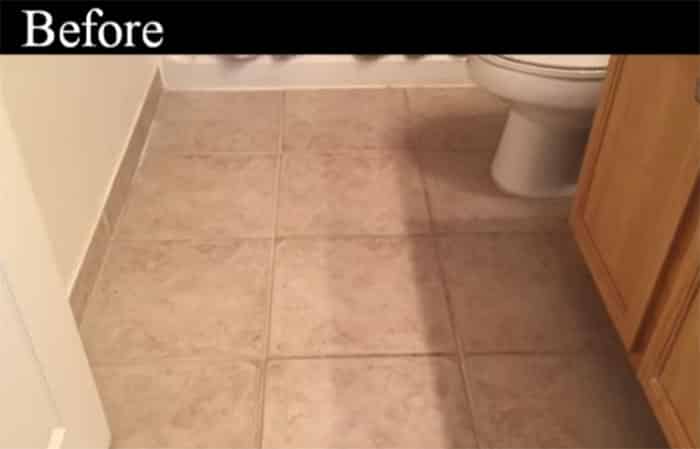
Clean Tile Floors with Vinegar is your comprehensive guide to sparkling, pristine tile floors. This natural cleaning method is not only effective but also gentler on your home and wallet. We’ll explore various tile types, compare vinegar to commercial cleaners, and show you how to get your floors gleaming without harsh chemicals.
From prepping your supplies to tackling tough stains, we’ll walk you through every step of the process. Discover how to mix the perfect cleaning solution, prioritize safety, and achieve a streak-free finish. We’ll even discuss alternative cleaning agents and vinegar variations to personalize your cleaning routine.
Introduction to Cleaning Tile Floors with Vinegar
Vinegar, a common household staple, is surprisingly effective for cleaning tile floors. Its natural acidity cuts through grime and dirt, leaving your floors sparkling clean without the harsh chemicals of commercial cleaners. This method is not only effective but also a more budget-friendly alternative.Using vinegar for tile cleaning offers a cost-effective and environmentally conscious approach. The natural cleaning power of vinegar breaks down stubborn stains and buildup, making it a worthwhile investment for maintaining a pristine tile floor.
Its affordability further enhances its appeal, making it an attractive option for homeowners looking to save money without sacrificing cleanliness.
Types of Tile Floors Suitable for Vinegar Cleaning
Vinegar is generally safe for various types of tile floors, including ceramic, porcelain, and quarry tile. However, it’s crucial to test a small, inconspicuous area first to ensure no adverse reactions occur with specific finishes or sealants.
Comparing Vinegar Cleaning with Other Methods
Using vinegar to clean tile floors offers a compelling alternative to commercial cleaners. This comparison highlights the advantages and disadvantages of each method, allowing for a well-informed choice.
| Method | Advantages | Disadvantages |
|---|---|---|
| Vinegar | Natural, cost-effective, often environmentally friendly, can be diluted for varied cleaning needs. | Potentially requires more steps for a thorough clean, may take longer to work on heavy stains compared to commercial cleaners. |
| Commercial Cleaner | Fast, often pre-mixed, usually easy to apply, generally provides a quick clean. | Potentially harsh chemicals, higher cost than vinegar, can cause damage to certain sealants over prolonged use, and some commercial cleaners can be harmful to the environment. |
Preparing for Cleaning
Before diving into the sparkling clean world of vinegar-based tile floor cleaning, meticulous preparation is key. Properly gathering your supplies and understanding the different dilution ratios ensures an effective and safe cleaning experience. This section details the necessary tools, mixing methods, and safety precautions to keep your floors gleaming and your home safe.
Essential Supplies, Clean Tile Floors with Vinegar
A successful vinegar cleaning regimen starts with the right tools. Essential supplies include white distilled vinegar, water, a spray bottle, a mop (preferably a microfiber mop for optimal absorption), and a bucket. A pair of safety glasses and good ventilation are crucial for a safe cleaning process.
Cleaning tile floors with vinegar is a surprisingly effective method. It cuts through grime and leaves a beautiful shine. Speaking of shine, I’ve heard that Dan Deacon, the experimental musician, is about to film a wild, artistic movie. Dan Deacon to shoot crazy art film This project seems like a creative explosion of sound and visuals, and I’m already curious to see how it ties into his musical style.
Regardless, I’m still sticking to my tried-and-true vinegar floor cleaning method for now!
Mixing Solutions
The potency of vinegar for cleaning tile floors lies in the correct mixture. The dilution ratio significantly impacts cleaning effectiveness and safety. Varying proportions affect the cleaning power and the potential for damage to your surfaces. Here are a few popular mixing methods:
- 1:1 Ratio (1 part vinegar to 1 part water): This solution is a good starting point, offering a balance between cleaning power and safety.
- 1:2 Ratio (1 part vinegar to 2 parts water): This ratio is ideal for lightly soiled surfaces or when you want a milder cleaning solution.
- 1:3 Ratio (1 part vinegar to 3 parts water): A less concentrated solution is perfect for regular maintenance cleaning or when you have particularly delicate tile floors.
Safety Precautions
Vinegar, while effective, can be potent. Taking precautions safeguards your health and prevents damage to your surfaces. Ensuring adequate ventilation is crucial when using vinegar, as the fumes can be irritating. Always wear safety glasses to protect your eyes from splashes or irritants.
Cleaning tile floors with vinegar is a surprisingly effective method, leaving them sparkling. However, it seems like some things are better left un-cleaned, like the financial world; the SEC just charged DJ Khaled with anti-touting violations for promoting Bitcoin for pay, as reported here. Regardless, a good vinegar solution is still a great way to keep your floors gleaming.
Preparing the Cleaning Solution
Following a step-by-step process for preparing the cleaning solution ensures optimal cleaning power and safety. Here’s a guide:
- Fill your bucket with the appropriate amount of water, according to your chosen dilution ratio.
- Pour the measured amount of white distilled vinegar into the bucket with the water.
- Stir gently to ensure the vinegar is fully dissolved and the solution is well-mixed. Avoid vigorous stirring to prevent splashing.
- Pour the solution into your spray bottle for easy application.
- Always test the solution on an inconspicuous area of the tile floor to ensure there are no adverse reactions.
Alternative Cleaning Agents
While vinegar is a powerful cleaning agent, incorporating other products can enhance its effectiveness and versatility. Adding a few drops of dish soap or a small amount of baking soda can boost the cleaning power without compromising safety. These additions can effectively cut through grease and grime, providing a deeper clean.
- Dish Soap: A few drops of dish soap can help cut through grease and grime, enhancing the cleaning power of the vinegar solution.
- Baking Soda: A small amount of baking soda can be used as a scrubbing agent to remove tough stains.
- Lemon Juice: Lemon juice, like vinegar, has natural cleaning properties and can provide a fresh scent.
Cleaning Methods
Vinegar’s effectiveness in cleaning tile floors stems from its acidic nature, which helps dissolve mineral deposits and grime. Choosing the right cleaning method is crucial for achieving a sparkling result and minimizing potential damage to your tile or grout. Different methods cater to various situations and stain types, ensuring a comprehensive cleaning approach.
Applying Vinegar Solutions
Vinegar solutions are versatile and can be applied using various methods. Understanding these methods will help you tackle different types of stains and achieve optimal cleaning results.Spraying vinegar solutions onto the tile surface is a quick and efficient method for general cleaning. For larger areas, this method is often sufficient. A spray bottle filled with a diluted vinegar solution allows for even coverage and targeted application, making it ideal for removing everyday dirt and grime.Mopping is a more thorough method, especially beneficial for stubborn stains and larger areas.
A microfiber mop, or a mop with a slightly rougher texture, will help in scrubbing off dirt and grime, but use a diluted solution to avoid etching the tile surface. This method allows for more controlled application and ensures that all areas are adequately cleaned. Ensure the mop is thoroughly rinsed to prevent streaks.Scrubbing is best for heavily soiled areas or persistent stains.
Using a stiff-bristled brush or a scrubbing pad with a diluted vinegar solution can effectively remove embedded dirt and grime. Concentrate on affected areas, applying gentle pressure to prevent scratching the tile.
Cleaning Different Stain Types
Various types of stains require tailored cleaning approaches. Using vinegar effectively often involves adjusting the cleaning method and solution concentration to tackle the specific stain.For greasy stains, a more concentrated vinegar solution might be needed. Applying the solution directly to the stain and gently scrubbing with a stiff-bristled brush can help lift the grease. For stubborn grease, consider letting the vinegar solution sit for a few minutes before scrubbing.For water-based stains, a diluted vinegar solution is often sufficient.
Spraying or mopping the area with the solution and letting it sit for a short time can help loosen the stain. Then, gently wipe or scrub the area with a clean cloth or sponge.For hard water stains, a more concentrated vinegar solution can help. Spray the solution directly onto the affected area, let it sit for a few minutes, and then scrub gently.
If the stains are particularly stubborn, consider letting the solution sit overnight before scrubbing.
Cleaning tile floors with vinegar is a surprisingly effective method, and it’s great for those who are looking for a natural cleaning solution. But sometimes, even the most meticulously cleaned floors can’t mask underlying issues. For example, if you’re constantly struggling to focus or have trouble managing your time, you might want to consider Find Out if You Have ADHD.
Fortunately, a well-maintained cleaning routine, like the one using vinegar, can often be a helpful tool to keep a home organized, which can in turn help you manage other aspects of your life. Ultimately, a sparkling clean tile floor is a great starting point for a tidy and productive home!
Cleaning Grout Lines
Grout lines are susceptible to staining and discoloration. Proper cleaning methods are crucial to maintain the aesthetic appeal of the tile floor.A diluted vinegar solution, combined with a stiff-bristled brush or grout brush, can effectively clean grout lines. Apply the solution directly to the grout, scrub gently, and then rinse thoroughly with clean water. For particularly stubborn stains, consider using a grout cleaner specifically designed for vinegar solutions.
Mop Types
Different mop types are suitable for various cleaning needs. Choosing the right mop for your tile floor with vinegar will significantly affect the cleaning experience.Microfiber mops are excellent for general cleaning due to their ability to absorb liquids and pick up dirt. They are particularly effective when using diluted vinegar solutions as they can help prevent streaks.String mops are good for cleaning large areas quickly.
However, they might not be as effective at removing stubborn stains or getting into tight spaces. Use a diluted solution and ensure the mop is rinsed thoroughly after cleaning.Scrubbing mops are best for heavily soiled areas. Their rough texture helps to scrub off dirt and grime, making them effective for cleaning stubborn stains. Use a diluted vinegar solution and apply gentle pressure to avoid scratching the tile.
Cleaning Method Comparison
| Method | Effectiveness | Time Required |
|---|---|---|
| Spraying | Moderate | Short |
| Mopping | High | Moderate |
| Scrubbing | High | Long |
Post-Cleaning Care
Vinegar is a fantastic cleaning agent for tile floors, but proper post-cleaning care is crucial to maintaining their beauty and longevity. This step ensures that your hard work translates into a sparkling, streak-free, and odor-free result. Neglecting these steps can lead to unsightly water spots, streaks, or even damage over time.Following these post-cleaning procedures will help you achieve a truly pristine tile floor that stays clean and beautiful for years to come.
Rinsing and Drying
Thorough rinsing and drying are essential steps to prevent water spots and streaks. Standing water can leave behind mineral deposits, while uneven drying can result in unsightly streaks. Using a clean mop or sponge to remove all traces of cleaning solution and then immediately drying the floor with a clean, absorbent towel is recommended. This quick action will maintain the shine and avoid any unwanted water marks.
Preventing Water Spots and Streaks
Water spots and streaks are a common problem after cleaning with any solution, including vinegar. To minimize these issues, ensure that the floor is completely dry. If possible, use a clean, dry microfiber mop to finish the drying process. Avoid letting the floor air dry in direct sunlight, as this can accelerate drying and increase the risk of streaks.
Using a squeegee can also be an effective method to remove any remaining water quickly.
Maintaining Cleanliness Over Time
Regular maintenance with diluted vinegar solutions is key to keeping tile floors clean. A weekly or bi-weekly cleaning with a diluted solution will prevent dirt and grime buildup. This proactive approach will reduce the need for more intense cleanings and keep your floors in optimal condition. Use a damp mop or sponge, then thoroughly dry to avoid the buildup of residue.
Addressing Discoloration or Damage
Discoloration or damage can sometimes occur, particularly if the vinegar solution isn’t properly diluted or if the floor isn’t thoroughly rinsed. If discoloration appears, try a gentle scrub with a soft-bristled brush and a clean, damp cloth. If the issue persists, it’s best to consult a professional cleaning service for specific advice and solutions. Avoid harsh scrubbing or abrasive cleaners, as this can damage the tile’s surface.
Preventing Vinegar Odors
Vinegar, while effective, can sometimes leave a lingering odor. To minimize this, ensure that you thoroughly rinse the floor to remove any remaining vinegar solution. Open windows or use fans to air out the room after cleaning to accelerate the dissipation of the smell. For particularly stubborn odors, consider using a mild baking soda paste, followed by a final rinse with water.
This combination can effectively neutralize the vinegar scent.
Troubleshooting Vinegar Tile Floor Cleaning: Clean Tile Floors With Vinegar
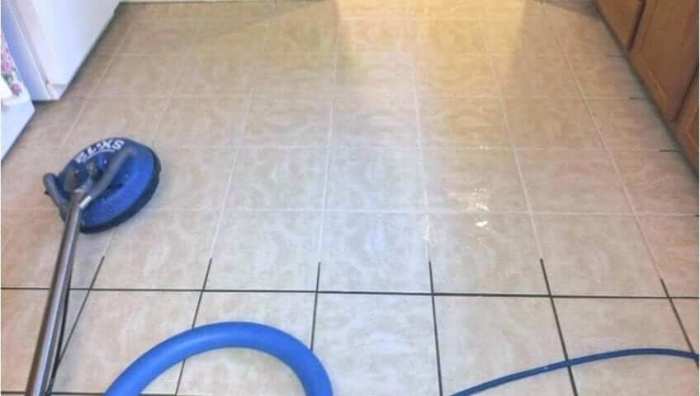
Vinegar, a versatile cleaning agent, can sometimes lead to unexpected results when used on tile floors. Understanding potential problems and their solutions is crucial for achieving a sparkling, streak-free finish. This section details common issues and provides effective remedies.
Common Cleaning Problems and Solutions
Vinegar’s acidic nature can sometimes react with certain tile types or sealants, causing issues like streaks, discoloration, or damage. Careful consideration of your tile type and the cleaning process is essential to prevent these problems.
- Streaking: Vinegar solutions, if not properly rinsed, can leave behind streaks. Ensure thorough rinsing and drying of the floor to eliminate these unsightly marks. Using a microfiber mop, especially for the final drying phase, is highly effective. For particularly stubborn streaks, consider a gentle scrub with a clean, damp cloth, followed by a final rinse and thorough drying.
- Discoloration: Certain tile types, especially those with porous surfaces or weak sealants, may experience discoloration after prolonged exposure to vinegar. Test a small, inconspicuous area first to check for discoloration before applying the solution to the entire floor. If discoloration occurs, discontinue use and consult a professional cleaner.
- Damage to Sealant: Some sealants are not compatible with vinegar’s acidity. This can lead to the sealant’s degradation, causing the tile to become more susceptible to staining and damage. Before using a vinegar solution, test it on a small, hidden area of your tile to assess its effect on the sealant.
Stain Removal with Vinegar
Vinegar’s cleaning power extends to removing various stains. However, it’s crucial to identify the stain’s source to determine the most effective cleaning method.
- Water-Based Stains: For stains like water spots or spills, a diluted vinegar solution can be very effective. Apply the solution, let it sit for a few minutes, and then rinse thoroughly. This is generally safe for most tile types.
- Food Stains: For stubborn food stains, a combination of vinegar and baking soda can be a powerful solution. Mix a paste of baking soda and vinegar, apply it to the stain, let it sit for a few minutes, and then scrub gently with a soft brush before rinsing.
- Grease and Oil Stains: For grease or oil stains, a more concentrated vinegar solution can be used. Apply the solution, let it sit for 15 minutes, and then scrub gently before rinsing. Ensure to blot up excess grease or oil before applying the solution.
Handling Vinegar Reactions
Some situations might lead to unwanted reactions from vinegar solutions. Always test a small, inconspicuous area first.
- Unexpected Discoloration: If the tile shows any unexpected discoloration, immediately stop the cleaning process. Rinse the area thoroughly and consult a professional cleaner.
- Damage to Sealant: If you notice damage to the sealant, discontinue use of vinegar-based solutions. Consider professional cleaning services to address the damage.
Frequently Asked Questions (FAQs)
- Can vinegar damage my tile floors? Vinegar’s acidity can damage some tile types, especially those with weak sealants. Always test a small area first.
- How do I remove stubborn stains with vinegar? A paste of baking soda and vinegar can be effective for stubborn stains. Apply the paste, let it sit, and then gently scrub before rinsing.
- What if vinegar leaves streaks on my tile? Thorough rinsing and drying is crucial. Consider using a microfiber mop for the final drying.
Alternatives and Variations
Vinegar, while a powerful natural cleaner, isn’t the only option for sparkling tile floors. Exploring alternatives and variations allows you to tailor your cleaning routine to specific needs and preferences, while ensuring the best results for your particular tile type and level of soiling. This section will delve into various complementary cleaning solutions and their applications.Different cleaning solutions, when used in conjunction with vinegar, can amplify its effectiveness and address unique cleaning challenges.
Combining vinegar with other natural cleaning agents, or adjusting vinegar concentrations, can significantly impact the cleaning power and efficiency of your tile floor routine.
Alternative Cleaning Solutions
Combining vinegar with other natural cleaning agents can enhance its effectiveness. Baking soda, for example, is a fantastic abrasive for removing stubborn stains and dirt. A paste of baking soda and water can be used to scrub away tough grime, while still benefiting from the disinfecting and deodorizing properties of vinegar. Castile soap, another natural cleaner, can effectively cut through grease and oil buildup, acting as a powerful degreaser.
When used in conjunction with vinegar, it can create a powerful combination for tackling heavy-duty soiling.
Vinegar Concentration Variations
The effectiveness of vinegar depends on the concentration used. A 50/50 mixture of vinegar and water is a common and generally effective solution. However, for particularly stubborn stains, a higher concentration of vinegar may be required. For example, for removing tough mineral deposits, a slightly stronger vinegar solution (around 75% vinegar and 25% water) might be more effective.
Conversely, for everyday cleaning, a more diluted solution is often sufficient and less likely to damage delicate finishes. It’s important to test a small, inconspicuous area first to assess the impact on the tile’s finish before applying a higher concentration.
Natural Cleaning Agents
Beyond vinegar and baking soda, other natural cleaning agents can complement your tile cleaning routine. Lemon juice, with its acidity, is a great alternative for brightening and deodorizing, and can help cut through grease. Borax, a mineral, is a powerful cleaning agent known for its disinfecting properties and stain-removing capabilities. A small amount of borax can be added to a vinegar solution for increased cleaning power.
Remember to always test any new cleaning agent in a hidden area before applying it to the entire floor.
Tile Type Considerations
Different tile types respond differently to cleaning solutions. Polished tiles, for instance, require a gentler approach to avoid scratching. Using a microfiber cloth and a diluted vinegar solution is ideal for polished tiles, preventing damage to the smooth surface. Textured tiles, on the other hand, can handle a slightly more abrasive cleaning method. A paste of baking soda and water, combined with a diluted vinegar solution, can effectively remove dirt from the textured surfaces without causing damage.
Always choose a cleaning method that aligns with the specific type of tile you have.
Soiling Level Adjustments
The cleaning method should be adapted to the level of soiling on the tile floor. For everyday cleaning, a diluted vinegar solution and a microfiber cloth are sufficient. For more substantial soiling, such as after a spill or heavy use, a combination of baking soda paste and a diluted vinegar solution can effectively tackle the dirt. For particularly stubborn stains, consider a slightly higher concentration of vinegar, but always test on a small, hidden area first to avoid any damage.
Last Recap
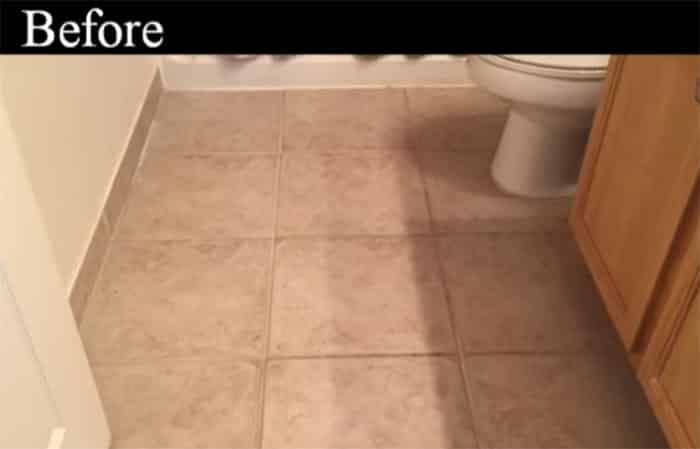
So, ditch the harsh chemicals and embrace the power of vinegar for your tile floors. This guide provides a simple, safe, and effective way to achieve a spotless shine. Follow these steps, troubleshoot any issues, and enjoy the beauty of clean tile floors for years to come. Remember, a little elbow grease and the right techniques can transform your home’s aesthetic!