
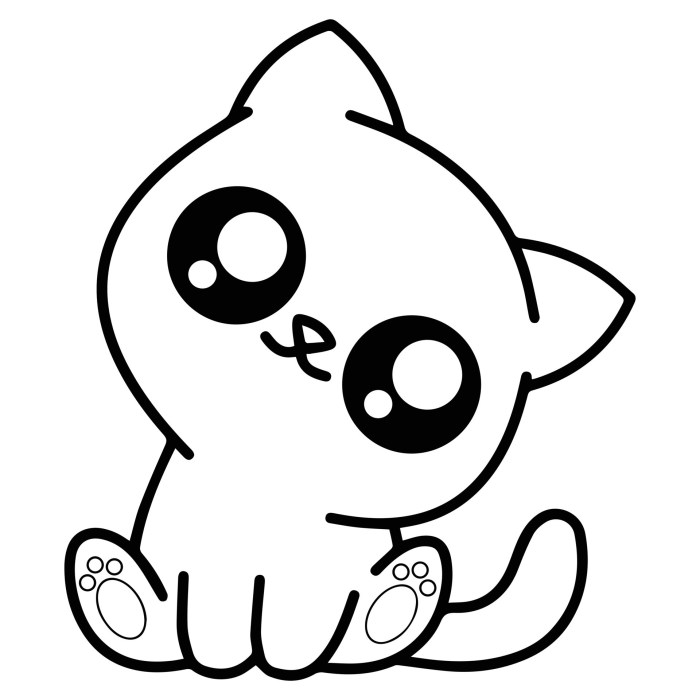
Color in a Coloring Book opens a fascinating world of creativity and self-expression. From the historical evolution of coloring book styles to the psychology of color, we’ll explore the intricate relationship between hues and human emotion. Discover how different color palettes influence creativity and relaxation, and explore the diverse world of coloring book designs and activities.
This journey delves into the past, examining the historical context of coloring books and their cultural impact. We’ll also explore various types of coloring books, from animal designs to intricate landscapes, and analyze how different age groups are catered to. The psychology of color and its effect on mood, creativity, and focus will be a key element, highlighting how color combinations can stimulate various emotions and encourage self-expression.
Historical Context of Coloring Books
Coloring books, seemingly simple, hold a rich history interwoven with societal shifts, artistic trends, and evolving pedagogical approaches. Their evolution reflects broader cultural values and the changing understanding of childhood development. From rudimentary designs to complex illustrations, coloring books have been more than just a pastime; they’ve been a vital tool for learning and self-expression.Early coloring books were often associated with educational purposes, designed to teach children about the world around them.
This focus shifted over time as societal views on childhood and education evolved. Coloring books, initially a tool for rote learning, became an avenue for creativity and self-expression, gradually becoming a beloved activity for children across generations.
Timeline of Coloring Book Development
Coloring books, as we know them, emerged from various influences and practices, transforming over time to reflect changing social norms and artistic sensibilities. The initial forms were often simplistic, serving as instructional tools or educational aids. A timeline showcases these transformations.
- Early 19th Century: Early coloring books frequently featured illustrations of common objects or scenes, such as animals, fruits, and everyday items. These served a practical purpose in teaching children about their surroundings and fostering early literacy. Often, these early designs were simple Artikels, encouraging basic color recognition and rudimentary drawing skills.
- Late 19th and Early 20th Century: The development of more sophisticated printing techniques led to greater detail and complexity in coloring book illustrations. Themes broadened to include historical events, fairy tales, and religious imagery. This period saw a growing recognition of coloring books as an engaging form of entertainment and self-expression.
- Mid-20th Century: The rise of mass production and readily available materials like colored pencils and crayons further popularized coloring books. Themes diversified, including popular culture icons, cartoons, and characters from popular children’s literature. The inclusion of these relatable figures further enhanced the appeal and utility of coloring books.
- Late 20th and Early 21st Century: With the advent of digital technology, coloring books experienced a resurgence in popularity, with a greater focus on intricate designs and detailed illustrations. The emergence of adult coloring books further broadened the appeal, demonstrating that coloring could be a therapeutic and relaxing activity for individuals of all ages.
Evolution of Color Palettes
The colors used in coloring books have evolved significantly over time, reflecting societal preferences and technological advancements. The range and intensity of colors available have greatly increased, impacting the visual appeal and the messages conveyed in coloring books.
- Early coloring books typically utilized limited color palettes, often restricted to a few primary or secondary colors. This was largely due to the printing technology and availability of dyes and pigments. The color choices often served a practical function, such as distinguishing between different objects or characters.
- The introduction of new printing methods and readily available coloring materials allowed for a wider array of colors to be used in coloring books. This expanded palette significantly influenced the aesthetic appeal of the illustrations and permitted more nuanced and detailed portrayals of the subjects depicted.
- Modern coloring books demonstrate a broader spectrum of colors, with a greater emphasis on vibrancy and saturation. These modern palettes reflect contemporary artistic preferences and provide a wider range of options for children to express their creativity.
Social and Cultural Influences
Coloring books, throughout their history, have reflected the prevailing social and cultural values of their time. The images and themes presented often reflect the societal norms and popular culture of the era.
- In the early 20th century, coloring books often featured illustrations that reinforced traditional gender roles. For instance, illustrations might portray girls engaged in domestic activities, while boys were often depicted in outdoor settings or participating in sports. This reflected the prevalent societal expectations of the time.
- During periods of social and political change, coloring books frequently reflected these shifts. For example, images that promoted racial harmony and diversity emerged as part of a growing effort to address social inequalities. Coloring books became a powerful tool for conveying social messages.
- Contemporary coloring books showcase a wide array of subjects, reflecting a more diverse and inclusive society. The inclusion of characters and scenes that represent a broad spectrum of cultural backgrounds and identities reflects a greater acceptance of diversity.
Role in Children’s Development
Coloring books have played a significant role in children’s development across different eras. The activity fosters creativity, fine motor skills, and color recognition.
- Early coloring books, particularly those with simple illustrations, promoted early cognitive development, helping children understand shapes, colors, and basic concepts. The process of coloring also fostered fine motor skills, strengthening hand-eye coordination and dexterity.
- More complex coloring books, featuring intricate illustrations and detailed themes, stimulated imagination and creativity. These coloring books fostered a child’s ability to interpret the images and engage in creative expression, which is essential for their development.
- Coloring books are still used in contemporary settings to foster self-expression, promote creativity, and enhance concentration and focus. The activity offers a calming and engaging way for children to interact with their imagination.
Types of Coloring Books
Coloring books have evolved far beyond simple sheets of blank paper. They now cater to a wide range of interests and age groups, offering diverse artistic experiences. This exploration delves into the various categories, highlighting the distinctions between books targeted at children and adults, and examining the creative styles and materials employed.
Subject Matter Categories
Coloring books encompass a vast array of themes. From whimsical characters to intricate landscapes, each category provides a unique artistic outlet. The subject matter directly influences the style and complexity of the designs.
- Animal Coloring Books: These books often feature realistic depictions of animals, from majestic lions to tiny insects. They can also include stylized or cartoonish representations, appealing to a broad range of ages. The detail level varies considerably, from simple Artikels to complex anatomical drawings, reflecting the intended audience and artistic skill.
- Character Coloring Books: These books center around popular characters from movies, television shows, or books. They often feature recognizable designs and vibrant colors, stimulating imagination and fostering familiarity with the characters. The design complexity depends on the character’s complexity. For instance, a simple cartoon character will have a simpler design than a detailed comic book character.
- Landscape Coloring Books: These books focus on natural scenes, including mountains, forests, oceans, and cityscapes. The focus is often on intricate details and textures, providing opportunities for artistic interpretation and creating unique color palettes.
- Abstract Coloring Books: These books often use abstract patterns, shapes, and designs. They offer a unique opportunity for experimenting with colors and color combinations without the constraints of specific subject matter. They often appeal to individuals seeking a more open-ended creative process.
Age Group Considerations
The design and complexity of coloring books often align with the intended age group. Children’s books generally feature simpler designs and larger spaces for coloring, while adult books frequently incorporate intricate patterns and detailed illustrations.
- Children’s Coloring Books: These books prioritize large, clear images, often with bold lines and bright colors. They often feature popular characters and simple designs to foster creativity and engagement in young children. They also focus on developing fine motor skills.
- Adult Coloring Books: Adult coloring books typically include more intricate patterns and detailed images. They are designed to provide a relaxing and therapeutic activity, promoting mindfulness and stress reduction. They can be complex, including intricate designs or patterns. This intricacy is appealing to the mature artist looking for a complex design.
Artistic Styles and Techniques
The artistic style and techniques employed in coloring books vary widely. Some books showcase realistic renderings, while others feature stylized or abstract designs.
Coloring books, aren’t they just so relaxing? Picking the perfect shade for a whimsical creature or a bold landscape can be surprisingly meditative. Recently, I was watching Lil B’s fascinating interview on MSNBC with Michael Eric Dyson, where he passionately discussed his support for Bernie Sanders. Lil B’s talk reminded me of how vibrant and expressive color can be, a lot like the diverse array of political viewpoints out there.
Getting lost in the colors of a coloring book is a great way to escape and find a little peace, just like how finding a common ground in discussion can help connect us in a better way.
- Realistic Illustrations: These illustrations strive for accuracy in portraying the subject matter, with attention to detail and anatomical accuracy. This is especially apparent in animal and landscape coloring books. The realistic style demands a precise approach, requiring the colorist to closely follow the line work and details of the image.
- Stylized and Cartoonish Designs: These designs often feature exaggerated features, simplified shapes, and vibrant colors. They are common in character-themed coloring books and appeal to a broader audience, including children and adults.
- Abstract and Geometric Designs: These books provide a blank canvas for exploration, featuring abstract patterns and geometric shapes. They encourage experimentation with color combinations and allow for a more personal artistic expression.
Materials Used in Coloring Books
The materials used in coloring books significantly influence the coloring experience. Different paper types and ink types impact the final look and feel of the coloring book.
| Material | Description | Impact on Coloring |
|---|---|---|
| Paper Type | Variety of papers, including coated, uncoated, or specialty papers. | Coated papers provide a smoother surface for coloring, while uncoated papers offer a more textured feel. |
| Ink Type | Colored pencils, crayons, markers, or gel pens. | Different inks have varying properties, including opacity, vibrancy, and blending capabilities. |
Color Psychology and Coloring Books
Color plays a significant role in our lives, influencing our emotions, moods, and even our perceptions. Understanding the psychology of color is crucial when considering how coloring books affect children’s development and engagement. The carefully chosen colors in these books can evoke specific feelings and encourage creativity and focus.Color psychology explores the complex relationship between colors and human responses.
Different colors are associated with different emotions and can stimulate various psychological reactions. These effects are often culturally influenced and learned, but fundamental responses are often shared across societies. This makes understanding color psychology essential for designing coloring books that are both aesthetically pleasing and developmentally supportive for children.
Coloring books are a fantastic way to unwind and express yourself creatively. The vibrant hues and intricate patterns are captivating. And sometimes, a little musical inspiration can help you get lost in the colors. For instance, while coloring, I was reminded of Listen Beck’s captivating cover of John Lennon’s “Love for Starbucks compilation” listen beck covers john lennons love for starbucks compilation.
The unexpected juxtaposition of the mellow music with the vibrant colors in my coloring book somehow perfectly complemented each other, creating a truly unique and relaxing experience. The colors in my coloring book really came alive with the soundtrack playing in the background.
Psychological Effects of Different Colors
Colors evoke diverse responses in individuals. Red, often associated with energy and excitement, can stimulate the mind and heighten activity. Blue, often linked to calmness and serenity, can promote relaxation and reduce anxiety. Yellow, often associated with happiness and optimism, can uplift spirits and create a cheerful atmosphere. Green, associated with nature and growth, often fosters a sense of peace and tranquility.
Understanding these associations helps in selecting colors for coloring books that align with desired effects.
Color Choices in Coloring Books and Emotional Evocation
The careful selection of colors in coloring books can evoke specific emotions or moods. A coloring book featuring calming blues and greens may be ideal for a child needing to relax or de-stress. Conversely, a book filled with vibrant reds and yellows might be more stimulating and appropriate for a child looking for an energetic activity. By considering the emotional responses associated with specific colors, publishers can tailor coloring books to different needs and preferences.
Color Combinations and Child’s Creativity
Color combinations in coloring books can greatly influence children’s creativity and expression. Complementary colors, such as red and green, or blue and orange, can create a dynamic and visually appealing effect. Analogous colors, such as shades of blue and purple, offer a harmonious and balanced aesthetic, allowing children to experiment with color blending and create unique visual effects.
By introducing diverse color combinations, coloring books encourage exploration and experimentation, fostering a sense of creativity and visual literacy in children.
Potential Impact of Colors on Focus and Concentration
The colors used in coloring books can also impact a child’s focus and concentration. Subdued colors, such as pastels, can create a calm and focused environment, conducive to prolonged coloring sessions. However, colors like vibrant yellows or reds, while stimulating, might prove overwhelming for some children, potentially hindering focus and concentration. A balanced approach in selecting colors for different sections of a coloring book, or varying the intensity of colors, can help children maintain focus and engagement throughout the coloring experience.
Coloring Book Activities and Methods
Unleashing creativity and finding tranquility are just two of the many benefits coloring books offer. Beyond the simple act of filling in lines, coloring books provide a rich tapestry of activities and techniques. This exploration delves into the diverse ways to engage with these seemingly simple books, from intricate designs to stress-relieving methods.
Coloring Activities
Coloring books are more than just a pastime; they are a portal to self-expression and creative exploration. Numerous activities can be undertaken with them, catering to different ages and interests. From basic coloring to complex designs, the possibilities are endless.
- Basic Coloring: This fundamental activity involves filling in Artikels with various colors, fostering fine motor skills and color recognition. Young children especially benefit from the repetitive motion and the visual stimulation of color mixing.
- Coloring by Number: This structured approach guides users through a pre-determined color scheme, enhancing color understanding and providing a sense of accomplishment. It is a particularly engaging method for children and adults alike.
- Pattern and Design Copying: This activity encourages attention to detail and repetitive patterns, potentially introducing more intricate designs. The practice of recreating patterns from a template provides a methodical approach to creating unique designs.
- Themed Coloring: This approach involves choosing a theme (e.g., animals, landscapes, or abstract designs) to guide the coloring process, fostering creativity and adding a sense of purpose to the activity.
- Coloring with Specific Media: Experimenting with different coloring tools, like colored pencils, markers, crayons, or pastels, allows for unique textural effects and exploration of different coloring techniques.
Coloring Techniques
Mastering various coloring techniques allows for a more sophisticated and engaging coloring experience. The ability to use these techniques to create intricate designs elevates the act from a simple activity to a form of artistic expression.
- Shading and Blending: Creating depth and dimension in artwork involves layering colors to create subtle transitions, which can be achieved through shading and blending. Experimenting with layering light and dark colors in different shades will enhance the realism of the picture.
- Hatching and Cross-Hatching: Hatching involves using closely spaced parallel lines to create a sense of tone and texture. Cross-hatching involves using overlapping lines to create more complex shading and depth. This technique is particularly useful for creating realistic effects in drawings.
- Stippling: Using a multitude of small dots to create different shades and tones is a great technique to try. This technique allows for a unique and detailed rendering of the image, allowing for a range of color intensities.
- Color Mixing: Understanding color theory and combining colors can lead to more interesting and complex designs. Mixing colors on the page or using a color wheel can result in unexpected and unique shades, leading to rich and vibrant illustrations.
Coloring for Relaxation and Stress Relief
Coloring can be a powerful tool for relaxation and stress reduction. The repetitive motion and focus required can be meditative, promoting a sense of calm and tranquility.
- Mindfulness and Focus: The act of coloring requires concentration on the task at hand, diverting attention from stressful thoughts and promoting mindfulness. This allows for a much-needed escape from daily pressures.
- Sensory Stimulation: The tactile experience of using coloring tools can be calming and engaging. The different textures of crayons, markers, or colored pencils can provide sensory stimulation, creating a comforting and engaging experience.
- Emotional Regulation: Coloring can be a safe and creative outlet for expressing emotions. It can be used as a tool for emotional regulation, allowing individuals to explore their feelings and process them in a healthy and creative way.
Creating a Coloring Page
This step-by-step guide provides a framework for creating a unique coloring page.
- Concept and Design: Start with a concept or theme. Sketch a basic Artikel or design that can be easily colored.
- Digital or Physical Creation: Select a medium (digital or physical) to create the coloring page. Digital tools offer flexibility and ease of editing, while physical mediums like paper or cardstock allow for tactile exploration.
- Artikel and Detailing: Create clear and distinct Artikels for the various elements of the design. Add details as needed, ensuring they are simple enough for coloring while maintaining aesthetic appeal.
- Color Palette Selection: Choose a color palette that complements the design and reflects the desired mood. Consider the colors’ symbolic meanings, and use them in a way that enhances the overall message.
- Finalization and Printing: Once the design is complete, finalize the coloring page by adjusting the details and ensuring the design is visually appealing. If physical, print it; if digital, prepare it for printing or sharing.
Creative Expression and Coloring
Unleashing imagination and fostering self-expression are key benefits of coloring books, particularly for children. Coloring transcends the simple act of filling in lines; it becomes a powerful tool for exploring emotions, developing fine motor skills, and nurturing a love for creativity. The act of choosing colors, blending hues, and filling in spaces can be a deeply satisfying and personal experience, leading to a stronger sense of self.Coloring books are more than just a pastime; they’re a canvas for self-discovery.
The act of creating with crayons, colored pencils, or markers allows children to translate internal thoughts and feelings into tangible forms. This process fosters a deeper understanding of their own creativity and emotional landscapes. The freedom to explore color combinations and design unique patterns cultivates a sense of ownership and pride in their artistic endeavors.
Color Choices and Personal Expression
Children often possess a unique and personal connection to color. Allowing children to select their own colors fosters a sense of ownership and encourages their individuality. A child’s color preferences can reflect their mood, personality, and even their current interests. A vibrant shade of blue might signify calmness, while a fiery orange might represent energy or excitement.
Encouraging children to connect with their color choices is an important step in promoting their self-expression.
Encouraging Creative Exploration
Coloring books offer a safe and supportive environment for children to experiment with color and design. There are many approaches to encourage creative exploration through coloring. One method is to provide a variety of coloring tools, from crayons to colored pencils, to spark different visual effects. Another approach is to suggest themes for coloring, such as nature scenes, abstract patterns, or characters from their favorite books or movies.
This can spark inspiration and allow children to explore different styles and ideas.
Coloring Activities and Methods
Beyond simply filling in lines, numerous coloring activities can further enhance creativity. Creating a coloring book with custom designs is an excellent approach. Children can collaborate on designs, which can lead to a deeper understanding of others’ creative processes and an increased interest in working together. This collaborative process can spark new ideas and styles.Another way to stimulate creativity is to provide prompts for coloring, like “color a picture of a happy tree” or “create a landscape inspired by your favorite season.” These prompts encourage a specific theme, allowing children to explore that theme through their chosen colors and patterns.
| Activity | Description | Benefits |
|---|---|---|
| Coloring with different mediums | Experimenting with crayons, colored pencils, markers, or even watercolor paints. | Develops a broader understanding of color mixing, blending, and application. |
| Themed coloring | Focusing on a specific theme (e.g., animals, fantasy creatures, abstract patterns). | Encourages exploration of different styles and ideas. |
| Collaborative coloring | Working together on a single coloring page or creating a collaborative book. | Develops social skills and encourages creativity through shared ideas. |
“Coloring books are a powerful tool for self-expression, allowing children to translate their inner world into a tangible form.”
Coloring Book Design and Structure
Coloring books are more than just a pastime; they are a fascinating blend of art, design, and psychology. Understanding the structure and design principles behind a coloring book can reveal the careful consideration given to creating a satisfying and engaging experience for the user. The layout, the illustrations, and the overall aesthetic all contribute to the book’s success.
A well-designed coloring book can evoke emotions, stimulate creativity, and provide a calming or stimulating experience.The design of a coloring book page is a crucial element in the overall experience. Effective design often considers factors like accessibility, readability, and the emotional impact of the illustrations and colors.
Basic Coloring Book Page Template
A basic coloring book page template often includes a border to delineate the area for coloring, creating a sense of containment and focus. The border can be simple, like a single line, or more elaborate, such as a decorative frame. The illustrations within the border should be clear, allowing for easy coloring and a good visual experience. The image itself should be sized appropriately, taking into account the paper size and intended coloring tools.
Consideration should be given to the color palette used in the illustrations to ensure sufficient contrast with the border and to provide a suitable coloring experience. Lastly, white space is crucial, allowing for the coloring to stand out and creating a sense of balance.
Page Layout Comparison
Different types of coloring books often use varying page layouts, each with its own benefits. This table compares and contrasts common page layouts:
| Page Layout | Description | Suitable for |
|---|---|---|
| Single-page | A single page with an illustration. | Simple designs, smaller illustrations, and activities like coloring by number. |
| Double-page Spread | Two facing pages with a connected illustration. | Larger, more complex illustrations, creating a sense of continuity and visual impact. Great for intricate details and patterns. |
| Sequential Pages | Multiple connected pages that form a larger scene or story. | Creating a narrative or a series of illustrations, such as a simple comic or a step-by-step process. |
This table highlights the flexibility in page layouts, enabling creators to cater to various types of illustrations and coloring experiences.
Visual Elements in Coloring Books
Coloring books often incorporate a range of visual elements beyond the main illustration. Patterns, textures, and symbols can be used to enhance the overall visual experience and encourage creativity.
- Patterns: Repeating motifs or designs, such as geometric shapes, floral patterns, or abstract shapes, can add visual interest and complexity to the illustration. Patterns can be simple or elaborate, creating different levels of challenge and complexity for the colorist. The pattern can also create a mood or theme.
- Textures: Adding textures, like stippling, hatching, or cross-hatching, can give depth and dimension to the illustration, allowing the colorist to use different techniques and explore the interplay of light and shadow.
- Symbols: The use of symbols can add an additional layer of meaning and interpretation to the coloring experience, allowing for personal expression and potentially connecting to the illustrations.
These visual elements create a more engaging and layered coloring experience.
Significance of Illustrations and Imagery
Illustrations in coloring books are crucial for the overall success of the book. The quality of the illustrations, the style of the artwork, and the subject matter all contribute to the user’s experience. The choice of subject matter directly affects the coloring experience, and the quality of the illustration impacts the level of engagement. Consideration should be given to the age group for whom the coloring book is intended, as well as the complexity of the illustrations.
The illustrations should be well-defined, allowing for the colorist to easily and creatively engage with the image. They should also evoke emotion, encouraging creativity, or providing a calming effect.
Illustrative Examples
Coloring books are more than just a pastime; they’re a window into the creative process, a canvas for exploring color theory, and a reflection of the artist’s vision. Illustrative examples, carefully crafted, showcase the power of color to evoke emotions, tell stories, and bring fantastical worlds to life. Understanding the choices behind these illustrations can deepen our appreciation for the art form.
A Majestic Lion
A detailed illustration of a lion, rendered with rich, warm tones, exemplifies the impact of color choice. The mane, a gradient of golden ochre to burnt sienna, creates a sense of depth and volume. The lion’s fur, a mix of deep amber and sandy beige, gives a realistic texture. The artist uses a subtle interplay of light and shadow, with highlights of pale cream on the tips of the mane and the nose, to bring the animal to life.
The background, a muted olive green, draws the eye to the lion, emphasizing its regal presence. The color palette evokes feelings of strength, royalty, and the African savanna.
A Peaceful Mountain Landscape
This landscape illustration, using a cool color palette, effectively conveys a sense of serenity. The mountains, rendered in shades of periwinkle blue, slate gray, and misty lavender, create a sense of distance and vastness. The valley floor, a soft sage green, suggests lush vegetation. The sky, a gradient from pale cerulean to a hazy, almost translucent white, suggests a peaceful day.
The muted colors and soft transitions create a calm and tranquil mood, perfect for relaxation. This palette is carefully chosen to evoke feelings of peace and quiet contemplation.
A Mythical Griffin
A fantastical griffin illustration employs color symbolically. The griffin’s wings, rendered in a deep, rich sapphire blue, might symbolize wisdom, loyalty, and the celestial realm. The golden yellow of its body could represent strength, courage, and the sun’s warmth. The sharp contrast between the cool blue and the warm gold emphasizes the griffin’s dual nature, a creature of both earth and sky.
The fiery red accents on its talons and beak could represent power and aggression, while the deep indigo of its eyes suggests intelligence and mystery. Color choice, in this case, adds depth and meaning to the character’s portrayal.
A Detailed Portrait of a Horse, Color in a Coloring Book
A complex illustration of a horse, capturing its form and movement, showcases the use of shading and color to create a sense of realism. The horse’s coat, a rich chestnut brown, is not a flat color; instead, the artist uses a variety of shades to depict the play of light and shadow across its form. Darker browns and blacks are used in the areas where the horse’s muscles are most prominent, and lighter tones are used on the parts of the coat where the light hits directly.
The horse’s mane and tail are rendered with a similar gradient, creating a sense of volume and texture. The background, with subtle shading and muted colors, helps to focus the viewer’s attention on the horse. The detailed rendering and subtle gradations in color create a sense of depth and realism.
Color Combinations and Effects
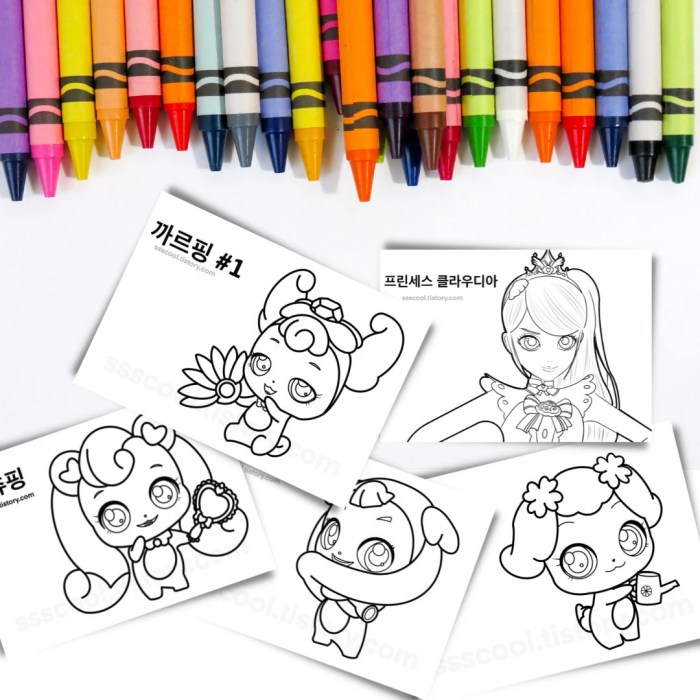
Color combinations in coloring books are more than just aesthetics; they powerfully influence the emotional response and overall experience of the coloring activity. Careful selection of color palettes can create a sense of tranquility, energize the mood, or evoke specific feelings, transforming the simple act of coloring into a deeper, more meaningful experience. Understanding these effects allows creators to tailor their designs to evoke desired responses in their audience.Color psychology plays a crucial role in coloring book design.
Different color combinations can evoke a wide spectrum of emotions and sensations, influencing the overall feeling and impact of the coloring experience. By understanding these psychological effects, designers can leverage color to enhance the coloring experience, catering to specific moods or therapeutic goals.
Coloring books are a surprisingly therapeutic way to unwind. The vibrant hues and intricate patterns can be a real escape, almost like watching a thrilling sci-fi movie. For example, exploring the cinematic universe of Star Trek Beyond through an interview with Simon Pegg and Karl Urban in star trek beyond simon pegg karl urban interview might actually inspire some cool color choices in your next coloring book project.
Ultimately, the beauty of color in a coloring book is in its personal expression.
Color Combinations for Calm
Understanding color combinations that evoke a sense of calm is essential for creating coloring books that promote relaxation and stress reduction. These palettes often rely on cool tones, muted hues, and subtle gradations, fostering a soothing and peaceful atmosphere.
| Color Combination | Description |
|---|---|
| Blues and Greens | A combination of cool tones, often associated with nature and the sky, creating a sense of serenity and tranquility. |
| Lavender and Pastels | Soft, muted hues evoke a sense of gentle calmness and promote a feeling of quiet contemplation. |
| Muted Grays and Whites | Subtle variations of gray and white can create a sense of stillness and quietude, often associated with meditation and mindfulness. |
| Shades of Teal and Mint Green | These cool, muted tones can evoke a sense of calm and connection to nature, encouraging relaxation and introspection. |
Color Combinations for Energy
Color combinations that stimulate energy often use warm, vibrant hues, creating a sense of excitement and enthusiasm. These palettes can be particularly effective in children’s coloring books, inspiring creativity and focus.
| Color Combination | Description |
|---|---|
| Reds and Oranges | Vibrant, warm colors associated with energy, passion, and excitement. |
| Yellows and Pinks | Bright, cheerful colors that evoke feelings of joy, happiness, and playfulness. |
| Turquoise and Coral | A combination of cool and warm tones that creates a vibrant, energetic atmosphere. |
| Bold, contrasting colors (e.g., Red and Blue) | High-contrast combinations can stimulate the senses and enhance alertness. |
Color Combinations Representing Emotions
Color combinations can effectively represent various emotions in a coloring book, allowing the user to explore and express different feelings.
| Emotion | Typical Color Combination | Description |
|---|---|---|
| Joy | Bright, warm colors (yellow, orange, pink, red) | These colors are often associated with happiness, optimism, and excitement. |
| Sadness | Cool, muted tones (blues, purples, grays) | These colors often represent feelings of sorrow, melancholy, and introspection. |
| Fear | Dark, intense colors (deep blues, purples, blacks) | These colors can evoke a sense of unease, anxiety, and apprehension. |
| Anger | Red, orange, and shades of brown | These colors represent feelings of frustration, aggression, and tension. |
Influence on Aesthetic
The choice of color combinations directly impacts the overall aesthetic of a coloring book. A harmonious palette creates a sense of unity and balance, while contrasting colors can draw attention to specific elements or evoke a more dynamic feeling. Color palettes should be carefully considered to complement the subject matter and the intended mood of the coloring book.
Modern Trends in Coloring Books: Color In A Coloring Book
Coloring books have evolved far beyond their simple, child-focused roots. Today, they cater to a diverse range of ages and interests, reflecting broader societal trends in self-care, creativity, and personalized expression. Modern designs and subject matter push the boundaries of traditional coloring book aesthetics.
Current Trends in Coloring Book Design and Subject Matter
The market for coloring books has expanded dramatically, showcasing a move beyond simple patterns to more intricate and detailed designs. This trend is reflected in subjects ranging from intricate botanical illustrations to intricate cityscapes. Complex designs cater to a wider range of artistic abilities, allowing individuals to engage in more elaborate creative endeavors. Themes often reflect current societal interests, including nature, pop culture, and personalized illustrations, catering to hobbies and interests such as urban exploration, historical landmarks, and specific cultural designs.
Use of Digital Coloring Tools in the Coloring Book Industry
Digital coloring tools have profoundly impacted the coloring book industry. They allow for enhanced detail and precision in coloring, leading to greater artistic expression and more dynamic coloring experiences. Digital coloring books often include interactive elements, such as adjusting colors, textures, and opacity. The ease of use and customization options have made digital coloring accessible to a wider audience, encompassing various skill levels and interests.
This has also led to the integration of digital coloring books with traditional physical coloring books, providing users with a blend of tangible and digital experiences.
Integration of Interactive Elements in Modern Coloring Books
Modern coloring books are increasingly incorporating interactive elements, adding another dimension to the coloring experience. These elements can range from hidden images or patterns to puzzles or mazes integrated into the design. The integration of interactive elements provides a more engaging and stimulating experience for users, particularly those seeking a more active and immersive experience. This can include QR codes that link to additional content, such as videos or sound effects, enhancing the overall experience and providing a multi-sensory engagement.
For instance, a coloring book about animals might include a QR code that links to an audio recording of the animal’s sound.
Examples of Coloring Books Catering to Specific Interests and Hobbies
The market now features a wide array of coloring books designed for diverse interests and hobbies. This trend reflects a personalization aspect, catering to particular interests and niches.
- Nature-themed coloring books offer intricate designs of flowers, landscapes, and animals, appealing to those who appreciate nature and seek to express their creativity through nature-inspired art.
- Pop-culture-themed coloring books often feature designs of popular characters and themes from movies, TV shows, or video games, appealing to fans and collectors.
- Personalized coloring books cater to specific hobbies or interests, such as historical landmarks, specific cultural designs, or intricate cityscapes. This allows for a more personalized and niche-specific artistic exploration.
Final Wrap-Up
In conclusion, Color in a Coloring Book is a captivating exploration of the multifaceted world of these seemingly simple activities. We’ve traced the historical evolution, examined the various types, and delved into the psychology behind color choices. From intricate designs to relaxation techniques, coloring books offer a surprising depth of potential for creative expression and well-being. The diverse range of illustrations, coloring methods, and modern trends showcased underscore the enduring appeal of this beloved pastime.