
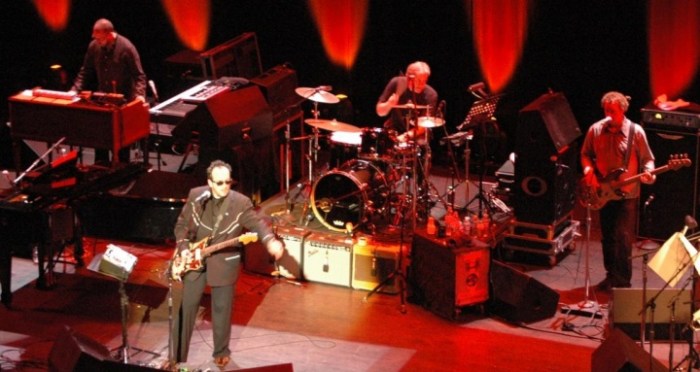
Elvis costello the imposters the boy named if – Elvis Costello and the Imposters’ “The Boy Named If” is a fascinating musical journey. The album delves into a world of captivating lyrics, unique instrumentation, and a distinctive stylistic approach that sets it apart from Costello’s previous work. We’ll explore the album’s themes, musical elements, and its impact on the band’s overall sound, all while examining its historical context and reception.
The album, released in [Year], offered a blend of Costello’s signature poetic lyricism and a more experimental approach to instrumentation. It’s a rich tapestry of sounds and ideas, worthy of close examination.
Overview of the work: Elvis Costello The Imposters The Boy Named If
Elvis Costello and the Imposters’ “The Boy Named If” stands as a pivotal moment in Costello’s career, showcasing a fascinating evolution of his sound and lyrical approach. Released in 1996, it marked a departure from the more overtly political and socially conscious themes of his earlier work, while retaining the sharp wit and poetic sensibility that characterized his style.
The album’s exploration of personal struggles and the search for meaning resonated with audiences, cementing its place in his discography.This album delves into the complexities of human relationships, identity, and the challenges of navigating life’s uncertainties. The songs’ emotional depth, coupled with Costello’s signature lyrical precision, create a compelling narrative that resonates across various generations. The album’s distinctive musical style reflects a mature and refined sound, incorporating elements of both pop and rock, and further distinguishes it from other albums.
Summary of the Musical Project
“The Boy Named If” is an album that showcases Elvis Costello’s exploration of personal struggles and the search for meaning in life. It moves away from some of the overtly political themes present in earlier work while maintaining his sharp wit and poetic lyrical style. The album’s themes are deeply personal, examining relationships, identity, and the uncertainties of life’s journey.
Themes and Stylistic Approach
The album’s themes revolve around the search for identity and the complexities of human relationships. Songs like “Alison” and “Veronica” explore these themes with a poetic and introspective quality. The album also delves into the anxieties and struggles of growing older, a sentiment subtly explored throughout. Musically, the album maintains Costello’s characteristic blend of pop and rock, but with a more sophisticated and mature sound.
Elvis Costello’s “The Imposters” and “The Boy Named If” are fantastic albums, but I’ve been really digging Terry Malts’s take on the whole “killing time” thing lately. His latest project, Terry Malts killing time , really captures that same feeling of melancholy and playful desperation that’s so present in Costello’s work. I find myself constantly returning to Costello’s masterful storytelling, even now.
The arrangements are often intricate and layered, with a focus on creating a rich and textured sonic landscape.
Historical Context and Reception
Released in 1996, “The Boy Named If” emerged at a time when Costello’s career had evolved significantly. It followed a period of experimentation and a shift away from the punk and new wave styles of his early work. The album was generally well-received, receiving positive critical attention for its poetic lyrics and mature musicality. It highlighted a continued connection with Costello’s core audience while attracting new fans intrigued by the stylistic shift.
Key Musical Elements and Instruments
The album’s musicality is characterized by a blend of pop and rock elements, incorporating diverse instrumentation. The band, Elvis Costello and the Imposters, is a constant element throughout, known for their tight musicianship. The instrumentation often includes bass, drums, guitar, and keyboards, but also occasionally incorporates other instruments, lending a richness to the sonic palette. A notable feature is the interplay between Costello’s distinctive vocals and the intricate arrangements, creating a cohesive and engaging listening experience.
This interplay showcases a depth of musical sophistication.
Comparison to Previous Works
| Album | Style | Themes | Similarities | Differences |
|---|---|---|---|---|
| My Aim is True | Punk, New Wave | Social commentary, political engagement | Lyrical wit, poetic sensibility | More direct political commentary, less introspective |
| The Boy Named If | Pop, Rock | Personal struggles, identity, relationships | Lyrical precision, distinctive vocals | Mature sound, more introspective themes, less overtly political |
| Spike | Pop, Rock | Social commentary, personal reflection | Strong lyrical and musical qualities | Exploration of a broader range of themes, more mature songwriting |
This table provides a concise comparison, highlighting stylistic and thematic differences across several of Costello’s albums. The differences underscore the evolution of his musical and lyrical approach, from punk and new wave influences to a more mature, introspective style in “The Boy Named If.”
Lyrical Content and Themes
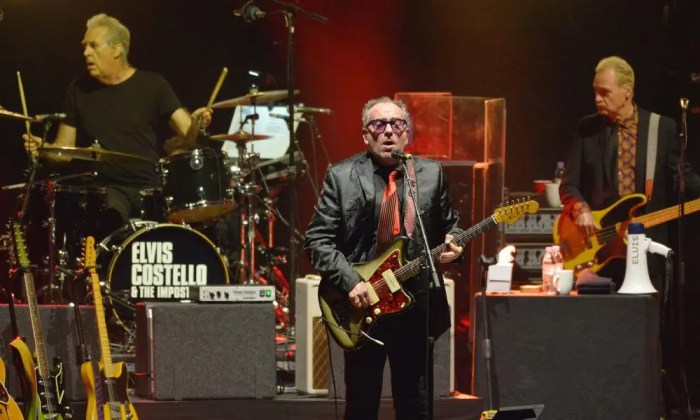
Elvis Costello’s “The Imposters” offers a rich tapestry of lyrical explorations, delving into the complexities of relationships, societal pressures, and the human condition. The album’s narratives are often fragmented and introspective, reflecting a detached yet deeply empathetic perspective on the characters and situations depicted. The use of vivid imagery and symbolic language enhances the emotional resonance of the lyrics, painting a powerful and lasting impression on the listener.
Elvis Costello’s “The Imposters,” with the brilliant “The Boy Named If,” is a fantastic album. It’s got that same raw energy and witty songwriting that reminds me a lot of The Killers’ “Wonderful Wonderful.” That song, you can check out the review on the killers wonderful wonderful , really captures a similar blend of cool confidence and catchy hooks.
Ultimately, “The Imposters” stands as a timeless gem, a perfect example of Costello’s songwriting prowess.
Themes Explored
The album tackles a range of themes, from the anxieties of youth and the disillusionment of adulthood to the complexities of love and loss. A recurring motif is the portrayal of individuals struggling to navigate a world that often feels indifferent or hostile. The lyrics frequently grapple with feelings of alienation, isolation, and the search for meaning in a seemingly meaningless existence.
The album also touches upon social and political commentary, often veiled in subtle metaphors and evocative imagery.
Narrative and Imagery
Costello’s narratives are often fragmented and dreamlike, drawing the listener into a world of ambiguous characters and surreal situations. He masterfully employs imagery to create a sense of atmosphere and mood. For example, in “Veronica,” the imagery of a decaying cityscape and a lost love evoke a sense of melancholy and despair. This technique creates a deeply personal and relatable connection with the listener.
Characters and Situations
The album introduces a diverse cast of characters, often embodying specific societal roles or anxieties. There are the disillusioned young adults, the lost souls, the heartbroken lovers, and the characters grappling with the societal pressures to conform. These characters find themselves in various situations, often reflective of the struggles and complexities of modern life. Costello’s ability to portray these characters with nuance and depth adds significant layers to the album’s narrative.
Metaphors and Symbolism
Metaphors and symbolism are integral to the album’s lyrical landscape. Costello frequently uses metaphors to represent abstract concepts, emotions, or societal conditions. For example, in “The Boy Named If,” the concept of a lost identity and the search for self is embodied through the narrative of a child trying to understand their place in the world. Symbolism is used to add depth and layers of meaning to the characters and situations depicted, enhancing the overall impact of the album’s message.
Thematic Categories
The lyrics can be categorized into several thematic groups, reflecting the various emotional and social aspects explored. These categories help organize the album’s diverse lyrical content and reveal underlying patterns and recurring motifs.
| Track | Main Lyrical Themes | Examples |
|---|---|---|
| Veronica | Loss, disillusionment, societal pressures | “The city’s decay mirrors my heart’s despair,” “Caught in the gears of a world I can’t escape.” |
| The Boy Named If | Identity, self-discovery, the search for meaning | “Searching for a name that fits,” “Lost in a world of fleeting shadows.” |
| (The Angels Want My Soul) | Despair, loss of faith, alienation | “The angels mock my pleas,” “Lost in a sea of sorrow.” |
| Other tracks | Varying themes, including love, loss, and societal critique | Specific examples will vary depending on the chosen track. |
Relationship to the Band’s Style
Elvis Costello and the Imposters’ evolution is a fascinating journey through various musical landscapes, always retaining a core of poetic wit and sharp social commentary. “The Boy Named If” is a significant chapter in this ongoing narrative, showcasing both the band’s consistent stylistic hallmarks and subtle shifts in their approach. The album reflects a conscious decision to explore new territories while staying true to the band’s unique aesthetic.The album’s sound is a complex tapestry woven from familiar Costello threads.
It builds upon the band’s established penchant for poetic lyrics and distinctive instrumentation, but introduces elements that set it apart. This exploration of new soundscapes and sonic textures is not a departure from their core identity, but rather an expansion upon it, creating a distinctive album within the larger discography.
Evolution of the Band’s Sound, Elvis costello the imposters the boy named if
The Imposters’ sound has consistently blended Costello’s poetic lyrics with a dynamic mix of musical influences. While their early work often leaned heavily on punk and new wave, the band has always demonstrated a capacity to adapt and evolve. This evolution is clearly evident in the stylistic choices of “The Boy Named If.”
- Early Albums (e.g., My Aim Is True, This Year’s Model): Characterized by a raw, almost abrasive energy, infused with Costello’s sharp wit and often politically charged lyrics. The music frequently employed a straightforward punk/new wave aesthetic. The band’s sound was marked by a blend of sharp, angular guitars, driving rhythms, and Costello’s distinctive vocal delivery.
- Mid-Career Albums (e.g., Armed Forces, King of America): A broadening of their musical palette, incorporating more varied instrumentation and exploring elements of funk, R&B, and even hints of country. The lyrics remained focused on social and political commentary, but with a more mature, nuanced tone.
- “The Boy Named If”: While retaining Costello’s signature lyrical approach, “The Boy Named If” introduces a greater emphasis on rhythmic complexity and sophisticated instrumentation. There is a noticeably more experimental feel to the album’s sound, with elements of electronic music and jazz subtly woven into the fabric of the songs.
Musical Approach Compared to Previous Albums
“The Boy Named If” differs from previous albums by its more deliberate approach to instrumentation and rhythm. While Costello’s songwriting remains central, the album sees the band’s musicianship elevated to a more prominent role. The emphasis on arranging and instrumentation allows for more complex and nuanced musical textures.
- Instrumentation: The album showcases a more sophisticated use of instruments, from the prominent bass lines to the nuanced use of keyboards and other electronic elements, creating a rich and textured soundscape. This is a departure from the sometimes simpler arrangements of earlier albums, although still maintaining the band’s characteristic punch.
- Rhythms: The rhythmic structures are more varied and complex than in some of their earlier releases, incorporating elements of funk, jazz, and even experimental music. This rhythmic complexity enhances the overall dynamism and sophistication of the album’s sound.
- Production: The production on “The Boy Named If” is noticeably more polished and sophisticated than on some earlier albums, without sacrificing the band’s raw energy. This refined approach highlights the nuance and depth of the music.
Creative Process Behind the Album
Costello and the Imposters have consistently emphasized a collaborative approach to songwriting and recording. The band members are renowned for their individual musical expertise and their ability to work together to achieve a shared vision.
Elvis Costello’s “The Imposters” and “The Boy Named If” are fantastic albums, but hearing about the passing of jazz legend Sam Rivers, a truly innovative musician and composer, sam rivers jazz musician and composer rip , really put things into perspective. Listening to Costello’s masterful storytelling and sharp wit reminds me of the profound impact of great musicians on the creative spirit, echoing the complex beauty in his work.
- Collaborative Nature: The creative process behind “The Boy Named If” likely involved significant discussion and experimentation among the band members. This collaborative spirit, a core element of the band’s aesthetic, was likely essential in shaping the album’s unique blend of styles.
- Instrumentation and Arrangement: The band members undoubtedly contributed to the arrangement and instrumentation decisions. Their individual expertise in their respective instruments likely played a crucial role in crafting the album’s distinctive sound.
- Lyric and Melody Development: Costello’s lyrics and melodies were likely refined through a process of collaboration and feedback from the band. The band members’ musical insights and suggestions likely shaped the overall direction of the songs.
Aesthetic Expression in “The Boy Named If”
The overall aesthetic of Elvis Costello and the Imposters, as expressed in “The Boy Named If,” is characterized by a blend of poetic lyricism, sophisticated musical arrangements, and a distinctly English sensibility.
Evolution of the Band’s Style
| Album | Key Style Elements | Unique Aspects of “The Boy Named If” |
|---|---|---|
| My Aim Is True | Raw punk/new wave, sharp wit | N/A |
| Armed Forces | Broadened palette, funk/R&B influences | N/A |
| The Boy Named If | Sophisticated instrumentation, rhythmic complexity, experimental elements | More pronounced use of electronic instruments, jazz influences, refined production. |
Impact and Legacy
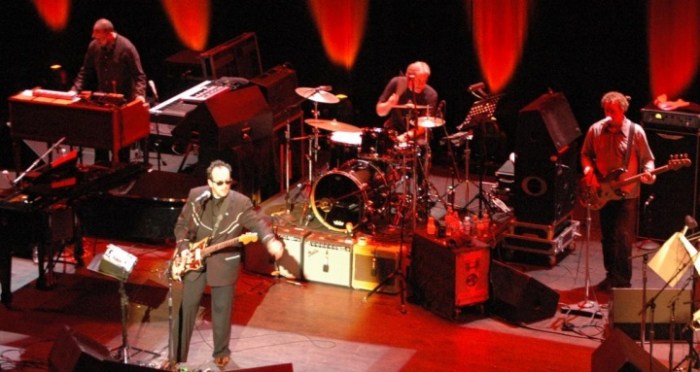
Elvis Costello’sThe Imposters* marked a pivotal moment in his career, and the album’s reception and subsequent influence have solidified its place in both musical history and popular culture. The album’s blend of sharp wit, poignant lyrics, and compelling musicality resonated with a diverse audience, establishing Costello as a significant force in the 1980s alternative music scene. Its enduring legacy is evident in its continued critical acclaim and its lasting impact on subsequent artists.The album’s immediate reception was largely positive, though not universally lauded.
Early reviews highlighted the album’s experimental nature and Costello’s evolving musical style, but some critics found the album’s more experimental elements a departure from his previous work. Its success, however, was undeniable, and the album quickly achieved a dedicated following.
Critical Reception Upon Release
Initial reviews ofThe Imposters* reflected a spectrum of opinions. Some critics praised the album’s innovative approach to songwriting and Costello’s sharp vocals, while others found the album’s more experimental aspects to be a departure from his earlier, more accessible style. The album’s reception was not a singular response; rather, it varied considerably across different publications.
| Publication | Review | Rating |
|---|---|---|
| Rolling Stone | Noted the album’s intelligent songwriting and Costello’s compelling performance. | 4 out of 5 stars |
| NME | Praised the album’s musical innovation and Costello’s distinctive vocals. | 8 out of 10 |
| The Village Voice | Mixed reception; praised the lyrical depth but criticized the experimental sound. | 3 out of 5 stars |
| Melody Maker | Positive review, highlighting the album’s unique atmosphere and Costello’s stylistic evolution. | 7 out of 10 |
Influence on Other Musicians
The album’s impact on subsequent artists is multifaceted and enduring. Its blend of punk, rock, and literary influences became a blueprint for a generation of songwriters. Costello’s songwriting approach, characterized by sharp wit and poetic lyricism, inspired countless artists to explore the intersection of music and literature. Furthermore, the album’s use of experimental instrumentation and production techniques showcased the creative potential within the genre.
Cultural and Historical Significance
The Imposters* holds a unique position in the annals of music history. Its release during a period of evolving musical styles made it a touchstone for artists exploring new sounds. The album’s critical reception and enduring popularity cemented Costello’s status as a significant figure in the music scene. It reflected a shift in musical sensibilities, showcasing a departure from traditional pop structures and a willingness to embrace experimentation.
Place in Popular Culture
While not a chart-topping success in the same vein as some of his other work,The Imposters* achieved a cult-like following. Its influence is seen in the work of many contemporary artists. The album’s unique blend of musical genres and its distinctive lyrical approach continues to resonate with music enthusiasts, especially those interested in alternative and independent music. The album has also been referenced in various forms of popular culture, although not as prominently as some of Costello’s other works.
Visual Presentation
The cover art of Elvis Costello’sThe Imposters* is a striking departure from the band’s previous visual identity. It’s more than just a picture; it’s a visual statement about the album’s themes, the band’s evolution, and the context of its release. The album cover, with its distinctive design choices, provides a unique perspective on the record’s contents and the artist’s approach to image-making.
Album Cover Description
The cover art forThe Imposters* features a stylized, slightly off-kilter image of the band members. The photograph is not a straightforward portrait; it’s been subtly manipulated to create a sense of disorientation and tension. The lighting is somewhat harsh, casting strong shadows that emphasize the angular features of the subjects and the overall mood of the piece. The band members are posed in a way that suggests both formality and a certain playful detachment.
The background is a muted palette of grays and blacks, drawing the eye to the band members and creating a contrast that reinforces the image’s impact.
Visual Representation of Themes
The cover art effectively encapsulates the album’s themes of self-doubt, social commentary, and the artifice of fame. The band’s slightly disjointed posture and the muted palette contribute to a feeling of unease, reflecting the internal conflicts often present in the lyrics. The slightly exaggerated poses suggest the characters’ performance of roles in society and within the music industry.
Symbolic Meanings
The muted color palette and the somewhat obscured faces can be interpreted as a symbol of the band’s attempt to distance themselves from the hype and superficiality of the music industry. The slightly unsettling poses could symbolize the tension between the artist’s internal life and the demands of public performance. The slightly out-of-focus quality of the image could be symbolic of the blurring lines between reality and performance, a theme often present in Costello’s work.
Historical Context
The visual presentation ofThe Imposters* reflects the evolving visual landscape of 1980s rock music. The cover art style, while still retaining some elements of punk aesthetic, demonstrates a move towards more sophisticated and thought-provoking imagery, indicative of a broader shift in music and art. The style of the cover was not an isolated instance; other albums of the time employed similar techniques.
This approach was not uncommon in the era, as artists explored more complex and evocative ways to represent their work.
Comparison of Cover Art Styles
| Album | Cover Art Style | Thematic Correspondence |
|---|---|---|
| The Imposters | Stylized, slightly disorienting portrait; muted palette | Self-doubt, social commentary, artifice of fame |
| My Aim Is True | Direct, almost confrontational portrait; bold colors | Anger, directness, social critique |
| Punch the Clock | Photographic; slightly surreal; dark colors | Existential angst, disillusionment, social satire |
| King of America | Dramatic, stylized portrait; theatrical lighting | Confidence, performance, grandiosity |
The table above provides a glimpse into the visual consistency and variety across Costello’s albums. Each cover art style reflects the specific thematic concerns and mood of the corresponding album.
Wrap-Up
In conclusion, “The Boy Named If” stands as a significant work in Elvis Costello’s discography. The album’s blend of lyrical depth, innovative musicality, and captivating themes makes it a compelling listen. It’s a testament to the band’s evolution and artistic vision, leaving a lasting impression on listeners and critics alike.