
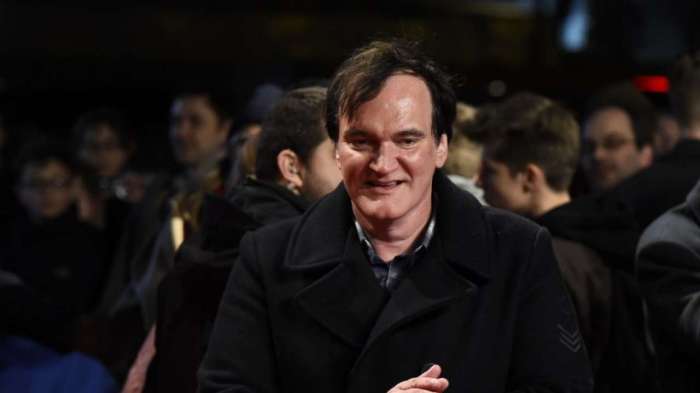
Ennio morricone to score quentin tarantinos the hateful eight – Ennio Morricone to score Quentin Tarantino’s The Hateful Eight is a fascinating exploration of musical genius and cinematic storytelling. This deep dive examines Morricone’s career, his unique compositional style, and how his iconic score perfectly complements the film’s narrative and characters. We’ll look at the historical context, analyze key scenes, and discuss the lasting impact of this masterful collaboration.
From the historical context of Western film scoring during Morricone’s era to a detailed analysis of the musical themes and motifs in The Hateful Eight, this exploration delves into the creative process and the profound effect of the music on the audience’s emotional response. We’ll examine how the score enhances the visual storytelling and explore the lasting legacy of Morricone’s work.
Historical Context
Ennio Morricone’s career spanned decades, leaving an indelible mark on the world of film music. His journey wasn’t linear, but rather a fascinating evolution of styles and collaborations, mirroring the changing landscape of Western film scoring. His versatility and adaptability to diverse projects, from spaghetti westerns to epic dramas, demonstrate his mastery of cinematic storytelling through sound.The evolution of film scores during Morricone’s active period (1960s-1980s) saw a significant shift from traditional orchestral scores to a more experimental and diverse approach.
Composers began exploring different instruments, creating distinctive soundscapes that enhanced the emotional impact of the films. This period witnessed the rise of electronic music and the integration of diverse musical traditions into film scores.
Morricone’s Career Evolution
Morricone’s early career was heavily influenced by the Italian neorealist film movement. His compositions for these films often emphasized realism and emotional depth. Later, he embraced the action-packed and often stylized world of spaghetti Westerns, creating memorable scores that defined a genre. As the industry expanded, he branched out into various genres, from gangster films to epic dramas, demonstrating his adaptability and wide-ranging musical talents.
His style developed, incorporating elements of classical music, jazz, and folk music, reflecting the evolving tastes of audiences and filmmakers.
Western Film Scores During Morricone’s Period
The 1960s to 1980s witnessed a period of significant growth and experimentation in Western film scoring. The introduction of electronic instruments and techniques provided composers with new tools to create diverse and complex soundscapes. Composers began to incorporate different musical traditions, enriching the emotional depth and cultural context of the scores. This era saw the emergence of film scores that were more than just background music, but rather integral components of the storytelling.
Cultural and Social Context of Film Music
The cultural and social landscape of the 1960s-1980s profoundly influenced the creation of film music. Social movements, technological advancements, and changing cultural values all played a role in shaping the musical tastes of audiences. The rise of youth culture and the changing perceptions of film music’s role in narrative impacted composers’ approaches to creating evocative and memorable soundtracks.
Timeline of Morricone’s Notable Film Scores (Pre-The Hateful Eight)
- The Good, the Bad and the Ugly (1966): This iconic spaghetti Western score is a prime example of Morricone’s mastery of the genre. The use of unconventional instrumentation and rhythmic motifs established his unique sound. The score perfectly captured the tension, drama, and heroism of the film, influencing generations of composers.
- Once Upon a Time in the West (1968): Morricone’s score for this epic Western further developed his unique style. The score is characterized by its dramatic intensity and memorable themes, adding another layer to the film’s narrative and creating a sense of epic scope.
- A Fistful of Dollars (1964): This film marked the beginning of Morricone’s collaboration with Sergio Leone, launching his career into a new stratosphere. The score, though less complex than later works, showcased his skill in creating a mood and atmosphere that suited the film’s action-packed narrative.
- The Mission (1986): This film, though later in his career, highlights Morricone’s ability to adapt his style to different genres. The score demonstrates his mastery of creating a powerful and evocative soundtrack that enhances the emotional depth of the film.
Film Industry Approach to Composing Scores
During this period, the film industry recognized the importance of music in enhancing the cinematic experience. Composers were often involved in pre-production discussions to understand the director’s vision and the film’s narrative. This collaborative approach aimed to create scores that were not just aesthetically pleasing but also actively contributed to the storytelling. Film studios and directors understood the crucial role of music in creating atmosphere, building tension, and evoking emotion.
Morricone’s Style and Approach: Ennio Morricone To Score Quentin Tarantinos The Hateful Eight
Ennio Morricone’s unique approach to film scoring transcends mere accompaniment; his music becomes an integral part of the narrative, breathing life into the visual spectacle and forging an emotional connection with the audience. His ability to craft evocative and memorable scores, often defying genre conventions, solidified his place as one of the most influential and innovative film composers of all time.
His distinctive style, a blend of classical, folk, and jazz elements, is immediately recognizable and deeply impactful.Morricone’s compositions are not just soundtracks; they are sonic landscapes that enhance and amplify the emotional impact of the film. His mastery of instrumentation, orchestration, and melodic motifs allows him to paint vivid pictures with sound, creating atmospheres that range from thrilling suspense to poignant melancholy.
Ennio Morricone’s score for Quentin Tarantino’s The Hateful Eight is legendary, right? While you’re enjoying that epic soundtrack, why not check out some other great movie music? For a fun change of pace, dive into some fantastic Disney Pixar movies streaming on Netflix right now. 5 fun Disney Pixar movies streaming Netflix right now will definitely have you humming along to something different, even if it’s not a spaghetti western.
The beauty of Morricone’s work for The Hateful Eight is it’s so evocative, just like a good Pixar film.
He frequently employs unconventional instrumentation and harmonic structures, pushing the boundaries of what is considered typical in film scoring.
Instrumentation and Orchestration
Morricone’s scores frequently feature a wide range of instruments, drawing from both traditional and non-traditional sources. He’s renowned for his skillful use of brass instruments, creating powerful and dramatic soundscapes, often in combination with unconventional instruments such as the accordion, mandolin, and even bagpipes, lending a unique texture to his scores. His orchestration is highly varied, with subtle shifts in instrumentation and dynamics that heighten the emotional impact of scenes.
He isn’t afraid to experiment with unusual instrumental combinations, resulting in scores that are instantly recognizable and often genre-bending. For example, in “The Good, the Bad and the Ugly,” the distinctive use of a harmonica and an electric guitar adds to the film’s atmosphere and the memorable score.
Melodic and Rhythmic Characteristics
Morricone’s melodies are often memorable and instantly recognizable. He frequently utilizes recurring motifs, or short musical phrases, that serve as thematic anchors, highlighting specific characters, emotions, or plot points. These motifs are frequently transformed and adapted throughout the score, evolving to reflect the changing narrative. His rhythmic patterns are equally important, with a wide range of tempos and meters.
He’s adept at using syncopation, off-beat accents, and other rhythmic devices to create tension, excitement, or a sense of melancholy. This rhythmic versatility is a key element of his distinctive style.
Emotional Impact
Morricone’s music is deeply evocative, capable of eliciting a wide range of emotions. He skillfully uses music to create atmosphere, to highlight character development, and to emphasize dramatic events. For instance, the melancholic and unsettling melodies of “The Untouchables” perfectly capture the film’s atmosphere of moral ambiguity and impending doom. His scores are more than just background music; they are crucial narrative elements that shape the audience’s emotional experience.
He masterfully uses different instrumentation, harmonic structures, and rhythmic patterns to achieve a profound impact on the audience.
The Hateful Eight Score
Ennio Morricone’s score for Quentin Tarantino’sThe Hateful Eight* is a masterpiece of cinematic music, deeply intertwined with the film’s narrative and characters. It transcends mere background music, becoming a crucial element in shaping the emotional landscape and driving the plot forward. The score effectively conveys the tension, suspense, and simmering violence of the Western setting, while also hinting at the complex inner lives of the characters.The score forThe Hateful Eight* is not just a collection of musical ideas, but a carefully orchestrated tapestry woven from themes, motifs, and instrumental colors.
Each note, each instrumental phrase, plays a specific role in illuminating the film’s plot, characters, and atmosphere. Morricone masterfully uses these musical elements to underscore the characters’ motivations, their relationships, and their eventual fates.
Musical Themes and Motifs
The score forThe Hateful Eight* is rich in thematic material. Recurring motifs and melodies are associated with specific characters and situations, creating a sense of familiarity and emotional resonance. These themes, often simple yet powerful, are developed and transformed throughout the film, mirroring the characters’ journeys and the evolving narrative. For example, the opening theme, with its strong, driving rhythms, sets a tense and foreboding tone, establishing the overall atmosphere of the film.
Later, variations on this theme may underscore the characters’ isolation or the mounting tension of the situation.
Narrative Support
The score plays a crucial role in supporting the film’s narrative. The music underscores the characters’ actions and emotions, creating a powerful emotional impact on the audience. For example, when a character faces danger, the music might become more urgent and intense, mirroring the character’s internal struggle. Conversely, moments of quiet reflection or contemplation are often accompanied by softer, more introspective musical passages.
The score also helps to establish the setting and atmosphere of the film. The rugged, desolate landscape of the Old West is perfectly captured through the use of specific instruments and sound effects.
Evolution of Musical Themes
The musical themes inThe Hateful Eight* evolve in tandem with the narrative. As the characters interact and their relationships develop, the music reflects these changes. For instance, the initial presentation of a character’s theme might be straightforward, but as the character’s arc unfolds, the theme may become more complex, reflecting their inner turmoil or growth. This evolution is crucial to maintaining the audience’s engagement and allows the score to mirror the characters’ emotional journeys.
Ennio Morricone’s score for Quentin Tarantino’s The Hateful Eight is undeniably brilliant, but what truly sets it apart is the way it weaves together different musical styles. It’s like a masterful comedian crafting a string of jokes, each with its own unique punchline. This kind of comedic layering, much like the nuances in What the Difference Between Jokes , is crucial to the film’s overall impact.
Morricone’s score isn’t just background music; it’s an active participant in the narrative, enhancing the tension and the humor, just like a well-timed punchline.
Scene-Specific Music
| Scene | Musical Theme/Effect | Atmosphere | Emotional Impact |
|---|---|---|---|
| Opening Sequence | Strong, driving rhythms | Tense, foreboding | Establishes the film’s overall tone |
| Characters’ Introductions | Individual motifs associated with characters | Character-specific | Introduces the characters’ personalities and potential conflicts |
| Moments of Suspense | Urgent, intense instrumental passages | Heightened tension | Builds anticipation and fear |
| Character Interactions | Combination of motifs reflecting their relationship dynamics | Complex, nuanced | Highlights the evolving relationships |
| Moments of Reflection | Soft, introspective passages | Quiet, contemplative | Provides emotional depth and context |
Instrumental Use and Sound Effects
Morricone’s masterful use of instruments and sound effects adds to the film’s unique character. The score uses a range of instruments, from traditional Western instruments like the banjo and fiddle to more modern instruments, creating a unique sonic palette. The use of specific instruments, like the strings, creates a sense of drama and intensity. Sound effects, such as horse hooves, gunshots, and wind, further enhance the film’s Western setting and immerse the audience in the world ofThe Hateful Eight*.
The interplay between these elements creates a sonic tapestry that perfectly complements the visuals.
Influence and Legacy
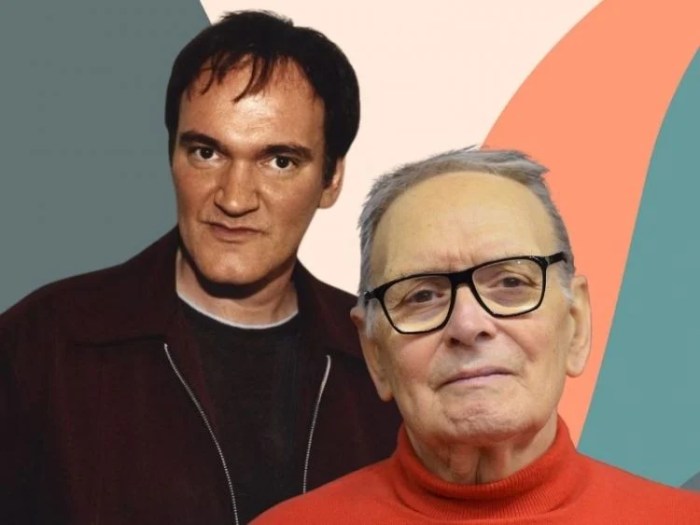
Ennio Morricone’s impact on film music extends far beyond his prolific career. His scores, ranging from spaghetti westerns to more contemporary genres, have left an indelible mark on the art form. He transcends the mere role of a composer; his music often shapes and defines the very atmosphere and emotional core of the films he works with. His influence is deeply embedded in the way subsequent composers approach their craft, creating a legacy that continues to inspire and resonate with audiences.Morricone’s unique approach to film scoring, blending traditional orchestral elements with innovative instrumental choices and rhythmic patterns, has been a source of inspiration for countless composers.
His ability to create evocative and memorable music that perfectly complements the visual narrative has set a high bar for the genre. This has resulted in a multitude of scores drawing inspiration from his style and techniques.
Impact on Subsequent Film Music
Morricone’s approach to scoring, particularly his innovative use of unconventional instruments and rhythmic patterns, has profoundly influenced subsequent film composers. His willingness to experiment and break away from traditional orchestral arrangements paved the way for more diverse and evocative soundscapes in film music. His work has influenced composers across various genres, from action and thriller scores to romantic dramas and comedies.
This innovative approach has broadened the possibilities of what film music can achieve.
Examples of Influenced Scores
Several prominent film scores demonstrate Morricone’s lasting influence. For instance, the use of a sparse string section with a driving percussion beat, a common Morricone trope, has been seen in many contemporary action scores. Another example is the incorporation of a distinctive “Morricone-esque” melody or motif, a recognizable signature of his work, which has been adopted and adapted in more modern scores.
Furthermore, the emotional depth and evocative power found in his work is evident in many scores that aim to create a powerful and immersive cinematic experience.
Morricone’s Legacy in Western Film Music
Morricone’s work has significantly shaped the landscape of Western film music. His innovative use of orchestral instruments and techniques revolutionized the approach to scoring, moving beyond the traditional role of solely accompanying the action. He elevated film music to a more prominent role, often becoming a critical part of the storytelling itself. His work demonstrates a profound understanding of the emotional power of music and its ability to enhance the cinematic experience.
Morricone’s Style in The Hateful Eight
InThe Hateful Eight*, Morricone expertly demonstrates his characteristic style. The score employs a blend of traditional orchestral instruments with unconventional use of the piano, creating a unique sonic tapestry. He crafts a dramatic atmosphere that perfectly captures the tension and suspense of the film’s narrative. The score utilizes variations in instrumentation and rhythm to effectively highlight the individual character arcs and create a deeply immersive atmosphere.
Cultural Significance of Morricone’s Contributions
Morricone’s impact extends beyond the realm of film music. His scores have become integral parts of popular culture, recognizable and beloved by audiences worldwide. His music transcends language barriers, fostering a connection with audiences through the power of sound. He successfully created music that is both evocative and timeless, ensuring his work continues to resonate with generations. The impact of Morricone’s work has significantly enriched the global cinematic experience, proving the universal appeal of powerful storytelling through music.
Musical Analysis of Key Scenes
Ennio Morricone’s score for Quentin Tarantino’sThe Hateful Eight* is a masterpiece of cinematic music, weaving a tapestry of tension, humor, and tragedy through its intricate melodies and evocative sound design. This score is not merely accompaniment; it’s a character in its own right, reacting and responding to the unfolding drama on screen. This analysis delves into a pivotal scene to demonstrate the profound impact of Morricone’s compositional choices.
The Showdown at Minnie’s
This scene, a tense standoff in Minnie’s cabin, epitomizes the film’s thematic complexities. The music in this scene is a masterclass in building suspense and reflecting the characters’ inner turmoil. The score’s evolution mirrors the escalating conflict, building to a climax of both physical and emotional confrontation.
Musical Elements in the Showdown
The scene’s musical landscape is crafted from a meticulous interplay of musical elements. The tempo fluctuates, mirroring the ebb and flow of the action. A slow, deliberate tempo initially underscores the uneasy atmosphere, while rapid tempos heighten the tension during the confrontations.
| Musical Element | Description | Effect |
|---|---|---|
| Tempo | Initially slow, deliberate; gradually increases to become frantic during the climax. | Creates suspense, builds tension, reflects the escalating conflict. |
| Instrumentation | Predominantly strings, with the addition of prominent brass and percussion elements. | Adds depth, emotion, and drama. The use of strings builds a sense of impending doom, while the brass and percussion highlight the conflict. |
| Dynamics | Initially soft, building to dramatic fortissimo during the climax; soft again to underscore the aftermath. | Emphasizes the tension and releases it at the peak and resolution. |
Sound Effects
The use of sound effects in this scene is crucial. The rhythmic cracking of wood, the sharp staccato of gunshots, and the howling wind all create a sensory experience that enhances the emotional impact. The score isn’t just music; it’s a soundscape.
Ennio Morricone’s work on Quentin Tarantino’s The Hateful Eight was, of course, legendary. But checking out the brutalist composer Daniel Blumberg’s stunning Oscar-nominated score for a different film offers a fascinating comparison. His work, explored in this insightful piece here , reminds us just how diverse the world of film scoring can be, even when we’re talking about a film with a similar cinematic tone to The Hateful Eight.
Ultimately, Morricone’s score for The Hateful Eight remains a masterpiece, though.
Melodic and Rhythmic Elements
A key melodic motif, repeated throughout the scene, is subtly altered to reflect the changing emotional states of the characters. This motif, combined with a recurring rhythmic pattern in the percussion, acts as a sonic leitmotif, binding the scene’s disparate elements together. The use of a distorted, almost sinister, version of the main theme in moments of heightened tension or danger effectively highlights the precariousness of the situation.
Visual Representation of Music
Morricone’s score forThe Hateful Eight* isn’t merely an accompaniment; it’s an integral part of the film’s visual narrative. The music acts as a powerful tool to guide the viewer’s emotional journey, reflecting the characters’ internal states and foreshadowing impending events. The score paints a vivid picture in tandem with the visuals, creating a deeply immersive cinematic experience.
Visual Elements Complementing the Score
The visual elements of the film, including lighting, camera angles, and framing, work in harmony with the score to enhance the storytelling. The dynamic interplay between these elements and the music creates a layered and evocative experience for the audience.
| Scene | Visual Element | Musical Theme | Impact |
|---|---|---|---|
| The opening scene in the snow-covered cabin | Low-key lighting, close-up shots of characters, slow-motion | The haunting and melancholic main theme, interspersed with ominous string passages | Establishes a sense of isolation, suspense, and foreboding, mirrored by the visual stillness and the looming sense of danger. |
| The confrontation scene in the cabin | Rapid cuts, close-ups on faces, dramatic lighting shifts, use of shadows and silhouettes | The intense and agitated musical motifs | Heightens the tension and emotional intensity of the scene, reflecting the rising conflict through visual and musical urgency. |
| The reveal of a character’s true nature | A slow pan across a character’s face, accompanied by a sudden change in the musical theme, from a mournful tone to a menacing one | Shift from a melancholic theme to a menacing one | Creates a sense of betrayal and suspense, visually emphasizing the character’s deception. The sudden shift in music parallels the surprise and betrayal of the characters. |
Music Enhancing Visual Storytelling
The score powerfully enhances the visual storytelling inThe Hateful Eight*. It’s not just background noise; it acts as a narrative partner, reflecting the characters’ internal struggles, building suspense, and highlighting crucial moments. For example, when a character experiences a sudden shift in emotion, the music often mirrors this transformation, adding a layer of depth to the visual portrayal.
The music’s rhythm and tempo also reflect the pace and energy of the action on screen.
Correlation Between Music and Action
The music and action inThe Hateful Eight* are tightly intertwined. A swift, driving musical motif often accompanies moments of escalating conflict or action. Conversely, a slow, melancholic melody might accompany moments of introspection or vulnerability. This tight correlation between music and action intensifies the viewer’s engagement with the film’s narrative. For instance, the music swells during gunfights, reflecting the rising tension and violence on screen.
The abrupt silences, followed by a sudden surge of music, create moments of both anticipation and dramatic impact.
Impact on Audience’s Emotional Response
Morricone’s score inThe Hateful Eight* profoundly impacts the audience’s emotional response. The music effectively evokes a range of emotions, from fear and suspense to sadness and empathy. The score creates a heightened sense of reality and drama. The haunting melodies and intense orchestration heighten the viewer’s sense of vulnerability and unease, creating an unforgettable emotional experience.
Visual Cues Evoking Musical Themes, Ennio morricone to score quentin tarantinos the hateful eight
Specific visual cues evoke particular musical themes. For example, the use of snow and winter landscapes often corresponds with the film’s melancholic themes. The characters’ facial expressions and body language often mirror the emotional tenor of the music playing at that time. The score amplifies the visual cues, strengthening the emotional impact on the viewer. The sudden appearance of a menacing figure might be accompanied by a menacing musical motif, further emphasizing the character’s dangerous nature.
End of Discussion
In conclusion, Ennio Morricone’s score for The Hateful Eight stands as a testament to his unparalleled talent and the power of music to enhance cinematic storytelling. The meticulous composition, blending historical context with innovative techniques, demonstrates the profound influence Morricone has had on the world of film music. This exploration offers a comprehensive understanding of this masterpiece, inviting reflection on the profound connection between music and film.