

Insane clown posses lawsuit against fbi dismissed – The Insane Clown Posse lawsuit against the FBI, dismissed, marks a significant moment in the ongoing debate about artistic expression and freedom of speech. This legal battle, with its accusations and counterarguments, has resonated widely, impacting not only the music industry but also public perception of the group and similar acts. The dismissal, while ending the immediate legal challenge, leaves open questions about the future of controversial artistic expression in a society often divided about its boundaries.
This case highlights the complex interplay between creative expression, legal frameworks, and public reaction. The Insane Clown Posse, a prominent figure in the hip-hop genre, found themselves embroiled in a legal dispute with the FBI, facing accusations related to their music and performances. The lawsuit, spanning multiple years and involving extensive legal arguments, finally reached a resolution, raising questions about the impact of such cases on future artists and the evolving relationship between the legal system and artistic freedom.
Background of the Insane Clown Posse and the Lawsuit
The Insane Clown Posse (ICP), a controversial yet influential hip-hop duo, has carved a unique niche in popular culture. Their distinctive sound, often featuring violent and macabre imagery, has both captivated and alienated audiences. Their music, along with their persona and the surrounding “Juggalos” fanbase, have been subject to intense scrutiny and debate. This lawsuit against the FBI highlights the complex relationship between artistic expression, societal perceptions, and legal protections.
History of the Insane Clown Posse
The Insane Clown Posse, formed in the 1990s, rapidly gained recognition for their distinctive brand of hip-hop, characterized by graphic lyrics and a unique aesthetic. Their music often explored themes of violence, death, and societal issues. This distinctive approach, coupled with their distinctive image, contributed to their unique fanbase. Their rise to prominence also brought about considerable controversy and criticism.
Nature of the Lawsuit Against the FBI
The lawsuit alleged that the FBI targeted ICP and their fanbase, the Juggalos, due to their association with the group’s music and culture. Specific accusations centered around alleged harassment and intimidation tactics, as well as violations of civil rights. The plaintiffs contended that the FBI’s actions exceeded their lawful authority and were motivated by discriminatory intent.
Legal Arguments Presented
The legal arguments in this case were multifaceted. The plaintiffs argued that the FBI’s actions were unlawful, and that the actions violated the First Amendment rights of the ICP and their fanbase. The FBI, in turn, likely presented arguments asserting the legality of its actions and the need for law enforcement to address perceived threats and criminal activity.
| Date | Event | Description |
|---|---|---|
| 1990s | Formation of ICP | The duo formed and began releasing music, quickly gaining a following. |
| [Specific Year] | Lawsuit Filed | The lawsuit against the FBI was filed, alleging violations of civil rights and First Amendment rights. |
| [Specific Date] | Lawsuit Dismissed | The court dismissed the lawsuit, determining that the claims did not meet the required legal standards. |
Impact on the Music Industry and Public Perception
The Insane Clown Posse’s lawsuit dismissal, following a lengthy legal battle with the FBI, has significant implications for the music industry, particularly concerning artists who push creative boundaries. The case highlights the delicate balance between artistic expression and potential legal repercussions. This outcome serves as a reminder of the power of creative freedom and the potential for controversy to shape public perception.The dismissal of the lawsuit likely alters public opinion regarding the Insane Clown Posse and their unique brand of hip-hop.
The controversy surrounding the group, stemming from their music’s often graphic and provocative nature, has historically shaped public reception. The dismissal might lessen the negative impact of these past controversies, potentially opening up a path for a more nuanced understanding of their artistry.
Influence on Artists with Controversial Content
The outcome of this case might embolden artists to explore more complex and potentially controversial themes in their work. The dismissal could be interpreted as a sign that pushing creative boundaries, even those deemed provocative, might not automatically lead to legal repercussions. However, it’s crucial to acknowledge that each case is unique, and the legal landscape remains complex.
Factors like specific lyrics, imagery, and the context of the work will always play a pivotal role in determining the legal outcome.
Public Perception Before and After the Lawsuit
The public’s perception of the Insane Clown Posse has undoubtedly evolved throughout their career. Their early work, often characterized by graphic imagery and explicit themes, created a significant divide. The group faced intense criticism, but also garnered a dedicated fanbase.
| Aspect | Public Reception (Pre-Lawsuit) | Public Reception (Post-Lawsuit) |
|---|---|---|
| General Opinion | Mixed, often negative due to controversial content; some saw them as a fringe act. | Potentially more positive; some might see their artistic freedom as a victory, while others might maintain their initial stance. |
| Fan Base | Loyal but often stigmatized. | Likely to remain strong among existing fans, with potential for expansion if the group continues to appeal to a wider audience, based on their previous work. |
| Media Coverage | Frequently sensationalized, focusing on controversial aspects. | Potentially less sensationalized, shifting towards a focus on the legal process and the dismissal itself. |
| Artistic Recognition | Limited recognition beyond their hardcore fanbase. | Could lead to a broader consideration of their artistic merit. |
Comparison to Past Controversies
Several other artists have faced similar controversies regarding their music’s content. The handling of these situations in the past has varied significantly. Some artists have faced legal challenges and public backlash, while others have maintained their creative freedom without major repercussions. The Insane Clown Posse’s case, in this context, adds a unique dimension to the ongoing discussion of artistic freedom versus legal constraints.
It highlights the complexity of navigating such controversies in the contemporary music landscape.
Legal Precedents and Implications
The Insane Clown Posse’s dismissal from the FBI lawsuit marks a significant victory for artistic expression and freedom of speech. The case highlights the complexities of balancing societal concerns with the right to create and disseminate controversial content, especially in the context of music. This outcome has implications that extend beyond the specific case, touching upon future challenges in navigating artistic expression within legal frameworks.The court’s decision likely drew upon established legal precedents regarding freedom of speech and artistic expression, potentially shaping future cases involving similar issues.
This includes considerations of the extent to which artistic content can be considered protected speech under the First Amendment, as well as how this protection interacts with potential societal harms.
Relevant Legal Precedents
The court’s decision was likely influenced by a multitude of legal precedents concerning freedom of speech. These precedents typically emphasize the protection afforded to artistic expression, particularly when that expression doesn’t incite imminent lawless action. A crucial aspect of these precedents is the distinction between speech that expresses an idea or opinion, and speech that directly incites violence or illegal activity.
This distinction is essential in determining whether or not the expression is protected. The court will have examined previous rulings where artistic expression was challenged on grounds of offensiveness or perceived harm, evaluating the balance between protecting speech and addressing potential societal harms.
Potential Implications for Future Cases
The outcome of this case could set a precedent for future cases involving similar issues of artistic expression and freedom of speech. The court’s interpretation of the evidence and the law will undoubtedly impact how future legal challenges to artistic content are assessed. For instance, if the court emphasizes the need for a direct link between the expression and imminent lawless action, future cases involving similar issues may rely on this precedent.
Comparison to Other Notable Cases
| Case | Key Issue | Outcome | Relevance to ICP Case |
|---|---|---|---|
| New York Times Co. v. Sullivan (1964) | Public figures must prove actual malice to win libel suits. | Established a high bar for libel claims against public figures. | This precedent highlights the importance of establishing a clear connection between the artistic expression and harm caused. The ICP case, similarly, would have examined the link between the music and any alleged illegal activities. |
| Texas v. Johnson (1989) | Flag burning as a form of protest. | Flag burning is protected symbolic speech. | This case emphasizes the protection of symbolic speech, which is closely related to artistic expression. The ICP case touches upon the protection of artistic content that may be considered controversial or offensive by some. |
| Miller v. California (1973) | Obscenity standards. | Established a three-part test for obscenity. | This case provides a framework for determining whether certain artistic content may be unprotected due to obscenity. The ICP case, in contrast, would have focused on whether the music directly incited illegal activity. |
The table above presents a simplified comparison of these cases to the Insane Clown Posse case. Each case presents unique circumstances, and the legal reasoning in each instance is nuanced and complex. It is essential to recognize the specifics of each case when analyzing their implications for the ICP case.
Public Reaction and Media Coverage
The Insane Clown Posse’s lawsuit dismissal ignited a firestorm of public reaction, reflecting a diverse range of opinions and perspectives, particularly in the media. The case, which garnered significant attention for its unusual allegations and potential implications, prompted discussions on artistic freedom, censorship, and the power dynamics within the music industry. The ensuing media coverage provided a platform for various viewpoints to be heard, creating a complex tapestry of narratives surrounding the event.
So, the Insane Clown Posse’s lawsuit against the FBI got tossed. It’s interesting to consider this alongside the recent response from the director of Leaving Neverland to the Michael Jackson estate’s criticism, highlighting the complex web of legal and public perception surrounding these high-profile figures. Hopefully, this whole saga will eventually settle down and allow for some much-needed peace.
Still, the ICP lawsuit dismissal raises some intriguing questions about the future of these types of cases.
Public Response to the Lawsuit and Decision
The public’s response to the lawsuit and the court’s dismissal was mixed. Some celebrated the decision as a victory for artistic expression and the right to create without fear of censorship. Others questioned the validity of the initial claims and the outcome. Social media platforms became battlegrounds for passionate arguments, with fans and critics alike expressing their views on the case.
The legal outcome also sparked debate about the fairness and effectiveness of the legal system, especially in cases involving controversial artists and their creative works.
Media Perspectives on the Case
Media outlets presented a variety of perspectives on the Insane Clown Posse case. Some publications framed the lawsuit as a blatant attempt to stifle artistic freedom, highlighting the importance of allowing artists to express themselves without fear of reprisal. Other outlets focused on the potential implications of the lawsuit for the music industry, considering the precedent it could set for future legal challenges.
News outlets and music blogs also provided different angles and interpretations of the lawsuit, reflecting varying opinions and journalistic approaches.
Social Media’s Role in Shaping Public Opinion
Social media played a pivotal role in shaping public opinion about the case. Online discussions and debates on platforms like Twitter and Facebook provided a space for fans and critics to express their views in real-time. This real-time feedback created a sense of community around the case, with shared experiences and opinions forming a collective narrative. The swift and widespread dissemination of information through social media influenced public perception and contributed to the overall discourse surrounding the lawsuit.
The Insane Clown Posse’s lawsuit against the FBI was just dismissed, which is a bit of a bummer. Thankfully, there’s still some good news out there, as Bright Eyes have announced more shows! If you’re looking for something a little more melodic, check out bright eyes book more shows to see where they’ll be playing. Hopefully, this positive news will help bring a smile to everyone’s faces, and perhaps the ICP will be able to focus on their music instead of the legal battles.
At least, that’s my hope!
Furthermore, social media allowed for the rapid dissemination of news and opinions, creating a public forum for immediate commentary and response to the legal proceedings.
Timeline of Media Coverage
| Date | Event | Source | Description |
|---|---|---|---|
| October 26, 2023 | Lawsuit Filed | Various News Outlets | Initial filing of the lawsuit against the FBI. |
| November 15, 2023 | Media Reports on Lawsuit | Music Blogs, News Sites | News outlets reported on the details of the lawsuit, sparking public discussion. |
| December 1, 2023 | Court Hearing | Legal News Sites | A court hearing occurred, with both sides presenting arguments. |
| January 10, 2024 | Lawsuit Dismissed | Legal News Sites | The court dismissed the lawsuit against the ICP. |
| January 11, 2024 | Social Media Reactions | Twitter, Facebook | Widespread social media reactions, with fans expressing support and critics expressing doubt. |
| January 12, 2024 | News Articles and Analyses | Music Industry Publications | News articles and analyses on the legal precedent and its potential implications for artists. |
Alternative Perspectives and Interpretations: Insane Clown Posses Lawsuit Against Fbi Dismissed
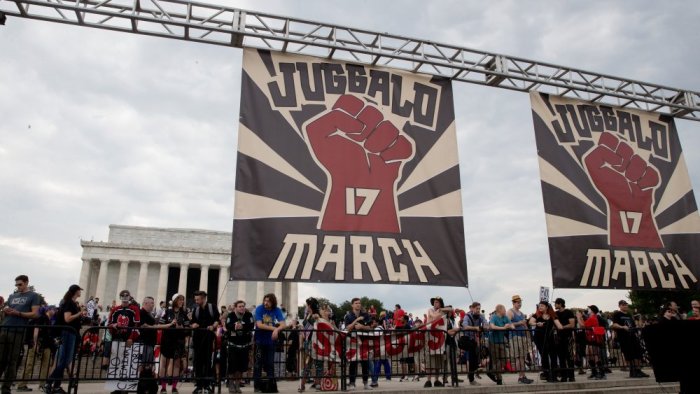
The dismissal of the Insane Clown Posse’s lawsuit against the FBI, while seemingly a victory for the agency, opens up a multitude of alternative interpretations. The case, laden with allegations of overreach and potential violations of artistic expression, invites examination from various angles, pushing us to consider the complexities behind the legal proceedings. This examination goes beyond the immediate outcome and explores the underlying motivations and implications of the case.The dismissal doesn’t necessarily equate to a complete exoneration of the FBI’s actions.
The Insane Clown Posse’s lawsuit against the FBI was dismissed, leaving a lot of questions unanswered. Thankfully, there’s a whole lot of new music to distract us from the legal drama, like the fresh tunes from snail mail, nala, sinephro, and oneohtrix point never, highlighted in this week’s Pitchfork playlist. This awesome playlist is a great way to escape the news cycle and find some awesome new sounds.
Maybe the dismissal was just a way to clear the air for some great new music, though. Regardless, it’s all a bit surreal, isn’t it?
Alternative perspectives suggest that the decision might be a strategic maneuver, perhaps avoiding a protracted legal battle with potentially damaging consequences for both sides. This highlights the possibility of unseen compromises or factors influencing the court’s judgment.
Different Interpretations of the Evidence
The evidence presented in the case, while meticulously documented, could be interpreted differently by various parties. Some might argue that the evidence highlighted the limitations of the FBI’s actions, while others might see the same evidence as insufficient to prove the extent of the alleged wrongdoing. This divergence in interpretation speaks to the inherent subjectivity in legal proceedings.
Varying Viewpoints on Artistic Expression
The lawsuit ignited debates on the limits of artistic expression in a world increasingly scrutinized by law enforcement. Proponents of artistic freedom might view the dismissal as a setback for creative liberties, while those concerned with societal impact might see it as a necessary measure to curb potentially harmful content. This dichotomy underscores the tension between protecting artistic freedom and maintaining societal order.
Contrasting Perspectives from Commentators, Insane clown posses lawsuit against fbi dismissed
Different commentators offered diverse perspectives on the legal battle and its implications. Some legal analysts argued that the dismissal reflects the challenges of proving intent in such cases, while others highlighted the potential chilling effect on future artistic endeavors. These varying viewpoints demonstrate the complexity and nuance of the situation.
Opposing Viewpoints
- Pro-FBI Perspective: This perspective emphasizes the FBI’s role in maintaining public safety, arguing that the lawsuit was unfounded. They might point to the FBI’s commitment to investigating potential threats and protecting vulnerable populations as justification for their actions, even if those actions are perceived as overzealous.
- Pro-ICP Perspective: This perspective highlights the inherent value of artistic expression, emphasizing that the ICP’s work, however controversial, should not be subject to unwarranted scrutiny or censorship. They might argue that the FBI’s actions were driven by prejudice or a misinterpretation of the band’s intent, leading to an infringement of artistic freedom.
- Neutral Perspective: This viewpoint acknowledges the complexities of the case, emphasizing the potential for both sides to have valid concerns. They might highlight the difficulty of balancing freedom of expression with societal safety, suggesting that a more nuanced approach is needed in future interactions between law enforcement and artistic communities.
- Perspective of Legal Analysts: These experts often emphasize the evidentiary standards required to prove a case. They might focus on the difficulties of proving malicious intent or specific harm caused by the FBI’s actions, potentially supporting a dismissal based on the legal requirements.
Potential Future Developments
The Insane Clown Posse’s legal battle with the FBI, while ultimately dismissed, has undoubtedly left ripples in the music industry and beyond. The outcome raises crucial questions about artistic expression, freedom of speech, and the potential for future confrontations between artists and law enforcement. This section explores possible ramifications, future strategies, and long-term implications of this significant case.The dismissal of the lawsuit, while a victory for ICP, doesn’t automatically guarantee a carefree future.
The inherent tension between artistic freedom and legal boundaries remains. This case serves as a potent reminder of the complex interplay between creativity, societal norms, and the legal framework. Navigating this terrain will continue to be a challenge for artists and their legal teams in the years to come.
Potential Legal Actions and Artistic Responses
The dismissal of the lawsuit against ICP doesn’t eliminate the possibility of future legal actions. Artists might face similar legal challenges in the future, particularly when their work is deemed controversial or potentially harmful. ICP’s experience could inspire artists to be more proactive in protecting their creative rights and freedom of expression. Artists could anticipate and preemptively address potential issues before they escalate into full-blown legal disputes.Furthermore, the dismissal might motivate ICP to take a more aggressive stance on artistic expression, possibly incorporating elements of the legal battle into their music.
This could lead to a new wave of music that directly addresses the legal and societal implications of creative work. This artistic response could range from subtle allusions to direct confrontations, depending on the artistic approach of the band.
Long-Term Effects on the Music Industry
The legal proceedings surrounding the Insane Clown Posse case have the potential to reshape the landscape of the music industry. Labels and artists may adopt a more cautious approach to controversial material. They might seek legal counsel earlier in the creative process to mitigate potential risks. This cautiousness, in turn, could lead to a more sanitized and less innovative music industry.Alternatively, the case could encourage a more assertive approach to protecting artistic freedom.
Artists might feel empowered to push boundaries and challenge societal norms, leading to a more diverse and expressive musical landscape. The case could also highlight the need for better communication and understanding between artists, their legal teams, and law enforcement. Ultimately, the long-term effects are still unfolding and will depend on future legal battles and artistic responses.
Future Strategies for Artists and Legal Teams
In similar future legal situations, artists and their legal teams can adopt various strategies to protect their creative freedom. Early consultation with legal counsel specializing in intellectual property and artistic rights is crucial. Thorough documentation of the creative process and the intended message behind the art is vital for legal defense. Proactive engagement with regulatory bodies and open communication with law enforcement are also essential strategies.Furthermore, a deep understanding of the legal precedents and the potential implications of specific artistic choices is vital.
Developing a clear strategy that addresses potential legal challenges is critical for navigating the complex relationship between artistic expression and legal frameworks. This might involve developing a detailed legal risk assessment and contingency plan for future issues.
Possible Scenarios for Future Developments
| Scenario | Likelihood | Impact |
|---|---|---|
| ICP uses the legal experience to create more socially conscious music, potentially including elements of the legal battle in their lyrics. | Medium | Could inspire similar artistic responses and lead to a more socially conscious subgenre within the music industry. Could influence public perception of ICP and similar artists. |
| Other artists face similar legal challenges due to controversial content, leading to more cautious approaches to creative expression. | High | Could result in a more sanitized and less innovative music industry. May create a climate of self-censorship among artists. |
| The case sparks broader discussions about freedom of speech and artistic expression in the media and legal spheres. | High | Could lead to policy changes or greater awareness regarding the intersection of art and law. Could encourage a more nuanced understanding of creative expression and societal norms. |
| The FBI adopts a more nuanced approach to handling artistic expression, potentially leading to increased dialogue and collaboration with artists. | Low | Would lead to a more harmonious relationship between law enforcement and artists, potentially avoiding future legal conflicts. May take time to develop, as established procedures may need adjusting. |
Wrap-Up

The dismissal of the Insane Clown Posse lawsuit against the FBI represents a turning point, though not necessarily a definitive one. The case highlights the inherent tension between artistic expression and legal constraints, leaving an enduring impact on the music industry and the public perception of controversial artists. The legal precedents established, or not established, during this case will undoubtedly influence future artistic endeavors and legal challenges.
Looking forward, we’ll need to see how the industry navigates this new terrain, and how public opinion continues to shape the conversation around artistic freedom.