
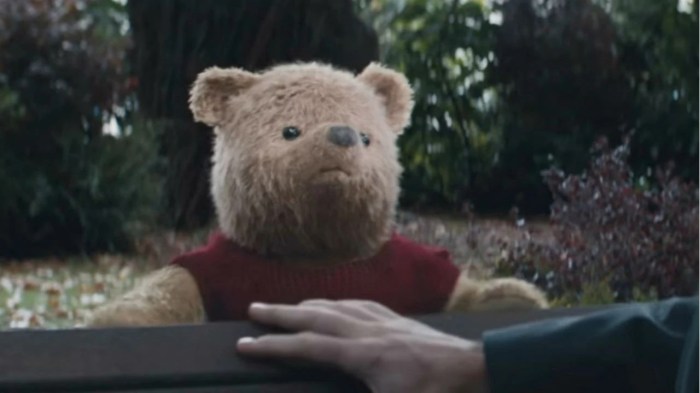
Jim cummings the voice behind pooh tigger and every character you ever loved – Jim Cummings, the voice behind Pooh, Tigger, and every character you ever loved, is a legendary voice actor whose career spans decades of iconic animated roles. From the heartwarming whispers of Winnie the Pooh to the boisterous energy of Tigger, Cummings has brought a unique vocal charm to countless beloved characters. His work has not only defined these characters but also shaped the landscape of animation, leaving an indelible mark on popular culture.
This exploration delves into the fascinating world of Jim Cummings’s career, examining his voice acting style, the impact of his iconic characters, and his contributions to animation and popular culture. We’ll analyze his vocal techniques, explore the evolution of his voice acting method, and delve into the visual representations of his characters, comparing them across different media. This deep dive promises to reveal the secrets behind Cummings’s masterful portrayal of so many beloved figures.
Jim Cummings’s Career Overview
Jim Cummings, a voice actor of remarkable versatility, has captivated audiences for decades with his portrayal of beloved characters across various animation series and films. His career spans decades, showcasing a profound understanding of character nuances and a remarkable ability to bring diverse personalities to life. He has left an indelible mark on the animation industry, becoming a true icon in the realm of voice acting.His talent extends beyond the realm of simple vocal imitation; Cummings demonstrates a keen ability to capture the unique essence of each character, whether it’s the mischievous Tigger or the wise Pooh Bear.
This meticulous approach to voice acting, coupled with his extensive experience, has solidified his status as one of the most respected and prolific voice actors in the industry.
Chronological Summary of Jim Cummings’s Career
Jim Cummings’s career began in the early 1980s, marking a significant point in his journey into the world of voice acting. He began working on several animation projects, and quickly established a reputation for his wide range of vocal abilities. His early roles often showcased his flexibility, as he took on various characters, demonstrating his commitment to bringing different personalities to life.
The sheer volume of projects he tackled during this period laid the foundation for his future success.
- Early 1980s: Beginnings in animation voice acting, with early roles in various projects.
- 1990s: Significant roles emerge, showcasing a growing portfolio of characters, indicating a widening range of vocal styles and character interpretations.
- 2000s-Present: Continues to deliver memorable performances, expanding his repertoire of characters and animation styles, showcasing a remarkable ability to adapt to diverse roles.
Evolution of Voice Acting Style
Cummings’s voice acting style has evolved over time, adapting to the specific needs of each project and character. His early work often showcased a more nuanced, detailed approach, focusing on the subtle nuances of each character. Over the years, his style has broadened to include a greater range of vocal expressions, and he demonstrates an impressive ability to transition between different tones and styles.
- Early Style: More detailed, focused on subtle nuances and individual character characteristics.
- Later Style: Broadened to include a wider range of vocal expressions, accommodating different animation styles and characters.
Key Characteristics Defining Cummings’s Approach
Several key characteristics define Cummings’s approach to voice acting. His dedication to understanding each character’s unique personality is evident in his work. He meticulously researches the character’s background and motivations, which leads to authentic and believable performances. This dedication is a cornerstone of his successful career. He also shows a remarkable ability to quickly adapt to different styles and projects, showcasing his flexibility and versatility.
Jim Cummings, the voice behind Pooh, Tigger, and practically every beloved character you’ve ever loved in animated films, is a true legend. It’s amazing to think of the hours of joy he’s brought to so many. To truly appreciate his work, you might want to check out a handy tool like Convert Videos to MP3 to extract the audio from some of his iconic performances.
Imagine listening to Winnie-the-Pooh’s cheerful voice, or Tigger’s bouncy roar, all on their own! That’s how much more you can appreciate Jim Cummings’s talent.
- Understanding Character Nuances: Thorough research into character backgrounds and motivations.
- Adaptability: Ability to quickly adapt to diverse styles and projects.
- Versatility: A remarkable ability to create various vocal expressions.
Comparison of Roles Across Animation Series and Films
This table provides a concise comparison of Jim Cummings’s roles across different animation series and films. The comparison demonstrates his diverse character portrayals and the flexibility of his voice acting style.
| Animation Series/Film | Character | Notable Voice Characteristics |
|---|---|---|
| Winnie the Pooh | Pooh Bear | Gentle, innocent, and often expressive of curiosity. |
| The Adventures of Winnie the Pooh | Tigger | Energetic, playful, and often characterized by a playful enthusiasm. |
| Kim Possible | Various | Wide range of characters, showcasing adaptability and vocal versatility. |
| Cloudy with a Chance of Meatballs | Various | Varied vocal tones, demonstrating adaptability to the demands of diverse characters. |
Analysis of His Iconic Characters
Jim Cummings’s mastery of vocal performance extends far beyond the realm of simple voice acting. He crafts nuanced characters, breathing life into them with a depth that resonates with audiences of all ages. His ability to embody diverse personalities through subtle vocal variations is a testament to his dedication and skill. This analysis will delve into the unique vocal characteristics he brings to beloved characters like Winnie the Pooh and Tigger, exploring how he shapes their personalities and impacts popular culture.Cummings’s vocal choices are not arbitrary; they are meticulously considered, contributing to the distinct personalities of each character.
The nuances in tone, pitch, and rhythm create a tapestry of vocal expression that allows audiences to connect with the characters on a deeper level. This careful crafting of vocal styles, evident across various media, further enhances the impact of these beloved characters on popular culture.
Pooh’s Gentle and Childlike Voice
Pooh’s voice is instantly recognizable, a warm, honeyed baritone that embodies the character’s gentle nature and childlike curiosity. This voice, consistently used across numerous Winnie the Pooh adaptations, is a key element in defining Pooh’s personality. It projects a sense of innocence and vulnerability, often tinged with a playful naiveté. This consistent vocal approach across different media reinforces Pooh’s enduring appeal, ensuring a familiar and comforting presence in each portrayal.
Tigger’s Energetic and Playful Tone
Tigger’s voice is a vibrant counterpoint to Pooh’s gentle nature. A high-pitched, almost effervescent tone, coupled with a distinctive, bouncy rhythm, embodies Tigger’s boundless energy and exuberant personality. The voice is characterized by a playful lilt and rapid-fire delivery, often filled with a cheerful enthusiasm. This unique vocal approach, employed consistently, is instrumental in conveying Tigger’s personality.
Vocal Variations Across Media
The vocal styles used for Pooh and Tigger exhibit subtle but significant variations across different media. In animated films, Cummings’s voice often features a slightly more rounded and expressive quality, capturing the essence of the character’s physical movements and emotions. In television series, the voice might be adapted to better suit the pacing and narrative style. Video games, with their different requirements for interaction, often require a more direct and straightforward vocal performance.
Jim Cummings, the voice behind Pooh, Tigger, and practically every cartoon character you loved, is truly a legend. Navigating the complexities of tax season, though, can feel a bit like wrestling with a grumpy Tigger. That’s why I’m recommending checking out this helpful resource on how to write a letter to the IRS to make the whole process a little less daunting.
Write a Letter to the IRS It’s amazing how someone who can so effortlessly bring beloved characters to life can also help you navigate the sometimes confusing world of tax forms. It’s a tribute to Jim Cummings’s talent, really.
The subtle adjustments in vocal delivery are crucial for maintaining the core personality of each character while adapting to the specific demands of each medium.
Impact on Popular Culture
Pooh and Tigger, voiced by Jim Cummings, have had a profound impact on popular culture. Their enduring appeal is a testament to the power of their distinct personalities, crafted through Cummings’s masterful vocal performances. The characters have become cultural icons, recognized globally for their charm and endearing qualities. They have transcended the boundaries of media, appearing in various merchandise, products, and cultural references.
Techniques for Emotional Expression
Cummings employs a range of vocal techniques to convey a spectrum of emotions and expressions. For instance, subtle changes in pitch and tone can convey feelings of excitement, sadness, or fear. The pacing and rhythm of his delivery also play a significant role in conveying the characters’ internal states. By modulating these elements, Cummings breathes life into the characters, making them relatable and memorable.
He employs pauses, emphasis, and the subtle inflections in speech to create the emotional nuances and portray the full spectrum of characters’ feelings.
Jim Cummings, the voice behind Pooh, Tigger, and countless other beloved characters, is truly a legend. It’s amazing to think about the impact he’s had on generations of children. Speaking of amazing, check out this fascinating hour-long interview with Jack White, where he sits down with Dan Rather, jack white sits down for hour long interview with dan rather.
While completely different topics, it’s still cool to see how different creative fields can intersect and inspire each other. Jim Cummings’s voicework is just as impressive, bringing so much joy to countless stories.
Impact on Animation and Popular Culture: Jim Cummings The Voice Behind Pooh Tigger And Every Character You Ever Loved
Jim Cummings’s voice work transcends mere animation; it’s woven into the fabric of popular culture. His diverse and often nuanced performances have profoundly shaped the way audiences perceive animated characters and, in turn, the animation industry itself. He has built a legacy of iconic voices that continue to resonate with generations.His contributions are not limited to providing a voice.
He has, through dedication and craft, brought life and personality to countless characters, making them memorable and endearing. This impact is evident in the enduring appeal of characters like Winnie the Pooh and Tigger, and extends to many other beloved animated figures. His performances have influenced the direction of animation, pushing the boundaries of vocal expression and character development within the medium.
Memorable Roles Beyond Pooh and Tigger, Jim cummings the voice behind pooh tigger and every character you ever loved
Jim Cummings’s range extends far beyond the cuddly bear and bouncy tiger. He has lent his voice to a plethora of memorable characters across various animated franchises. He is not just a voice actor; he is a chameleon, adapting his vocal talents to the unique needs of each character. This ability to embody diverse personalities is a testament to his exceptional talent and dedication.
Examples include the cunning and mischievous villains in many animated series.
- He has voiced characters in films like “The Emperor’s New Groove,” “Tangled,” and “The Princess and the Frog,” demonstrating a versatile approach to his craft.
- His performance in “The Powerpuff Girls” showcases his ability to embody a variety of different character archetypes.
- He also brought his skills to animated series such as “Kim Possible,” and “Gargoyles,” further exemplifying his extensive and varied portfolio.
Animated Franchises Featuring Jim Cummings’s Voicework
Jim Cummings’s voice has graced countless animated franchises, a testament to his versatility and talent. His extensive career spans a wide array of genres and characters.
| Animated Franchise | Character(s) Voiced |
|---|---|
| Winnie the Pooh | Winnie the Pooh, Tigger, Eeyore, Kanga, Roo |
| The Powerpuff Girls | Professor Utonium, Mojo Jojo, various other villains and characters |
| Kim Possible | Shego, various supporting characters |
| Gargoyles | Lexington, various supporting characters |
| Emperor’s New Groove | Kuzco, Yzma |
| Tangled | Pascal |
| The Princess and the Frog | Various supporting characters |
| and many others… | … including a multitude of characters in countless animated series and films. |
Impact on the Animation Industry
Jim Cummings’s impact on the animation industry is undeniable. His ability to bring depth and nuance to animated characters has influenced a generation of voice actors and continues to shape the way characters are portrayed in animation. His consistent dedication to perfecting his craft has served as a model for aspiring voice actors.
“Cummings’s work demonstrates that a voice actor can go beyond simple vocalizations; he imbues characters with a unique personality and emotional depth.”
His extensive experience across various genres and characters has broadened the understanding of what a voice actor can achieve. He has also pushed the boundaries of vocal performance, pushing the boundaries of expression in animation.
Cultural Impact of Jim Cummings’s Work
Jim Cummings’s characters have become ingrained in popular culture, transcending the medium of animation. His iconic performances have shaped the way audiences perceive animated characters, often leading to memorable moments and quotable lines. His characters are not just parts of stories; they are cultural touchstones. They become part of a shared experience. This is particularly true for the younger generations who experience these characters as part of their formative years.
Influence on Other Voice Actors
Jim Cummings’s influence on other voice actors is evident in their own approaches to character development and vocal performance. His ability to create relatable and memorable characters has served as an inspiration for many aspiring voice actors. He is widely considered a master of his craft, and his influence is felt across the animation industry. His work has encouraged many to strive for similar levels of nuance and depth in their own performances.
Vocal Techniques and Performance
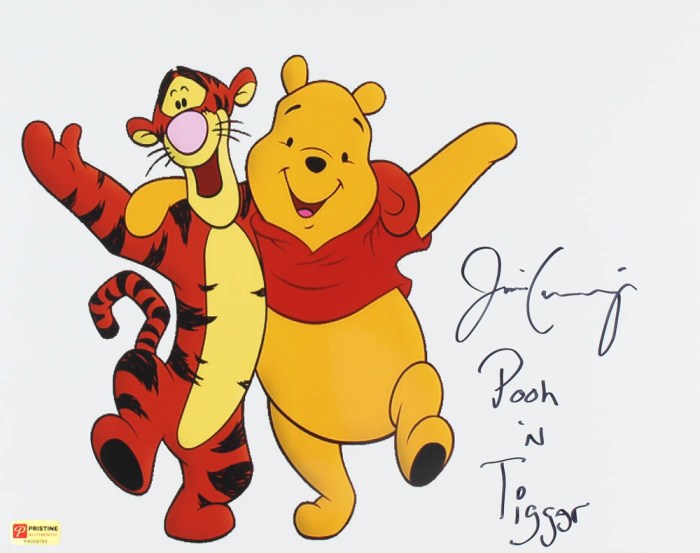
Jim Cummings’s remarkable vocal range and dexterity are crucial to his success in bringing a wide array of animated characters to life. He possesses a deep understanding of vocal techniques, allowing him to create distinct personalities for each character, from the mischievous Tigger to the wise Pooh. This mastery extends beyond simply mimicking sounds; it involves a nuanced understanding of vocal inflections, pitch, and tone to convey emotions and moods.
Vocal Inflections, Pitch, and Tone
Jim Cummings meticulously uses vocal inflections, pitch, and tone to create diverse character voices. He adjusts the pitch to portray age, whether a youthful exuberance or a mature wisdom. He modifies tone to convey different emotions, from the playful jocularity of Tigger to the comforting warmth of Pooh. Inflections are essential to conveying character traits, such as the quick-wittedness of a character like Kanga or the gruffness of a character like the Cheshire Cat.
These elements, combined with a profound understanding of the character’s personality, paint a rich audio portrait.
Portrayal of Emotions and Moods
Cummings demonstrates a remarkable ability to convey a spectrum of emotions through vocal nuances. For example, a slightly raised pitch and a playful inflection can evoke joy and excitement. A lower pitch with a somber tone can portray sadness or fear. A raspy voice might depict gruffness or anger. The subtle changes in vocal tone are pivotal in establishing the emotional landscape of each character.
The vocalization of a character like the mischievous and bouncy Tigger is a stark contrast to the calm and comforting voice of Pooh. These variations showcase the vast range of Cummings’ vocal talents.
Diverse Character Portrayal
The following table highlights the remarkable diversity of characters Jim Cummings has voiced, demonstrating his wide vocal range.
| Character Name | Character Traits | Example Vocal Technique |
|---|---|---|
| Pooh | Gentle, comforting, and often bewildered | Soft, soothing tones, with a slightly nasal quality |
| Tigger | Energetic, playful, and bouncy | High-pitched, fast-paced delivery, with exaggerated inflections |
| Kanga | Protective, nurturing, and motherly | Warm, comforting tones, with a slightly deeper register |
| Winnie the Pooh | Friendly, innocent, and loving | Soft, melodic voice, often using gentle sighs and murmurs |
| Cheshire Cat | Mysterious, enigmatic, and mischievous | A raspy, almost ethereal tone, with a playful, sarcastic inflection |
| Baloo | Gentle, wise, and carefree | A rich, deep baritone, with a soothing, calming quality |
| Roo | Playful, adventurous, and curious | A high-pitched, lively tone, with a slightly whiny quality |
Vocal Exercises and Techniques
Jim Cummings likely utilizes a variety of vocal exercises to maintain his vocal health and achieve the diverse range of voices he produces. These exercises could include vocal warm-ups, breathing exercises, and specific techniques for controlling pitch and tone. He likely practices vocal exercises and techniques specific to each character to best capture their personality and emotional range.
The specifics of these techniques remain undisclosed, as Cummings hasn’t publicly shared his methods.
Voice Acting Style and Method
Jim Cummings’s voice acting career isn’t just about mimicking; it’s a carefully crafted performance art. He meticulously shapes his voice, body language, and even his emotional approach to embody a multitude of characters. His mastery of vocal nuance, combined with extensive preparation, sets him apart in the animation industry.Cummings’s method is not merely about recreating a character’s personality through vocalizations; it’s a holistic approach.
He considers the character’s physical attributes, their place in the narrative, and their emotional arc to inform his vocal choices. This detailed understanding of the character allows him to create a nuanced and believable performance.
Characteristics of Cummings’s Voice Acting Method
Cummings’s approach is deeply rooted in meticulous preparation. He meticulously researches the character’s background, motivations, and relationships within the narrative. This allows him to infuse the voice with the appropriate emotional depth and subtlety. He meticulously considers the character’s physical traits, their place in the narrative, and their emotional arc to inform his vocal choices. He frequently uses physicality to enhance the vocal performance, mimicking actions or emotions through his body and voice.
This is evident in his portrayal of Tigger, where his energetic, bouncy voice and physicality perfectly embody the character’s enthusiasm.
Comparative Analysis with Other Voice Actors
While many voice actors excel in certain areas, Cummings stands out for his versatility. He can seamlessly shift between different vocal styles, from the high-pitched chirps of a bird to the gruff tones of a villain. This adaptability contrasts with some actors who might specialize in a specific vocal range or style. For instance, while other actors may excel at conveying a single emotion, Cummings excels at portraying the full spectrum of emotions and nuances within a character.
Embodying Different Characters
Cummings employs various techniques to embody different characters. He draws on his understanding of the character’s personality and background to create a unique vocal imprint. His ability to adapt his vocal style is remarkable. For example, his portrayal of Winnie the Pooh is characterized by a gentle, honey-like tone, while his interpretation of the villainous characters, like the evil sorcerer, often features a deeper, more menacing voice.
Preparation Process for Different Roles
Cummings’s preparation for a new role often involves extensive research and detailed planning. He listens carefully to the script, observing the character’s dialogue, interactions, and emotional cues. He also often reviews recordings of other voice actors who have previously voiced similar roles. This thorough approach ensures he creates a performance that is consistent with the overall narrative.
He often consults with the directors and animators to ensure his interpretation aligns with the intended vision for the character.
Adaptation to Different Animation Projects
Cummings’s adaptability extends to different animation projects. He seamlessly shifts his vocal styles to match the tone and atmosphere of each show. Whether it’s the whimsical nature of a children’s show or the darker tones of a more mature animated film, Cummings’s voice remains believable and fitting. This adaptability is a testament to his profound understanding of character and storytelling.
Visual Representation of Characters
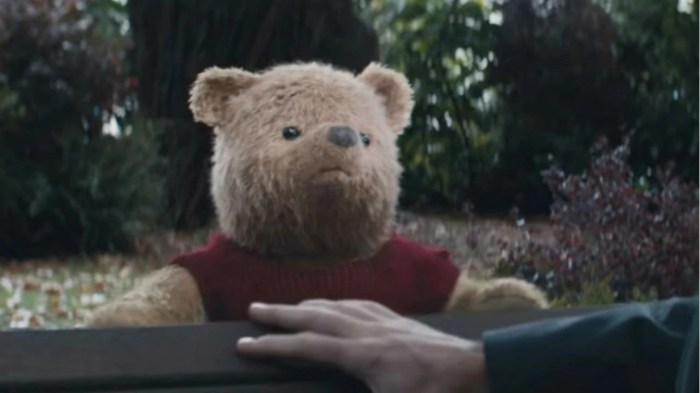
Jim Cummings’s mastery of voice acting extends beyond the auditory; his characters are deeply intertwined with their visual representations. The visual design of each character, from the iconic fluffiness of Winnie the Pooh to the bouncy energy of Tigger, significantly contributes to the overall impact and memorability of the voice performances. These designs, carefully crafted, work in harmony with the vocal nuances to create a complete and captivating character.The visual design of Pooh and Tigger, in particular, are integral to their distinct personalities.
The very way they look conveys much of their respective natures, and this visual language plays a vital role in understanding and appreciating the performances of Jim Cummings. The animation style, coupled with the careful selection of colors and shapes, directly influences the listener’s emotional response to the character.
Pooh and Tigger: Iconic Designs
The visual design of Winnie the Pooh is instantly recognizable. His rotund figure, large, expressive eyes, and gentle, rounded features embody a sense of childlike wonder and innocence. His iconic honey pot-shaped head and his soft, fluffy fur further reinforce his amiable and cuddly nature. The color palette, typically featuring shades of beige, yellow, and brown, contributes to the overall feeling of warmth and comfort associated with Pooh.Tigger, on the other hand, embodies boundless energy and playful exuberance.
His bright, vibrant orange fur, coupled with his large, round eyes and playful expression, conveys a sense of boundless energy and excitement. His distinctive striped pattern, and the way his body is depicted in a dynamic, almost bouncy style, further emphasizes his characteristic enthusiasm and eagerness.
Comparative Visual Analysis
| Character | Early Versions | Later Versions | Key Visual Differences |
|---|---|---|---|
| Winnie the Pooh | Rounder, softer features, more simplistic animation style | More detailed features, often with a more contemporary animation style | Evolution of animation techniques, increased detail in fur and expressions |
| Tigger | Bright orange fur, dynamic poses, simpler designs | Often depicted with more complex stripes, increased expressiveness | Increased complexity in design, emphasis on movement and energy |
This table highlights the evolution of Pooh and Tigger’s visual designs across different animation periods. The comparison shows how the artistic choices have adapted to changing animation techniques while maintaining the core characteristics of the characters.
Visual Representations of Other Characters
Jim Cummings’s voice acting extends far beyond Pooh and Tigger. His characters are as diverse as his vocal talents. For example, Kanga is depicted with a maternal warmth and nurturing demeanor, reflected in her gentle eyes and rounded forms. Her visual design emphasizes her role as a protective caregiver. Similarly, Roo’s small size and youthful appearance highlight his dependence on Kanga and his playful nature.
The visual design of these characters works in conjunction with their vocal performances to create a complete and engaging portrayal.Other characters, like the mischievous and sly characters fromThe Adventures of Winnie the Pooh*, feature specific visual cues to support their personalities. Their designs are meticulously crafted to emphasize their unique traits, adding layers of depth to the characters and to the storytelling.
The subtle nuances in their visual representations, from the way their eyes are drawn to their overall body proportions, add depth and complexity to the narrative.
Comparisons Across Different Media
Jim Cummings’s remarkable vocal versatility shines through in his portrayals of beloved characters across various media. From heartwarming animated features to thrilling video games, Cummings adapts his performance to suit the unique nuances of each medium, maintaining the essence of the character while adding layers of expression appropriate for the platform. This adaptability is a testament to his profound understanding of each character and his ability to transcend the limitations of different mediums.The diverse platforms through which Jim Cummings voices Winnie the Pooh and Tigger showcase the breadth of his talent.
Each medium demands a slightly different vocal approach, allowing for subtle shifts in tone and style, yet always keeping the core characteristics of the characters intact. This evolution demonstrates the deep understanding Cummings has of the characters, allowing him to bring them to life in captivating ways, no matter the form.
Winnie the Pooh’s Vocal Variations Across Media
Different mediums require different vocal approaches to capture the essence of a character. Winnie the Pooh, for example, needs a different vocal style in a movie versus a TV show, or a video game. The warmth and gentleness of Pooh’s voice need to be conveyed in a way that complements the animation style and narrative of each specific medium. In animated movies, the emphasis might be on conveying a wider range of emotions, while in a video game, the voice might need to be more concise and easily discernible over background sound effects.
- In animated movies, Pooh’s voice often takes on a more expressive quality, allowing for a broader range of emotions to be conveyed. This is particularly noticeable in scenes of excitement, concern, or joy. For example, in “Winnie the Pooh and the Honey Tree,” his voice conveys a childlike wonder and enthusiasm when encountering honey.
- In TV series, the vocal style often leans towards a more consistent tone, mirroring the frequent repetition of comedic and comforting situations. The voice is designed to fit the rhythm and pace of the show, maintaining a consistent charm without overly theatrical displays.
- Video games often require a more concise and easily understandable vocal delivery, especially when coupled with action-oriented gameplay. The voice needs to be clear and easily distinguishable over background sound effects, ensuring that Pooh’s lines can be heard and understood amidst the dynamic gameplay. This is evident in interactive video games where players must respond to Pooh’s voice cues in real-time.
Tigger’s Evolution Across Different Media
Tigger’s boundless energy and exuberant personality require a distinct vocal style to maintain his essence in different media. The bouncy, high-pitched vocalizations, coupled with his infectious enthusiasm, need to be appropriately adjusted to fit the context and tone of the medium.
- In movies, Tigger’s voice is often more boisterous and expressive, highlighting his energy and excitement. This amplified portrayal enhances his comedic presence and allows for a broader spectrum of emotional expression.
- In TV series, Tigger’s vocal style maintains a playful tone but is adjusted to suit the pacing of the show. His exuberance remains prominent, but the overall energy is calibrated to match the general tone of the episodes.
- Video games often demand a more concise and easily discernible vocal delivery, requiring Tigger’s voice to be clear and distinct amidst background sounds. This focused approach to his voice allows for seamless integration with the gameplay mechanics.
Comparative Analysis of Character Adaptations
| Character | Movie | TV Series | Video Game |
|---|---|---|---|
| Winnie the Pooh | Warm, gentle, expressive | Consistent, charming, comforting | Clear, concise, easily understandable |
| Tigger | Boisterous, expressive, high-energy | Playful, exuberant, calibrated energy | Clear, distinct, focused energy |
Last Point
Jim Cummings’s remarkable career as a voice actor has left an undeniable mark on animation and popular culture. His ability to bring such depth and nuance to his characters, from the gentle charm of Pooh to the exuberant energy of Tigger, has resonated with audiences for generations. This comprehensive look at his career, from his iconic roles to his vocal techniques, highlights the remarkable impact he has had on the world of animation.
His contributions have influenced countless other voice actors and will undoubtedly continue to inspire future generations.