
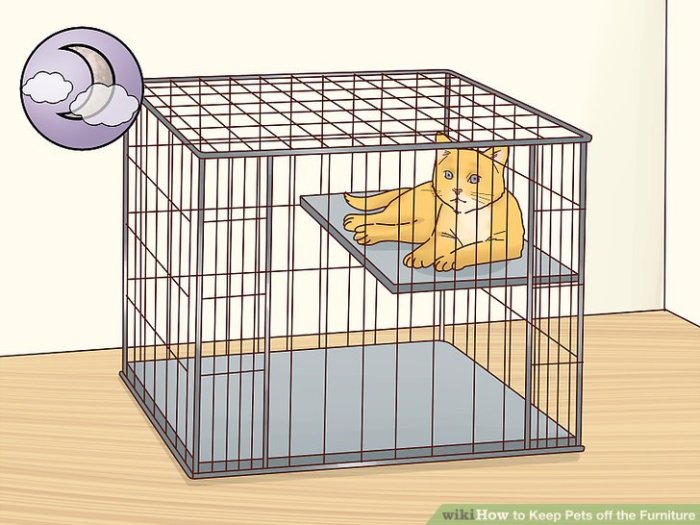
Keep Pets off the Furniture is crucial for maintaining a clean and damage-free home. Pet owners often face the challenge of keeping their furry friends off furniture, balancing their pets’ comfort with the preservation of their valuable belongings. This guide explores the reasons behind this need, practical methods for preventing pets from climbing, training techniques, and protective measures for furniture.
We’ll also discuss alternative spaces for your pets to rest comfortably.
This comprehensive guide covers various aspects, from the reasons why you might want to keep pets off furniture to the creation of comfortable alternative spaces for your furry friends. We’ll explore a variety of methods to discourage unwanted behavior, while also looking at how to protect your furniture from damage. It’s all about achieving a happy balance between your pet’s needs and your home’s well-being.
Reasons for Keeping Pets Off Furniture
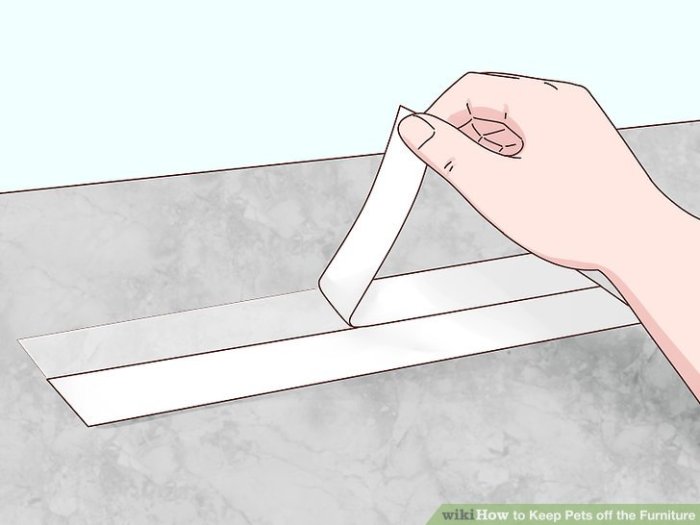
A common sight in many homes is pets lounging comfortably on furniture. However, there are compelling reasons to keep pets off furniture, extending beyond mere aesthetics. Maintaining a clean and safe environment for both pets and people is paramount, and understanding these factors can lead to a healthier and happier home.Furniture, especially upholstered pieces, can quickly become soiled with pet fur, dander, and even accidental messes.
Preventing these issues from occurring is crucial for preserving the longevity and aesthetic appeal of your furniture. Furthermore, a pet’s claws and teeth can cause damage, ranging from scratches to more significant tears, impacting both the value and appearance of the furniture. Pet safety and health are also important considerations when deciding whether or not to allow pets on furniture.
Common Reasons for Keeping Pets Off Furniture
Maintaining a clean home is a primary concern for pet owners. Pet fur, dander, and occasional accidents can accumulate on furniture, requiring significant cleaning efforts. This includes regular vacuuming, spot treatments, and even professional cleaning in some cases. Preventing these issues is far easier than trying to remove them later.
Furniture Cleanliness and Damage Prevention
Preventing damage to furniture is another key reason for keeping pets off. Pets’ claws can scratch upholstery, and their teeth can cause damage to delicate fabrics. Over time, these seemingly minor issues can accumulate, leading to costly repairs or replacements. Proactive measures, like keeping pets off furniture, can significantly extend the life of your furniture and save you money in the long run.
Keeping pets off the furniture is a constant battle, isn’t it? It’s like trying to corral a cloud. But hey, at least there’s some good news tonight: Kanye West is playing NYC shows, following the Governors Ball cancellation! Check out the details here. Still, my cat insists on claiming the couch as her personal kingdom, and I’m pretty sure the dog thinks the armrests are made of the most delicious catnip.
Gotta keep up the fight, though!
Pet Safety and Preventing Accidents
Accidental injuries on furniture can pose a serious risk to pets. For example, a pet could fall from a high piece of furniture, resulting in injuries like sprains, fractures, or even more serious complications. Furthermore, pets may ingest harmful substances from the furniture, or be exposed to allergens or other health hazards.
Identifying Potential Health Hazards
Pet owners should be aware of potential health hazards associated with pets on furniture. Fleas, ticks, and other parasites can find refuge in the soft fabrics of furniture. Furthermore, allergens from pet dander or saliva can trigger allergic reactions in humans, potentially leading to discomfort or even more serious health issues. Regular cleaning and maintaining a pet-free zone on furniture can minimize these risks.
Pros and Cons of Pets on Furniture
| Reason | Benefit | Potential Issue | Solution |
|---|---|---|---|
| Pet comfort | Provides a comfortable resting spot for pets. | Potential for soiling furniture with fur, dander, and accidents. | Regular cleaning and preventative measures. |
| Increased interaction | Provides opportunities for closer interaction between pets and owners. | Potential for damage to furniture from claws and teeth. | Keeping pets off furniture and using protective coverings. |
| Accessibility | Allows easy access to pets for grooming or observation. | Potential for increased allergen exposure and spread of parasites. | Regular cleaning and maintaining a pet-free zone on furniture. |
| Ease of pet care | Convenience for pet owners. | Risk of accidental injuries or ingestion of harmful substances from furniture. | Supervise pets closely and ensure safe furniture arrangements. |
Methods for Preventing Pets on Furniture
Keeping pets off furniture isn’t just about aesthetics; it’s about protecting your belongings and ensuring your pet’s safety. A well-planned strategy, incorporating deterrents and alternative spaces, can dramatically reduce unwanted furniture-climbing behavior. This section explores effective methods to discourage pets from jumping on furniture and creating a more comfortable and safe environment for everyone.
Designing a Plan to Discourage Jumping
A proactive approach is key to preventing pets from jumping onto furniture. Start by identifying the triggers – is it a specific type of furniture, a particular time of day, or a combination of factors? Once you understand the triggers, you can implement targeted solutions. Consider the pet’s motivation: is it curiosity, a desire for a higher vantage point, or perhaps a need to mark territory?
Understanding the “why” behind the behavior helps develop a more effective strategy.
Creating a Less Appealing Environment on Furniture
Making furniture less inviting is crucial. This can be achieved through a combination of physical and sensory deterrents. Using textured fabrics, like those with raised patterns, can create an uncomfortable surface for pets. The added friction can make jumping less appealing. Another effective strategy is to place items on the furniture that are unpleasant to pets, but safe for them.
Consider using strategically placed toys or treats that they can only access on the floor. This approach creates a more positive association with the floor space.
Deterrent Methods: Sprays, Sounds, and Physical Barriers
A range of deterrents can be employed to discourage pets from jumping. These include sprays that release a mild, unpleasant odor when a pet approaches the furniture. Sounds, such as ultrasonic devices, can also be effective in deterring unwanted behavior. Physical barriers, such as specialized furniture covers or anti-scratch pads, create a less accessible environment. Proper application of these methods is key to their success.
Keeping pets off the furniture is a constant battle, isn’t it? It’s like a never-ending game of “tug-of-war” with furry, four-legged opponents. And then there’s this whole other battle going on, like the one involving Brian Eno and an Israeli dance company’s use of his music. This situation highlights the complexities of creative rights and the importance of respecting artistic boundaries.
Ultimately, though, the struggle to keep those furry friends off the furniture still reigns supreme in my house.
Making Furniture Less Accessible
Strategic placement of furniture can significantly impact a pet’s access. Placing furniture against walls or other obstacles that prevent easy access can make jumping less appealing. Furthermore, keeping frequently used furniture out of reach, or moving furniture to different locations, will deter pets from jumping. By changing the environment, you are altering the perceived accessibility of the furniture.
Creating a Comfortable and Safe Alternative Space
Providing a dedicated and comfortable alternative space for your pet is essential. This space should include a cozy bed, toys, and possibly even a scratching post. This creates a positive association with the designated area, making it a preferred spot for the pet to relax. This can significantly reduce the likelihood of the pet seeking alternative spots, like furniture.
Table of Deterrent Methods
| Method | Description | Effectiveness | Potential Drawbacks |
|---|---|---|---|
| Texture-based deterrents | Using furniture with raised patterns or textures to create an uncomfortable surface. | Often effective in reducing jumping, especially when combined with other methods. | May not be suitable for all furniture types or pet personalities. |
| Odor-based deterrents | Using sprays that release a mild, unpleasant odor when a pet approaches the furniture. | Can be effective for short-term, but may need to be reapplied. | Some pets may become accustomed to the smell. |
| Sound-based deterrents | Using ultrasonic devices that emit high-frequency sounds to deter pets. | Potentially effective, but may not be suitable for all pets or environments. | Some pets may become habituated to the sound. |
| Physical barriers | Using furniture covers, anti-scratch pads, or other physical barriers to prevent access. | Highly effective in preventing physical access to furniture. | May require ongoing maintenance or adjustments depending on the barrier. |
Training Pets to Stay Off Furniture
Furniture-bound pets are a common sight, but they aren’t always welcome. This section delves into positive reinforcement training techniques to help you teach your furry friend to respect your furniture. Understanding the reasons behind their furniture obsession is key to developing effective training strategies.Positive reinforcement is a cornerstone of effective pet training. This approach focuses on rewarding desired behaviors rather than punishing unwanted ones.
It builds a strong bond between you and your pet, making training a positive experience for everyone. Using treats, praise, or toys as rewards encourages your pet to associate staying off furniture with positive outcomes.
Positive Reinforcement Techniques
Positive reinforcement relies on associating desired behaviors with rewards. This creates a positive association for your pet, making the behavior more likely to be repeated. Start by rewarding any instance of your pet not jumping on the furniture, even if it’s just for a brief moment. Gradually increase the duration of the desired behavior until your pet understands the expectation.
Consistency is crucial; every time your pet stays off the furniture, reward them.
Establishing Boundaries
Clear boundaries are essential for any training program. These boundaries will help your pet understand what is and isn’t acceptable. Using physical barriers, like gates or baby fences, can be helpful. Make sure these barriers are securely placed to prevent your pet from getting around them. Consider strategically placing furniture in a way that limits access to high-traffic areas.
Redirecting Unwanted Behaviors
Redirecting unwanted behaviors, such as jumping, is crucial for training. When your pet starts to jump on the furniture, immediately redirect their attention to a more appropriate activity. Throw a favorite toy, offer a treat, or engage in a short play session. The key is to provide an alternative outlet for the energy or desire driving the unwanted behavior.
Different Training Approaches
Several approaches exist for training pets to stay off furniture. Classical conditioning, where a neutral stimulus is paired with an unpleasant one, is sometimes used. However, positive reinforcement methods are generally considered more humane and effective in the long run. The success of any method hinges on consistency and patience. The goal is not just to stop the behavior, but to replace it with a more desirable one.
Common Mistakes Pet Owners Make
Pet owners often make mistakes that hinder their training efforts. One common mistake is inconsistent application of rules. Another is using punishment, which can create fear and anxiety in your pet. Another common mistake is rewarding unwanted behaviors unintentionally. For example, if you pet gets on the furniture and you accidentally give it attention, you reinforce the behavior.
Training Method Comparison
| Method | Steps | Potential Issues | Tips for Success |
|---|---|---|---|
| Positive Reinforcement | Reward desired behavior (no jumping) with treats, praise, or toys. Ignore unwanted behavior. | Requires patience and consistency. May take time to see results. | Be consistent in your rewards. Use high-value treats. Be prepared for occasional setbacks. |
| Classical Conditioning | Pair unwanted behavior (jumping) with an unpleasant stimulus (e.g., a loud noise). | Can create fear and anxiety in the pet. Potentially less effective in the long run. | Use this method sparingly, if at all. Focus on positive reinforcement whenever possible. |
Furniture Protection for Pets on Furniture
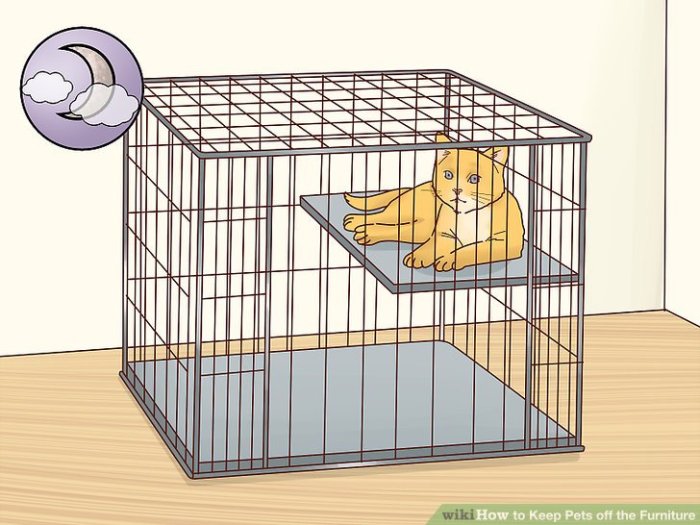
Protecting your furniture from your furry friends requires a multifaceted approach. Simply keeping pets off furniture isn’t always enough. Knowing how to fortify your upholstery and choose pet-resistant materials is crucial to maintaining the aesthetic and longevity of your home décor. This section dives into practical measures to safeguard your investment and minimize pet-related damage.A proactive approach to furniture protection is far more effective than reactive measures.
Taking preventative steps early can save you significant time, money, and stress down the road. By understanding the potential damage and implementing appropriate safeguards, you can ensure your furniture remains in pristine condition, even with the presence of playful or inquisitive pets.
Protective Measures for Furniture Exposed to Pets
A range of protective measures can be implemented to safeguard furniture against pet damage. Regular cleaning, strategic placement of furniture, and thoughtful material selection are all vital steps. For example, placing furniture in areas less prone to pet activity, or using furniture covers, can significantly reduce the risk of damage.
Specialized Furniture Covers
Specialized furniture covers offer a valuable layer of protection. These covers, often made from durable, stain-resistant materials like water-resistant fabrics, act as a barrier between your furniture and your pets. They are especially helpful for sofas, chairs, and other frequently used items. Look for covers that are easy to clean and maintain to ensure they effectively prolong the life of your furniture.
Improving the Durability of Furniture Fabrics
The durability of furniture fabrics plays a critical role in their resistance to pet damage. Some fabrics are naturally more resistant to scratches, stains, and tears than others. Consider materials like high-quality, tightly woven fabrics when selecting furniture for your home. Additionally, investing in furniture with reinforced stitching and construction can significantly enhance its overall durability.
Cleaning Furniture to Prevent Pet Stains and Odors
Regular cleaning is essential to preventing pet stains and odors. Use appropriate cleaning solutions and techniques tailored to the specific fabric of your furniture. Employ a gentle approach to avoid further damage to the fabric. Furthermore, addressing spills promptly can prevent them from becoming permanent stains.
Choosing Furniture Resistant to Pet Damage
Choosing furniture resistant to pet damage is an important aspect of pet-friendly décor. Consider the materials, construction, and design of furniture when making your purchase. For example, leather or microfiber furniture often exhibits greater resistance to pet damage compared to more delicate fabrics.
Furniture Protection Strategies
| Strategy | Description | Cost | Effectiveness |
|---|---|---|---|
| Specialized Furniture Covers | Covers protect furniture from pet scratches, stains, and spills. | Moderate | High |
| Durable Fabrics | Tightly woven fabrics and materials like leather are less susceptible to damage. | Variable | High |
| Regular Cleaning | Promptly addressing spills and using appropriate cleaning solutions. | Low | Moderate |
| Furniture Placement | Placing furniture in areas less prone to pet activity. | Low | Moderate |
| Pet-Resistant Furniture | Choosing furniture made from materials resistant to pet damage. | High | High |
Visual Examples of Furniture and Pet Interactions
Seeing a beloved pet lounging on a favorite piece of furniture can be heartwarming. However, the reality is that these seemingly innocent moments often lead to unsightly, and sometimes costly, damage. Understanding the visual impact of pets on furniture is crucial for making informed decisions about pet-proofing your home.The visual contrast between pristine furniture and furniture marred by pet activity is striking.
A plush, velvet sofa, newly upholstered in a deep navy blue, presents a stark visual contrast to the same sofa with a muddy paw print, or worse, a shredded section. The elegance and cleanliness of the furniture are immediately diminished by the pet’s presence, highlighting the importance of preventative measures.
Keeping pets off the furniture might seem like a strict rule, but it’s a crucial part of maintaining a harmonious home environment. It’s about establishing boundaries and ensuring your furry friend feels secure and loved. Ultimately, you’re working towards building a strong bond with your pet, just like you might with a human friend; a great way to do that is by making a Best Friend Make a Best Friend.
By creating a comfortable space for your pet, separate from your furniture, you’re helping them feel appreciated and respected, leading to a happier home for everyone. This is key for ensuring your furniture stays pristine and your pet stays happy.
Scenarios of Pets on Furniture
Visual cues often indicate potential issues. A fluffy Persian cat nestled in the middle of a sun-drenched armchair, while adorable, might be a sign of a future fur-covered situation. A golden retriever sprawled across the armrest of a delicate wooden chair will likely result in scratches and stains. It’s essential to understand the visual cues before the damage becomes permanent.
| Scenario | Visual Description |
|---|---|
| A small dog nestled on a white microfiber couch | The dog’s fur, likely shedding, would be visible against the white fabric, potentially leaving small hair tufts and stains. The fur would create a contrast against the clean fabric, suggesting a need for frequent cleaning. |
| A large dog with muddy paws on a light-colored rug next to a sofa | The muddy paws would be clearly visible on the light-colored rug, potentially leaving muddy prints that could transfer to the adjacent sofa. The dark marks would contrast sharply with the rug’s light color. |
| A cat scratching a leather sofa | The leather would show clear signs of scratching, possibly with visible claw marks, creating a ragged appearance. The contrast between the smooth leather and the uneven scratches is significant. |
| A pet chewing on a fabric-covered armchair | The fabric of the armchair would exhibit visible damage, such as frayed threads or missing sections. The contrast between the intact fabric and the damaged sections would be apparent, showing a clear need for repair. |
Damage Resulting from Pet Activity
A scenario of pet damage on a sofa vividly illustrates the consequences of allowing pets on furniture. Imagine a cream-colored sofa. A medium-sized dog, with its claws embedded in the sofa’s fabric, has left deep scratches, and some fabric has been pulled out, creating a tear. The damaged area is a stark contrast to the undamaged portions of the sofa, making the damage immediately noticeable.
The once pristine sofa now displays the results of a pet’s actions, highlighting the need for prevention.
Pet-Friendly vs. Pet-Proofed Furniture
A pet-friendly sofa, designed with pet-proofing in mind, would have durable materials, like stain-resistant fabrics and reinforced stitching. It would feature a robust structure resistant to scratching and chewing. The fabric would be less susceptible to damage, showcasing a lower visual contrast between the pet’s activity and the sofa’s appearance. Conversely, a sofa not exposed to pet damage would show its original condition and pristine state, with no visible signs of wear and tear.
The visual difference between the two is profound, demonstrating the importance of pet-proofing furniture.
Alternatives to Furniture for Pets
Providing a comfortable and safe resting space is crucial for a pet’s well-being. Just as humans need designated areas for relaxation, pets benefit greatly from having a space specifically designed for them to unwind and sleep. This designated area promotes a sense of security and reduces the temptation to use furniture as a resting spot. This section explores the importance of providing alternative spaces for pets, including pet beds, and how to create an inviting environment for them.Creating a designated resting area for pets beyond the sofa and chairs is vital.
It not only prevents furniture damage but also fosters a healthier, more balanced environment for both pets and their human companions. This alternative space allows pets to have their own personal sanctuary, which promotes better behavior and reduces stress.
Alternative Resting Spaces
Creating alternative resting spaces is essential for pet well-being and furniture preservation. Beyond just a bed, consider diverse spaces that offer comfort and security. Here are some ideas:
- Dedicated Corner: A cozy corner in a quiet room, lined with soft blankets and pillows, can provide a sense of security and privacy for pets.
- Elevated Platform: A sturdy platform, even a few stacked boxes, can provide a higher vantage point and a feeling of security, especially for cats who enjoy watching their surroundings.
- Dog House/Cat House: A sturdy dog house or cat house can offer a separate, enclosed space for pets to retreat to. This can be especially important for dogs and cats who enjoy solitude.
- Under-the-bed space: A comfy bed placed under a bed provides a secluded and private resting spot.
- Outdoor space (if applicable): A covered patio or a portion of the backyard with a cozy outdoor bed can offer pets a change of scenery and outdoor enjoyment, especially for those who love the fresh air.
Benefits of Pet Beds
Pet beds provide numerous benefits, making them an excellent alternative to furniture. They offer a dedicated, comfortable space for your pet to rest, and a tailored bed ensures the proper support for their joints and muscles.
- Enhanced Comfort: Pet beds offer a comfortable surface for pets to rest on, which can reduce pressure points and promote better sleep quality.
- Joint Support: High-quality pet beds can provide essential support for a pet’s joints, especially as they age, reducing the risk of pain and stiffness.
- Injury Prevention: A dedicated bed reduces the risk of injuries related to jumping on or off furniture, as pets can safely get in and out of their designated space.
- Hygiene: A washable bed allows for easier cleaning and maintaining hygiene, ensuring a healthy environment for your pet.
Setting Up a Comfortable Space, Keep Pets off the Furniture
Creating an inviting and comfortable space for your pet involves careful consideration of their preferences and needs. The following steps will help you create a haven for your furry friend.
- Location Selection: Choose a quiet, comfortable location where your pet feels secure. Avoid areas with excessive noise or foot traffic.
- Bed Selection: Select a bed that matches your pet’s size and breed. Consider materials, support, and the pet’s preferences.
- Comfort Enhancement: Add soft blankets, pillows, or toys to make the space more appealing. Providing familiar scents or items can also make the space feel like home.
- Supervision: Allow your pet to explore and adjust to their new space. Provide supervision and positive reinforcement to encourage use.
Importance of a Designated Resting Place
A designated resting place is crucial for a pet’s well-being and helps to reduce stress and anxiety. It provides a sense of security and helps them establish a routine.
A designated resting place is a vital aspect of a pet’s overall health and happiness, fostering a calmer and more predictable environment.
Types of Pet Beds
Various types of pet beds cater to different breeds and preferences. The choice of bed depends on factors such as size, breed, and potential medical conditions.
| Type | Suitability |
|---|---|
| Orthopedic Beds | For pets with joint problems or older pets, providing enhanced support. |
| Cushioned Beds | For general use, offering comfort and cushioning. |
| Elevated Beds | For cats, offering a higher vantage point and a feeling of security. |
| Donut Beds | For pets who prefer to curl up, providing support for the neck and head. |
Items for a Pet’s Resting Area
A well-equipped resting area includes items that promote comfort and security. These items can help create a welcoming and personalized space for your pet.
- Blankets and Pillows: Soft blankets and pillows can enhance comfort and provide a cozy feel.
- Toys: Favorite toys can be placed in the area to keep your pet entertained and engaged.
- Food and Water Bowls: Placement of bowls should consider your pet’s preferences.
- Treats: Rewarding your pet for using their designated resting area can encourage its use.
End of Discussion: Keep Pets Off The Furniture
In conclusion, keeping pets off furniture is about more than just aesthetics. It’s about safeguarding your home’s integrity, protecting your pets’ health, and creating a harmonious living environment for everyone. By understanding the reasons, implementing effective prevention strategies, and providing alternative resting areas, you can maintain a clean, safe, and comfortable home for both you and your furry companions.
Remember, a little effort goes a long way in achieving this happy balance.