
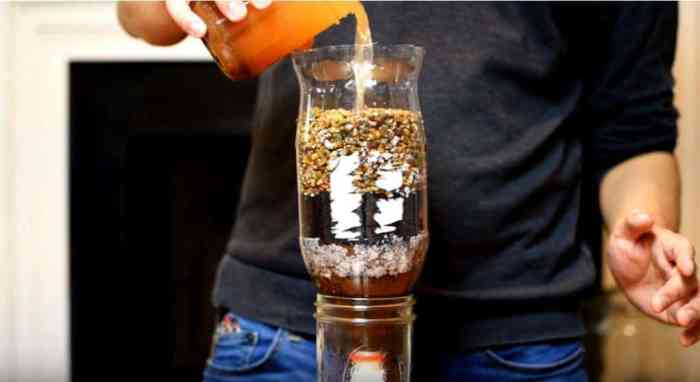
Make a Water Filter: This guide dives into the fascinating world of creating your own water filtration system. From understanding different filter types to crafting a simple, effective DIY solution, we’ll walk you through every step. Whether you’re looking for a reliable water source in an emergency or just want to save money, building a water filter is a rewarding project.
We’ll cover everything from the science behind filtration to the practical steps of construction, ensuring you have the knowledge and confidence to create a safe and functional filter. This comprehensive guide also includes testing methods and troubleshooting tips, ensuring your water is not only clean but also safe to drink.
Introduction to Water Filters
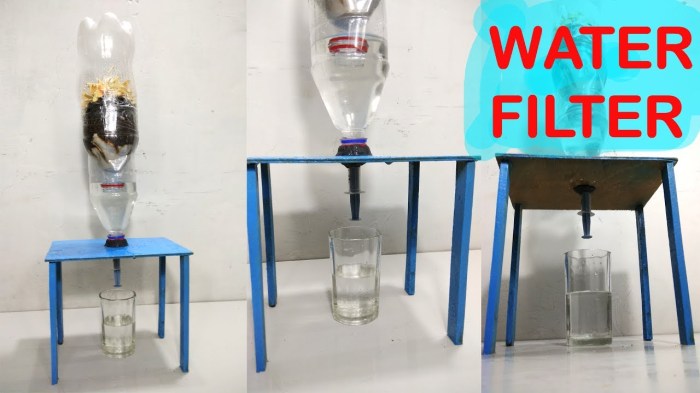
Clean drinking water is essential for human health. Contaminants in water sources can pose serious risks, ranging from minor digestive issues to severe health problems. Investing in a reliable water filter system is a proactive step towards ensuring the safety and well-being of yourself and your family. This post explores various water filter types, their functionalities, costs, and ease of use, providing a comprehensive guide to selecting the right filter for your needs.Understanding the different types of water filters available allows you to make an informed decision.
Different filters target different contaminants, and their effectiveness varies based on the specific needs and conditions of your water source. A crucial aspect of selecting a filter is understanding the contaminants present in your local water supply.
Types of Water Filters
Various water filter systems are available to address specific needs. From simple pitcher filters to more complex whole-house systems, each type offers a unique approach to purifying water. The best choice depends on the volume of water you need to filter, the level of filtration required, and your budget.
Common Water Contaminants
Water sources can harbor various contaminants that impact human health. These contaminants can be broadly categorized into chemical, biological, and physical pollutants. Common chemical contaminants include heavy metals like lead and mercury, pesticides, and industrial chemicals. Biological contaminants include bacteria, viruses, and parasites, often present in untreated water sources. Physical contaminants, such as sediment and suspended particles, can affect water clarity and taste.
Understanding the specific contaminants in your water source is crucial for selecting an appropriate filter system.
Examples of Water Filter Systems
Different types of water filters cater to varying needs and budgets. Pitcher filters are a popular and affordable option for smaller households, providing convenient filtration for drinking water. Countertop filters offer enhanced filtration capabilities compared to pitcher filters, often including additional features like adjustable flow rates and multiple filter stages. Whole-house water filter systems provide comprehensive filtration for all water entering your home, ensuring cleaner water for every appliance and fixture.
Comparison of Water Filter Systems
| Filter Type | Features | Cost | Ease of Use |
|---|---|---|---|
| Pitcher Filter | Simple, affordable, filters water as needed, generally suitable for small families or individuals. | Lowest | Very Easy |
| Countertop Filter | Provides more filtration stages, higher water flow rate compared to pitcher filters. | Medium | Easy |
| Under-Sink Filter | High filtration capacity, multiple stages for different contaminants. | Medium to High | Easy to Moderate |
| Whole-House Filter | Filters all water entering the home, providing clean water for all fixtures and appliances. | Highest | Moderate |
Methods for Making a Water Filter: Make A Water Filter
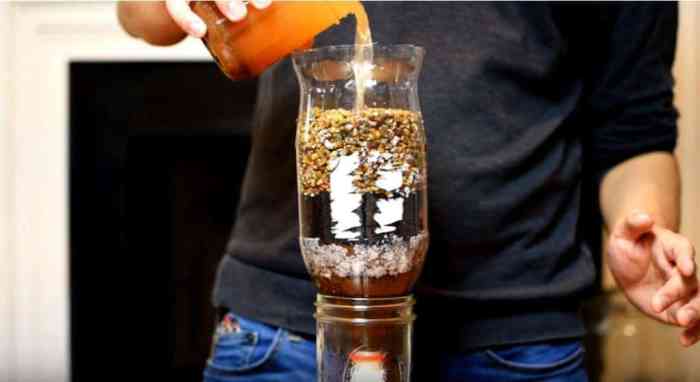
Creating a basic water filter at home can be a resourceful and cost-effective way to ensure safe drinking water, especially in areas with limited access to clean water sources. This method offers a practical solution for purifying water, utilizing readily available materials. Understanding the different methods and their effectiveness is crucial for selecting the most suitable option for your specific needs.The efficacy of a homemade water filter hinges on the materials used and the filtration process.
Different methods employ various combinations of filtration layers, each contributing to the removal of contaminants. Carefully selecting and layering materials is essential to achieve effective filtration. Understanding the safety considerations is also paramount to prevent potential health risks.
Gravity Filter Method
This method leverages gravity to pull water through a series of filtration layers. It’s a simple and widely applicable technique, often the most straightforward choice for DIY water filtration.
- Materials Selection: Essential materials for a basic gravity filter include a container (e.g., a large plastic bottle), various filtration layers, and a secondary container to collect the filtered water. Choosing appropriate materials for each layer is crucial for effective contaminant removal. Common choices for filtration layers include sand, gravel, activated charcoal, and layers of fabric or cloth.
The precise selection of materials depends on the specific contaminants present in the water source.
- Layer Arrangement: The arrangement of layers within the filter significantly impacts the efficiency of the filtration process. A proper layering sequence ensures effective removal of impurities. A typical sequence starts with a layer of gravel at the bottom to provide support and prevent clogging. This is followed by sand, activated charcoal, and a layer of cloth or fabric to trap suspended particles.
Proper layering allows the water to pass through each layer effectively, ensuring gradual filtration.
- Effectiveness and Efficiency: The gravity filter method’s effectiveness depends heavily on the materials used and the meticulous layering of the filtration media. The method is generally effective in removing sediment, suspended particles, and some microorganisms. However, its efficiency in removing certain chemical contaminants may be limited, especially without additional treatment steps.
- Safety Considerations: Ensuring the cleanliness of all materials is critical to prevent contamination of the filtered water. Proper sanitation of the container and the filtration materials is paramount to maintain hygiene. Regular cleaning and maintenance are essential to prolong the lifespan and efficacy of the filter. Boiling the water after filtration is also advisable to further kill any remaining microorganisms.
Sand Filter Method, Make a Water Filter
This method employs sand as a primary filtration medium. Sand’s ability to trap particulate matter makes it a practical choice for water purification.
- Materials Required: A container for the water source and a secondary container to catch the filtered water, sand, gravel, and a layer of cloth or fabric are necessary components. The specific types of sand used will influence the filtration process, so the appropriate choice must be made.
- Efficiency and Effectiveness: The effectiveness of the sand filter method depends largely on the grain size of the sand used and the thickness of the sand layer. Larger particles are more readily removed compared to smaller particles. The method proves efficient in removing sediment, but it might not be as effective in removing microorganisms or chemical contaminants. The sand filter’s effectiveness is highly dependent on the quality of the sand and the filtration layers used.
- Safety Precautions: The sand used must be clean and free from contaminants. Proper cleaning of the container and the sand is essential. After filtering, boiling the water is highly recommended to kill any remaining microorganisms.
Table: Simple Gravity Filter Materials
| Material | Function | Approximate Cost |
|---|---|---|
| Large Plastic Bottle (5-gallon) | Container | $1-$2 |
| Gravel | Support, prevents clogging | $0.50-$1 |
| Sand | Filtration | $1-$2 |
| Activated Charcoal | Removes impurities | $3-$5 |
| Cloth/Fabric | Traps suspended particles | $0.50-$1 |
| Secondary Container | Collects filtered water | $1-$3 |
Materials and Components
Crafting a functional water filter requires careful selection of materials. The effectiveness of the filter hinges on the chosen components and their ability to trap impurities while allowing clean water to pass through. Understanding the function of each material is crucial for building a reliable and efficient filtration system.
Common Materials
A variety of readily available materials can be used to construct a DIY water filter. These materials, when combined correctly, create a layered filtration system. The effectiveness of each layer depends on its ability to remove specific contaminants.
- Gravel: Gravel, with its larger particle size, acts as a foundational layer. It prevents finer filter media from being washed away during the filtration process and promotes proper water flow. It also provides a stable base for subsequent layers.
- Sand: Sand, due to its granular nature, effectively traps suspended particles and sediments. It filters out larger particles that may have passed through the gravel layer. Sand’s porous structure allows water to flow through while retaining impurities.
- Activated Charcoal: Activated charcoal plays a significant role in absorbing dissolved organic compounds and chlorine. Its porous structure is ideal for adsorption, which is the process of attracting and holding molecules on its surface. This process significantly reduces unpleasant tastes and odors, improving the water’s palatability.
- Cloth or Fabric: A layer of cloth or fabric can be used to pre-filter the water, removing larger debris like twigs and leaves. This pre-filtering step protects the underlying layers from damage and ensures a cleaner water source. Cotton t-shirts or old towels are good options for this step.
- Pottery shards/Broken ceramic pieces: These can act as a filter media, trapping sediment and helping to prevent clogging of the other layers. Their porous structure and rough surface are ideal for filtration. Their ability to improve filtration depends on their size and shape.
Importance of Material Quality
The effectiveness of a DIY water filter directly correlates with the quality of the materials used. Using clean, uncontaminated materials is essential for producing potable water. Contaminated materials can introduce additional impurities into the water, negating the benefits of the filter. Furthermore, choosing materials with a high level of porosity, such as highly porous charcoal, can lead to improved filtration efficiency.
Material Table
| Material | Role | Filtration Efficiency |
|---|---|---|
| Gravel | Supports filter layers, prevents clogging, promotes water flow | High (for larger particles) |
| Sand | Traps suspended particles and sediments | Moderate (for smaller particles) |
| Activated Charcoal | Absorbs dissolved organic compounds, chlorine, and other impurities | High (for dissolved contaminants) |
| Cloth/Fabric | Pre-filters water, removing larger debris | Moderate (for large particles) |
| Pottery shards/Broken ceramic pieces | Traps sediment, prevents clogging of other layers | Moderate (depends on the size and shape) |
Construction and Assembly
Building a DIY water filter is a rewarding process, allowing you to purify water sources for your needs. Careful construction, especially regarding layering, is crucial for efficient filtration. Understanding the steps involved and the proper sequence of assembly will guarantee a functional and effective water filter. This section will guide you through the construction process, focusing on the importance of layering and providing a step-by-step assembly guide for a gravity filter.
Gravity Filter Construction
A gravity filter leverages gravity to pull water through a layered filter medium. This method is simple and effective for purifying water at a slower, controlled rate. The key to its success lies in the precise arrangement of the filter materials.
Layering for Effective Filtration
Proper layering of filter materials is essential for effective filtration. Each layer has a specific function in removing different contaminants. Gravel, sand, and activated charcoal are commonly used in this process, each playing a crucial role in filtering the water. The correct order of layering ensures contaminants are captured progressively, achieving a cleaner final product.
Gravity Filter Assembly: Step-by-Step Guide
This detailed guide Artikels the construction process of a gravity filter, emphasizing the importance of proper layering:
- Step 1: Gather Materials. Collect the necessary materials, including a clear plastic bottle, gravel, sand, activated charcoal, and a collection container. Ensure all materials are clean and free of debris. A funnel can be used for easier pouring. A lid for the bottle, as well as the base for the collection container are needed.
- Step 2: Prepare the Collection Container. Position the collection container beneath the bottle to catch the filtered water.
- Step 3: Layer the Gravel. Pour a layer of gravel into the bottle, about 2-3 cm thick. This layer acts as a support for the filter media, preventing clogging and promoting water flow. Gravel will allow for water to flow through while keeping larger sediment out.
- Step 4: Add the Sand Layer. Carefully pour a layer of sand, approximately 4-5 cm thick, on top of the gravel. Sand effectively removes sediment, making it an excellent intermediate layer. The sand is an important part of the filter, as it further filters out any remaining particles.
- Step 5: Add the Activated Charcoal Layer. Add a layer of activated charcoal, approximately 2-3 cm thick. Activated charcoal plays a critical role in removing impurities and chemicals from the water, such as chlorine. The activated charcoal is placed on top of the sand, acting as the final filtration step.
- Step 6: Position the Funnel. Place a funnel in the mouth of the plastic bottle to ensure proper pouring. This helps to ensure the materials are evenly distributed and does not collapse the filter media.
- Step 7: Fill the Filter with Water. Carefully pour water into the top of the filter through the funnel. The water will flow through the filter layers, collecting in the container below. The water is now purified and ready for consumption.
Testing and Evaluation
Now that you’ve built your homemade water filter, it’s crucial to assess its effectiveness. Proper testing ensures you understand its capabilities and limitations. This stage involves evaluating the quality of the filtered water against the quality of the untreated water, providing valuable insight into the filter’s performance. A well-tested filter provides clean, safe drinking water, while a poorly tested one might leave you with water that is not safe for consumption.Testing a homemade water filter involves more than just a visual inspection; it requires a systematic approach to determine the filter’s ability to remove contaminants.
Making a water filter is a surprisingly rewarding project. It’s all about basic science and ingenuity. Plus, you can easily learn how to burn a CD with iTunes to document your process, or share your creation with friends. Burn a CD with iTunes is a useful skill if you want to keep a record of your water filter design, or just want to impress your friends with your DIY skills.
Once you’ve mastered the filter, you can relax knowing you have a reliable way to access clean water, even in a pinch.
This assessment includes evaluating the reduction in various pollutants and the overall improvement in the water’s quality parameters.
Methods for Evaluating Filtered Water
Evaluating the effectiveness of your homemade water filter requires a multifaceted approach. You need to compare the properties of the untreated water to those of the filtered water. This comparison allows for a thorough assessment of the filter’s performance. Key indicators include physical characteristics, chemical composition, and biological content.
Making a water filter is a surprisingly rewarding project, especially when you consider the impact. While you’re busy crafting your filter, you might want to check out the live stream of the hurricane benefit featuring Beyoncé and Travis Scott watch beyonce travis scott more on hurricane benefit live stream. The funds raised can directly support those affected by recent disasters, and knowing that your water filter efforts contribute to a larger cause makes the whole process even more worthwhile.
Plus, you’ll have clean, safe water for your home!
- Physical Examination: Initial observations of the water’s clarity, color, and odor provide a preliminary assessment. Clear, colorless water, free from unusual odors, generally indicates a successful filtration process. Turbidity (cloudiness) is a key indicator; the filtered water should be noticeably clearer than the original water. Changes in color or smell might indicate the presence of certain contaminants that the filter may not be effectively removing.
- Chemical Analysis: More sophisticated testing, like measuring pH, turbidity, and the presence of specific contaminants (like heavy metals or bacteria), provides a quantitative evaluation. The filtered water should show a significant reduction in the presence of harmful chemicals. This testing may require specialized equipment or kits, which can vary in cost and accuracy. Simple pH testing strips can give a quick and basic idea of the water’s acidity or alkalinity.
More complex tests, like those for heavy metals, may require laboratory analysis.
- Biological Examination: Checking for the presence of bacteria and other microorganisms is vital for ensuring the safety of the filtered water. Using a microscope or a microbiological culture test allows for the detection of harmful organisms that might not be removed by the filter. This is particularly important, as pathogens can be invisible to the naked eye but still pose health risks.
Making a water filter is a great DIY project, and it’s surprisingly easy. Thinking about sustainable practices, like making your own water filter, can spark other ideas. For example, if you’re a teen looking for a new avenue, check out tips on Become a Model when You Are a Teen for inspiration. Ultimately, both projects require dedication and a little creativity, perfect for anyone looking for a hands-on activity!
The presence of microorganisms in the filtered water indicates a potential failure in the filter’s effectiveness in removing these harmful agents. This test is crucial for ensuring the water is suitable for drinking.
Criteria for Judging Filter Performance
Several factors determine the effectiveness of your filter. These criteria include the reduction of specific contaminants, the overall improvement in water quality, and the efficiency of the filtration process.
- Reduction of Contaminants: The filter’s success hinges on its ability to remove specific pollutants, such as bacteria, sediment, or heavy metals. Quantifiable reductions in these pollutants indicate an effective filter. The reduction percentage is a key metric for evaluating filter performance.
- Improvement in Water Quality: Evaluating changes in water quality parameters, like turbidity and odor, helps determine the filter’s ability to produce potable water. Comparing the treated water to the untreated water is essential to assess the filter’s success.
- Efficiency of Filtration: The filter’s efficiency should be measured by the rate at which it can filter water and the volume of water it can process over a period of time. The filtration rate is important in practical applications.
Examples of Water Quality Testing Methods
Several methods exist for testing water quality, ranging from simple visual inspections to complex laboratory analyses.
- Turbidity Measurements: A simple visual inspection can indicate the clarity of the water. However, more precise measurements use a turbidity meter, which provides a quantitative value representing the cloudiness of the water. A lower turbidity reading suggests better filtration.
- pH Testing: Measuring the pH of water determines its acidity or alkalinity. Use pH test strips or a pH meter for this. The ideal pH range for drinking water typically falls within a specific range.
- Microbial Testing: This method involves using culture plates to detect the presence of bacteria or other microorganisms in the water. Specific tests can be performed to identify the types of bacteria present.
Accuracy and Cost of Different Testing Methods
The accuracy and cost of water quality testing methods vary significantly.
| Testing Method | Accuracy | Cost |
|---|---|---|
| Visual Inspection | Low | Very Low |
| pH Test Strips | Moderate | Low |
| Turbidity Meter | High | Moderate |
| Microbial Culture | High | High |
| Laboratory Analysis (Heavy Metals) | Very High | High |
Troubleshooting and Maintenance
Maintaining your homemade water filter is crucial for ensuring its effectiveness and longevity. Regular cleaning and troubleshooting can prevent issues like reduced filtration capacity, contamination, and potential health risks. A well-maintained filter ensures you consistently receive clean, safe drinking water.Troubleshooting common problems and understanding maintenance procedures empowers you to optimize your filter’s performance and maximize its lifespan. Addressing issues promptly can save you time, money, and ensure the health and safety of your family.
Common Filter Problems and Solutions
Troubleshooting a homemade water filter often involves identifying the source of the problem. Reduced water flow, cloudy or discolored water, and unusual smells or tastes are common issues. Identifying the root cause allows for effective solutions.
- Reduced Water Flow: A common issue is clogging of the filter media. This often occurs due to accumulated sediment, dirt, and organic matter. Cleaning or replacing the filter media is often the solution. A thorough cleaning of the filter components, including the container, can also resolve flow issues.
- Cloudy or Discolored Water: This may indicate that the filter media is not effectively removing impurities. If the filter media has become saturated or damaged, it may not be filtering effectively. Replacing the filter media or cleaning the filter system can often address the issue.
- Unusual Smells or Tastes: These can result from contamination or decomposition within the filter. A thorough cleaning and examination of the filter components can often reveal the source of the problem. Replacing certain filter components, like activated charcoal or sand layers, may be necessary. For example, a musty smell might indicate a build-up of organic matter, which can be addressed by replacing the filter layer.
Importance of Regular Cleaning
Regular cleaning and maintenance are essential to prevent the accumulation of contaminants, bacteria, and other potentially harmful substances in your water filter. This ensures consistent, safe drinking water and maximizes the lifespan of your homemade filter.
- Preventative Maintenance: Regular cleaning prevents the buildup of contaminants, reducing the risk of health hazards and improving the longevity of the filter. The filter will function more efficiently, providing better filtration over time.
- Maintaining Filtration Efficiency: Clogged filter media reduces filtration efficiency. Regular cleaning ensures that the filter media remains effective, providing high-quality water.
- Prolonging Filter Lifespan: Proper cleaning and maintenance contribute to the longevity of the filter system. This minimizes the need for frequent replacements, saving you time and resources.
Cleaning and Maintaining Your DIY Water Filter
Thorough cleaning ensures the longevity and effectiveness of your homemade water filter. Cleaning frequency depends on the water quality and usage.
- Disassemble the Filter: Carefully disassemble the filter components to access all parts for thorough cleaning.
- Clean Filter Media: Rinse the filter media with clean water to remove any accumulated sediment or debris. Use a gentle stream to prevent damage to the media. For activated charcoal, avoid harsh scrubbing or excessive rinsing, as this can reduce its effectiveness.
- Clean Container: Thoroughly clean the container used for the filter, removing any debris or contaminants. Ensure the container is sanitized.
- Reassemble the Filter: Carefully reassemble the filter components in the correct order. Follow the initial construction guidelines for optimal performance.
Maintenance Checklist
Regular maintenance is key to maintaining the effectiveness and safety of your homemade water filter.
| Task | Frequency | Details |
|---|---|---|
| Inspect filter media for damage | Weekly | Visual inspection for tears, holes, or significant deterioration. |
| Rinse filter media | Weekly | Gentle rinsing with clean water to remove sediment and debris. |
| Clean filter container | Monthly | Thorough cleaning of the container to remove any buildup. |
| Replace filter media | As needed | Replace filter media when it shows signs of reduced efficiency or contamination. |
Applications and Uses
A homemade water filter, while often thought of as a backyard project, can be a powerful tool for providing clean water in various situations. From everyday household use to emergency preparedness, the versatility of a well-constructed filter is impressive. Understanding its potential applications and benefits is key to appreciating its true value.
Everyday Applications
A simple DIY water filter can be an excellent addition to your household water supply, particularly if you have concerns about the quality of your tap water. This is especially relevant in areas where municipal water quality isn’t consistently optimal. By filtering water for drinking, cooking, or even for use in your garden, you can ensure better tasting and healthier water for various uses.
The cost savings compared to bottled water are significant over time.
Emergency Preparedness
Natural disasters or other emergencies can lead to disruptions in water supply. A homemade water filter can be a crucial asset during these times. Its ability to remove impurities from potentially contaminated water sources makes it an essential tool for ensuring safe drinking water. The knowledge and skills required to construct a filter can be a valuable asset during crises, ensuring a reliable source of potable water.
Water Scarcity and Developing Countries
In regions with limited access to clean water, a simple, well-designed homemade filter can make a profound difference. These filters can be particularly helpful in rural communities or developing nations where access to clean water resources may be limited or inconsistent. The construction materials are often readily available locally, minimizing reliance on imported supplies. This accessibility, combined with the filter’s effectiveness, provides a sustainable solution to water scarcity.
Benefits of Using a Homemade Water Filter
The benefits of using a homemade water filter extend beyond simply having clean water. A key benefit is the cost-effectiveness compared to store-bought filters. Moreover, the hands-on experience of building a filter can be educational and empowering, particularly for families or individuals. The ability to control the construction materials and filter design ensures that you have a filter tailored to your specific needs and circumstances.
Suitability Table
| Application | Suitability | Benefits |
|---|---|---|
| Household drinking water | High | Improved taste and quality, cost savings |
| Emergency water purification | High | Ensures safe drinking water in crisis situations |
| Water purification in areas with limited access to clean water | High | Provides sustainable access to clean water in underserved communities |
| Backyard gardening | Medium | Provides clean water for irrigation, potentially reducing chemical exposure in crops |
| Small-scale community water purification | Medium | Provides access to clean water for small groups, suitable for isolated areas |
Conclusion
Building your own water filter is a surprisingly accessible and rewarding project. From understanding the various filtration methods to selecting the right materials and assembling a functional filter, this guide provides a comprehensive resource. You’ll gain the knowledge to create a sustainable solution for clean drinking water, whether for personal use or in emergency situations. This guide empowers you to take control of your water quality.