
Make Rosemary Hair Oil is your comprehensive guide to harnessing the power of nature for healthier, more vibrant hair. This in-depth exploration delves into the benefits, ingredients, and techniques for creating your own nourishing rosemary hair oil at home. From understanding the historical uses to exploring various recipes and application methods, we’ll equip you with the knowledge to transform your hair care routine.
We’ll cover everything from identifying the ideal rosemary types and extraction methods to tailoring recipes for different hair types. Learn about the potential benefits for hair growth, strength, and shine, as well as the potential drawbacks and safety precautions to consider.
Introduction to Rosemary Hair Oil
Rosemary hair oil is a topical treatment formulated with rosemary extract and often other natural ingredients, designed to improve hair health and appearance. Its purported benefits range from stimulating hair growth to strengthening follicles and promoting shine. The oil’s effectiveness is often attributed to the compounds within rosemary, believed to possess specific properties beneficial to hair.This article delves into the world of rosemary hair oil, exploring its purported benefits, historical context, key ingredients, and a comparison with other popular hair oils.
Definition of Rosemary Hair Oil
Rosemary hair oil is a hair care product that utilizes the extract from rosemary. It’s typically formulated with a carrier oil, like jojoba or almond oil, to dilute the essential oil of rosemary and make it safe and effective for topical application. The resulting blend is intended to nourish and strengthen hair.
Purported Benefits of Rosemary for Hair Health
Rosemary is believed to stimulate hair growth, strengthen hair follicles, and improve hair texture. The active compounds in rosemary, including rosmarinic acid and carnosic acid, are thought to possess antioxidant and anti-inflammatory properties. These properties are purported to promote healthy scalp conditions and encourage hair growth. This is supported by anecdotal evidence, but more scientific research is needed to fully validate these claims.
Historical Context and Traditional Uses
Rosemary has a long history of use in traditional medicine and beauty practices. In some cultures, rosemary has been used to treat hair loss and promote hair growth. Historical accounts highlight its use in hair care routines, suggesting its potential benefits were recognized for a considerable time.
Key Ingredients in Rosemary Hair Oil Recipes, Make Rosemary Hair Oil
Rosemary hair oil recipes often incorporate rosemary essential oil as the primary active ingredient. Carrier oils, like jojoba, argan, or almond oil, are commonly added to dilute the essential oil and enhance its absorption. Other ingredients, such as aloe vera, vitamin E, and essential oils of other herbs, may also be included to further enhance the formula’s properties.
- Carrier Oils: Carrier oils act as a base for the essential oils, making them safe and effective for topical use. They also help to distribute the essential oils evenly throughout the hair and scalp. Common carrier oils include jojoba, argan, almond, and coconut oil.
- Rosemary Essential Oil: This is the key ingredient derived from the rosemary plant. Its use is based on the belief that the compounds within stimulate hair follicles and improve blood circulation to the scalp.
- Other Potential Ingredients: Additional ingredients like aloe vera, vitamin E, or other essential oils can be included to complement the benefits of rosemary oil and enhance the overall hair care experience.
Comparison of Rosemary Oil with Other Popular Hair Oils
| Hair Oil | Key Benefits | Potential Drawbacks |
|---|---|---|
| Rosemary | Stimulates hair growth, strengthens follicles, promotes shine. | May cause irritation for sensitive scalps. |
| Argan | Moisturizes, strengthens, and promotes shine. | Can be expensive. |
| Jojoba | Balances scalp oils, promotes hair growth. | May not be as effective for all hair types. |
This table provides a general comparison, and individual results may vary depending on hair type, scalp sensitivity, and other factors.
Ingredients for Rosemary Hair Oil
Rosemary hair oil is a popular natural remedy for promoting hair growth and overall hair health. Understanding the ingredients and their roles is crucial for creating an effective and safe product. Choosing high-quality ingredients and following proper extraction methods are key to maximizing the benefits of rosemary hair oil.The primary ingredients in rosemary hair oil are rosemary itself, a carrier oil, and sometimes additional beneficial components.
The selection and quality of these ingredients directly impact the effectiveness and safety of the final product. This section delves into the specific roles of each ingredient and the potential precautions associated with their use.
Primary Ingredients
Rosemary extract is the cornerstone of rosemary hair oil. It’s rich in antioxidants and compounds that may stimulate hair follicles and promote healthy scalp conditions. The choice of rosemary variety can influence the final product’s characteristics.
- Rosemary (Rosmarinus officinalis): This herb is renowned for its potential to stimulate hair growth and improve scalp health. It’s commonly used in hair care products due to its rich content of antioxidants, including rosmarinic acid and carnosic acid. These antioxidants combat free radicals that damage hair follicles, potentially leading to hair loss and other scalp issues.
- Carrier Oil: A carrier oil acts as a vehicle to dilute and transport the active ingredients, like rosemary extract, to the scalp. Common carrier oils include jojoba oil, almond oil, olive oil, and coconut oil. Each carrier oil has unique properties and benefits for the hair. For instance, jojoba oil is known for its ability to mimic the sebum produced by the scalp, keeping the hair moisturized and healthy.
Making rosemary hair oil is a great way to nourish your locks, but sometimes inspiration comes from unexpected places. Like when I saw Chance the Rapper star in the Sox Day short film, chance the rapper stars in sox day short film. That got me thinking about how everyday moments can spark creativity, which is a key ingredient for a truly effective homemade hair oil recipe.
Back to the rosemary oil, though, I’m excited to try a new batch!
Almond oil is rich in vitamin E, a potent antioxidant that protects hair from damage. Olive oil provides deep conditioning, and coconut oil is known for its moisturizing properties. The choice of carrier oil depends on the desired outcome and individual hair needs.
Extraction Methods
The method of extracting rosemary oil significantly impacts its quality and properties. Two common methods are steam distillation and cold-pressing.
| Extraction Method | Description | Potential Advantages | Potential Disadvantages |
|---|---|---|---|
| Steam Distillation | Rosemary is heated with steam to release the essential oil. | Generally yields a high concentration of essential oil, preserving many of the beneficial compounds. | Can sometimes alter the natural compounds present in the rosemary, potentially reducing the potency or affecting the quality. |
| Cold-Pressing | The rosemary plant material is mechanically pressed to extract the oil. | Preserves the natural compounds and essential oils in the oil. | Generally yields a lower concentration of oil compared to steam distillation. |
Rosemary Varieties
Different varieties of rosemary may exhibit slightly different properties.
- Common Rosemary (Rosmarinus officinalis): This is the most widely used type and is generally considered the most effective for hair health. It is known for its stimulating and antioxidant properties.
- Other Varieties: While common rosemary is prevalent, other varieties might offer slightly varying effects. Further research is needed to definitively compare the differences between varieties and their potential impacts on hair growth and scalp health.
Potential Health Concerns
It’s essential to be mindful of potential allergic reactions and other concerns.
- Allergies: Rosemary, like other herbs, can cause allergic reactions in some individuals. If you have known allergies to plants, herbs, or essential oils, it’s crucial to perform a patch test before using the oil on your hair.
- Scalp Sensitivity: Some individuals might have sensitive scalps, and rosemary oil may cause irritation. Start with a small amount and observe your scalp’s reaction. If you experience any irritation, discontinue use.
Making Rosemary Hair Oil at Home
Crafting your own rosemary hair oil at home is a rewarding experience, offering a personalized touch and control over the ingredients. It’s a fantastic way to create a natural solution tailored to your specific hair needs. This guide will walk you through the process, from gathering the necessary materials to ensuring a safe and successful infusion.This process is straightforward and safe when you follow the recommended steps and precautions.
Making rosemary hair oil is a fantastic way to nourish your locks. It’s packed with antioxidants and promotes healthy growth. While I’m crafting this elixir, I’m also really digging the new track “Listen Schoolboy QS Man of the Year featuring Chromatics sample” listen schoolboy qs man of the year featuring chromatics sample. The beat is perfect for getting lost in the process of mixing my rosemary oil.
It’s a great way to get inspired while working on my hair care routine. The subtle basslines make the oil blending process so much more enjoyable, and the whole thing just feels right.
It allows you to tailor the oil’s properties to address your hair concerns, whether it’s dryness, thinning, or other specific issues.
Essential Equipment and Materials
To create your rosemary hair oil, you’ll need a few key items. These materials are essential for a successful and safe infusion process.
- Glass jars or bottles with airtight lids: Glass containers are crucial for preserving the oil’s quality and preventing contamination. Choose sizes that accommodate your desired amount of oil.
- Rosemary sprigs: Fresh rosemary sprigs are the primary ingredient. Ensure they are free from pests or damage. The quantity will depend on the amount of oil you’re making.
- Carrier oil: This is the base for your rosemary oil. Common choices include olive oil, jojoba oil, or almond oil. Each carrier oil has unique properties, so select one that best suits your hair type.
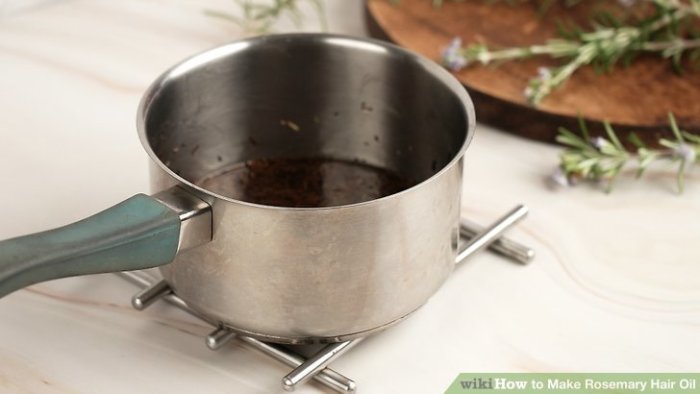
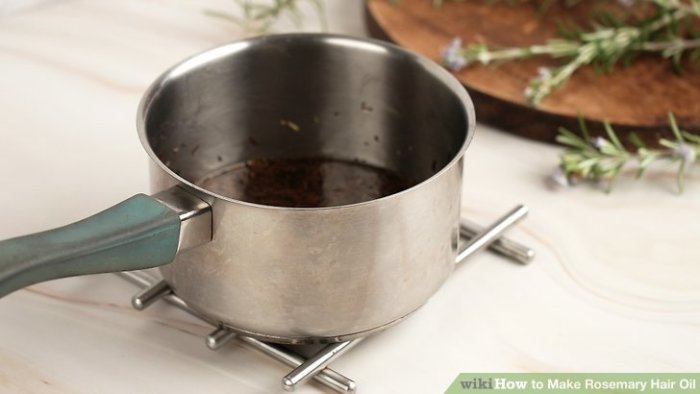
- Double boiler or heat-safe pot and bowl: A double boiler gently heats the oil, preventing scorching. A heat-safe pot and bowl are also suitable.
- Strainer or cheesecloth: These are essential for filtering the infused oil to remove any remaining rosemary particles.
- Measuring cups and spoons: Accurate measurements are important for consistency and desired concentration.
- Labels and markers: Label your finished oil with the date of preparation, ingredients, and any other pertinent information for future reference.
Safety Precautions
Safety is paramount during the oil-making process. Adhering to these precautions ensures a safe and pleasant experience.
- Always wear appropriate safety equipment: Protective gloves and eyewear are essential to prevent skin irritation or eye injury.
- Work in a well-ventilated area: Rosemary has a strong aroma, and proper ventilation will help avoid discomfort or potential health issues for those with sensitivities.
- Use heat-resistant cookware: Ensure that the pot and bowl you use for heating are suitable for high temperatures to prevent accidents.
- Avoid overheating the oil: Overheating can alter the oil’s properties and may cause it to lose some of its effectiveness. A gentle simmer is recommended.
- Handle hot equipment carefully: Use oven mitts or potholders to prevent burns when handling hot containers.
Methods of Infusion
Various methods can be employed for infusing rosemary into the carrier oil. These methods offer different durations and results.
Making rosemary hair oil is a fantastic way to nourish your locks, but sometimes, you need a little extra help, like figuring out how to Set a Samsonite Lock on your travel bag. Once you’ve mastered that, you’ll be ready to use your new rosemary hair oil for all your styling needs. The key to great results with rosemary oil is the proper preparation, just like a well-set lock is the key to a secure trip.
It’s all about the details!
- Simmering: This method involves gently simmering the oil with the rosemary in a double boiler. This method allows for a thorough infusion and is suitable for various carrier oils. The temperature is controlled and is suitable for longer infusions.
- Steeping: Steeping involves allowing the oil to sit with the rosemary in a warm place, typically at room temperature. This method is ideal for delicate oils and allows for a gentler infusion. It’s suitable for shorter durations.
Infusion Timeframes
The infusion time depends on the chosen method. The table below provides a general guideline for different methods.
| Method | Estimated Infusion Time |
|---|---|
| Simmering | 2-4 hours |
| Steeping | 12-24 hours |
Benefits and Potential Drawbacks of Rosemary Hair Oil

Rosemary hair oil, derived from the fragrant rosemary herb, has gained popularity for its potential to improve hair health. Its purported benefits include promoting growth, strengthening strands, and adding shine. However, like any natural remedy, it comes with potential drawbacks that users should be aware of. Understanding these benefits and drawbacks will allow you to incorporate rosemary oil into your hair care routine safely and effectively.Rosemary oil’s purported benefits stem from its rich antioxidant and stimulating properties.
These properties can potentially encourage hair follicle activity, leading to improved hair growth and thickness. However, it’s crucial to remember that the effectiveness of any hair care product, including rosemary oil, can vary significantly from person to person.
Potential Benefits for Hair Growth, Strength, and Shine
Rosemary oil’s potential to stimulate hair growth is often attributed to its ability to improve blood circulation to the scalp. Increased blood flow can deliver more nutrients to hair follicles, potentially promoting growth. Additionally, rosemary’s antioxidants can protect hair from damage caused by free radicals, contributing to healthier, stronger hair. The presence of volatile compounds in rosemary oil may also help to improve the scalp’s microcirculation, which in turn can support hair growth and prevent hair loss.
This stimulation can also lead to enhanced shine, as healthy hair is naturally more lustrous.
Potential Side Effects and Drawbacks
While rosemary oil offers potential benefits, it’s essential to be aware of potential side effects. Some individuals may experience allergic reactions, such as skin irritation, redness, or itching, upon contact with the oil. This is particularly true for those with sensitive skin. It is also important to consider the possibility of scalp dryness or irritation due to the oil’s potential to strip natural oils from the scalp.
Before incorporating rosemary oil into your routine, it’s always wise to conduct a patch test on a small area of skin to assess individual tolerance.
Factors Affecting Effectiveness
Several factors can influence the effectiveness of rosemary oil. The quality of the oil itself plays a significant role. Using a pure, undiluted rosemary oil, rather than a diluted or synthetic product, is often considered preferable. The concentration of rosemary oil in the final hair care product can also influence its effectiveness. Moreover, individual differences in hair type and scalp health may affect how well rosemary oil works.
For instance, someone with naturally oily hair might experience less benefit than someone with dry hair, as the oil might not be needed to the same extent.
Incorporating Rosemary Oil into a Hair Care Routine
Rosemary oil can be incorporated into a variety of hair care routines. It can be used as a pre-shampoo treatment, applied directly to the scalp and hair, or as an ingredient in homemade hair masks. Remember to dilute the oil with a carrier oil, such as jojoba or almond oil, to minimize the risk of irritation. The amount of diluted oil used will depend on the individual’s hair type and scalp sensitivity.
Comparison of Rosemary Oil with Other Natural Remedies
| Natural Remedy | Potential Benefits | Potential Drawbacks |
|---|---|---|
| Rosemary Oil | Potential for hair growth, strength, and shine; antioxidant protection. | Potential for skin irritation, dryness; requires dilution. |
| Argan Oil | Moisturizing, conditioning, promoting hair growth | Can be heavy for fine hair; may not be suitable for all hair types. |
| Aloe Vera | Moisturizing, soothing, promoting hair growth | May not be effective for all hair types or conditions. |
The table above provides a general comparison of rosemary oil to other natural hair remedies. Individual results may vary based on specific needs and hair types.
Using Rosemary Hair Oil for Different Hair Types
Rosemary hair oil offers a versatile solution for various hair concerns, but its effectiveness can vary depending on your hair type. Understanding how to adapt the recipe and application method to your specific needs is crucial for maximizing the benefits and minimizing potential drawbacks. This section will explore tailoring rosemary oil treatments for different hair types, from oily to dry and color-treated, to help you achieve healthy, beautiful hair.
Oily Hair
Oily hair often requires a gentler approach with rosemary oil, as its stimulating properties can exacerbate the oil production. A key is to use a diluted rosemary oil solution. A good strategy is to mix a small amount of rosemary oil with a carrier oil like jojoba or almond oil. This will help to balance the oil content and prevent the scalp from becoming overly greasy.
- Use a diluted rosemary oil blend to avoid overstimulating the scalp.
- Focus on using the oil sparingly, concentrating on the roots and avoiding the ends of the hair.
- Consider incorporating regular scalp scrubs or clarifying shampoos to maintain the scalp’s natural oil balance.
Dry Hair
Dry hair benefits from the moisturizing properties of rosemary oil. Using a higher concentration of rosemary oil in a carrier oil like argan or coconut oil can be effective for dryness. This approach helps to lock in moisture and provide essential nutrients to dry hair strands.
- For dry hair, a higher concentration of rosemary oil in a carrier oil is often beneficial.
- Apply the oil evenly throughout the hair, including the ends, to provide deep moisture.
- Include ingredients like aloe vera or shea butter to further enhance moisture retention.
Color-Treated Hair
Color-treated hair is often prone to dryness and damage. Rosemary oil, with its antioxidant properties, can help to protect and nourish color-treated strands. A diluted blend of rosemary oil with a conditioning oil, like olive oil or avocado oil, is a suitable approach. The conditioning oils can help to replenish moisture lost during the coloring process.
- Color-treated hair requires a gentle approach with rosemary oil to prevent further damage.
- Diluting the rosemary oil with a nourishing carrier oil is recommended.
- Applying the oil to the ends of the hair, where damage is most prevalent, is highly beneficial.
Application Methods
Proper application can significantly impact the results of your rosemary hair oil treatment. A gentle massage into the scalp is often beneficial for stimulating blood flow and promoting hair growth. Applying the oil to the mid-lengths and ends of the hair helps moisturize and detangle.
- Apply rosemary oil to the scalp with gentle circular motions to promote blood circulation.
- Use your fingers or a wide-tooth comb to distribute the oil evenly through the hair.
- Focus on the ends of the hair for added moisture and to prevent dryness.
Potential Results
| Hair Concern | Potential Result (with rosemary oil) |
|---|---|
| Dryness | Increased moisture, improved manageability |
| Oily scalp | Balanced oil production, reduced greasiness |
| Color-treated damage | Protection, nourishment, reduced breakage |
| Thinning hair | (Possible) Increased blood circulation, but results vary. Consult with a professional if you have concerns about thinning hair. |
| Scalp irritation | (Possible) May provide soothing properties, but consult a doctor if irritation persists. |
Rosemary Hair Oil Recipes: Make Rosemary Hair Oil
Rosemary hair oil, with its potent benefits, can be customized to suit various hair types and needs. Experimenting with different ingredients can enhance its effectiveness and create a personalized experience. This section delves into various rosemary hair oil recipes, exploring the unique combinations and their potential impact on hair health.
Basic Rosemary Hair Oil
This recipe provides a foundational understanding of rosemary oil benefits, emphasizing its straightforward preparation.
A simple blend of rosemary essential oil and carrier oil (like jojoba or almond oil) offers a gentle yet effective approach. This is ideal for those new to homemade hair oils, as it focuses on the core benefits of rosemary without complex additions. The carrier oil dilutes the essential oil, making it safe for daily use and minimizing potential irritation.
| Ingredient | Quantity |
|---|---|
| Rosemary Essential Oil | 5-10 drops |
| Carrier Oil (Jojoba or Almond) | 2 tablespoons |
Preparation: Combine the rosemary essential oil and carrier oil in a small, dark glass bottle. Shake well to mix thoroughly. Store in a cool, dark place. Application: Gently massage into scalp and hair, focusing on areas needing extra nourishment. Allow to sit for 15-30 minutes before rinsing.
Repeat 1-2 times per week.
Rosemary and Argan Oil for Dry Hair
This recipe targets specific hair concerns, providing a richer and more moisturizing solution.
Argan oil’s nourishing properties, combined with rosemary’s stimulating effect, create a potent blend for dry or damaged hair. This formula addresses dryness and promotes hair growth. By incorporating argan oil, the oil becomes deeply moisturizing, addressing the specific needs of dry hair.
| Ingredient | Quantity |
|---|---|
| Rosemary Essential Oil | 5-8 drops |
| Argan Oil | 1 tablespoon |
| Carrier Oil (Olive or Sweet Almond) | 1 tablespoon |
Preparation: Combine all ingredients in a small bowl and mix thoroughly. Pour into a dark glass bottle. Application: Apply a small amount to damp hair, focusing on the ends. Massage gently into scalp and hair. Leave on for at least 30 minutes before rinsing.
Use 1-2 times a week.
Rosemary, Onion, and Castor Oil for Hair Growth
This recipe aims to stimulate hair growth, focusing on a more potent combination.
This combination is known to promote hair growth by stimulating blood circulation and follicles. Onion juice is also known to have mild exfoliating properties, helping to remove dead skin cells and encourage new hair growth. Castor oil, with its conditioning and strengthening qualities, supports healthy hair growth.
| Ingredient | Quantity |
|---|---|
| Rosemary Essential Oil | 5 drops |
| Onion Juice (freshly extracted) | 1 teaspoon |
| Castor Oil | 1 tablespoon |
| Carrier Oil (Coconut or Avocado) | 1 tablespoon |
Preparation: Mix all ingredients thoroughly in a bowl. Pour into a dark glass bottle. Application: Gently massage into the scalp and hair, ensuring even distribution. Leave on for at least 1 hour before washing. Use once a week, or as needed.
Rosemary Hair Oil and Scalp Care
Rosemary hair oil isn’t just for beautiful locks; it plays a crucial role in maintaining a healthy scalp. A healthy scalp is the foundation for strong, vibrant hair growth. This section delves into the powerful benefits of rosemary oil for your scalp, addressing issues like dandruff and dryness, and explaining the mechanisms behind its effectiveness. We’ll also compare rosemary oil’s efficacy to other natural scalp treatments.Rosemary, with its rich phytochemical content, acts as a natural remedy for various scalp concerns.
Its anti-inflammatory and antimicrobial properties help fight against common scalp issues, promoting a healthy and balanced environment for hair growth.
Rosemary’s Role in Promoting Healthy Scalp Conditions
Rosemary’s effectiveness stems from its potent compounds, including rosmarinic acid and carnosic acid. These components exhibit anti-inflammatory and antimicrobial actions. This dual action is crucial in managing scalp conditions like dandruff and seborrheic dermatitis, which are often caused by an overgrowth of yeast or bacteria.
How Rosemary Oil Addresses Scalp Issues
Rosemary oil effectively addresses scalp dryness and flakiness. Its ability to stimulate blood circulation to the scalp encourages healthy sebum production, naturally moisturizing the scalp. Furthermore, the antimicrobial properties help control the growth of microorganisms contributing to dandruff and other scalp irritations. This targeted approach to scalp health leads to a healthier, more balanced environment, conducive to strong hair growth.
Mechanism of Rosemary’s Scalp Health Promotion
Rosemary oil’s positive impact on the scalp is primarily due to its anti-inflammatory and antimicrobial properties. Rosmarinic acid, a key component, reduces inflammation by inhibiting the release of inflammatory mediators. Meanwhile, carnosic acid demonstrates potent antimicrobial action, inhibiting the growth of bacteria and fungi that often cause scalp issues. This combination of actions promotes a healthy scalp environment, crucial for healthy hair growth.
Methods of Using Rosemary Oil for Scalp Care
Various methods allow for the incorporation of rosemary oil into your scalp care routine. A simple method involves massaging a few drops of diluted rosemary oil into your scalp before shampooing. You can also incorporate rosemary oil into your existing hair care routine by adding a few drops to your shampoo or conditioner. A more concentrated approach involves making a rosemary oil mask, applying it directly to the scalp, and leaving it on for a specified duration.
Remember to always dilute rosemary oil with a carrier oil like jojoba or almond oil before direct application to the scalp.
Comparison of Rosemary Oil to Other Natural Scalp Treatments
| Treatment | Mechanism | Effectiveness | Potential Drawbacks |
|---|---|---|---|
| Rosemary Oil | Anti-inflammatory, antimicrobial | Effective for dandruff, dryness, and seborrheic dermatitis | May cause irritation in some individuals if not diluted properly |
| Tea Tree Oil | Antimicrobial | Effective for fungal infections | Potentially irritating to sensitive scalps |
| Aloe Vera | Moisturizing, anti-inflammatory | Effective for dry scalps | May not be as effective for addressing fungal or bacterial infections |
Safety and Precautions
Rosemary hair oil, while often lauded for its potential benefits, should be approached with caution. Its potent properties mean careful consideration of potential reactions and appropriate usage is crucial. Understanding the precautions and contraindications will ensure a safe and effective experience.Using rosemary oil, even in diluted forms, can cause adverse reactions in susceptible individuals. It’s important to recognize the potential for allergies and sensitivities, and to take proactive steps to minimize risk.
Potential Allergic Reactions and Sensitivities
Rosemary oil, like many essential oils, can trigger allergic reactions in some individuals. Symptoms can range from mild skin irritation to more severe reactions, including hives, swelling, and difficulty breathing. Those with known sensitivities to other plants in the mint family (like basil or mint) may also be more prone to a rosemary reaction. A patch test is a vital step to determine individual tolerance.
Contraindications
Certain medical conditions may make rosemary hair oil unsuitable. Pregnant or breastfeeding women should avoid using rosemary oil, as its effects on the body during these periods are not fully understood and potential risks haven’t been definitively ruled out. Individuals with known skin conditions or allergies should also exercise caution and consult a healthcare professional before use. Consult your doctor if you have any concerns or pre-existing conditions.
Patch Test Procedure
A patch test is an essential precaution before using rosemary hair oil. This involves applying a small amount of diluted oil to a discreet area of skin, like the inside of the forearm, and observing for any reaction over a 24-48 hour period. If redness, itching, or any other signs of irritation appear, discontinue use immediately.
Proper Storage
Proper storage is vital to maintain the quality and efficacy of your rosemary hair oil. Store the oil in a cool, dark place, preferably in a glass bottle with a tight-fitting lid. Avoid storing it in direct sunlight or in excessively hot environments. Exposure to heat and light can degrade the oil’s properties over time. Keep it away from children and pets.
The shelf life of rosemary hair oil varies depending on storage conditions, but proper storage will extend its usability. Aim to use the oil within a year of preparation for optimal results.
Important Note on Dilution
It is strongly recommended to dilute rosemary essential oil before applying it to the hair or scalp. Undiluted essential oils can cause significant irritation and damage. Diluting with a carrier oil, such as jojoba or almond oil, will reduce the risk of adverse reactions.
Final Thoughts
In conclusion, crafting your own Make Rosemary Hair Oil is a rewarding journey that can significantly enhance your hair health. By understanding the ingredients, methods, and potential benefits, you can create a personalized hair care routine tailored to your specific needs. Remember to always prioritize safety and consult with a healthcare professional if you have any concerns. This detailed guide empowers you to embrace natural hair care with confidence.