
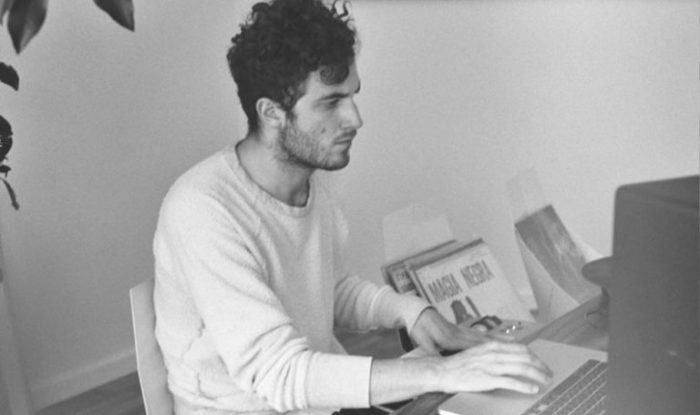
Nicolas Jaar broadcasting six hour radio show featuring new music promises a deep dive into the world of contemporary music. Expect a diverse selection of genres, showcasing emerging artists and established talents. The show’s extended duration allows for exploration, with a planned structure encompassing artist spotlights, listener interaction, and a dynamic presentation style. It’s set to be an immersive and unforgettable musical experience.
This in-depth look at the show’s format, from music selection to host interaction and promotion, offers a comprehensive understanding of the production process behind this ambitious project. The Artikel covers technical aspects, visual presentation for online platforms, and the overall goal of creating an engaging and memorable listening experience.
Show Overview
This six-hour radio show, “Sonic Horizons,” delves into the vibrant world of contemporary music, spotlighting emerging artists and critically acclaimed new releases. Each hour will feature a different genre or musical style, offering listeners a diverse sonic experience. The show is meticulously curated to provide a rich and engaging journey through the soundscapes of today’s music scene.The show aims to connect music enthusiasts with innovative sounds and the stories behind them.
It caters to a wide range of music lovers, from those seeking fresh discoveries to seasoned listeners eager to explore new artists and genres. The format will include interviews with musicians, producers, and music industry professionals, providing insightful perspectives on the creative process and the current musical landscape.
Target Audience
The primary target audience for “Sonic Horizons” includes music aficionados, both casual listeners and dedicated fans of contemporary music. This audience encompasses individuals interested in discovering new artists, exploring diverse genres, and understanding the evolution of musical styles. Furthermore, the show aims to attract listeners who appreciate in-depth musical discussions and insightful interviews with artists and industry professionals.
This is a show for anyone who wants to be immersed in the best new music and understand its context.
Show Format and Duration
The show’s six-hour duration is key to achieving its goal of offering a comprehensive exploration of the contemporary music scene. This extensive time allows for a deep dive into each musical genre and style, presenting a variety of artists and their unique approaches. It allows listeners to fully appreciate the nuances and complexity of each sound. For example, a show with only two hours may be unable to showcase the variety of new artists and musical styles effectively, while a shorter show would likely not be able to give the same depth of musical exploration.
This allows for multiple interviews and deeper dives into a particular artist’s background.
Musical Diversity and Depth
The show’s structure ensures that each hour explores a specific area of contemporary music. This approach fosters musical diversity, allowing listeners to encounter genres they might not normally explore. For example, one hour could be dedicated to experimental electronic music, while another explores indie rock’s latest innovations. This variety is essential to cater to the diverse tastes of the intended audience.
The six-hour duration ensures sufficient time to delve into specific genres, providing context and background information about artists and their work. This depth allows listeners to develop a deeper understanding of the music.
Atmosphere and Tone
The show aims to create a dynamic and engaging atmosphere, encouraging listeners to immerse themselves in the music and its stories. It will balance critical analysis with enthusiasm and passion for music. The tone should be inviting and thought-provoking, sparking interest in the music presented. A friendly and informative approach is important to make listeners feel welcome on this journey into the world of new music.
A balance between insightful commentary and genuine enthusiasm for the music is paramount to create the desired atmosphere.
Music Selection & Presentation
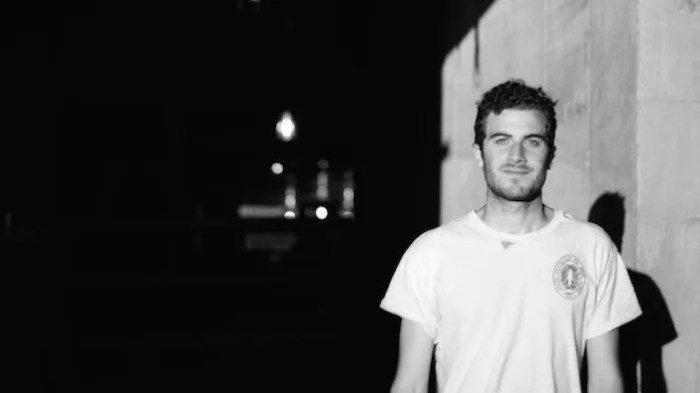
Crafting a six-hour radio show dedicated to new music requires a meticulous approach to music selection and presentation. The goal is to curate a diverse listening experience, ensuring listeners are engaged and exposed to a spectrum of sounds. This involves careful consideration of genre variety, artist representation, and listener flow. A dynamic structure is essential to keep the show fresh and interesting.A well-structured program needs a clear pathway for listeners to journey through the musical landscape.
It’s crucial to create a cohesive narrative, even within a wide range of musical styles, and this requires careful thought given to how music is introduced and transitions are handled.
Genre Variety and Artist Representation
This show needs to reflect a balanced range of genres and artists. A mix of established and emerging talent is essential. Over-representation of any single genre or artist would lead to listener fatigue. The selection process must account for listener engagement and avoid the show feeling repetitive.
Introduction Methods for New Music
Several effective methods can introduce new music to listeners. A compelling narrative around the music is key. This could involve short biographical sketches of the artist, anecdotes about the recording process, or contextual information about the album’s themes. A compelling description of the sound, or how the song fits within the overall style of the artist’s work, will create intrigue.
A captivating introduction will motivate listeners to explore the artist’s full catalog. Additionally, providing background on the inspiration or influences behind the music adds depth and context. A brief overview of the song’s production and instrumentation, such as specific recording techniques or unique instruments, can also spark interest.
Incorporating Diverse Musical Styles
Maintaining a smooth transition between musical styles is critical for a captivating listening experience. The show’s structure should allow for a gradual evolution from one genre to another, avoiding abrupt shifts that might disrupt the flow. Transition music or short, instrumental interludes can bridge the gap between songs and genres. This is especially important when moving from a fast-paced electronic track to a mellow acoustic piece.
Using a similar instrument or sound element to build a link between styles will also aid the transition.
Effective Presentation of Musical Selections
Presenting each musical selection requires an insightful approach. A descriptive and insightful introduction sets the stage. A detailed description of the song’s key elements, like the lyrical content, instrumental arrangement, and overall vibe, is essential. Highlighting unique aspects, such as distinctive vocal techniques, unusual instrumentation, or innovative production, will make the music more memorable. Each selection needs a personalized presentation, showcasing the distinct qualities of each artist and song.
Nicolas Jaar’s six-hour radio show, packed with fresh tunes, is a must-listen. It’s amazing how that kind of deep dive into new music can inspire you, like when you hear about Kanye West and Mos Def’s incredible freestyle session at the Blue Note kanye west mos def freestyle at the blue note. The energy of that night certainly makes you appreciate the dedication Jaar puts into his program of fresh music, though.
Transitioning Between Musical Pieces
Smooth transitions between tracks are vital to maintain listener engagement. Consider using a short, instrumental bridge, a musical interlude, or a spoken word segment that connects the songs and artists. A concise description of the upcoming piece, or an overview of the shift in style, can aid the transition. For instance, a brief statement linking a song’s tempo to the next one’s mood can help listeners smoothly move between tracks.
Transitional elements should be brief and engaging to prevent jarring listeners.
Host & Interaction
The success of a six-hour radio show hinges heavily on the host’s ability to connect with listeners on a personal level and keep them engaged throughout the marathon. A captivating host fosters a sense of community and makes the listening experience enjoyable and rewarding. The show’s format, featuring new music, demands a host adept at presenting both the music and the artists behind it, weaving in interesting stories and anecdotes.
Ideal Host Personality and Style
A dynamic and engaging host is crucial. Imagine a personality that’s enthusiastic and knowledgeable about music, but also approachable and friendly. They should possess a genuine passion for music, allowing that passion to shine through in their delivery. A warm and inviting tone, free from pretentiousness, helps create a sense of connection with the listeners. The host should also have a good command of the English language, delivering clear and concise introductions and explanations.
Nicolas Jaar’s six-hour radio show, packed with fresh tunes, is a must-listen. While exploring the soundscapes, it’s important to remember that sometimes skin conditions can be less obvious than a new song. For example, if you’re concerned about a rash, learning to Identify an HIV Rash could be beneficial. Ultimately, Jaar’s show provides a sonic escape, perfect for those seeking innovative and thought-provoking sounds.
Introducing Artists and Music
The host plays a vital role in introducing artists and explaining their music. They should go beyond simple track titles, providing context and background about the artist’s style, influences, and the inspiration behind the music. For example, mentioning the artist’s journey or highlighting a key element of their sound can deepen listener appreciation. Short, engaging stories about the creative process or the artist’s perspective on their work add intrigue.
Encouraging Listener Interaction
Encouraging listener interaction throughout the show enhances engagement and creates a two-way conversation. The host could invite listeners to share their thoughts on the music through social media using a specific hashtag. They could also pose thought-provoking questions about the music or the artists’ influences to spark discussion. A call-and-response format, asking for listener opinions or reactions to specific tracks, can further involve listeners.
Building Rapport with Listeners
Building a rapport with listeners is key to the show’s success. The host should aim to create a personal connection with the audience by using their name and referencing past interactions. Addressing listener comments or questions directly, and showing appreciation for their input, creates a sense of community. This fosters a feeling that the show is not just a one-way broadcast, but a shared experience.
Weaving in Artist Interviews or Insights
Integrating interviews or insights from artists adds depth and authenticity to the show. The host can interview artists about their creative process, influences, or future projects. Including snippets of these interviews during the show provides exclusive content and keeps listeners engaged. For example, a brief conversation about the creative process behind a particular song or an artist’s aspirations for the future, interwoven within the music segments, provides added value.
Show Content Structure
My six-hour radio show, “Sonic Horizons,” will be more than just a playlist; it’s a sonic journey. The structure is designed to engage listeners with diverse musical styles, while providing context and encouraging interaction. It’s about creating an immersive listening experience, not just playing music.The show’s structure balances curated musical selections with engaging segments to foster a dynamic listening environment.
This approach keeps the audience connected and invested in the entire sonic experience.
Segment Structure
The show is divided into distinct segments, each with a specific focus. This approach keeps the flow engaging and prevents the show from feeling monotonous.
- Introduction (0-15 minutes): This segment sets the tone for the show, welcoming listeners and introducing the overall theme. It includes a brief overview of the musical styles and artists featured that day. A memorable hook, like a quote from a musician or a catchy sound effect, will be used to begin the show.
- Genre Deep Dive (15-45 minutes): This segment focuses on a specific musical genre, providing historical context and showcasing diverse artists within that genre. For example, an hour could explore the evolution of electronic music from its early pioneers to contemporary innovators.
- Artist Spotlight (45-60 minutes): This section delves deeper into an artist’s work, playing key tracks, interviewing them (if possible), and offering insights into their creative process. This segment could feature exclusive content like early demos or unheard tracks.
- Listener Interaction (60-75 minutes): This segment will feature listener calls, tweets, or messages, encouraging audience participation and fostering a community around the music.
- Emerging Artists (75-90 minutes): A segment dedicated to spotlighting new and rising talent. This provides exposure for artists who are just beginning their careers.
- World Music Journey (90-105 minutes): This segment explores music from different cultures, emphasizing the diversity of global musical traditions. Examples might include traditional African drumming or South American folk music.
- Sound Design Exploration (105-120 minutes): This segment focuses on how sound design and production techniques impact the listening experience. It can analyze specific tracks for their sonic qualities, exploring how different instruments and effects create a particular mood or atmosphere.
- Outro (120-126 minutes): This segment concludes the show with a summary of the musical highlights, thanking listeners, and providing information about upcoming events or broadcasts.
Show Schedule Example
This sample schedule Artikels the show’s flow, demonstrating how the segments fit together.
| Time | Segment | Description |
|---|---|---|
| 0:00-0:15 | Introduction | Welcoming listeners, show theme overview |
| 0:15-0:45 | Genre Deep Dive (Electronic Music) | Exploring the history and evolution of electronic music |
| 0:45-1:00 | Artist Spotlight (Aphex Twin) | In-depth look at the artist’s work, possibly an interview |
| 1:00-1:15 | Listener Interaction | Responding to listener calls, tweets, and messages |
| 1:15-1:30 | Emerging Artists | Featuring new and rising artists |
| 1:30-1:45 | World Music Journey (Brazilian Samba) | Exploring Brazilian Samba rhythms |
| 1:45-2:00 | Sound Design Exploration | Analyzing sonic elements in selected tracks |
| 2:00-2:06 | Outro | Show summary and concluding remarks |
Listener Feedback
The show incorporates listener feedback seamlessly. Listeners can call in during the designated interaction segment, tweet using a specific hashtag, or leave comments on social media. The host will read and respond to these messages throughout the show. This is crucial for maintaining a connection with the audience.
Segment Breaks & Artist Introductions
Short, engaging musical interludes or sound design elements transition between segments. Artist introductions will include a brief bio, key tracks, and insights into their musical style.
Catering to Diverse Preferences
The show’s structure allows for diverse listener preferences. The “Genre Deep Dive” segments offer variety, while the “Emerging Artists” segment explores new sounds. Listeners can find something that interests them.
Promotion & Marketing
Reaching a broad audience for a six-hour radio show dedicated to new music requires a multifaceted approach. Effective promotion involves leveraging various channels to build anticipation and drive listeners to tune in. This section details strategies to maximize the show’s visibility and connect with the target demographic.
Promoting the Show to the Intended Audience
A crucial aspect of promoting the show is understanding the target audience’s preferences and online habits. Researching their preferred social media platforms, music streaming services, and radio listening habits will inform the chosen promotional channels. For example, if the target audience is young adults, Instagram and TikTok might be more effective than Facebook.
Utilizing Social Media Platforms
Social media is a powerful tool for amplifying the show’s reach. Creating engaging content on platforms like Twitter, Instagram, and Facebook is essential. Regular updates, behind-the-scenes glimpses, and interactive polls will maintain audience interest. Consider using short video clips featuring snippets of the new music, artist interviews, or show hosts’ personalities.
Examples of Effective Marketing Strategies
Radio shows can leverage partnerships with local music venues, blogs, and podcasts. Cross-promotion can introduce the show to a wider audience and create a buzz around the broadcast. Collaborating with local music artists for guest appearances on the show can also attract listeners. Creating a dedicated website or landing page with show details, playlists, and contact information is a valuable resource for listeners.
Potential Social Media Post
Image: A captivating graphic featuring the show’s title, a vibrant musical note graphic, and a few key artists/genres highlighted in the show. Text: “Get ready for a sonic adventure! Tune in to [Show Name] this Saturday at [Time] for six hours of fresh new music. We’re diving deep into the latest sounds from [mention a few key genres or artists].
Don’t miss out! #NewMusic #RadioShow #[Show Name] #Music”
Compelling Tagline or Slogan
“Your Daily Dose of Fresh Music.” This tagline encapsulates the show’s core purpose—providing listeners with a consistent stream of new music. Alternative taglines could include: “Unveiling the Next Wave of Sound,” or “Where Innovation Meets Melody.”
Visual Presentation (Web/Podcast)
A visually engaging website and podcast are crucial for attracting and retaining listeners. A well-designed online presence complements the audio experience, making the show more memorable and accessible. Visuals act as a powerful extension of the audio content, bringing the music and the experience to life.
Website Visual Elements
The website needs a clean and professional design to showcase the show’s identity. A visually appealing layout is essential to attract and maintain interest. High-quality images, graphics, and a consistent color scheme contribute significantly to the overall aesthetic. A dedicated podcast page is essential, clearly highlighting the show’s unique characteristics.
| Element | Description |
|---|---|
| Homepage | The homepage should feature a prominent banner image or video showcasing the show’s title and a captivating image related to the music. |
| Podcast Page | This page should have a dedicated section for the show’s details, including a compelling description, recent episodes, and a way to subscribe. |
| About Us/Team | If applicable, include a section highlighting the hosts and their backgrounds, creating a personal connection with the listeners. |
| Contact Information | A clear and accessible way for listeners to reach out to the show is essential for feedback and communication. |
Incorporating Images and Graphics
High-quality images and graphics are vital to enhance the presentation and maintain a professional aesthetic. Images should be relevant to the music or the theme of the show, making the presentation more immersive. Using consistent branding, including logos and color schemes, across all visual elements strengthens the show’s identity.
- High-resolution images should be used throughout the website to enhance the visual appeal. These images should complement the audio content, not distract from it.
- Infographics or stylized artwork can effectively illustrate key points or themes, making the website more visually engaging.
- Using a consistent color palette and fonts across the website reinforces the show’s brand identity.
Mobile-Friendliness
In today’s world, a website needs to be easily accessible on all devices. A mobile-friendly website ensures a seamless experience for listeners on smartphones and tablets. Responsive design is crucial for maintaining readability and functionality across different screen sizes.
- A responsive design adapts to various screen sizes, guaranteeing a positive user experience on mobile devices.
- Ensuring all content is easily readable on smaller screens is essential for accessibility. Adjusting text sizes and layouts is key.
- Optimized images and graphics contribute to faster loading times, improving the user experience on mobile devices.
Social Media Integration
Social media integration allows for easy sharing and engagement with the audience. Sharing buttons for popular platforms (like Facebook, Twitter, and Instagram) should be prominently displayed. These buttons are critical for amplifying the reach of the show.
- Prominently place social media sharing buttons on the website, allowing listeners to easily share the show with their networks.
- Using social media platforms to promote the show and interact with listeners strengthens community engagement.
- Social media posts should complement the show’s audio content by highlighting key tracks or show themes.
Visually Appealing Podcast Page
A dedicated podcast page should be visually appealing and informative. The page should include a captivating description of the show, along with episode details, and links to subscribe. A clear and concise call to action will encourage listeners to subscribe and engage.
Nicolas Jaar’s six-hour radio show, packed with fresh tunes, is a welcome distraction. It’s a stark contrast to the unfortunate news about the canceled Vince Staples, YG, Joey Bada$$, and Mac Miller shows at Irving Plaza, following a shooting incident. Hopefully, the vibrant sounds of Jaar’s broadcast can provide a moment of positivity amidst the current events.
- The podcast page should present a clean and uncluttered design, allowing listeners to easily find the episodes and subscribe.
- High-quality images or artwork related to the show’s theme should be featured on the page to enhance its visual appeal.
- The episode titles and descriptions should be clear and concise, providing listeners with information about each episode.
Technical Aspects: Nicolas Jaar Broadcasting Six Hour Radio Show Featuring New Music
My six-hour radio show demands meticulous technical preparation. A seamless broadcast hinges on flawlessly executing every technical aspect. From the quality of the audio to the smooth transitions between songs, every element plays a vital role in the overall listener experience. This section will delve into the specific technical requirements and potential challenges.
Studio Setup
The studio environment is crucial for a professional-quality broadcast. Essential equipment includes a high-quality microphone, a professional audio interface, a reliable sound system, and a digital audio workstation (DAW) for mixing and mastering. A stable internet connection is also paramount for streaming and online interaction, especially if the show incorporates live elements. Reliable power backup is crucial to avoid interruptions during the show.
Audio Quality and Sound Engineering, Nicolas jaar broadcasting six hour radio show featuring new music
Maintaining consistent audio quality throughout the six hours is paramount. Proper sound engineering is essential to ensure that each song and every voice is crisp, clear, and well-balanced. This involves careful microphone placement, adjustment of gain levels, and effective compression and EQ. A good sound engineer can transform a mediocre recording into a professional broadcast. A professional-grade audio interface is crucial to avoid noise and ensure high-quality audio.
Handling Technical Issues
Unforeseen technical difficulties are inevitable in live broadcasting. Having a backup plan and a clear troubleshooting process in place is essential. This includes having a spare microphone, a secondary audio interface, and a backup internet connection. Knowing how to quickly identify and address problems like dropped audio, audio feedback, or a glitching system is vital. Regular testing and maintenance of the equipment are key preventative measures.
Pre-Show and Post-Show Checklist
Thorough preparation is essential for a smooth broadcast. The pre-show checklist should include:
- Checking all equipment for functionality, including microphones, audio interface, sound system, and internet connection.
- Ensuring all software and plugins are updated and compatible.
- Preparing the playlist, cues, and intro/outro scripts.
- Conducting a final sound check.
- Confirming the broadcast schedule with the radio station.
A detailed post-show checklist is equally important for record-keeping and future show improvement. This should include:
- Saving all audio files and show logs.
- Evaluating the broadcast for technical glitches and areas for improvement.
- Reviewing listener feedback and social media comments.
- Conducting a post-show equipment check and maintenance.
- Updating the show schedule for future broadcasts.
Conclusive Thoughts
In conclusion, Nicolas Jaar’s six-hour radio show, dedicated to showcasing new music, is designed to be an immersive auditory journey. The meticulous planning, encompassing music selection, host interaction, and engaging segments, aims to create a vibrant and interactive listening experience for music lovers. The show’s promotion and technical aspects are also carefully considered, emphasizing a well-rounded and professional approach to broadcasting new music.