The Acacia Strain Announces "You Are Safe From the Dead Walk Here" U.S. Headlining Tour

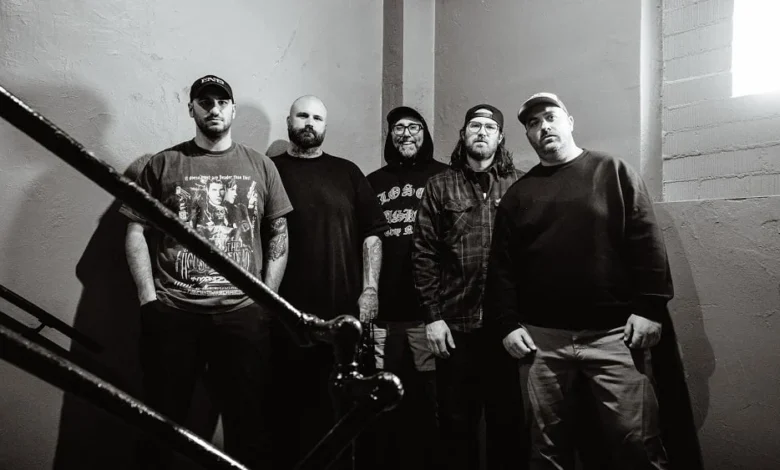
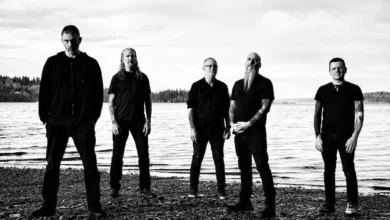
This summer, veteran metalcore act The Acacia Strain is set to embark on an extensive headlining tour across the United States, dubbed the "You Are Safe From the Dead Walk Here" tour. The tour, scheduled to commence on June 4th and conclude on June 20th, marks a significant undertaking for the band, celebrating two pivotal releases in their discography: their most recent album, "You Are Safe From God Here," released last year, and their seminal 2006 album, "The Dead Walk." This dual commemoration promises a unique experience for fans, blending the band’s contemporary sound with the raw intensity that defined their earlier work.
The "You Are Safe From the Dead Walk Here" tour will traverse a significant portion of the U.S., kicking off in Harrisburg, Pennsylvania, and concluding in Des Moines, Iowa. The itinerary includes stops in key cities such as Richmond, Virginia; Columbus, Ohio; and Birmingham, Alabama, among many others. The band has enlisted a formidable lineup of supporting acts to accompany them on this journey. The Callous Daoboys, Fromjoy, and Mask are confirmed to perform, adding further weight and appeal to the tour’s lineup. This combination of established and emerging artists is expected to draw considerable crowds, reflecting the enduring appeal of The Acacia Strain and the burgeoning talent of their supporting acts.
Vocalist Vincent Bennett of The Acacia Strain offered a candid perspective on the tour’s concept and song selection, emphasizing a deliberate approach to balancing their new material with fan-favorite classics. "THE DEAD WALK IS 20. YOU ARE SAFE FROM GOD HERE ISN’T EVEN A YEAR OLD YET," Bennett stated, highlighting the proximity of these two album anniversaries. He further elaborated on the setlist strategy: "NO WAY WE ARE PLAYING EVERY SONG OFF A 20-YEAR-OLD RECORD WHEN WE JUST CAME OUT WITH A NEW ONE. THE BEST WE CAN DO IS LIKE 5 OR 6 SONGS – TAKE IT OR LEAVE IT." This statement underscores the band’s commitment to showcasing their latest work while still honoring their legacy. The tour’s setlist will feature a curated selection of tracks from both "The Dead Walk" and "You Are Safe From God Here," with Bennett humorously anticipating fan reactions: "COME COMPLAIN ABOUT HOW WE DIDN’T PLAY THE ONE SONG YOU REALLY WANTED TO HEAR."
Tour Details and Ticket Information
The "You Are Safe From the Dead Walk Here" tour is structured to offer a more intimate concert experience, with the band specifically mentioning "INTIMATE VENUES" and "LIMITED BARRICADES." This suggests a focus on creating a closer connection between the band and their audience, a hallmark of many successful metal tours. Tickets for the tour are scheduled to go on sale this Friday at 10 a.m. local time, a standard industry practice that allows for coordinated sales across different time zones. Fans are advised to check official ticketing platforms and the band’s social media channels for precise details and purchasing links.
The full list of confirmed tour dates and venues is as follows:
- June 4: Harrisburg, PA – Capital City Music Hall
- June 5: Amityville, NY – AMH
- June 7: Richmond, VA – Canal Club
- June 9: Columbus, OH – The King of Clubs
- June 10: Johnson City, TN – Capone’s
- June 12: Jacksonville, FL – The Albatross
- June 13: Fort Lauderdale, FL – Culture Room
- June 14: Pensacola, FL – HandleBar
- June 16: Birmingham, AL – Workplay Theatre
- June 17: Chattanooga, TN – Barrelhouse Ballroom
- June 19: Wichita, KS – Wave
- June 20: Des Moines, IA – Wooly’s
Historical Context and Significance of the Tour
The Acacia Strain has carved out a significant niche within the heavy music scene since their formation in 2001. Their sound, characterized by crushing breakdowns, guttural vocals, and a relentless sonic assault, has resonated with a dedicated fanbase for over two decades. "The Dead Walk," released in 2006, is widely considered a landmark album in their career and a key release in the mid-2000s metalcore landscape. It showcased a band hitting its stride, delivering a potent blend of aggression and memorable songwriting that solidified their place in the genre. The album’s impact can be seen in its enduring popularity among long-time fans and its influence on subsequent bands.
"You Are Safe From God Here," released in 2023, represents a more recent chapter in The Acacia Strain’s evolving sound. The album has been met with critical acclaim, lauded for its mature songwriting and the band’s continued ability to deliver powerful, impactful music. The decision to tour in support of both a 20-year-old album and a recent release demonstrates the band’s commitment to acknowledging their history while actively pushing their creative boundaries. This approach is not uncommon in the music industry, particularly for established bands, but the explicit emphasis on balancing legacy with present-day output is noteworthy.
The supporting acts also bring considerable appeal. The Callous Daoboys have rapidly gained a following for their chaotic and energetic live performances and their unique blend of various heavy music subgenres. Fromjoy and Mask, while perhaps newer to some audiences, are expected to contribute to the overall intensity and appeal of the tour. The inclusion of these bands suggests a deliberate effort by The Acacia Strain to curate a lineup that aligns with their sonic ethos and appeals to a broad spectrum of heavy music enthusiasts.
Band’s Strategic Approach and Fan Engagement
Vincent Bennett’s statement regarding the setlist selection offers a glimpse into the band’s strategic thinking. The acknowledgment that "THE DEAD WALK IS 20" is a significant milestone, yet the band’s current creative energy is directed towards their newer material. This pragmatic approach to setlist construction—offering a balanced representation rather than an exhaustive deep dive into older material—is likely to satisfy the majority of their fanbase. The "take it or leave it" attitude, delivered with a characteristic dose of humor, reflects a confident band that understands its audience and their expectations.
The emphasis on "intimate venues" and "limited barricades" is a crucial element for fan engagement. In an era where arena tours are common, a return to smaller venues can foster a more visceral and personal connection between the artists and attendees. This can translate into a more energetic and memorable concert experience for everyone involved. It also suggests a willingness to prioritize the quality of the fan experience over sheer scale, a decision that can often be appreciated by dedicated followers.
Market Implications and Genre Trends
The Acacia Strain’s "You Are Safe From the Dead Walk Here" tour arrives at a time when the metal and hardcore scenes are experiencing a resurgence in popularity. Major festivals are seeing record attendance, and established bands are finding renewed success with both new releases and retrospective tours. This tour taps into several key trends:
- Nostalgia Tours: Celebrating anniversaries of influential albums is a well-established and successful model in the music industry. The "20 Years of The Dead Walk" aspect taps directly into this.
- Cross-Generational Appeal: By balancing old and new material, The Acacia Strain appeals to both long-time fans who grew up with "The Dead Walk" and newer fans who have discovered them through "You Are Safe From God Here" and subsequent work.
- The Rise of Supporting Acts: The inclusion of strong, up-and-coming bands like The Callous Daoboys helps to broaden the appeal of the tour and introduce audiences to new music. This collaborative approach is beneficial for the health of the entire genre.
- Focus on Fan Experience: The emphasis on intimate venues and limited barricades speaks to a growing understanding among artists that the fan experience is paramount in building and maintaining a loyal following.
The success of this tour could provide a blueprint for other established bands looking to navigate the complexities of their discographies and engage with contemporary fan expectations. It demonstrates that a thoughtful approach to setlists, venue selection, and supporting acts can lead to a highly successful and impactful touring cycle. The band’s direct and candid communication style further enhances their connection with their audience, fostering a sense of authenticity that is highly valued in the music community.
The "You Are Safe From the Dead Walk Here" tour is poised to be a significant event for The Acacia Strain and their dedicated fanbase. By thoughtfully commemorating their past while vibrantly showcasing their present, the band is demonstrating a strong commitment to their musical journey and their connection with the people who have supported them throughout their career. The tour promises a potent blend of aggressive energy, nostalgic resonance, and intimate fan interaction, solidifying The Acacia Strain’s enduring legacy in the heavy music landscape.