Blues Blast Magazine Chronicles the 2026 Blues Landscape through the 28th Annual Prairie Dog Blues Fest and Comprehensive New Artist Features


The 2026 blues season reaches a significant milestone this week as the Prairie Dog Blues Fest prepares to host its 28th annual celebration, anchoring a period of intense creative output and historical reflection within the genre. Held on the historic St. Feriole Island in Prairie du Chien, Wisconsin, the festival represents a vital node in the midwestern blues circuit, drawing enthusiasts to the banks of the Mississippi River for a weekend of high-caliber performance and community gathering. This year’s event, scheduled for Friday, July 24, and Saturday, July 25, coincides with a wave of significant new releases from established masters and emerging virtuosos, signaling a robust period of growth for American roots music.

A Landmark Celebration on the Mississippi: The 28th Annual Prairie Dog Blues Fest
The Prairie Dog Blues Fest has long been recognized as one of the most unique venues in the United States, utilizing the natural geography of St. Feriole Island to create an immersive acoustic experience. For nearly three decades, the festival has served as a cornerstone for the local economy in Prairie du Chien, highlighting the intersection of cultural heritage and tourism. The 2026 lineup reflects a strategic blend of contemporary blues-rock and traditional styles.

On Friday, July 24, the festival will be headlined by the internationally acclaimed Joanne Shaw Taylor, whose soulful vocals and sophisticated guitar work have made her a leading figure in the modern blues movement. Supporting acts for the opening day include Mamas Worry, Kings of Blues, and the high-energy Kris Lager Band. The schedule for Saturday, July 25, expands to include a diverse array of talent, featuring Dave Orr & The Providers, the burgeoning talent of Yates McKendree, and the soulful harmonica work of Russ Green. The evening will culminate with performances by The Jimmys, Albert Cummings, and The Other Brothers. By providing on-site camping and a scenic riverfront backdrop, the festival continues to preserve the "blues party" atmosphere that has characterized the genre’s social history since the early 20th century.

Roy Rogers and the Enduring Art of the Slide Guitar
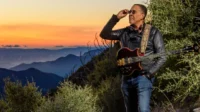
Complementing the festival circuit is a deep dive into the career of Roy Rogers, a master of the slide guitar whose influence spans more than four decades. Rogers, now 75, remains a pivotal figure in the preservation of Delta-influenced slide techniques while pushing the boundaries of the form. His latest project, The Sky’s The Limit, marks his first studio album in a decade, representing a five-year period of songwriting and reflection.

Rogers’ career serves as a bridge between the foundational legends of the blues and the modern era. Having served as the bandleader and producer for John Lee Hooker during the recording of the Grammy-winning album The Healer, Rogers developed a style that is both evocative of the human voice and technically precise. His partnership with Bonnie Raitt and his leadership of the Delta Rhythm Kings since 1980 further solidify his status as an elder statesman of the genre. In his recent interviews, Rogers emphasizes that the blues is primarily a "feeling" rather than a rigid structure, a philosophy that informs the diverse tracks on his new record, which include political commentary in songs like "He’s a Legend" and nostalgic reflections in "Those Bygone Days."

Preservation of the Chicago Sound: The Legacy of Theresa’s Lounge
A significant portion of the current blues discourse focuses on the preservation of the Chicago South Side tradition. John Primer’s latest release, Tribute To Theresa’s Lounge, serves as a historical document of one of the city’s most influential venues. Theresa’s Lounge, which operated from 1949 to 1983, was a breeding ground for legends such as Junior Wells and Muddy Waters. Primer, who played at the club for years before forming his own band in the 1990s, has reunited a cohort of musicians who originally cut their teeth at the venue.

The album features contributions from Billy Branch, Mary Lane, and Willie Buck, among others. At 90 years of age, Mary Lane remains a powerful symbol of the club’s enduring legacy. The record mixes Chicago classics with four original compositions by Primer, including "7 Nights For 7 Years," which chronicles the grueling work schedule required of musicians during the club’s heyday. This project highlights a broader trend in the 2026 blues market: the "Blues Survivalist" movement, which seeks to document oral histories and specific regional sounds before the direct links to the mid-century era are lost.

The Modern Vanguard: Russ Green and Chris O’Leary
While Primer looks to the past, artists like Russ Green and Chris O’Leary are defining the contemporary sound of the harmonica-driven blues. Russ Green’s sophomore effort, Stone Cold, released via Overton Music, arrives eight years after his debut, City Soul. Produced at Chicago’s Rax Trax Recording, the album is a muscular blend of soul and blues-rock. Green’s work is notable for its emotional depth, influenced by the rock sensibilities of Jimi Hendrix and the soul traditions of the midwest.

Simultaneously, Chris O’Leary has released Blue Collar through Alligator Records, a label that has been synonymous with high-quality blues since 1971. O’Leary, a former Marine and Federal police officer, brings a gritty, lived-in perspective to his songwriting. His background as the lead singer for Levon Helm’s Barn Burners is evident in the album’s rhythmic complexity. Featuring guest appearances by slide guitarists Bob Margolin and Lil’ Ed Williams, Blue Collar exemplifies the high production standards of Kid Andersen’s Greaseland Studio, which has become a primary hub for blues recording in the 2020s.

Diverse Interpretations: Roots, Soul, and "Blujanova"
The diversity of the 2026 blues landscape is further illustrated by the works of Tas Cru, Steve Louw, and Jeff Saxon. Tas Cru’s eighth album, Might Give Out…But I Won’t Give In, utilizes the imagery of Don Quixote to explore the perseverance required of a lifelong musician. His "roots-rock" approach blends traditional blues with smooth, melodic storytelling.

South African singer-songwriter Steve Louw offers a different perspective with Traces Of The Flood. Recorded with a top-flight Nashville band including Kevin McKendree and Doug Lancio, Louw’s work has been compared to the soulful delivery of Ronnie Lane and the atmospheric tension of the Rolling Stones’ Exile on Main St. era. Meanwhile, Pacific Northwest-based Jeff Saxon continues to refine his self-described "Blujanova" style on the album Happy Traveling. Saxon’s integration of the ukulele and professional whistling into blues structures represents the genre’s capacity for whimsical and unconventional evolution.

Collaboration and the New England Scene
Regional scenes continue to contribute heavily to the national blues dialogue. The Connecticut-based ensemble The Name Droppers released Let’s Live Together, a project that honors the legacy of the late Charlie Karp. The album features a blend of funky originals and classic covers, including a gospel-infused rendition of Bob Dylan’s "Gotta Serve Someone."

In a similar vein of collaboration, soul icon Johnny Rawls and Dave Keller have released Tribute to Soul. This partnership, spanning decades of mutual performance, focuses on the intersection of deep soul and blues. By covering artists like Clarence Carter and Joe Tex, Rawls and Keller emphasize the "soul-blues" category that remains a favorite among festival audiences. The synergy between Keller’s disciplined guitar work and Rawls’ smooth, "Red Cadillac" vocal style demonstrates the enduring appeal of the mentor-protege relationship in American music.

Global Reach and the Future of the Genre
The internationalization of the blues is exemplified by Alex Kilroy, a Transylvanian-born musician who moved to Florida after studying at the Berklee College of Music. His debut album, Break My Chains, showcases a "cosmopolitan blues" sound that incorporates elements of pop-rock and classical piano. Kilroy’s journey from Romania to the American South highlights the universal language of the blues and its continued ability to attract young, technically proficient artists from across the globe.

Finally, The Trevor B. Power Band’s Two Crows provides a glimpse into the gritty, rocking blues scene of Northern New Jersey. Power’s introspective lyrics and growling vocal delivery, supported by New York guitar ace Dave Fields, tackle contemporary social issues and personal loss. The album’s acoustic and electric balance reflects a broader industry shift toward "authentic" and "unfiltered" production styles that prioritize emotional resonance over commercial polish.

Industry Implications and Conclusion
The convergence of the Prairie Dog Blues Fest and this significant volume of new releases underscores the resilience of the blues industry in 2026. Data from independent labels suggests a steady demand for physical media, particularly high-quality vinyl and CD releases that include extensive liner notes and historical context. The role of specialized publications like Blues Blast Magazine remains critical in providing the critical framework necessary for fans to navigate an increasingly crowded digital marketplace.

As the 28th Annual Prairie Dog Blues Fest begins this Friday, the state of the blues appears to be one of "active preservation." Whether through the tribute albums of John Primer, the innovative slide work of Roy Rogers, or the global perspectives of Alex Kilroy, the genre continues to honor its 20th-century roots while adapting to the cultural and technological demands of the 21st century. The Mississippi River, which once served as the primary artery for the migration of the blues from the Delta to Chicago, remains the fitting backdrop for this continued evolution.