Major Concert Cancellations Rock New York City as Severe Weather Forces Safety Priority

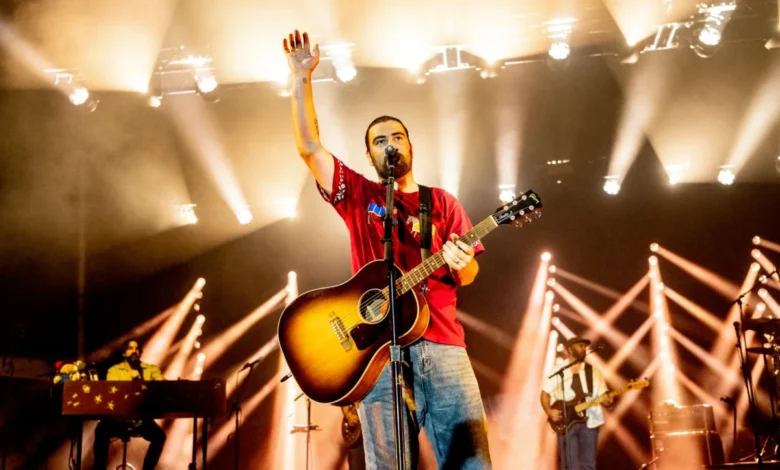
New York City’s vibrant summer concert scene faced significant disruption this past weekend as severe inclement weather forced the cancellation of multiple high-profile events, including a highly anticipated performance by folk-pop sensation Noah Kahan at Citi Field. The decision, made out of an abundance of caution for public safety, underscored the complex challenges of hosting large-scale outdoor gatherings in unpredictable weather conditions.
Noah Kahan’s ‘Great Divide’ tour stop, originally scheduled for Saturday, July 18, at Citi Field in Queens, was ultimately called off after an extensive afternoon of weather pattern monitoring by the stadium’s management team. The cancellation left thousands of fans, many of whom had traveled considerable distances, disappointed but largely understanding of the venue’s paramount concern for safety. Citi Field, typically home to the New York Mets, is a major outdoor venue with a concert capacity often exceeding 40,000 attendees, making any last-minute decision a monumental logistical undertaking.
The official announcement from Citi Field on Saturday articulated the gravity of the situation: “The show tonight at Citi Field has been cancelled due to inclement weather. This was a very difficult decision to make, but the first priority is always to keep everyone safe. Rain showers and thunderstorms, with the possibility of damaging wind gusts and flash flooding, were expected into the night.” This statement highlighted the specific meteorological threats that prompted the cancellation, moving beyond general "bad weather" to detail the potential for dangerous conditions. New York City in mid-July is notoriously susceptible to rapid-onset thunderstorms, which can quickly escalate from light rain to severe electrical storms, often accompanied by intense downpours, high winds, and the risk of localized flooding. Such conditions pose significant risks not only to attendees but also to venue staff, performers, and critical stage equipment.
Noah Kahan himself echoed the sentiment of regret and concern for his fanbase, sharing an update on his Instagram that read, “Exhausted every option to make this happen… love you guys.” This personal message from the artist resonated with many, acknowledging the effort made to avoid cancellation while reinforcing the necessity of the final decision. The cancellation was particularly impactful as it was intended to be the first of a two-night engagement at Citi Field, with the second show still scheduled to proceed on Sunday, July 19. At the time of reporting, no alternative date has been announced for the cancelled July 18 concert, leaving fans in limbo regarding refunds or rescheduling options for that specific date.
Chronology of a Difficult Decision: Weather Monitoring and Official Announcements
The decision-making process for cancelling a major stadium concert is a multi-faceted operation involving meteorological experts, venue operations, public safety officials, and tour management. For the July 18 Kahan concert, the sequence of events likely began hours, if not days, before the scheduled performance. As early as Friday, weather forecasts would have indicated a possibility of severe weather for Saturday. By Saturday morning, these probabilities would have intensified, triggering heightened vigilance from Citi Field’s operational team.
Throughout Saturday afternoon, real-time weather tracking would have been conducted, utilizing radar data, satellite imagery, and localized weather models to assess the precise trajectory and intensity of incoming storm systems. Decisions of this magnitude are not taken lightly, given the substantial financial implications and the disappointment caused to thousands of ticket holders. Factors weighed include the safety of fans in outdoor seating, the structural integrity of temporary stage constructions and lighting rigs against high winds, the risk of lightning strikes, and the potential for flash flooding that could impede safe entry and exit from the venue.
The eventual announcement, made just hours before gates were set to open, reflects a careful balance between holding out hope for a break in the weather and making a definitive call before conditions deteriorated further, potentially stranding fans or endangering those en route. The clarity of the official statements from both Citi Field and Noah Kahan’s team helped manage public expectations and reinforced the safety-first approach.
Broader Disruptions: Zeds Dead Concert Also Postponed
The impact of the weekend’s severe weather extended beyond Citi Field. Forest Hills Stadium, another prominent outdoor venue in Queens, was also compelled to call off its Saturday night concert featuring electronic music duo Zeds Dead. In a statement released a few hours prior to their scheduled performance, Forest Hills Stadium cited similar concerns, explaining, “There’s another storm that’s supposed to move in and we can’t even build our production anyway with all the delays from the rain already.” This highlights an additional layer of complexity for outdoor events: persistent rain, even if not severe enough for a full cancellation, can significantly impede the technical setup and production timeline, making it impossible to prepare the stage safely and on schedule.
Unlike Kahan’s July 18 show, the Zeds Dead concert has already been successfully postponed to August 14, with original tickets remaining valid for the new date. Refunds are also available at the original point of purchase for those unable to attend the rescheduled performance. This swift rescheduling offers a degree of relief for fans and demonstrates effective logistical coordination between the venue, artist, and promoters. The ability to quickly secure an alternative date is often contingent on venue availability, artist touring schedules, and the scale of the event.
The Logistical and Economic Ripple Effect of Large-Scale Cancellations
The cancellation of major concerts like Noah Kahan’s and Zeds Dead’s has far-reaching logistical and economic consequences. For the venues, it means a loss of significant revenue from ticket sales (even if tickets are refunded, operational costs are often incurred), concessions, merchandise, and parking. Thousands of hours of staff labor—from security and ushers to catering and technical crew—are paid for, regardless of whether a show goes on.
For artists and their touring teams, a cancellation means lost performance fees, unrecouped travel expenses, and the disruption of a carefully planned schedule. While insurance policies often cover some of these losses, they rarely fully compensate for the momentum lost or the intangible impact on an artist’s tour narrative. Rescheduling a stadium-level artist involves a complex dance of coordinating dates that work for the artist, the venue, and often, opening acts and associated production teams. Finding a suitable slot in an already packed touring calendar, especially for an artist on a world tour, can be incredibly difficult, often resulting in indefinite postponements or, in some cases, outright cancellations without rescheduling.
Beyond the immediate stakeholders, local businesses in the vicinity of Citi Field and Forest Hills Stadium also feel the pinch. Restaurants, bars, hotels, and transportation services rely on the influx of concertgoers for a significant boost in weekend revenue. A last-minute cancellation can lead to a sudden and substantial drop in business, affecting hourly workers and small enterprises that thrive on event-driven tourism. The cumulative economic impact across multiple cancelled events in a single weekend can amount to millions of dollars in lost economic activity for the city.
Noah Kahan’s “The Great Divide” Tour: Navigating Challenges Beyond the Elements
The cancelled Citi Field concert marks another challenging chapter in Noah Kahan’s ongoing ‘The Great Divide’ tour. While adverse weather is an external and unavoidable factor, the tour has also faced internal challenges related to fan behavior, prompting Kahan to speak out publicly.
The tour celebrates Kahan’s critically acclaimed fourth studio album, ‘The Great Divide,’ which was released on April 24. The album’s success propelled Kahan into a global touring artist, with the world tour announced shortly after the album’s debut, featuring dates across Australia, New Zealand, the UK, Ireland, and mainland Europe through the latter half of the year. This global reach underscores the scale and importance of each tour stop, making cancellations and other disruptions particularly impactful.
However, amidst the triumphs, reports have surfaced, and Kahan himself has addressed, instances of concerning fan conduct at previous shows. ‘The Independent’ reported on numerous fans expressing frustration on social media, having been left waiting in the rain at prior tour stops in the hopes that gigs would proceed, only to face delays or cancellations. This highlights a delicate balance venues and artists must strike: communicating early enough to prevent fan discomfort, while also trying to salvage a show if weather forecasts improve.
Addressing Unruly Fan Behavior: An Artist’s Plea for Concert Etiquette
More strikingly, Noah Kahan has taken to social media to call out instances of fans stealing road signs and, in highly unusual circumstances, even defecating in their seats at gigs. In a post to X (formerly Twitter) on June 27, Kahan wrote, “If you have to poop at a show please dear god just go to the bathroom lmao. I’ve pooped my pants as much as the next 29 year old but you guys gotta understand there’s a venue worker out there with a 1000 yard stare after dealing with that.”
This candid and somewhat humorous but firm plea from the artist underscores a growing concern among performers and venue staff regarding concert etiquette. While isolated incidents of inappropriate behavior are not new, such extreme examples point to broader issues surrounding fan engagement, the perceived anonymity of large crowds, and potentially, excessive consumption of alcohol or other substances. The "road sign" thefts also speak to a trend of fans seeking unique, albeit illicit, souvenirs, which can pose safety hazards and property damage.
Artists like Kahan are increasingly using their platforms to remind fans of basic respect for venues, staff, and fellow concertgoers. The implications of such behavior extend beyond mere inconvenience; they contribute to increased operational costs for venues (cleaning, repairs, security), create unpleasant and unsafe environments, and can negatively impact the overall concert experience for others. Kahan’s direct address to the issue highlights the human element behind venue operations and the often-overlooked challenges faced by frontline staff who are tasked with maintaining a safe and enjoyable environment for everyone.
Ensuring Safety at Major Outdoor Venues: Protocols and Public Communication
The decisions made by Citi Field and Forest Hills Stadium this weekend exemplify the stringent safety protocols in place for large-scale outdoor events. These protocols are developed in conjunction with local emergency services, meteorologists, and event safety experts. Key elements include:
- Continuous Weather Monitoring: Utilizing professional meteorological services to provide real-time updates and forecasts.
- Emergency Action Plans: Detailed plans for various scenarios, including severe weather, medical emergencies, and evacuations.
- Public Address Systems and Digital Communication: Mechanisms for quickly and clearly communicating instructions to attendees.
- Shelter-in-Place/Evacuation Procedures: Designated safe zones or clear pathways for evacuation.
- Staff Training: Ensuring all venue personnel are trained in emergency procedures and communication.
The rapid and clear communication from both venues via social media and official statements is crucial. In an age where information spreads instantly, providing timely, accurate updates helps manage crowds, reduce anxiety, and prevent potentially dangerous situations where fans might attempt to travel to a cancelled event. The priority of "keeping everyone safe" is not merely a platitude but a legal and ethical obligation that guides every decision in such circumstances.
The Financial and Reputational Stakes for Artists and Promoters
For artists like Noah Kahan, who are in the midst of a major world tour, every cancelled show represents not only a financial loss but also a potential disruption to their tour’s narrative and momentum. While fan disappointment is inevitable, the manner in which cancellations are handled can significantly impact an artist’s and promoter’s reputation. Transparency, empathy, and clear communication regarding refunds or rescheduling are paramount.
The ‘Great Divide’ tour is a massive undertaking, designed to showcase Kahan’s new material and solidify his position as a global artist. Disruptions, whether due to weather or behavioral issues, can detract from the artistic focus and add undue stress to an already demanding schedule. With upcoming dates across Australia, New Zealand in September and October, followed by the UK, Ireland, and mainland Europe in November, the tour’s successful continuation relies on meticulous planning and adaptability.
Looking Ahead: Rescheduling Efforts and the Tour’s Global Trajectory
As of now, the fate of Noah Kahan’s cancelled July 18 Citi Field concert remains uncertain, with no new date announced. The hope among fans and organizers is that a suitable window can be found in Kahan’s demanding global schedule. The second night of his Citi Field stint, on July 19, was expected to proceed as planned, offering some solace to those who secured tickets for that date.
Noah Kahan’s ‘The Great Divide’ tour continues its journey across continents, bringing his distinctive folk-pop sound to a global audience. While the challenges faced in New York City and the earlier fan conduct issues present hurdles, they also highlight the dynamic and often unpredictable nature of large-scale live music events. The dedication of venues to prioritize safety, coupled with artists’ efforts to connect with their fans even amidst difficulties, remains central to the enduring appeal of live music, despite the occasional storms – both meteorological and metaphorical – that may arise. Fans can find all remaining tour dates and ticket information through official channels, as the tour aims to overcome these recent setbacks and continue its global trajectory.