Mendelssohn Symphonies and Oratorios by the Gewandhausorchester Leipzig and Andris Nelsons

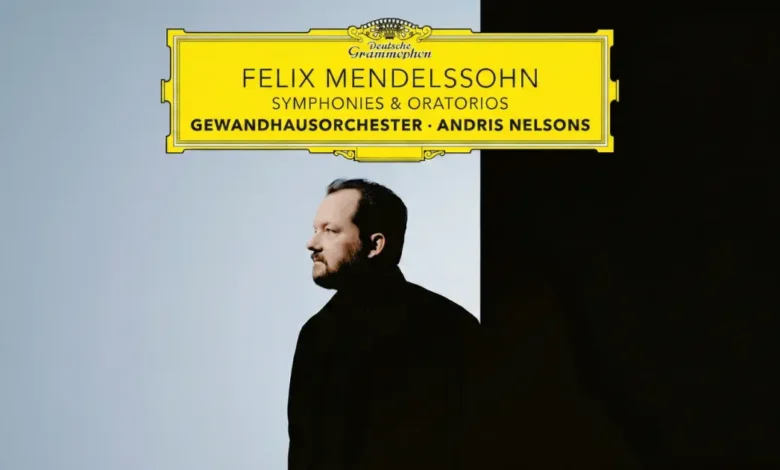
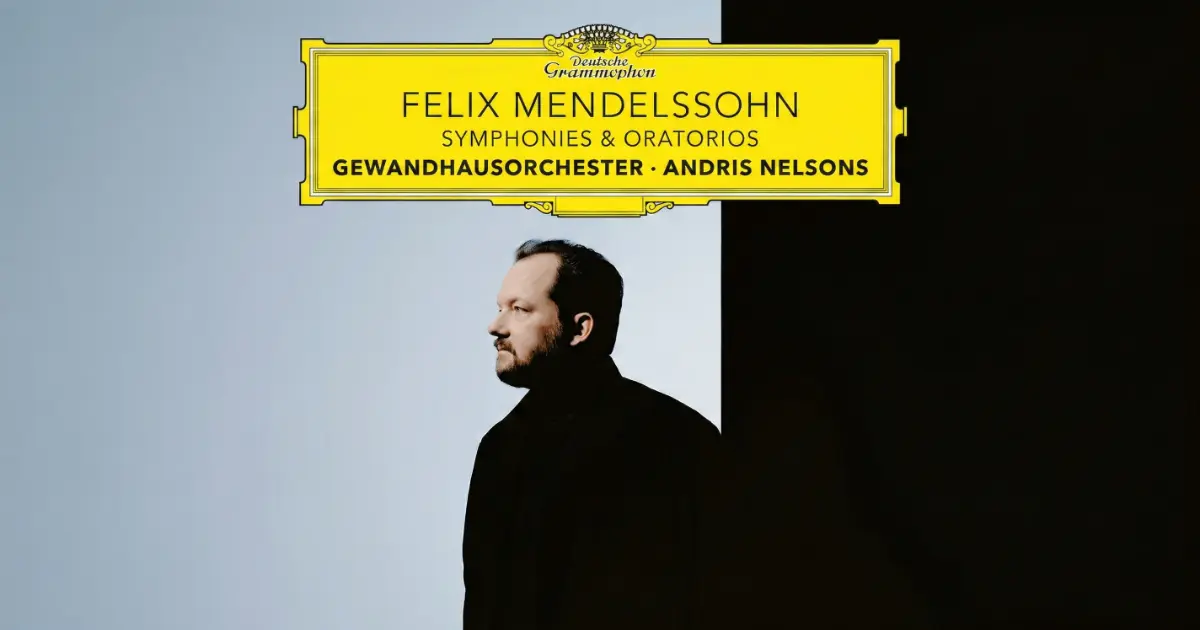
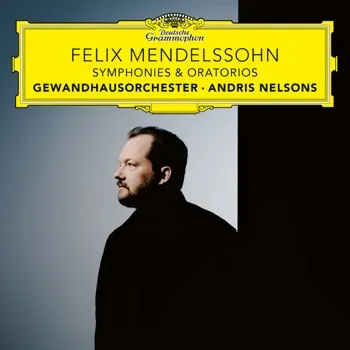
The release of the complete Mendelssohn symphony cycle coupled with his two landmark oratorios, Paulus and Elias, marks a significant milestone for the Gewandhausorchester Leipzig and its Kapellmeister, Andris Nelsons. Published by Deutsche Grammophon, this seven-CD collection represents the first time in nearly three decades that the orchestra—historically inseparable from the legacy of Felix Mendelssohn Bartholdy—has recorded the full symphonic canon. The previous benchmark for this ensemble was established in the 1990s under Kurt Masur for the Teldec label, making this new digital-era recording a highly anticipated addition to the classical discography.
By combining the five numbered symphonies with the major choral works, the set provides a comprehensive overview of Mendelssohn’s evolution as a composer. The project also highlights the enduring relationship between the Gewandhausorchester and its former director; Mendelssohn served as the orchestra’s conductor from 1835 until his death in 1847, a period during which he revolutionized the ensemble’s technical standards and repertoire. This new release seeks to reclaim that heritage, blending modern orchestral weight with stylistic nods to historically informed performance (HIP) practices.
Historical Context and the Leipzig Connection
To understand the weight of this release, one must look at the history of the Gewandhausorchester. Felix Mendelssohn is often credited with inventing the role of the modern conductor during his tenure in Leipzig. He founded the Leipzig Conservatory and championed the works of Johann Sebastian Bach, which deeply influenced his own choral writing in Paulus and Elias. The Gewandhausorchester, therefore, considers itself the "home" orchestra for this music, possessing a specific tonal warmth and transparency often referred to as the "Leipzig sound."
The previous cycle led by Kurt Masur was noted for its traditional, robust German romanticism. In contrast, the 21st-century approach taken by Andris Nelsons reflects a more eclectic stylistic palette. While maintaining the "big-band" richness of a full symphonic string section, Nelsons incorporates period-aware details, such as the use of hard-headed mallets for the timpani to provide sharper rhythmic definition and a more restrained application of vibrato in the strings. These choices aim to bridge the gap between the monumental interpretations of the mid-20th century, such as those by Herbert von Karajan or Claudio Abbado, and the leaner, faster interpretations favored by contemporary period-instrument ensembles.
The Oratorios: A New Benchmark for Paulus and Elias
The inclusion of the oratorios is perhaps the most distinctive feature of this box set. Paulus (St. Paul), Op. 36, and Elias (Elijah), Op. 70, are often excluded from symphony cycles due to the massive resources required, including world-class soloists and a professional-grade choir. For this recording, the MDR Radio Choir (MDR-Rundfunkchor) joins the Gewandhausorchester, delivering a performance that many critics have already placed at the top of the recommended list.
In Paulus, the performance is noted for its dramatic urgency and clarity. The recording marks the first time Paulus has appeared in the Deutsche Grammophon catalog, filling a notable gap in the label’s history. Bass Georg Zeppenfeld provides a world-weary, deeply human portrayal of the title character, while soprano Julia Kleiter and tenor Werner Güra offer technical precision and emotional depth. The engineering by the DG team ensures that the choir is balanced forward in the soundstage, allowing the listener to follow the narrative thread through the complex polyphonic textures.
The performance of Elias is equally substantial. Baritone André Schuen takes on the role of the prophet with a characterization that is both authoritative and vulnerable. A highlight of the second part is Wiebke Lehmkuhl’s rendition of "Sei stille dem Herrn" (O rest in the Lord), which is praised for its vocal purity. While Nelsons’ interpretation of Elias is occasionally less "driven" than the high-octane readings of conductors like Antonio Pappano or Thomas Hengelbrock, it focuses on the energetic and nuanced playing of the orchestra. The integration of the organ into the orchestral fabric is particularly effective, providing a visceral, "tummy-rumbling" bass foundation during the work’s most climactic moments.
Analyzing the Symphonic Cycle
The five symphonies present a more varied success rate across the seven discs, illustrating Nelsons’ specific interpretive priorities.
Symphony No. 1 and the Lobgesang
Symphony No. 1 in C Minor is treated with a seriousness of intent that elevates it from a "youthful effort" to a significant symphonic statement. While some conductors emphasize the Mendelssohnian joie de vivre in this work, Nelsons focuses on the lyrical beauty of the slow movement, showcasing the first-chair woodwind soloists.
Symphony No. 2, known as the Lobgesang (Hymn of Praise), presents a unique challenge as a "Symphony-Cantata." Nelsons leans heavily into the symphonic nature of the first three orchestral movements, drawing out an intense beauty from the Leipzig strings. However, the choral movements have drawn some critical scrutiny for their pacing. Nelsons opts for slower, more reverential tempos in sections like "Nun danket alle Gott," which some listeners may find overly sentimental compared to the more brisk, modern readings by Paavo Järvi or Andrew Litton.
The Scottish and Italian Symphonies
The "Scottish" (No. 3) and "Italian" (No. 4) symphonies are the most frequently recorded works in the set, and here Nelsons faces the stiffest competition. In the Scottish Symphony, the opening Andante con moto is praised for its voicing, but the subsequent Allegro is noted for a certain "four-square" phrasing that lacks the buoyancy found in classic recordings by Peter Maag or Charles Munch.
Similarly, the Italian Symphony is interpreted with a focus on its formal symphonic structure rather than its programmatic "travelogue" elements. The first movement is played at a rapid tempo, but the phrasing remains sturdy. The Andante is particularly effective, conjuring the image of a religious procession through Rome, while the third movement displays the elegance for which the Gewandhausorchester is famous.
Symphony No. 5: The Reformation
Symphony No. 5, the "Reformation," is widely considered the highlight of the symphonic portion of the set. Nelsons finds a convincing balance of atmosphere and power. The opening movement’s "Dresden Amen" is delivered with potent solemnity, followed by an energetic Allegro con fuoco. The final movement, which utilizes Martin Luther’s chorale "Ein feste Burg ist unser Gott," builds to a magnificent climax that benefits from the sheer weight and precision of the Leipzig brass and strings.
Technical Specifications and Production Data
The production quality of the set reflects Deutsche Grammophon’s high standards for "prestige" releases.
- Format: 7 CDs (available also on digital streaming platforms including Apple Music Classical).
- Engineering: Clear, transparent soundstage with a wide dynamic range, particularly effective in the large-scale choral works.
- Pricing Strategy: The set is positioned as a high-value release, offered at a price point equivalent to three full-price CDs despite containing seven.
- Artist Roster: Includes top-tier soloists such as Christiane Karg, Elsa Benoit, and Golda Schultz, alongside the aforementioned Zeppenfeld and Schuen.
The absence of Mendelssohn’s popular overtures (such as The Hebrides or A Midsummer Night’s Dream) is a notable omission for a "complete" cycle, but the inclusion of the full oratorios is generally viewed as a more than fair trade-off by collectors.
Broader Impact and Implications for the Classical Market
This release arrives at a time when the classical music industry is increasingly moving toward "complete" edition box sets as a way to consolidate artist legacies. For Andris Nelsons, this cycle solidifies his standing as one of the most prolific recording artists of the current era, adding to his ongoing projects with both the Gewandhausorchester and the Boston Symphony Orchestra.
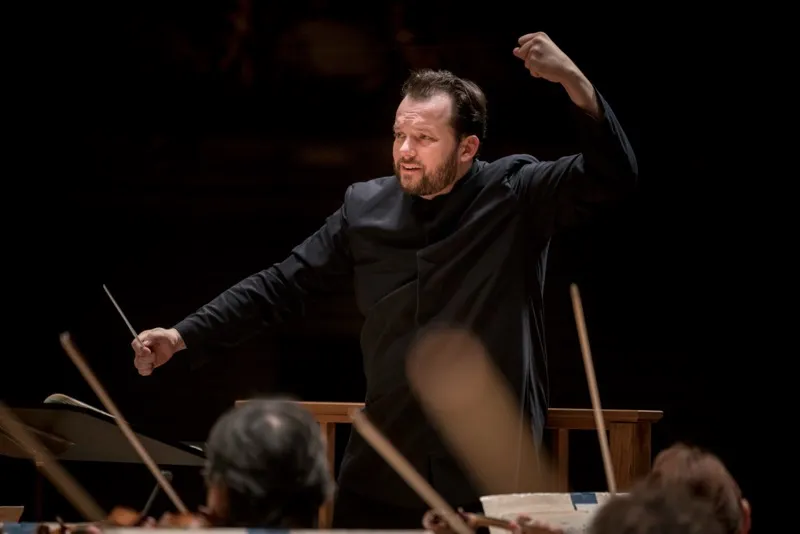
For the Gewandhausorchester, the set serves as a reaffirmation of their identity. In a globalized orchestral world where many ensembles are beginning to sound similar, the Leipzig players maintain a distinct tonal profile that is uniquely suited to Mendelssohn’s music. The rapport between Nelsons and the orchestra is evident throughout, characterized by a mutual understanding of phrasing and a shared commitment to the "Leipzig tradition."
The critical consensus suggests that while some of the symphonic movements may lack the sheer "drive" of more radical, historically informed recordings, the set as a whole is a monumental achievement. The Paulus recording, in particular, is expected to remain a reference version for years to come. For Mendelssohn enthusiasts, the combination of the orchestra’s historical lineage, the high-caliber choral work, and the budget-friendly pricing makes this an essential acquisition. It stands as a testament to Mendelssohn’s enduring relevance and the ability of a "home" orchestra to bring a unique level of authenticity to his most celebrated works.