
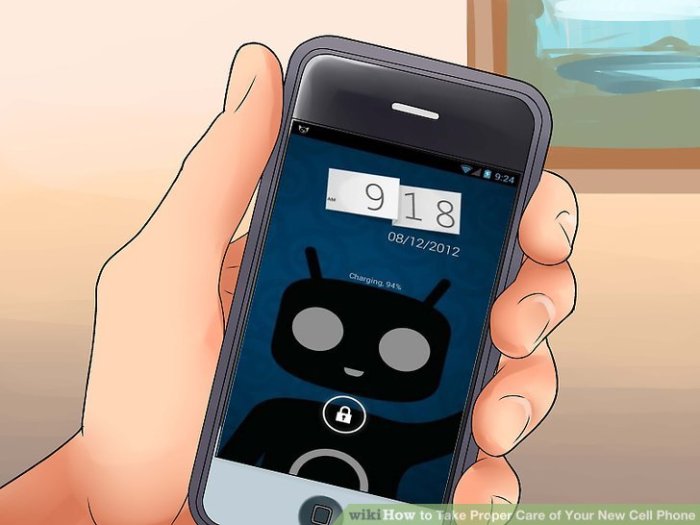
Take Proper Care of Your New Cell Phone – from initial setup to advanced features, this guide will equip you with the knowledge to maximize your phone’s lifespan and ensure a smooth experience. We’ll explore essential tips for protecting your phone from damage, optimizing its performance, and managing your data securely. It’s more than just a gadget; it’s an extension of you, so let’s treat it with the respect it deserves.
This comprehensive guide covers everything from setting up security features to understanding responsible usage habits. We’ll dive deep into the practical aspects of phone care, ensuring you’re well-prepared to tackle any challenge that comes your way.
Initial Setup and Protection
A new phone is a thrilling experience, but it’s crucial to prioritize security and protection from the very start. Proper initial setup and protective measures will safeguard your investment and ensure a smooth user experience. This section details the essential steps to take for a secure and well-protected new phone.Setting up a new phone involves more than just connecting to Wi-Fi.
A proactive approach to security is key, especially given the growing sophistication of online threats. This includes promptly enabling all available security features. This section details how to properly set up your new phone and how to safeguard it against physical damage.
Setting Up Your Phone Securely
Ensuring the security of your new device starts with strong passwords and robust authentication methods. Immediately after unboxing, change the default password to a complex, unique, and easily remembered one. Consider using a combination of letters, numbers, and symbols for enhanced security. Enable two-factor authentication wherever possible. This adds an extra layer of protection, requiring a second verification step beyond your password.
Enable location services only when necessary.
Activating Device Security Features
Activating security features protects your phone and personal data from unauthorized access. Immediately enable features such as a passcode lock, fingerprint sensor, or facial recognition. These features provide additional layers of protection, preventing unauthorized access to your device. Consider enabling the device’s built-in security features, such as app restrictions, screen time limits, and data encryption.
Choosing Protective Cases and Screen Protectors
Phone cases and screen protectors are essential for safeguarding your phone from scratches, impacts, and other potential damages. Various types are available, each with its own strengths and weaknesses. A hard plastic case provides robust protection against impacts, but it may not offer the same level of comfort as a more flexible material.
- Hard Cases: These offer excellent protection against drops and impacts. However, they may not be as comfortable to hold for extended periods due to their rigid nature. Examples include polycarbonate and TPU cases with a hard outer shell. A key benefit is the high drop protection, but the lack of flexibility can result in some discomfort.
- Soft Cases: These are typically made of silicone or TPU, offering a more comfortable grip and flexibility. They provide decent protection against minor impacts and scratches. They are generally more comfortable to hold, but their impact absorption is lower than hard cases. Examples include flexible silicone or TPU cases.
- Hybrid Cases: These combine the benefits of both hard and soft cases. They provide good impact protection while offering a comfortable grip. Hybrid cases provide a good balance between impact resistance and user comfort. Examples include cases with a hard inner shell and a soft outer layer.
- Screen Protectors: These are essential for safeguarding the delicate screen of your phone from scratches and damage. Tempered glass screen protectors are highly durable and offer excellent scratch resistance, while also providing a clear viewing experience. A tempered glass screen protector offers a great balance between durability and clarity, but can be more prone to shattering than other types.
- Plastic Screen Protectors: These are a more affordable alternative to tempered glass, but they may not offer the same level of scratch resistance. They provide a basic level of protection and are a more budget-friendly option. Plastic screen protectors are generally less expensive, but their durability is lower compared to tempered glass.
Safeguarding Your Phone from Physical Damage
Proper handling and storage are essential for preventing physical damage to your phone. Avoid placing your phone in direct sunlight or extreme temperatures, as these can damage the internal components. Avoid placing your phone in pockets with sharp objects or rough surfaces. Using a carrying case can further protect your phone from physical damage.
Phone Case Material Comparison
| Case Material | Drop Protection | Comfort | Cost |
|---|---|---|---|
| Hard Plastic | Excellent | Low | Moderate |
| Soft Silicone/TPU | Good | High | Low |
| Hybrid | Very Good | Moderate | Moderate |
This table summarizes the comparative impact resistance, comfort, and cost of different phone case materials. Consider your needs and preferences when choosing the appropriate protection for your phone.
Maintaining Optimal Performance
Keeping your new phone running smoothly and efficiently is crucial for a positive user experience. Proper maintenance extends the lifespan of your device and ensures optimal performance, preventing frustrating slowdowns and unexpected issues. This involves a multifaceted approach, from managing apps and storage to extending battery life and maintaining a clean device.Optimizing your phone’s performance involves several key strategies, including thoughtful app management, efficient storage utilization, and regular battery care.
A well-maintained phone not only functions flawlessly but also reflects responsible ownership and a commitment to maximizing its potential.
Managing Apps and Storage
Careful management of applications and storage space is essential for sustained phone performance. Excessive app usage or unused applications can lead to system slowdowns and reduced responsiveness. A cluttered phone can also lead to storage limitations, which can cause issues like app crashes and performance problems.
Taking proper care of your new phone is key, especially when you’ve got a lot of important apps and music on it. Speaking of music, did you hear the news? Joey Bada$$ is hitting the road with Pro Era and Flatbush Zombies! Check out the details on their upcoming tour here. Protecting your investment means keeping it clean and avoiding drops, so your phone can keep up with all the latest music releases and apps.
- Uninstall Unused Apps: Regularly review and uninstall apps you no longer use. This frees up valuable storage space and prevents unnecessary system load.
- Close Background Apps: Closing background apps can free up RAM and prevent your phone from working too hard. Many modern phones offer tools for managing background app activity.
- Regularly Clear Cache and Data: Clearing app cache and data can resolve minor performance issues caused by outdated or corrupted data. This process removes temporary files and unused information that can clutter your phone’s memory.
Extending Battery Life and Managing Battery Health
Battery health is directly linked to phone performance. Proper care of your phone’s battery extends its lifespan and optimizes its overall performance.
- Avoid Extreme Temperatures: Extreme temperatures can negatively impact battery life. Avoid leaving your phone in direct sunlight or extremely hot or cold environments.
- Optimize Power Saving Modes: Utilize your phone’s power-saving modes when needed. These features can significantly extend battery life by reducing power consumption.
- Avoid Deep Draining Apps: Identify and manage apps that consume excessive battery power. Restrict their usage or adjust settings to minimize power consumption.
- Regularly Charge and Discharge: Regularly charging and discharging your battery can help maintain its health. Avoid leaving your battery at 100% charge for extended periods.
Maintaining a Clean and Dust-Free Phone
A clean phone is a happy phone. Dust and debris can accumulate inside and around the phone’s ports and openings, leading to performance issues and even damage.
- Regularly Clean the Phone: Use a soft, lint-free cloth to wipe down the phone’s exterior and ports regularly. Avoid harsh chemicals or abrasive materials.
- Prevent Dust and Debris Accumulation: Use protective cases or screen protectors to prevent dust and debris from accumulating inside and around the phone.
Importance of Regular Software Updates
Software updates are critical for optimal phone performance. They often include bug fixes, performance improvements, and security enhancements.
- Security Enhancements: Updates frequently include security patches to address vulnerabilities that could be exploited by malicious actors.
- Performance Improvements: Updates can enhance the phone’s overall performance, optimizing various functions and processes for a smoother experience.
- Bug Fixes: Updates address bugs and errors that can cause unexpected behavior or crashes.
Maintenance Tasks and Frequency
Regular maintenance is crucial for a smooth and efficient phone experience.
| Task | Frequency |
|---|---|
| Uninstall unused apps | Weekly |
| Close background apps | Daily |
| Clear app cache and data | Monthly |
| Clean the phone exterior | Weekly |
| Check for software updates | Weekly |
Data Management and Security: Take Proper Care Of Your New Cell Phone
Protecting your valuable data is crucial for maintaining the integrity and usability of your new phone. Regular backups and robust security measures are vital to prevent loss or unauthorized access to photos, contacts, and other important files. This section dives deep into effective data management strategies and security protocols.Data loss can be devastating, from irreplaceable photos to crucial contacts.
Implementing a proactive data management strategy minimizes these risks, allowing you to quickly restore lost information and keep your digital life organized.
Data Backup Importance
Regular backups are essential to safeguard your phone’s data. Accidental deletion, hardware failure, or even theft can lead to significant data loss without proper backups. The importance of regular backups cannot be overstated. A well-defined backup strategy protects your digital assets and ensures you can quickly recover your data.
Data Backup Methods
Numerous backup solutions are available for various needs and budgets. Here are some popular options:
- Cloud Storage Services: Cloud services like Google Drive, iCloud, and Dropbox offer convenient and automatic backups. They store your data remotely, making it accessible from multiple devices. These services typically offer various storage plans to suit different needs and budgets. Many mobile operating systems have built-in cloud backup options that integrate seamlessly with your device.
- External Hard Drives: External hard drives provide a physical backup solution. They allow for large-scale data storage and are useful for backing up extensive collections of photos, videos, or other files. These external drives are particularly useful for individuals with large media libraries. Connecting the external drive to your phone via a USB cable facilitates the transfer of data.
- Computer-Based Backups: Backing up to a computer offers a high degree of control over your data. You can use specialized software or built-in operating system tools to create backups on your computer. This is often a robust backup method for important documents and data.
Securing Sensitive Information
Protecting sensitive information, such as financial data or personal identification numbers (PINs), is crucial. Enable strong passcodes, use encryption features if available, and avoid storing sensitive information directly on your phone.
Contact, Photo, and File Management
Organizing your contacts, photos, and other files efficiently ensures easy access and reduces clutter. Use folders, tags, or s to categorize files effectively. Photo albums and contact lists can be customized and organized to suit your personal preferences.
Data Backup Restoration Process
Restoring data from a backup is straightforward with most solutions. Typically, you will need to follow these steps:
- Select the Backup: Choose the specific backup you want to restore from.
- Select the Data to Restore: Choose the files, contacts, or other data you want to retrieve from the backup.
- Initiate the Restoration: Follow the on-screen instructions to initiate the data restoration process. The process may take time depending on the amount of data to be restored.
- Verify the Restoration: Verify that the restored data is complete and accurate.
Example Backup Solutions
- Google Photos: Offers automatic backups of photos and videos, providing free storage for a certain amount of data. It is an excellent solution for storing and managing photos and videos, especially with its built-in editing and organization tools.
- iCloud: A cloud-based backup solution for Apple devices, offering automatic backups of data, including contacts, photos, and documents. It provides a convenient way to back up data across different Apple devices.
Troubleshooting Common Issues
Navigating the initial excitement of a new phone can sometimes lead to unexpected challenges. From connectivity hiccups to software glitches, understanding how to troubleshoot these common issues is crucial for maintaining a smooth user experience. This section provides a practical guide to resolve various problems, ensuring your new device remains a reliable companion.
Connectivity Problems
Connectivity problems, such as weak signal strength or issues with Wi-Fi, Bluetooth, or cellular data, can be frustrating. Several factors contribute to these issues, ranging from environmental interference to device settings. A systematic approach to troubleshooting is key to resolving these problems efficiently.
- Checking Network Coverage: Ensure your location offers adequate signal strength. Buildings, dense foliage, and even metallic objects can significantly affect cellular reception. If possible, try moving to an area with better coverage to verify if the problem is location-based.
- Restarting the Device: A simple restart often resolves temporary glitches. This action refreshes the system and clears any cached data that might be causing the issue. Press and hold the power button until the device shuts down and then restart it.
- Checking Network Settings: Verify that your network settings are correct and match your carrier’s configuration. Incorrect settings can lead to connection problems. Consult your carrier’s website or support for guidance on your specific network.
- Updating Network Drivers: Regularly updating your network drivers can optimize connectivity and resolve incompatibility issues. Check for available updates through your device’s settings menu or your carrier’s website.
Software Glitches
Software glitches, such as app crashes, unexpected shutdowns, or unresponsive interfaces, can disrupt your phone’s functionality. These problems often stem from outdated software, conflicting apps, or corrupted system files. Identifying the root cause is essential for implementing the right solution.
- Checking for Software Updates: Regularly updating your phone’s operating system and individual apps is crucial for patching vulnerabilities and fixing bugs. System updates often contain important security fixes and performance enhancements.
- Closing Unnecessary Apps: Excessive background processes can strain your phone’s resources, leading to performance issues. Closing unnecessary apps can help free up memory and improve overall responsiveness.
- Clearing Cache and Data: Clearing the cache and data of individual apps can resolve issues stemming from corrupted data or temporary files. This action removes unnecessary files and ensures that apps run efficiently.
- Rebooting the Device: A forced reboot, similar to a restart, can address various software glitches. This method helps clear temporary errors and ensures the phone is operating optimally.
Unresponsive Phone
An unresponsive phone, where the screen freezes or the device fails to respond to inputs, can be extremely frustrating. Several reasons, including software conflicts or hardware issues, can contribute to this problem. Addressing this issue promptly is crucial to avoid data loss or further complications.
- Force Restart: If the phone is unresponsive but still powered on, a force restart can often resolve the problem. The exact method varies depending on the phone model, but usually involves a combination of power and volume buttons.
- Checking for Overheating: Extreme heat can lead to a phone becoming unresponsive. Allow the device to cool down in a cool, well-ventilated area before attempting further troubleshooting.
- Performing a Factory Reset: In cases of persistent software issues, a factory reset can restore the device to its original settings. However, this action will erase all data on the device. Back up your data before performing this step.
Common Phone Problems and Solutions
| Problem | Potential Solution |
|---|---|
| Slow performance | Close unnecessary apps, clear cache and data, update software |
| Connectivity issues | Check network coverage, restart device, check network settings |
| App crashes | Update apps, close unnecessary apps, clear app cache and data |
| Unresponsive phone | Force restart, check for overheating, factory reset (as a last resort) |
Responsible Usage and Habits
Our phones have become indispensable tools, but excessive use can negatively impact our well-being. Understanding the importance of responsible phone usage is crucial for maintaining a healthy and balanced lifestyle. This section delves into the impact of excessive screen time on mental health and provides strategies to manage it effectively.
The Impact of Excessive Phone Use on Mental Health
Prolonged and excessive phone use can lead to various mental health concerns. Studies show a correlation between high screen time and increased anxiety, depression, and sleep disturbances. The constant stream of notifications and social media comparisons can contribute to feelings of inadequacy and low self-esteem. Furthermore, excessive engagement in online activities can displace meaningful in-person interactions, potentially affecting social connections and overall well-being.
This highlights the need for mindful phone usage.
Strategies for Managing Screen Time and Setting Boundaries
Effective screen time management involves implementing strategies to control phone usage. Establishing specific times for phone use, designating “phone-free” zones, and setting time limits on specific apps are all crucial steps. It is important to be aware of personal triggers that lead to excessive use and actively avoid them. Regular breaks and mindful activities, such as spending time in nature or engaging in hobbies, can help mitigate the negative effects of constant connectivity.
Examples of Apps and Tools to Monitor and Limit Phone Usage
Several apps and tools are designed to monitor and limit phone usage, empowering users to regain control. These tools offer various features, including time tracking, usage reports, and customizable restrictions. These resources can be instrumental in identifying patterns of excessive use and setting realistic boundaries.
Taking care of your new phone is crucial, just like navigating a tricky relationship. For example, if you’re dealing with a relationship dynamic like breaking up with a Gemini woman, Break Up with a Gemini Woman might provide some insights. Ultimately, both situations require careful consideration and a strategy. Protecting your investment, whether it’s a phone or a relationship, needs a thoughtful approach.
A well-maintained phone will last longer, just as a well-handled breakup can pave the way for future happiness.
Apps Designed for Better Phone Usage Management
Many apps are available to help manage phone usage. They provide features to track screen time, schedule time limits, and set reminders. Using these tools can help users develop healthier habits and mitigate the potential negative effects of excessive phone use.
- Freedom: This app allows users to block distracting apps and websites for specific time periods, promoting focused work and study sessions.
- Forest: Users plant a virtual tree that grows with time spent away from their phones. If they return to their phone before the tree is fully grown, the tree dies. This creates an incentive to stay focused on other tasks.
- Offtime: This app allows users to create time limits for specific apps or categories of apps, helping to control usage and maintain balance.
- Cold Turkey: A simple and effective tool to block distracting apps for a specified duration. It’s straightforward and easy to use.
- Qustodio: This parental control app offers features to track app usage, monitor internet activity, and limit screen time, making it a comprehensive tool for managing phone usage for children and teens, but also for adults wanting to better control their usage.
Exploring Advanced Features
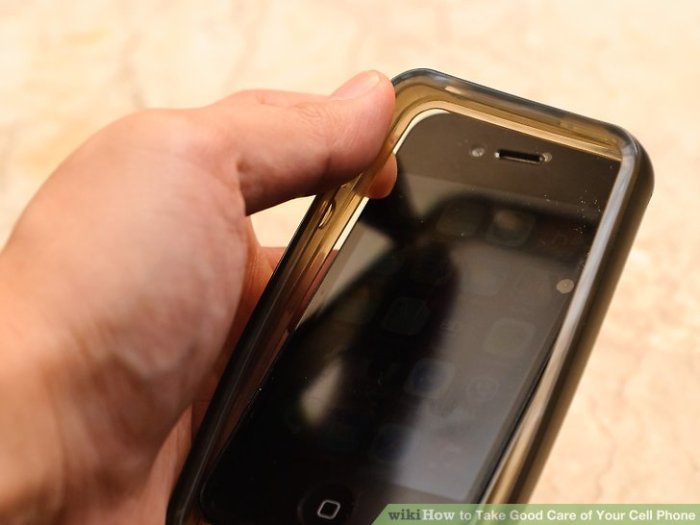
Unlocking the full potential of your new smartphone involves mastering its advanced features. This section dives into the capabilities of your device’s camera, audio, and navigation systems, enabling you to capture stunning visuals, enjoy high-fidelity sound, and utilize integrated navigation tools efficiently. From taking professional-quality photos to utilizing your phone as a powerful multimedia hub, these techniques will empower you to leverage your device’s full potential.
Camera Capabilities
Mastering your phone’s camera is key to capturing stunning photos and videos. Understanding the various camera modes available is essential for achieving optimal results. Different modes cater to different scenarios, from capturing fast-action sports to taking intricate portraits.
- Photo Modes: Various photo modes are available to fine-tune your shots. Portrait mode, for example, blurs the background, isolating the subject and creating a professional look. Night mode enhances low-light photography, producing clear images even in dimly lit environments. These modes provide a flexible approach to photography, catering to diverse needs and lighting conditions.
- Video Modes: Record high-quality videos with features like slow-motion and time-lapse. These options allow you to capture moments in unique ways, from the smooth grace of slow-motion to the condensed beauty of time-lapse. Video modes provide a dynamic way to document your life’s moments.
- Pro Mode: Advanced users can access Pro mode to adjust settings like aperture, ISO, and shutter speed. This mode provides precise control over image quality and creative possibilities. Experimenting with these settings can lead to exceptional results.
Audio Recording
Your phone’s audio recording capabilities extend beyond simple voice memos. High-quality audio recording is possible, making it a valuable tool for various applications. Utilize these capabilities for recording interviews, lectures, or even music.
Taking proper care of your new cell phone is crucial, especially if you’re into the tech world. Like the wild rollercoaster ride of dumb money stocks and Gamestop, things can get unpredictable quickly. Learning from the real-life stories of the “dumb money” era, like the dumb money stocks gamestop true story , it’s essential to avoid costly mistakes and keep your phone in tip-top shape.
So, invest in a good case and screen protector – your phone will thank you!
- Microphone Settings: Adjust microphone sensitivity and other settings for optimum audio capture. Experimenting with these settings will allow you to find the best balance for different environments and recording situations.
- Audio Recording Quality: Your phone likely offers options for high-quality audio recordings. These settings are crucial for preserving details in your recordings, whether it’s a musical performance or a crucial interview.
- Audio Editing: Many phones offer basic audio editing tools for trimming, adjusting volume, and adding effects. These tools allow for refining your recordings and ensuring a professional-quality outcome.
Navigation and Applications
Leverage your phone’s integrated navigation tools for seamless wayfinding. The GPS functionality, combined with mapping applications, allows you to explore unfamiliar territories or navigate your daily commutes efficiently.
- Navigation Apps: Explore the vast library of navigation apps available. Features like real-time traffic updates, alternative route suggestions, and offline maps ensure smooth journeys, even in areas with limited or no internet access.
- Using the Phone for Navigation: Your phone’s built-in navigation features provide detailed maps and turn-by-turn directions. Utilize these features to plan routes, navigate unfamiliar streets, or discover hidden gems in your city.
Camera Modes and Uses
The following table details various camera modes and their respective applications:
| Camera Mode | Description | Typical Use Case |
|---|---|---|
| Portrait | Blurs the background to focus on the subject. | Taking photos of people, products, or objects to highlight them. |
| Night Mode | Enhances low-light photography. | Taking photos in dimly lit environments, such as at night or indoors. |
| Pro Mode | Allows manual adjustments of aperture, ISO, and shutter speed. | Advanced photography, where precise control over image quality is needed. |
| Panorama | Captures a wider view than a single shot. | Capturing landscapes, cityscapes, or wide-angle scenes. |
Avoiding Common Mistakes
New phones, packed with features and capabilities, can be overwhelming. It’s easy to fall into bad habits that can compromise your phone’s performance, security, and even your personal well-being. Understanding common pitfalls and learning how to avoid them will ensure a smoother, more enjoyable experience with your new device.Misusing features, neglecting security protocols, and succumbing to impulsive purchases are just a few examples of the common mistakes new phone users make.
These errors can range from minor annoyances to significant issues, such as data breaches and device malfunctions. This section Artikels strategies for navigating the complexities of modern smartphones and avoiding these pitfalls.
Identifying Common Mistakes, Take Proper Care of Your New Cell Phone
New phone users often make mistakes related to initial setup, data management, and software updates. Some frequently encountered errors include failing to set up strong passwords, neglecting regular backups, and ignoring software updates. These seemingly small oversights can have substantial repercussions on the security and longevity of the device.
Consequences of Common Mistakes
Failing to secure your phone properly can lead to unauthorized access to personal data, financial information, and sensitive communications. Ignoring software updates can expose your phone to vulnerabilities that malicious actors can exploit. Incomplete or infrequent backups can result in the loss of important data, including photos, videos, and contacts.
Avoiding These Mistakes
Implementing proactive measures can significantly reduce the risk of encountering problems. Setting up strong, unique passwords for each account, regularly backing up your data, and promptly installing software updates are crucial steps in maintaining a secure and functional device. Utilize the phone’s built-in security features and consider a reputable third-party backup service for added protection.
Maintaining a Healthy Relationship with Your Phone
A healthy relationship with your phone involves understanding its limitations and uses. Avoid letting it dominate your life, and prioritize face-to-face interactions over digital communication. Establish clear boundaries between personal and professional use. Limit screen time, especially before bed, to promote better sleep patterns and mental well-being.
Tips for a Healthy Relationship
Use screen time management tools to monitor and limit your phone use. Designate specific times for checking social media or emails. Engage in activities that don’t involve your phone, like reading a book, spending time in nature, or engaging in hobbies. This helps maintain a balanced perspective and reduces potential stress associated with excessive phone use.
Comparing Phone Operating Systems
Different phone operating systems offer unique strengths and weaknesses. Understanding the distinctions can help you choose a phone that aligns with your needs and preferences.
| Feature | Android | iOS |
|---|---|---|
| Customization | High degree of customization, allowing users to personalize the look and feel of the phone. | Limited customization options, offering a more streamlined and consistent user experience. |
| App Ecosystem | Vast app selection from various developers, including many free apps. | More curated app store, often focusing on quality and security. |
| Security | Varying security measures depending on the manufacturer and device. | Strong emphasis on security, with regular updates and built-in protections. |
| Integration with other devices | Often integrates well with other Google services and devices. | Strong integration with Apple ecosystem of products. |
Outcome Summary
So, there you have it! A complete roadmap to navigating the exciting world of your new phone. By following these steps, you can enjoy a long and trouble-free relationship with your device. From protecting it from scratches to maximizing battery life and mastering its features, we’ve got you covered. Now go forth and enjoy the digital realm!