
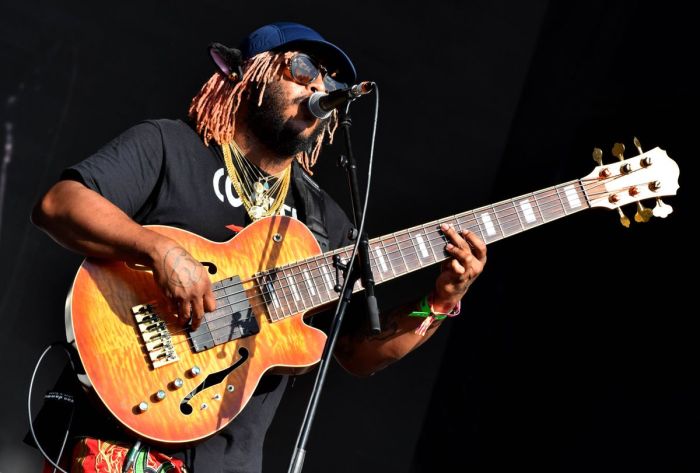
Thundercat breaks down his favorite basslines, revealing the rhythmic complexity, melodic phrasing, and harmonic innovations that define his unique sound. This deep dive explores the technical wizardry behind his bass playing, highlighting influences from other musicians and genres, and demonstrating how these techniques shape his distinctive style across various musical landscapes. Prepare to be amazed by the sheer artistry and creativity on display as Thundercat unpacks the heart of his basslines, taking us on a sonic journey.
From the intricate rhythmic patterns to the melodic contours and harmonic implications, this analysis delves into three distinct basslines from Thundercat’s discography. We’ll explore the interplay between the bass and other instruments, examining how his basslines create atmosphere and mood, and ultimately shape the overall musical experience. This exploration unveils the technical aspects of his playing, such as slapping, popping, and walking basslines, and traces the influences that have shaped his unique approach.
The variety of genres Thundercat navigates with his bass, from hip-hop to experimental and jazz, will be highlighted.
Introduction to Thundercat’s Basslines
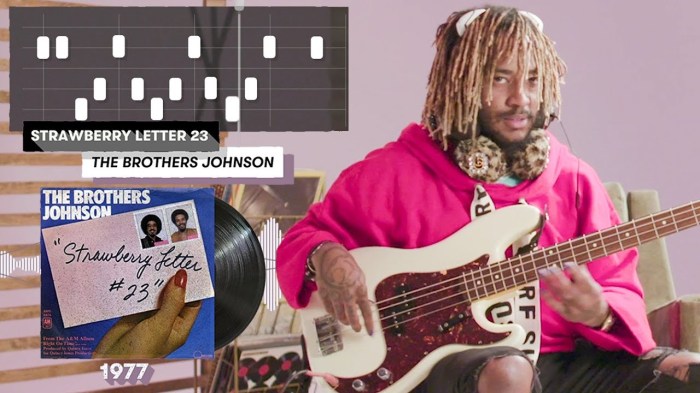
Thundercat’s music transcends genres, weaving a tapestry of soulful grooves and intricate basslines. His bass playing isn’t just an accompaniment; it’s a vital component of his unique sonic palette, often driving the rhythmic pulse and melodic contours of his compositions. From the soulful whispers of his early work to the complex, layered soundscapes of his later projects, Thundercat’s basslines consistently stand out as a defining characteristic of his artistry.Beyond the raw talent, Thundercat’s basslines are meticulously crafted, combining rhythmic complexity with melodic phrasing and harmonic innovation.
He seamlessly blends funk, soul, jazz, and hip-hop influences into a sound that’s both familiar and entirely his own. Understanding the core elements of his basslines provides a deeper appreciation for his musical genius.
Key Characteristics of Thundercat’s Basslines
| Characteristic | Description |
|---|---|
| Rhythm | Thundercat’s basslines are renowned for their rhythmic complexity. He often employs syncopation, polyrhythms, and intricate rhythmic patterns that drive the groove while maintaining a soulful, improvisational feel. This rhythmic dynamism creates a constant interplay between the bass and other instruments, making his music both engaging and unpredictable. He frequently utilizes a wide range of rhythmic variations, from simple walking bass lines to complex polyrhythms, which add depth and texture to his compositions. |
| Melody | While primarily rhythmic, Thundercat’s basslines frequently incorporate melodic phrasing. He utilizes melodic runs, countermelodies, and distinct melodic motifs that intertwine with the overall musical narrative. These melodic elements add a layer of sophisticated phrasing and emotional depth to his bass playing, creating a sense of musical dialogue that goes beyond just rhythmic accompaniment. |
| Harmonic Innovations | Thundercat’s basslines often explore innovative harmonic ideas, pushing the boundaries of traditional bass playing. He utilizes unconventional voicings, altered chords, and intricate harmonic progressions that enrich the overall sonic texture and create a unique musical landscape. These harmonic elements are integral to the overall complexity and emotional impact of his compositions, taking listeners on a journey through intricate harmonic landscapes. |
Influence of Other Musicians and Genres
Thundercat’s bass playing is deeply rooted in a diverse range of musical influences. His approach draws heavily from the rhythmic complexity of funk legends like Bootsy Collins and James Jamerson, whose techniques he expertly incorporates into his own style. Moreover, the melodic sophistication and harmonic innovations of jazz masters like Jaco Pastorius and Victor Wooten are also evident in his work.
Hip-hop’s rhythmic sensibilities also inform his approach, allowing for a fluid interplay between bass and the broader musical context.
Analysis of Specific Basslines: Thundercat Breaks Down His Favorite Basslines
Thundercat’s basslines are more than just rhythmic underpinnings; they’re intricate tapestries woven with melodic contours and harmonic implications that elevate the music to new heights. They often serve as the driving force behind his compositions, guiding the listener through sonic landscapes rich in nuance and emotion. This exploration delves into the unique rhythmic patterns, melodic shapes, and harmonic roles of three standout basslines from his discography.
“Them Changes” Bassline Analysis
This bassline fromDrunk” exemplifies Thundercat’s mastery of both rhythmic complexity and melodic grace. The rhythmic pattern is a pulsating interplay of eighth notes and triplets, creating a driving yet subtly shifting groove. The rhythmic feel shifts between a driving beat and a more relaxed, almost improvisational feel. This creates a dynamic contrast that keeps the listener engaged.
| Measure | Bassline Notes | Description |
|---|---|---|
| 1-4 | Repeated pattern of eighth notes | Establishes a strong, steady rhythmic foundation. |
| 5-8 | Introduction of triplets | Adds rhythmic complexity and a subtle shift in groove. |
| 9-12 | Syncopated notes | Creates a more improvisational feel, introducing unexpected accents. |
The melodic contour is characterized by a descending and ascending pattern, creating a sense of anticipation and resolution. The harmonic implications are significant, as the bassline often Artikels the chord changes, creating a strong sense of harmonic direction and providing a solid harmonic framework for the rest of the composition. It’s not just a bassline; it’s a vital part of the song’s narrative.
“Kyoto” Bassline Analysis
The bassline fromApocalypse* stands out for its use of a more restrained, yet powerful, approach to rhythm and harmony. The bassline moves through a series of walking bass patterns, creating a sense of calm and controlled intensity. The melodic contour is less pronounced than in “Them Changes,” but still manages to carry a unique melodic identity. The harmonic implications are directly related to the chord progressions, providing a solid harmonic foundation that allows the rest of the instrumentation to weave a rich sonic tapestry.
- The bassline consistently emphasizes the root and fifth of the chords, providing a strong harmonic anchor. This emphasis gives a clear sense of direction and structure.
- The use of sustained notes, in conjunction with syncopation, creates an intriguing contrast in the rhythmic and melodic texture.
The bassline’s role is to provide a steady, underlying groove, which allows the other instruments to soar above it. This creates a contrast in energy and tone that contributes to the song’s overall emotional effect.
“Lisa” Bassline Analysis
“Lisa” fromDrunk* showcases Thundercat’s ability to blend intricate rhythmic patterns with melodic complexity and harmonic depth. The bassline’s rhythmic structure is characterized by a steady, walking bassline that is embellished with unexpected syncopation. This interplay creates a dynamic and captivating groove.
- The rhythmic pattern is a mix of eighth notes, sixteenth notes, and triplets, creating a dense yet controlled rhythmic texture.
- The melodic contour is characterized by a series of ascending and descending lines, creating a sense of forward momentum and melodic interest.
The harmonic implications are closely tied to the chord changes, outlining the harmonic structure and creating a strong sense of harmonic direction. The bassline serves as a vital component in creating the song’s overall atmosphere. The melodic contour and harmonic implications work together to create a unique and unforgettable sonic experience.
Techniques and Influences
Thundercat’s bass playing transcends the typical role of a rhythm section instrument. His approach is deeply intertwined with his unique sonic palette, creating a distinctive voice that shapes the overall mood and texture of his music. He seamlessly blends technical prowess with a profound understanding of musical nuance, making his basslines both rhythmic and melodically compelling. This exploration delves into the specific techniques that form the foundation of his sound, alongside the influences that have shaped his distinctive style.Thundercat’s basslines are more than just accompaniment; they are integral to the musical narrative.
His masterful use of techniques like slapping, popping, and walking basslines, combined with influences from diverse genres, creates a sound that is both innovative and deeply satisfying. This approach to bass playing isn’t simply about technical dexterity; it’s about creating a rich sonic tapestry that complements and enhances the overall musical experience.
Slap Technique
Thundercat’s slap technique is not just about percussive impact; it’s about shaping the tone and rhythm of the music. He often employs a subtle yet powerful slap, adding a distinctive percussive element to the bassline without overpowering the other instruments. This technique is often combined with other techniques, such as picking, to create a multifaceted sound. The slap technique is not a mere addition; it’s an integral part of his sonic identity, contributing significantly to the overall texture of his music.
Pop Technique
The pop technique, often used in conjunction with slap, is another crucial element in Thundercat’s bass playing. It provides a distinct percussive element, often adding a rhythmic drive and a sense of urgency to the music. Thundercat’s use of the pop technique is not limited to simply a percussive element; it adds layers of rhythmic complexity to the bassline, creating a captivating interplay with other instruments.
He often uses this technique to emphasize specific rhythmic patterns and to highlight the melodic content of the bassline.
Walking Basslines
Walking basslines, a cornerstone of jazz and funk, are an important element in Thundercat’s style. He often uses walking basslines to create a sense of melodic progression and to underpin the harmonic structure of the music. These lines are not just functional; they are often melodic and engaging, contributing significantly to the overall musicality of the piece. Thundercat infuses walking basslines with a contemporary sensibility, seamlessly integrating them into the rhythmic tapestry of his compositions.
Influences and Comparisons
Thundercat’s style draws heavily from a variety of sources, including funk, jazz, and even electronic music. He demonstrates a deep understanding of the rhythmic intricacies of funk, often incorporating the syncopated grooves characteristic of this genre. The influence of jazz is evident in his use of melodic walking basslines and improvisation. The incorporation of electronic elements gives his sound a contemporary edge, blending the traditional with the cutting-edge.
Thundercat’s breakdown of his favorite basslines is seriously impressive, showcasing his deep understanding of the instrument. It got me thinking about my own musical journey, particularly how my taste has evolved over the past ten years. For a deeper dive into the musical landscapes of the past decade, check out Patric Fallon’s reflection on my decade in music so far patric fallon.
Ultimately, both explorations highlight the fascinating evolution of musical styles and the unique ways artists connect with their instruments.
These influences create a unique and eclectic sonic palette that differentiates him from other bassists.
Technical Aspects Table
| Technique | Description | Example Song(s) |
|---|---|---|
| Slap | A percussive technique involving striking the strings with the fleshy part of the hand, often with a pick. | “Them Changes,” “Kyoto,” “Sunday Candy” |
| Pop | A percussive technique involving a sharp upward motion of the hand, often used in conjunction with slap. | “It’s a Good Thing,” “Apocalypse,” “Show You” |
| Walking Basslines | A melodic bassline that moves stepwise, often outlining the harmony. | “Them Changes,” “The Golden Age,” “Moonchild” |
Basslines in Different Genres
Thundercat’s bass playing transcends genre boundaries, weaving a tapestry of sound that seamlessly integrates with hip-hop beats, experimental electronica, and even jazz improvisations. His ability to adapt his style while maintaining his signature sonic imprint is a testament to his versatility and profound understanding of music. He’s not just a bass player; he’s a composer who uses the instrument to sculpt moods and drive narratives.Thundercat’s basslines are not mere accompaniment; they are a vital component of the overall musical experience.
They are instrumental in shaping the tempo, tone, and overall atmosphere of each track, be it a soulful hip-hop jam or an intricate jazz-fusion piece. He achieves this by skillfully manipulating the sonic textures and rhythms of his bass lines, crafting soundscapes that are both familiar and innovative.
Thundercat’s breakdown of his favorite basslines is always a treat, showcasing his incredible technique. Speaking of musical announcements, it got me thinking about The Shins, who just dropped the news of their new album, which is sure to be a welcome addition to the world of indie rock. Hopefully, the new album will be filled with some intricate basslines like those that Thundercat breaks down in his videos.
Hip-Hop Adaptations
Thundercat’s hip-hop basslines are often characterized by a blend of funk, soul, and contemporary hip-hop elements. These lines frequently feature syncopated rhythms, intricate melodic phrasing, and a pronounced emphasis on the groove. He skillfully incorporates a range of techniques, from subtle vibrato to percussive slaps and pops, adding depth and texture to the rhythmic foundation. These lines often provide a strong rhythmic backbone, creating a driving force that propels the track forward.
Thundercat’s breakdown of his favorite basslines is seriously inspiring, showing the intricate details of his approach. It’s fascinating how he crafts those grooves, and honestly, it made me think about how to create a similar sense of intrigue… like in the art of Make a Guy Chase You over Text. Ultimately, mastering basslines, like mastering any art form, is about understanding the subtle nuances and how to make them compelling.
Thundercat’s breakdown is a great example of that.
A good example of this can be found in tracks like “Them Changes” and “Them Changes (Remix)” from the album “Drunk.”
Jazz-Influenced Pieces
In his more experimental and jazz-influenced works, Thundercat’s basslines exhibit a different approach. These lines are more improvisational and melodic, drawing inspiration from the intricate harmonies and rhythmic complexities of jazz. The lines often feature extended melodic phrases, chromatic scales, and a greater emphasis on harmonic interplay. He employs a variety of techniques, such as walking basslines and melodic improvisations, demonstrating a deep understanding of jazz harmony and structure.
This approach is often evident in tracks from albums like “Apocalypse.”
Visual Representation of Genre Diversity
| Genre | Example Bassline Characteristics |
|---|---|
| Hip-Hop | Syncopated rhythms, intricate melodic phrasing, emphasis on groove, use of percussive techniques (slaps, pops), strong rhythmic backbone, often featuring a blend of funk and soul influences. |
| Jazz | Improvisational and melodic, drawing inspiration from jazz harmony and structure, extended melodic phrases, chromatic scales, emphasis on harmonic interplay, walking basslines, melodic improvisations, often featuring a more complex harmonic language. |
| Experimental/Electronic | A more abstract approach, incorporating electronic sounds and textures into the bassline. May involve unconventional rhythmic patterns and unconventional note choices. |
| Soul/Funk | Tight, groove-oriented basslines with emphasis on rhythmic precision, often featuring a soulful feel and rich tones. May use techniques like vibrato, slides, and glissandos to create a warm and emotive sound. |
Basslines and Musical Context
Thundercat’s basslines are more than just rhythmic underpinnings; they are integral components of the overall sonic tapestry. They dynamically interact with the other instruments, sculpting the emotional landscape and shaping the very atmosphere of each track. His basslines aren’t simply functional; they’re expressive, evolving, and profoundly influential on the overall musical experience. This section delves into how these lines interact with the compositions, contributing to the emotional weight, and creating unique sonic environments.Understanding the role of basslines in Thundercat’s music requires recognizing their symbiotic relationship with other instruments.
He doesn’t just lay down a foundation; he actively participates in the musical conversation, creating a cohesive whole that transcends the sum of its parts. The basslines often lead, guide, and respond to the melodic and rhythmic patterns of the rest of the ensemble, fostering a dynamic interplay that drives the music forward.
Emotional Impact of Basslines
Thundercat masterfully employs the bass to evoke a wide range of emotions. A low, rumbling bassline can instill a sense of mystery or foreboding, while a syncopated, percussive line can create energy and excitement. The use of subtle vibrato or rhythmic variations can add layers of nuance and complexity, enriching the emotional depth of the piece. His ability to manipulate timbre and dynamics within the bassline is crucial to achieving this range of emotional responses.
Bass in Creating Atmosphere and Mood, Thundercat breaks down his favorite basslines
The bassline’s role in establishing atmosphere and mood is significant. A sustained, low-frequency note can evoke a sense of spaciousness and grandeur, while a rapid, staccato pattern can suggest urgency or tension. By combining these elements with the dynamics of the piece, Thundercat can subtly shift the mood from introspective to energetic or melancholic to playful. The bass’s capacity to create a sonic environment is evident in his work, where the atmospheric element often transcends the simple rhythmic function.
Bass Interaction with Other Instruments
The bass doesn’t exist in isolation; it interacts intricately with other instruments, creating a cohesive and compelling musical experience. For instance, a bassline might respond to the melodic phrases of the saxophone or the rhythmic patterns of the drums. This interplay is evident in the way the bassline both complements and contrasts with the other instrumental parts, generating a dynamic and engaging musical dialogue.
A key element of this interaction is the way the bassline establishes rhythmic frameworks, allowing other instruments to build and weave their own melodic and rhythmic embellishments around it.
Visual Representation of Basslines in a Song
Bassline: A descending melodic line with a driving, syncopated rhythm, played with a strong emphasis on the off-beats. The bassline utilizes a variety of techniques, including vibrato and slides, to add expressive nuances.
Other Instruments: A complex interplay of syncopated drums, punctuated by cymbal crashes and a driving bass drum. The saxophone and trumpet provide melodic counterpoints to the bassline.
Overall Effect: A powerful and driving track, characterized by a sense of urgent energy and momentum. The bassline, through its rhythmic complexity, provides a strong foundation for the other instruments, creating a dynamic and captivating experience.
Final Conclusion
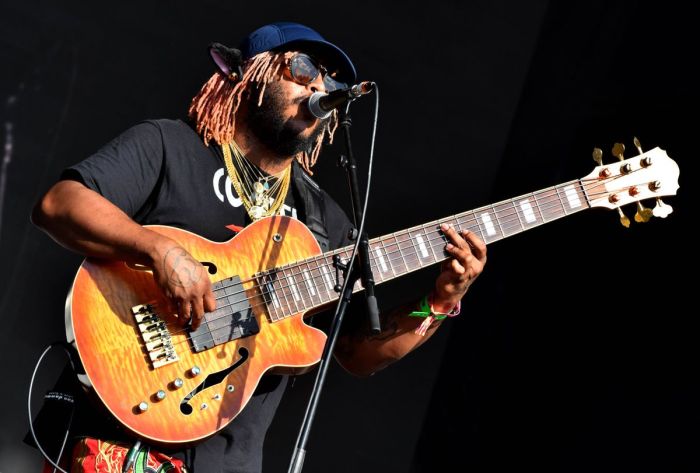
In conclusion, Thundercat’s basslines are not just musical elements; they are the heartbeat of his compositions. This exploration has illuminated the technical prowess, diverse influences, and creative genius behind his bass playing. We’ve seen how his basslines seamlessly integrate into different genres, from the rhythmic drive of hip-hop to the soulful depth of jazz. Ultimately, Thundercat’s mastery of the bass showcases the profound connection between technique, influence, and artistic expression.