Joanne Shaw Taylor Redefines Contemporary Blues Rock with Thematic New Singles and Upcoming Studio Album

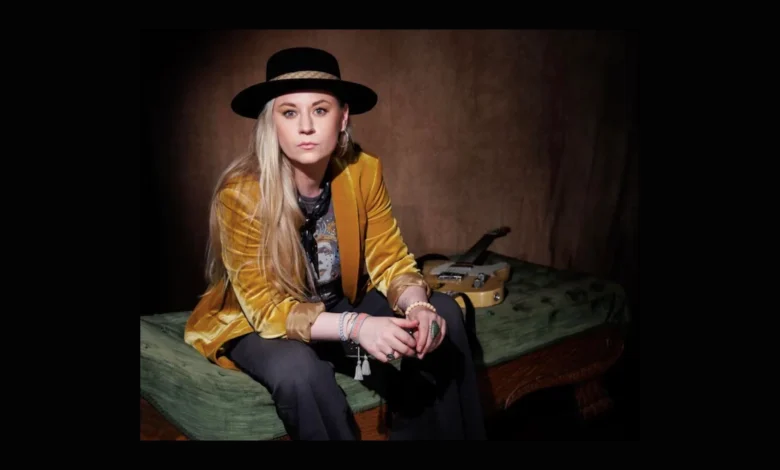
British blues-rock sensation Joanne Shaw Taylor is currently navigating a rigorous international touring schedule, recently stopping in Hobart, Indiana, as she prepares for the release of her latest studio project. The upcoming album, which remains one of the most anticipated releases in the contemporary blues genre this year, marks a significant evolution in Taylor’s songwriting and collaborative reach. Following the release of three pivotal singles—“Hell Or High Water,” “What Good Is My Love,” and “The Trouble With Love”—Taylor has signaled a shift toward a more expansive exploration of human emotion, specifically the multifaceted nature of love. These tracks have already garnered significant acclaim from critics and fans alike, reinforcing her position as a premier figure in the modern guitar landscape.
The Evolution of a Virtuoso: From the Black Country to Global Stages
To understand the impact of Taylor’s current work, it is essential to consider her trajectory within the music industry. Discovered at the age of 16 by Dave Stewart of Eurythmics fame, the West Midlands-born guitarist quickly became a prodigy of the British blues scene. Over the past two decades, she has transitioned from a teenaged phenomenon to a seasoned professional with a discography that includes chart-topping albums like White Sugar, Diamonds in the Dirt, and her more recent success, The Blues Album, which debuted at number one on the Billboard Blues Chart.
Her current creative phase, characterized by the singles released throughout the early part of this year, demonstrates a willingness to blend traditional blues foundations with pop-funk and soul sensibilities. In Hobart, Taylor reflected on the reception of her new material, noting that the primary motivation behind her prolific output is the connection she fosters with her audience. This connection is currently being tested and strengthened on her U.S. Spring Tour, a trek that precedes an extensive European run.
Collaborative Dynamics: The Synergy of Taylor and Orianthi
One of the standout features of Taylor’s recent output is the single “What Good Is My Love,” which features a guest solo by the Australian guitar virtuoso Orianthi. The collaboration represents a meeting of two of the most influential female guitarists in modern rock. Orianthi, known for her work with Michael Jackson and Alice Cooper, brings a different stylistic flavor to the track, which Taylor admits was a deliberate creative choice.
Despite the seamless integration of their styles on the recording, the two artists were unable to record in the same physical space due to logistical constraints. Orianthi recorded her contribution in Los Angeles, while Taylor managed the production from her own base of operations. Taylor expressed that the collaboration was the fulfillment of a long-standing intent to work together, as the two have shared a friendship for years without a professional recording overlap.
The decision to bring Orianthi onto the track was rooted in Taylor’s objective assessment of her own musical "wheelhouse." While Taylor is firmly rooted in the traditional blues-rock tradition, she identified “What Good Is My Love” as having a pop-funk lean that required a more versatile, perhaps more modern, lead approach. Taylor’s self-awareness as a musician—recognizing where another artist’s strengths can elevate a composition—highlights a level of maturity often absent in high-virtuosity genres.
Thematic Depth: Love as a Universal Foundation
The upcoming album serves as a conceptual deep dive into the concept of love. While many artists utilize love as a superficial lyrical trope, Taylor’s approach is more analytical and broad. She explores the "trouble" with love, the pain of unrequited affection, and the sustaining power of deep friendship. During her tour, Taylor remarked on the universality of the subject, noting that love remains the fundamental human experience that transcends political, geographical, and linguistic barriers.
In “What Good Is My Love,” Taylor tackles unrequited love—a theme she describes as one of the most taxing emotional states. Interestingly, she chose to set these heavy lyrics against an upbeat, anthemic melody. This juxtaposition is intended to provide a "therapeutic" experience for the listener. By creating a song that encourages the audience to "scream" the lyrics along with her, Taylor transforms personal anguish into a collective release, a hallmark of the blues tradition updated for a contemporary pop-rock audience.
Shifting Demographics: The Changing Face of the Blues Audience
A significant portion of Taylor’s recent discourse has centered on the changing demographics within the blues-rock community. Historically, the genre has been dominated by male performers and male audiences. However, Taylor has observed a palpable shift in the makeup of her crowds. She notes that where her audience was once almost exclusively male, it now sits at a nearly equal 50/50 or 60/40 split.
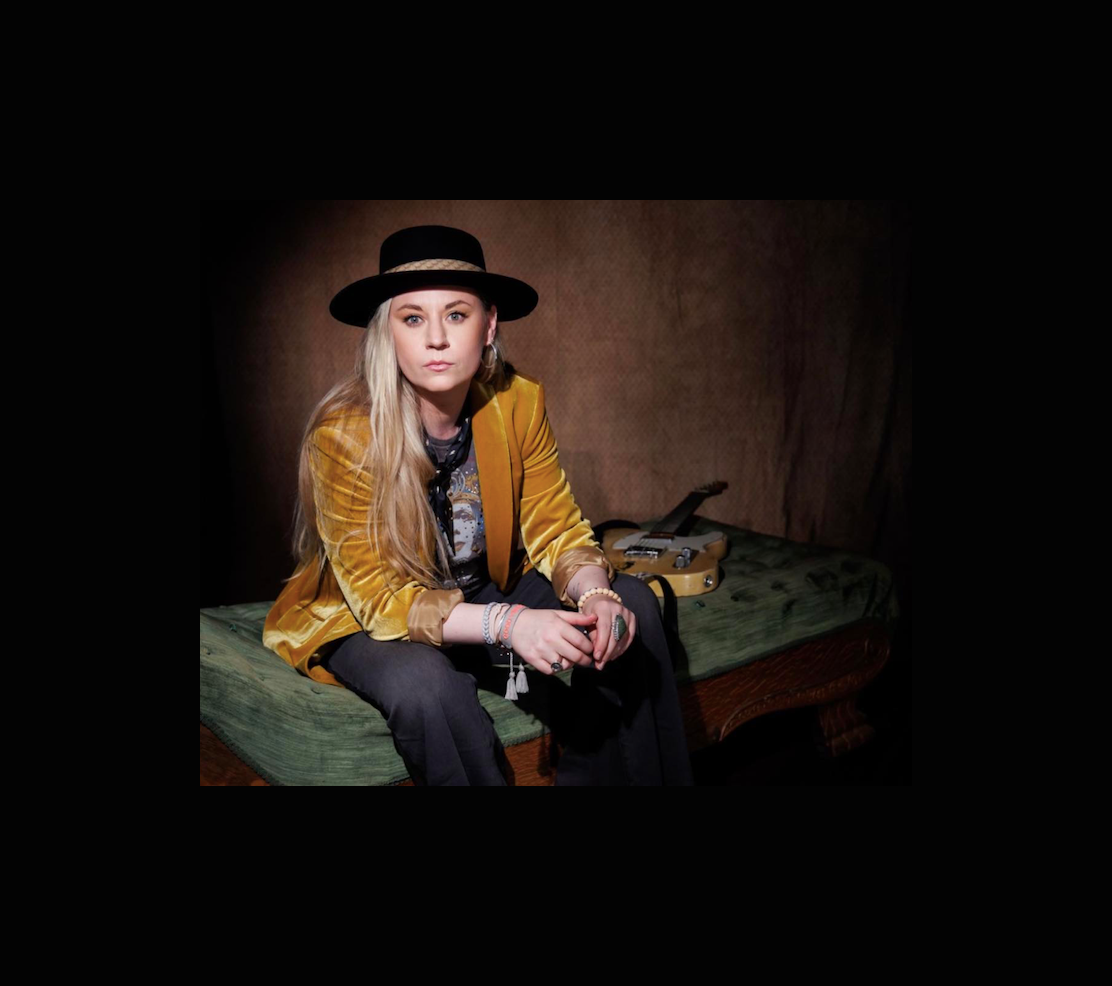
This shift is attributed to the rising visibility of female icons in the industry. Taylor cites peers such as Samantha Fish, Ana Popovic, Susan Tedeschi, and the legendary Bonnie Raitt as instrumental in this cultural change. Taylor’s own journey involved looking up to male heroes like Stevie Ray Vaughan, a common experience for young female guitarists of her generation who lacked a surplus of female role models in the blues-rock sphere.
The "hero worship" aspect of guitar culture is also evolving. Taylor points out that male audience members often look for a reflection of themselves in artists like Joe Bonamassa. As more women enter the professional ranks of blues guitarists, female audience members are finally finding that same sense of identification. This diversification is not merely a social metric; it represents a broadening of the market for blues-rock, ensuring the genre’s longevity in a rapidly changing music industry.
Songwriting as a Vital Creative and Personal Vehicle
While Taylor is frequently lauded for her technical prowess on the fretboard and her husky, soulful vocal delivery, she maintains that songwriting is her most valued skill. For Taylor, the song is the "vehicle" that allows for the processing of life’s complexities. She likens the act of songwriting to a form of therapy, one that allows her to distill complex emotional data into a three-to-four-minute creative package.
This perspective shifts the focus away from technical vanity and toward communication. In an industry often obsessed with "shredding" and technical speed, Taylor’s emphasis on the narrative and emotional resonance of a track sets her apart. Her ability to translate personal introspection into relatable anthems is a primary driver of her commercial success and critical standing.
Chronology and Future Engagements
The release of the three singles—"Hell Or High Water," "What Good Is My Love," and "The Trouble With Love"—serves as the lead-up to the full album release. While the official title and release date have been kept under wraps to build anticipation, the rollout strategy suggests a late-year launch.
Taylor’s current schedule is a testament to her work ethic and the demand for her live performances:
- Early Spring: Completion of the U.S. Spring Tour, featuring stops in midwestern hubs like Hobart, Indiana, and southwestern cities like Phoenix, Arizona.
- May: A comprehensive European Tour, bringing her new material to international audiences.
- June: Return to the United States for the summer festival circuit, a key period for blues-rock artists to reach large, diverse crowds.
Industry Implications and the State of Modern Blues
The success of artists like Joanne Shaw Taylor indicates a robust health for the contemporary blues-rock genre. By integrating modern production values and collaborative efforts with artists like Orianthi, Taylor is bridging the gap between traditionalist purism and modern rock appeal.
The involvement of major blues labels and the support of industry titans like Joe Bonamassa (through his Keeping the Blues Alive Records) further stabilize this ecosystem. Taylor’s move toward a thematic album centered on the universal experience of love suggests a strategic effort to reach beyond the niche blues market and into the broader adult contemporary and rock charts.
As the music industry continues to grapple with the dominance of streaming and the decline of traditional physical sales, Taylor’s reliance on high-quality touring and thematic consistency remains a viable model for career longevity. Her focus on the "therapy" of music—both for the creator and the consumer—ensures that her work remains relevant in a world increasingly seeking authentic emotional connection.
Conclusion: A Vision for the Future
Joanne Shaw Taylor remains a pivotal figure in the narrative of 21st-century music. Her upcoming album is poised to be more than just a collection of songs; it is a reflection of a seasoned artist at the height of her powers, navigating the complexities of gender, genre, and the human heart. As she moves from the intimate stages of Indiana to the major festivals of Europe and the United States, Taylor carries with her the torch of the blues, modernized and made accessible for a new, diverse generation of listeners. The "trouble with love" may be a centuries-old song, but in the hands of Joanne Shaw Taylor, it finds a fresh, resonant, and undeniably powerful voice.