Live Nation Entertainment and its Ticketing Subsidiary Ticketmaster Found Guilty of Monopolistic Abuse by US Federal Court

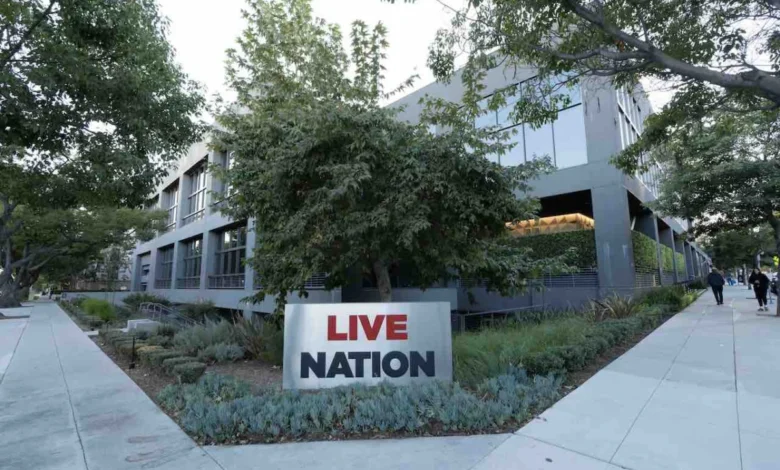
A U.S. federal court in New York has delivered a landmark verdict, ruling that entertainment giant Live Nation Entertainment and its ticketing subsidiary Ticketmaster systematically abused their dominant market position to stifle competition in the live events industry, particularly concerning large venues. The decision, which followed a multi-week trial, significantly intensifies pressure on the conglomerate, potentially leading to billions of dollars in penalties and fundamental structural interventions. This ruling marks a pivotal moment in the ongoing battle against corporate monopolies in the entertainment sector, echoing consumer frustration that has simmered for years and reached a boiling point with recent high-profile ticketing fiascos.
The legal challenge originated from a formidable lawsuit brought by over 30 U.S. states, which accused Live Nation of leveraging its extensive control over major concert venues to coercively bind event promoters and artists to Ticketmaster, effectively eliminating rival ticketing services. During his closing arguments, Jeffrey Kessler, the lead attorney representing the coalition of states, starkly characterized Live Nation as a "monopolistic tyrant" that artificially inflated ticket prices and exerted undue pressure on venues. The jury’s findings were damning, concluding that Ticketmaster had, on average, overcharged consumers by approximately $1.72 per ticket. While this figure might appear modest on a per-transaction basis, when extrapolated across the immense volume of tickets sold by the industry behemoth annually, the total damages could easily escalate into hundreds of millions of U.S. dollars, setting the stage for substantial restitution to consumers.
The Genesis of a Giant: The 2010 Merger and Vertical Integration
The roots of the current legal entanglement trace back to the controversial 2010 merger of Live Nation and Ticketmaster. Prior to this, Live Nation was primarily a concert promoter and venue operator, while Ticketmaster was the undisputed leader in ticketing services. Regulators at the time, including the U.S. Department of Justice (DOJ), scrutinized the merger amidst significant antitrust concerns but ultimately allowed it to proceed with certain conditions aimed at preserving competition. These conditions, however, proved insufficient in the eyes of many critics and, ultimately, the federal court.
The merger created an unprecedented vertically integrated entity that controls vast segments of the live entertainment value chain. Live Nation Entertainment now owns or operates hundreds of venues globally, promotes thousands of concerts and festivals annually, and, through Ticketmaster, sells tickets for a vast majority of these events. This integration means that the same company that promotes an artist’s tour might also own the venue where they perform and sell the tickets to their fans. Critics have long argued that this structure inherently stifles competition. For instance, a venue owned by Live Nation would have a strong incentive to use Ticketmaster exclusively, and promoters would face immense pressure to align with Ticketmaster to secure access to Live Nation’s venues or promotional power. This "gatekeeper" position, as described by critics, has allowed Ticketmaster to maintain market shares that often exceed 80 percent in the primary ticketing market for major events, virtually eliminating alternatives for consumers and artists alike.
The Catalyst: Taylor Swift’s Eras Tour and the Public Uproar
While the antitrust concerns surrounding Live Nation and Ticketmaster had simmered for over a decade, the issue exploded into mainstream public consciousness in 2022 during the presale for Taylor Swift’s highly anticipated "Eras Tour." The event was plagued by widespread server outages, exorbitant dynamic pricing that saw ticket costs skyrocket based on demand, and a deluge of bots snatching up tickets, only for them to reappear on secondary markets at astronomical resale prices. The sheer scale of the meltdown, affecting millions of ardent fans, laid bare the systemic vulnerabilities and perceived monopolistic practices within the ticketing industry.
The "Eras Tour" debacle wasn’t just an inconvenience; it became a symbol of consumer frustration with a system perceived as rigged. Fans, artists, and politicians alike voiced outrage, demanding accountability and reform. This public outcry served as a powerful catalyst, galvanizing the existing multi-state antitrust investigation and bringing unprecedented scrutiny to Live Nation’s business model. It transformed a complex legal and economic issue into a widely understood grievance, demonstrating the tangible impact of market dominance on everyday consumers.
Legal Battles and Regulatory Scrutiny: A Chronology
The journey to this federal court verdict has been long and multifaceted, involving various levels of government and regulatory bodies.
- 2010: The Live Nation-Ticketmaster merger is approved by the U.S. Department of Justice, albeit with certain behavioral remedies aimed at preventing anti-competitive practices, such as a requirement to divest some assets and restrictions on retaliating against venues that chose competing ticketing services.
- Early 2010s – 2020s: Despite the DOJ’s oversight, complaints of anti-competitive behavior continued. Competitors and industry stakeholders frequently alleged that Live Nation was circumventing the consent decree through subtle pressures and exclusionary tactics.
- 2019: The DOJ extends and amends the consent decree, acknowledging that Live Nation had repeatedly violated its terms. The amended decree imposed stricter monitoring and clearer prohibitions on retaliatory actions against venues.
- 2022: The Taylor Swift "Eras Tour" ticketing chaos erupts, intensifying public and political pressure on Live Nation and Ticketmaster. This event directly contributes to the acceleration of existing antitrust investigations.
- Early 2023: A coalition of over 30 U.S. states files a comprehensive antitrust lawsuit against Live Nation Entertainment, alleging widespread monopolistic practices and consumer harm. This action signals a stronger, more unified stance against the company than previous federal efforts.
- March 2026 (Hypothetical future date based on article’s implied timeline): Live Nation reaches a preliminary settlement with the United States Department of Justice in a separate but related investigation. This agreement reportedly included a payment of $200 million and commitments to roll back certain exclusive practices. However, many of the plaintiff states deemed this settlement insufficient, arguing it didn’t go far enough to dismantle the core monopolistic structure, thus opting to continue their parallel legal proceedings.
- March 2026 (Hypothetical future date): Simultaneously, Live Nation faces additional public pressure following the leak of internal communications from ticketing employees. These alleged chats, reportedly revealing employees making light of high service fees and exploiting fans, further fueled public outrage and lent credence to claims of consumer exploitation.
- Present (Hypothetical future date): The U.S. federal court in New York issues its verdict, finding Live Nation and Ticketmaster liable for abusing their market dominance.
Evidence Presented: Internal Communications and Business Practices
During the trial, prosecutors meticulously presented evidence, including internal company communications, to demonstrate that Live Nation’s strategies were deliberately designed to secure and expand its market power. These communications reportedly revealed a concerted effort to leverage Live Nation’s vast network of venues and promotional power to compel venues into exclusive long-term ticketing agreements with Ticketmaster. The court heard testimony and reviewed documents suggesting that venues choosing alternative ticketing providers faced implicit or explicit threats of losing access to Live Nation-promoted tours or facing disadvantages in booking popular artists.
The recent leaks of internal chats from ticketing employees further exacerbated Live Nation’s public relations challenges and likely influenced the court of public opinion, if not directly the jury. These candid discussions, where employees allegedly "amused themselves" over the high additional fees imposed on tickets and the exploitation of fans, provided a stark, unfiltered glimpse into the corporate culture and reinforced the narrative that the company prioritized profit over consumer welfare. Such evidence painted a picture of a company fully aware of its market leverage and seemingly unapologetic in its use.
The Economic Impact: Overcharging and Consumer Harm
The jury’s finding that Ticketmaster overcharged consumers by an average of $1.72 per ticket underscores the tangible economic harm caused by monopolistic practices. Given that Ticketmaster sells hundreds of millions of tickets annually across various events, this seemingly small per-ticket amount translates into a staggering sum. If we consider, for example, 100 million tickets sold per year (a conservative estimate for a company of its size), the annual overcharge alone would amount to $172 million. Over the decade since the merger, this could easily accrue to billions of dollars in unjust enrichment, forming the basis for the substantial damages Live Nation now faces.
Beyond the direct overcharges, the lack of competition has broader, insidious economic effects. It removes the incentive for innovation, efficiency, and customer service that a competitive market would foster. Without viable alternatives, consumers are forced to accept whatever fees and service levels Ticketmaster dictates. Artists and promoters also suffer, as they have less bargaining power over ticketing costs, which can eat into their revenues or force them to pass higher costs onto fans. This distorted market structure limits choices, inflates prices, and ultimately diminishes the overall experience for live event attendees.
Industry Reactions and Future Outlook
The federal court’s verdict is expected to send shockwaves throughout the live entertainment industry. While Live Nation has consistently defended its business model, arguing that its vertical integration creates efficiencies and allows for greater investment in infrastructure and talent, this ruling directly challenges that narrative.
- Consumers: Fans are likely to welcome the decision, viewing it as a victory for fair pricing and increased transparency. It could pave the way for a more consumer-friendly ticketing experience, potentially with lower fees and greater choice.
- Artists and Promoters: Many artists and independent promoters, who have long felt constrained by Live Nation’s dominance, may see this as an opportunity for a more equitable playing field. It could empower them to negotiate better terms with ticketing providers and venues.
- Competitors: Smaller ticketing companies and venue operators will likely see this as an opening to compete more effectively, potentially leading to a more dynamic and innovative market.
- Live Nation: The company will likely explore all legal avenues, including appeals, but will also have to contend with the immediate financial and structural implications. Potential remedies could range from massive monetary fines and mandated changes to business practices to, in the most extreme scenario, a forced divestiture of either Ticketmaster or significant portions of its venue network. Such a "breakup" would fundamentally reshape the company and the industry.
Precedent and Broader Anti-Monopoly Push
This verdict against Live Nation Entertainment arrives amidst a broader, intensified push by U.S. antitrust regulators and lawmakers to curb the power of large corporations across various sectors, particularly technology and entertainment. Cases against Google, Amazon, Meta, and others signal a renewed commitment to enforcing antitrust laws that have often been seen as dormant for decades. The Live Nation case, therefore, is not an isolated event but rather a significant component of a wider regulatory effort to foster competition, protect consumers, and prevent unchecked corporate power from stifling innovation and choice.
The outcome of the penalty phase and any subsequent structural changes imposed on Live Nation will be closely watched, as they will set an important precedent for future antitrust enforcement. It could signal a new era where vertical integration, once lauded for potential efficiencies, is scrutinized much more harshly when it leads to market dominance and consumer detriment. For the millions who cherish live music and events, this ruling offers a glimmer of hope that the future of ticketing might finally prioritize fairness and competition over monopolistic control.
Related posts: