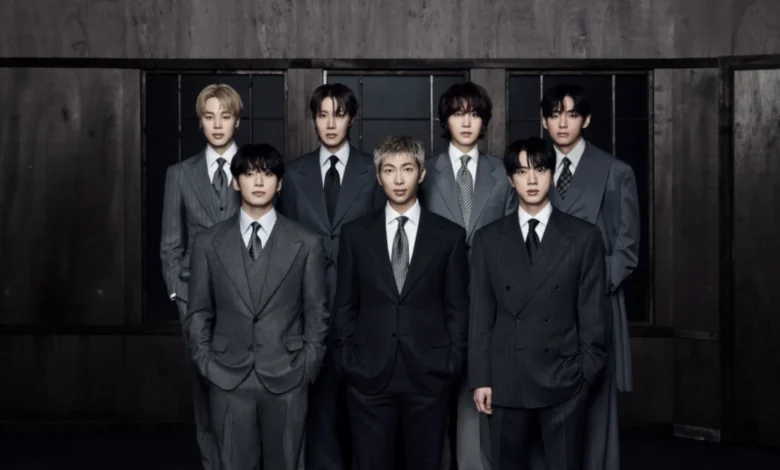
The global K-pop sensation BTS, marking their momentous return from a period of individual military service, finds their highly anticipated comeback overshadowed by a dual legal offensive launched by their agency, HYBE, and its subsidiary, BigHit Music. While fans worldwide celebrate the group’s reunion and the release of their new album, ‘Arirang,’ the behind-the-scenes reality involves a complex web of legal challenges spanning multiple continents, primarily addressing an album leak and the pervasive issue of counterfeit merchandise. This comprehensive legal strategy underscores the entertainment industry’s ongoing battle against digital piracy and intellectual property infringement in an increasingly interconnected world.
The Significance of BTS’s Return and ‘Arirang’
BTS’s hiatus, necessitated by South Korea’s mandatory military service requirements for all able-bodied men, concluded with the gradual return of its members, culminating in a collective reunion that ignited immense anticipation among their vast global fanbase, known as ARMY. Their latest album, ‘Arirang,’ holds particular cultural and commercial significance. The title itself, referencing a revered traditional Korean folk song, often symbolizes national identity, resilience, and reunion, making it a poignant choice for the group’s post-service comeback. Industry analysts had projected ‘Arirang’ to be one of the biggest music releases of the year, a testament to BTS’s unparalleled influence and commercial power. The group’s previous releases have consistently shattered records, with albums like ‘Love Yourself: Her,’ ‘Map of the Soul: Persona,’ and ‘BE’ achieving multi-platinum status globally and dominating charts worldwide. Their economic impact extends beyond music, significantly contributing to South Korea’s economy through tourism, merchandise, and brand endorsements, cementing their status not just as artists, but as a cultural phenomenon. This immense value, both artistic and economic, makes the protection of their intellectual property paramount for HYBE and BigHit Music.
The ‘Arirang’ Album Leak: A Breach of Trust and Strategy
The first major legal battle revolves around the premature leak of the ‘Arirang’ album. Days before its official global release, tracks from the album appeared on the social media platform X (formerly Twitter) via an anonymous account. This unauthorized dissemination of copyrighted material represents a significant breach of trust and a direct assault on the meticulously planned release strategy. HYBE and BigHit Music invest substantial resources—financial, creative, and logistical—into crafting the optimal launch for new music. This involves intricate teaser campaigns, synchronized global release times, elaborate music video premieres, and carefully choreographed promotional cycles, all designed to generate maximum impact, build suspense, and ensure a unified global experience for fans.
According to legal filings submitted by BTS and BigHit, the leaker, identified by the X handle @jwngkcck (which later changed to ‘BTS ARIRANG LEAK’ before being altered again), "destroyed the element of surprise" that the label had diligently cultivated. This act, they contend, "negatively impacted" the new album’s "reputation and sales." The financial implications of such a leak can be considerable, potentially dampening initial sales figures, affecting chart positions, and undermining the perceived value of the official release. While a copyright infringement complaint was swiftly filed by BigHit with X, which reportedly led to the removal of the leaked content and the leaker changing their profile name, the damage to the strategic rollout had already been done. The label is now determined to seek monetary damages from the individual responsible.
A Cross-Jurisdictional Legal Odyssey for Leaker Identification
The pursuit of the anonymous leaker, however, is complicated by the international nature of the internet and legal jurisdictions. While HYBE and BigHit intend to sue the individual in South Korean courts for violations of both copyright and trade secret laws, the immediate challenge lies in identifying the person behind the X account. Since X, a US-based company, is unlikely to voluntarily disclose user information without a legal mandate, BigHit has initiated legal proceedings in the United States.
These US legal maneuvers aim to secure a court order compelling X to reveal the identity of @jwngkcck. This process typically involves filing a subpoena or a discovery request in a US federal court, demonstrating to a judge that there is a legitimate legal basis (such as copyright infringement) for requesting the user’s private data. This procedural step highlights the complexities of digital age litigation, where the physical location of the content creator, the platform, and the affected party can span multiple countries, requiring intricate cross-border legal cooperation and understanding of varying legal frameworks regarding user privacy and intellectual property. The outcome of this US filing will be critical in enabling the South Korean lawsuit to proceed against the actual individual.
Battling Counterfeit Merchandise: Protecting Brand and Revenue on Tour
In parallel with the album leak controversy, HYBE and BigHit Music are also intensifying their fight against the pervasive problem of counterfeit merchandise. With BTS embarking on their highly anticipated US tour, kicking off in Tampa, Florida, on April 25, the label has filed a separate legal request in US courts. This filing seeks an injunction to prohibit the sale of unauthorized, knock-off BTS merchandise in the vicinity of their concert venues.
Counterfeit merchandise is a persistent issue for major touring artists globally. Unauthorized vendors often capitalize on the excitement surrounding concerts, selling unofficial apparel, accessories, and memorabilia that mimic official products. These items are typically of inferior quality and directly siphon revenue from the artist, their label, and licensed merchandise partners. BigHit’s court filing explicitly states that "the bootleg merchandise is of the same general appearance as official tour merchandise and is likely to cause confusion among prospective purchasers." Furthermore, it warns that "if such counterfeit and infringing activities were permitted to continue," it would inflict "substantial harm" on BTS, HYBE, BigHit, and their legitimate merchandising affiliates.
Seeking injunctions of this nature has become standard practice for major artists touring the US. Artists like Taylor Swift, Beyoncé, and major sports leagues regularly employ similar legal tactics to protect their intellectual property. BigHit notes its success in securing such court orders for previous BTS tours, demonstrating a proactive and consistent approach to brand protection. These injunctions empower law enforcement agencies, including local police and federal marshals, to seize any unauthorized products being offered for sale near concert venues. This immediate action is crucial for disrupting the operations of counterfeiters who often operate opportunistically at event sites. The effectiveness of these injunctions lies in their ability to provide immediate legal recourse, preventing sales in real-time and sending a strong deterrent message to potential infringers.
Broader Implications for the Music Industry and Digital Platforms
These dual legal battles undertaken by HYBE and BigHit Music hold significant implications for the broader music industry, digital platforms, and the ongoing evolution of intellectual property law in the digital age.
Intellectual Property in the Digital Age: The album leak case highlights the persistent vulnerability of creative works in an era of instant global dissemination. Despite sophisticated security measures employed by labels, the human element or insider threats can still lead to breaches. This situation underscores the critical need for robust legal frameworks that can effectively protect intellectual property across national borders and hold anonymous online actors accountable. The case could set a precedent for how far platforms like X are compelled to cooperate in identifying users accused of copyright and trade secret violations, potentially influencing future policies regarding user privacy versus IP enforcement.
The Role and Responsibility of Tech Platforms: Social media platforms like X face a constant balancing act between protecting user privacy and fulfilling legal obligations to content creators. While X has internal mechanisms for copyright complaints (as demonstrated by the leaker’s content removal), the demand for user identification for a cross-border lawsuit pushes the boundaries of their standard operating procedures. The court’s decision in the US will be closely watched by other tech companies and IP holders, as it could shape future expectations for platform cooperation in identifying anonymous infringers.
Economic Impact and Artist Rights: For a group like BTS, whose brand value is immense, any unauthorized distribution or counterfeiting represents a direct financial threat. The meticulous planning behind album releases is not just about artistic presentation but also maximizing commercial success, which directly funds future projects and supports the vast infrastructure behind the artists. These legal actions are not merely punitive; they are essential for safeguarding the economic viability of artists and their creative output. They serve as a powerful deterrent, aiming to protect legitimate revenue streams from official album sales and merchandise.
Fan Culture and Ethics: The prevalence of leaks also sparks debate within fan communities about the ethics of consuming unauthorized content. While some fans may seek out leaks, the majority of the ARMY actively discourages such practices, understanding the harm it causes to their beloved artists and the strategic efforts of the label. These legal battles reinforce the importance of supporting artists through official channels, which directly contributes to their continued success and ability to create new music and experiences.
K-Pop Industry Standards: Given the global reach and economic power of K-pop, HYBE’s aggressive stance against both digital piracy and counterfeit goods sets a strong precedent for other K-pop agencies. It signals a unified industry commitment to protecting intellectual property rights, not just within South Korea but on a global scale. As K-pop continues its expansion into Western markets, the ability to enforce these rights in diverse legal jurisdictions becomes increasingly vital.
In conclusion, BTS’s return is a moment of triumph for their fans, yet it also highlights the persistent challenges facing the modern music industry. The extensive legal actions taken by HYBE and BigHit Music are a clear declaration of their unwavering commitment to protecting the artistic integrity, commercial value, and brand reputation of their premier act. These cases, unfolding across international legal landscapes, will undoubtedly contribute to the evolving dialogue surrounding digital rights, platform accountability, and the future of content protection in a globally connected world.
Related posts: