The Evolution of Turntable Connectivity: Embracing Wireless and Integrated Audio Solutions

The way we listen to turntables has undergone a profound transformation over the past few decades. Once confined to a traditional hi-fi system, comprising a separate amplifier and stereo speakers, modern turntables, particularly those with integrated Bluetooth capabilities, now offer a far more versatile and convenient listening experience. This evolution reflects the broader shift towards wireless audio and connected home entertainment systems, making vinyl playback more accessible and adaptable to contemporary lifestyles than ever before.
A Paradigm Shift in Vinyl Playback
For generations, the ritual of playing a vinyl record was intrinsically linked to a dedicated audio setup. The signal from the turntable would travel through a network of cables to an amplifier, which then powered a pair of speakers, creating the quintessential soundstage for audiophiles. This setup, while cherished for its sonic fidelity and tactile experience, demanded dedicated space and a certain level of technical understanding. The advent of digital music and streaming services seemed, for a time, to relegate the humble turntable to a niche interest. However, the resurgence of vinyl in recent years has prompted manufacturers to innovate, bridging the gap between the analog warmth of vinyl and the digital convenience of modern audio technology.
This new era of turntable design is characterized by an emphasis on connectivity and user-friendliness. Bluetooth technology, once primarily associated with portable speakers and headphones, has now become a standard feature on many new turntables, offering a wireless pathway for audio transmission. This innovation liberates listeners from the constraints of wires, allowing for more flexible placement of turntables and audio output devices within a home.
Embracing the Wireless Revolution: Bluetooth Speakers and Turntables
The most immediate and popular application of Bluetooth technology in the turntable world is its integration with wireless speakers. This combination appeals particularly to younger generations and those seeking a minimalist audio setup. A Bluetooth-enabled turntable can seamlessly transmit its audio signal to a compatible Bluetooth speaker, eliminating the need for cumbersome wiring and complex connections.
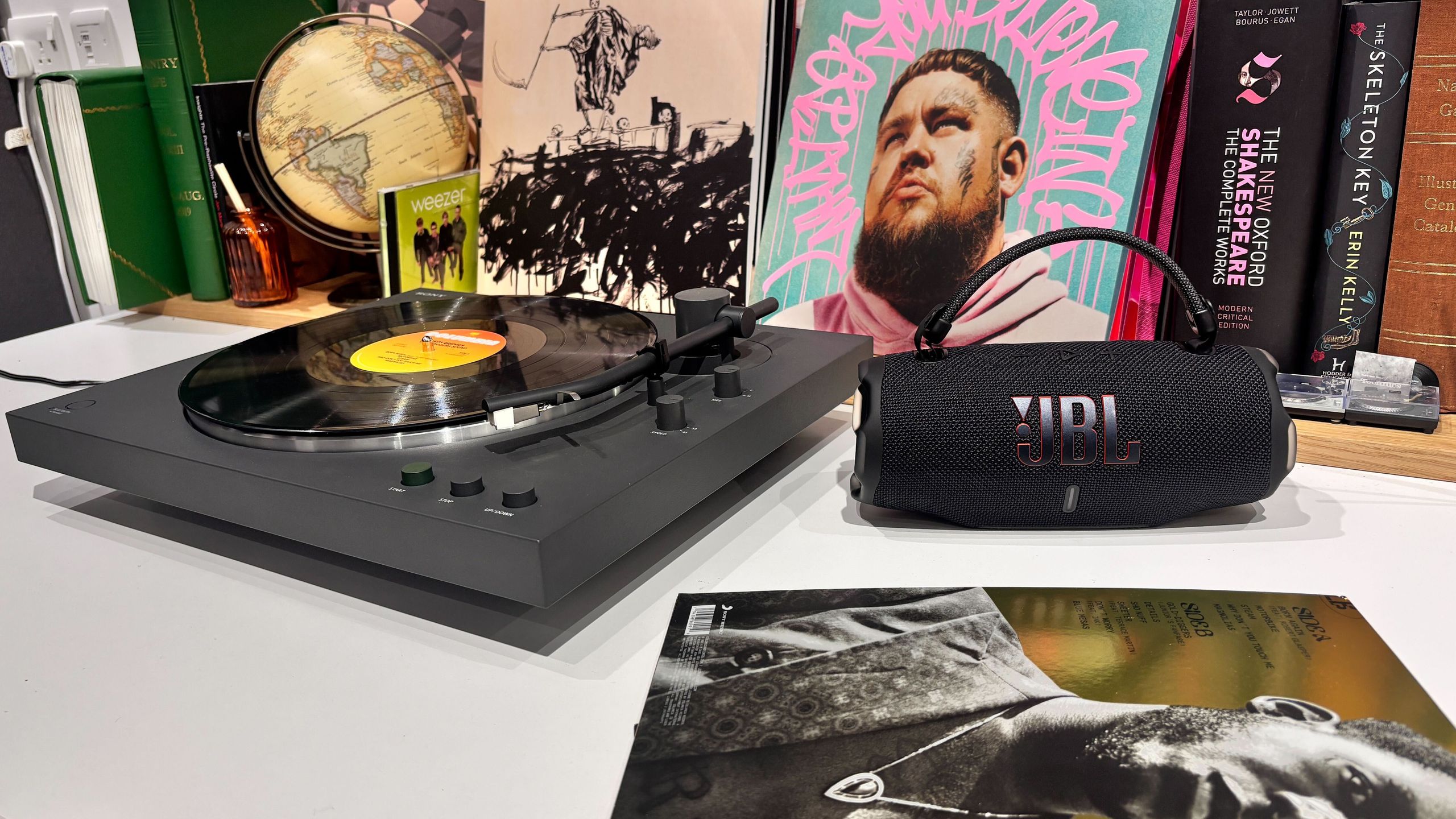
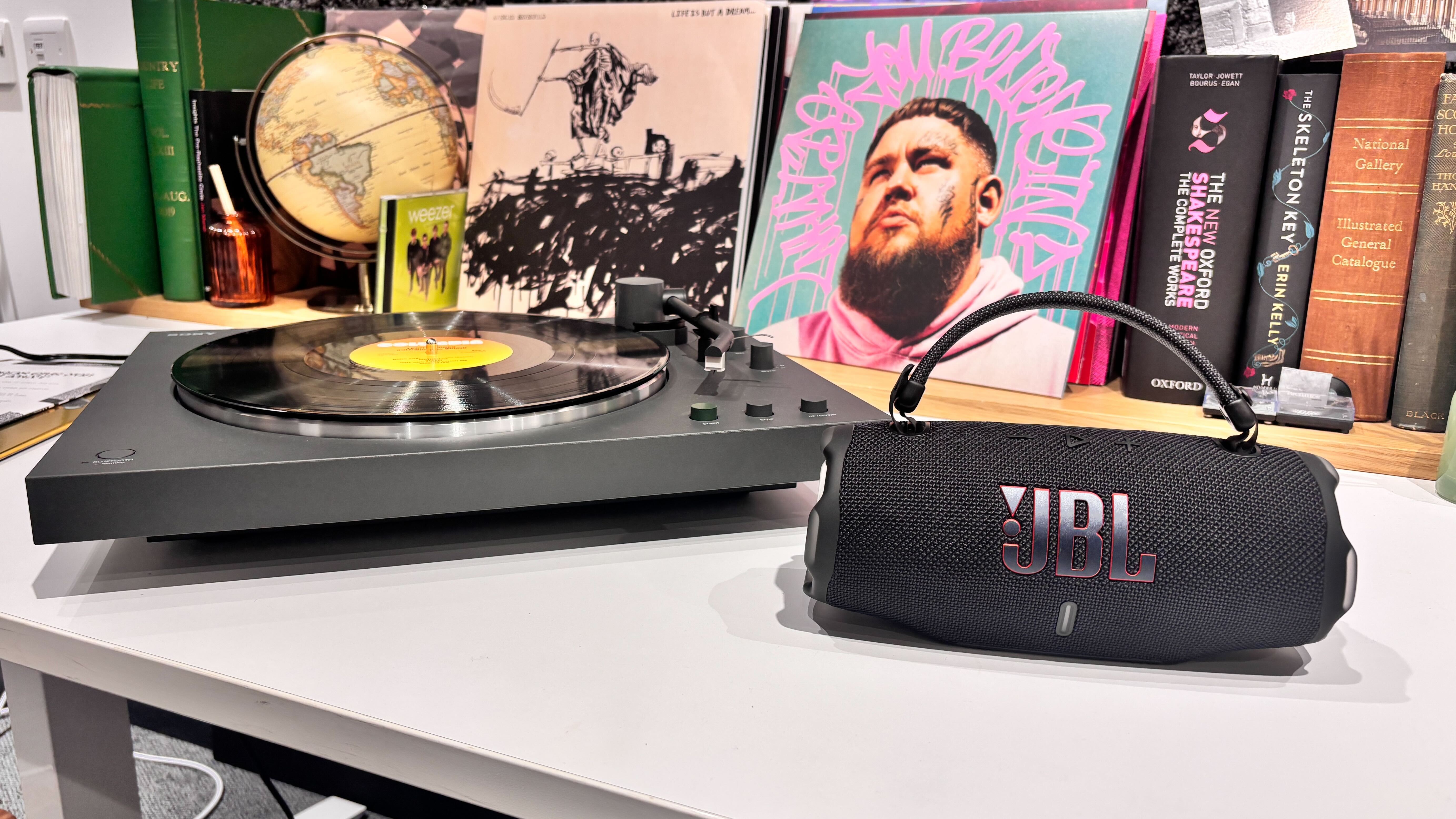
This setup was notably demonstrated with the Sony PS-LX3BT Bluetooth turntable paired with a JBL Charge 6 portable speaker. The results, according to reviews, were surprisingly robust. For instance, the sound quality produced from Nas’s seminal album Illmatic was described as "alive and characterful," with dynamic tracks like "N.Y. State of Mind" retaining their "verve and intent." While this wireless configuration might not represent the absolute pinnacle of audiophile sound reproduction due to the inherent nature of Bluetooth compression, it offers an undeniably compelling solution for quick, easy, and impressive vinyl playback. It allows users to enjoy the aesthetic and sonic appeal of a turntable without the associated complexity of a traditional hi-fi system, making it ideal for social gatherings or simply for convenience.
The appeal lies in its "plug-and-play" simplicity. Users can place their turntable in a desired location, connect it wirelessly to a Bluetooth speaker, and begin enjoying their records almost instantaneously. This accessibility is a key factor in the continued growth of the vinyl market, particularly among demographics that may not have prior experience with traditional audio equipment.
Private Listening Redefined: Wireless Headphones and Turntables
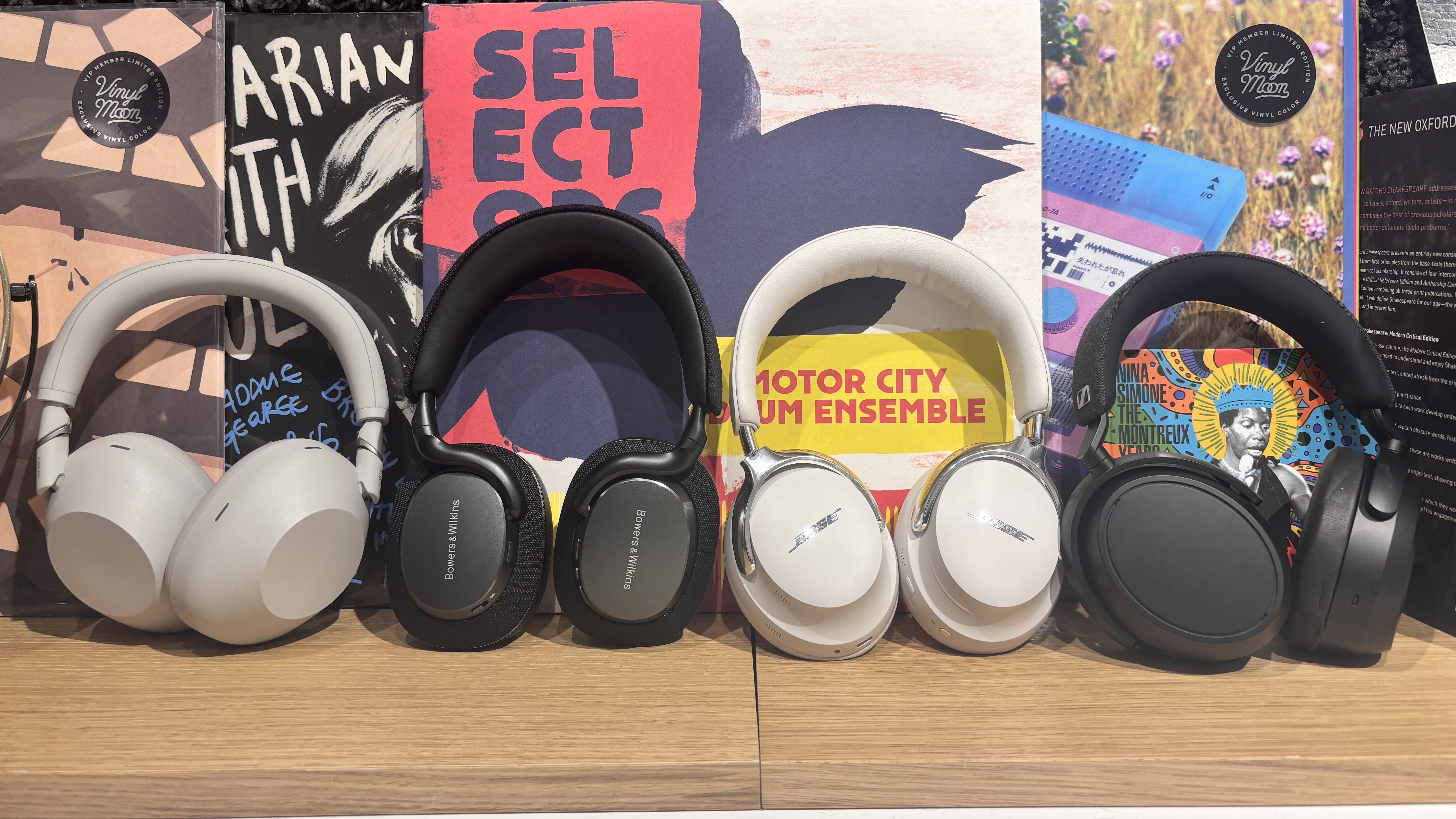
Beyond wireless speakers, Bluetooth turntables also offer a convenient solution for private listening through wireless headphones. This feature is particularly valuable for individuals living in shared accommodations, apartments, or households where late-night listening sessions might disturb others.
The ability to pair a Bluetooth turntable directly with wireless headphones allows for an immersive and personal audio experience without the need for physical cables. This is especially relevant in the evenings when winding down. Instead of ceasing playback or risking disturbance, users can simply switch their audio output to their preferred wireless headphones. This extends the listening window and enhances the overall flexibility of enjoying vinyl.
Furthermore, the wire-free nature of this connection grants listeners a degree of freedom to move around their living space, within the Bluetooth range, while still enjoying their records. This mobility adds another layer of convenience to the vinyl listening experience.
For those seeking the highest possible audio quality over Bluetooth, the landscape is also evolving. Some high-end turntables are now incorporating advanced Bluetooth codecs like aptX HD and aptX Adaptive. The Cambridge Audio Alva TT V2, for example, supports aptX HD, enabling the streaming of 24-bit high-resolution audio (up to 48kHz) to compatible headphones. Similarly, certain Sony turntables feature aptX Adaptive, offering even higher sampling rates (up to 96kHz). These advancements aim to minimize the sonic compromises associated with Bluetooth transmission, bringing listeners closer to the nuanced sound of their vinyl.
However, it is crucial to note that even with these advanced codecs, Bluetooth remains a lossy transmission method. While it significantly improves sound quality compared to standard Bluetooth, it may not achieve the absolute sonic fidelity of a direct wired connection to high-resolution audio systems. Nevertheless, for many users, the convenience and improved sound quality offered by these Bluetooth technologies represent a significant upgrade from earlier wireless audio solutions.
The All-in-One Solution: Powered and Active Speakers
A more integrated approach to modern turntable setups involves the use of powered or active speakers. These speakers contain their own built-in amplifiers, eliminating the need for a separate amplifier unit. This simplifies the audio chain and reduces the overall footprint of the system, making it an attractive option for those with limited space.
The combination of a Bluetooth-enabled turntable and a pair of active speakers creates a remarkably neat and effective vinyl playback system. For instance, pairing active speakers like the KEF Coda W with a turntable, either via Bluetooth or a direct wired connection (if the turntable offers a phono output), results in a compact and high-performing setup. This configuration is ideal for desktops, shelves, or entertainment units, offering a visually appealing and sonically capable solution.
When selecting active speakers, several factors come into play. If a turntable boasts Bluetooth connectivity, the convenience of a wireless link to active speakers is paramount, especially for users aiming to minimize cable clutter. Turntables like the Pro-Ject T1 Evo BT are designed with this scenario in mind, offering seamless integration with wireless audio.
For users who prioritize affordability and compactness, there are numerous excellent budget-friendly active speakers available. Award-winning models such as the Ruark MR1 Mk3 and the five-star Onkyo GX-30ARC offer impressive sound quality and Bluetooth connectivity, making them ideal partners for turntables seeking a streamlined setup.
The choice between Bluetooth and wired connections to active speakers often depends on the specific turntable and speaker capabilities. If the turntable lacks Bluetooth but the active speakers possess a phono stage, a wired connection is the logical choice. Conversely, if the active speakers do not have a built-in phono stage, a turntable with an integrated phono preamp is essential for a direct connection.
Some modern turntables, like the latest affordable Bluetooth models from Sony, feature phono stages that are of such high quality that they can even surpass the built-in phono stages of some active speakers. In such cases, even if the active speakers have a phono input, it might be preferable to connect the turntable via its 3.5mm audio output (using an RCA to 3.5mm cable) to leverage the turntable’s superior phono stage, bypassing the speaker’s.
For those who do not require Bluetooth functionality but are looking for an affordable option with an integrated phono stage to connect to active speakers, the Rega Planar 1 Plus turntable stands out as a highly recommended choice. Its sonic performance and integrated phono preamp make it a strong contender for a straightforward, high-quality vinyl setup.
An Unconventional Companion: Bluetooth-Ready Radios
An increasingly popular, albeit unconventional, method of enjoying vinyl playback involves connecting a Bluetooth turntable to a Bluetooth-ready radio. Modern digital radios often incorporate Bluetooth reception as a standard feature and are capable of delivering surprisingly good audio quality for music playback.
This setup allows users to stream music from their turntable wirelessly to the radio, creating a unique and retro-futuristic audio experience. Brands like Roberts, with their Revival Petite 2, and Ruark Audio, with models like the R1S, offer radios with excellent sound quality and Bluetooth connectivity, making them suitable for this purpose.
The process is analogous to connecting a turntable to a Bluetooth speaker. The turntable transmits its audio signal wirelessly to the radio, which then reproduces the sound. While radios may not always feature the most advanced audio codecs, the overall sonic return can be quite satisfying, especially with higher-quality radios that boast impressive sound profiles.
This approach allows for some wonderfully quirky and enjoyable audio combinations. For instance, pairing the ultra-portable Audio-Technica Sound Burger turntable with a Roberts Revival Petite 2 radio can create a fun and engaging listening experience. The synergy between the retro aesthetic of both devices and the modern wireless connectivity offers a novel way to engage with vinyl records.
For those seeking a more refined experience, premium radios such as the Revo SuperConnect Stereo or the Ruark R2 Mk4 offer superior audio fidelity and advanced features, further enhancing the appeal of this unconventional vinyl setup. These devices provide a talented, albeit unique, platform for enjoying records through modern wireless technology.
The Future of Vinyl Enjoyment
The evolution of turntable connectivity signifies a broader trend in the audio industry: the seamless integration of traditional formats with cutting-edge digital technologies. The ability to connect a turntable wirelessly to speakers, headphones, or even radios underscores the adaptability of vinyl in the modern era. As technology continues to advance, we can anticipate even more innovative solutions that further blur the lines between analog and digital, making the rich sound of vinyl more accessible and enjoyable for a wider audience than ever before. The future of turntable enjoyment is not just about the warmth of the analog signal, but also about the freedom and flexibility offered by wireless and integrated audio systems.
Related posts: