Marco Carola’s Music On Festival in Amsterdam Abruptly Canceled Hours Before Opening Due to Safety Concerns

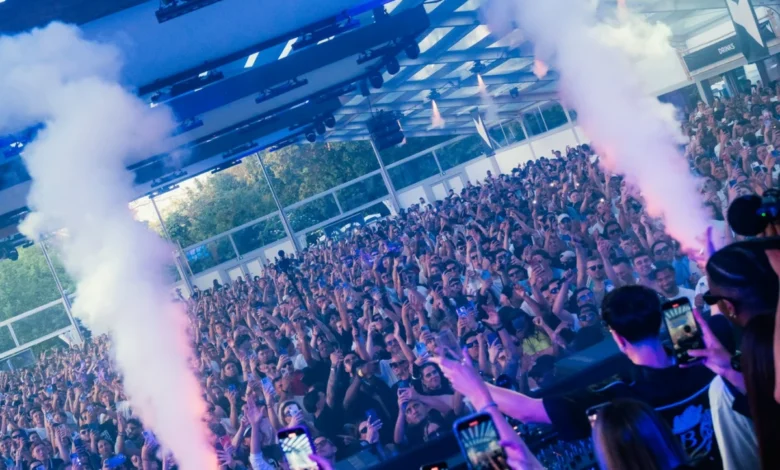
An unprecedented turn of events has sent shockwaves through the global electronic music community, as Marco Carola’s acclaimed event brand, Music On, saw its much-anticipated Amsterdam festival summarily canceled just hours before its scheduled opening. On the morning of Thursday, May 9th, 2026, prospective attendees arriving at the Meerpark venue were met with the devastating news, disseminated via official Music On social media channels. The Amsterdam municipality had revoked the necessary permits for the two-day festival, originally slated for May 9th and 10th, citing critical safety concerns regarding the temporary tent structures erected for the event. This eleventh-hour decision, reportedly based on negative safety advice from the Environmental Agency, has left organizers facing a logistical and financial crisis, while thousands of ticketholders grapple with disappointment and uncertainty over refunds.
The Unfolding Crisis: A Chronology of Events
The cancellation unfolded rapidly, catching both organizers and attendees off guard. Music On Amsterdam was a highly anticipated fixture on the spring festival calendar, building on the brand’s reputation for delivering top-tier techno and house experiences. Tickets had been on sale for months, and the lineup, featuring a stellar roster of international and local talent, had been enthusiastically promoted across various platforms.
In the days leading up to the festival, standard safety inspections and permit checks would have been conducted by various municipal departments, including the local fire department, public works, and the environmental agency. These inspections are routine for large-scale public gatherings, particularly those involving temporary structures and significant crowd capacities. It is during one of these final assessments that critical issues with the tent structures at Meerpark were evidently identified.
On the morning of May 9th, with doors set to open imminently, the Amsterdam municipality delivered the decisive blow: a revocation of the festival permits. This decision would have been communicated directly to the Music On organizers, leaving them with no recourse but to announce the cancellation. The official statement from Music On, posted on their social media, expressed profound regret and explained the municipality’s decision, attributing it to the permit revocation. Concurrently, NL Times, a prominent Dutch news outlet, reported that the primary reason was "negative safety advice regarding the tent structures," stemming from the Environmental Agency. This rapid sequence of events underscored the urgency and severity of the safety concerns identified.
Despite the main festival’s cancellation, a glimmer of hope remained for some attendees: the two planned afterparties, branded "Music On By Night," were confirmed to proceed as scheduled at the indoor Hemkade 48 venue. This partial continuation offered a small measure of relief, though it did little to assuage the widespread frustration over the main event’s collapse. Organizers promptly acknowledged the deluge of questions regarding refunds and logistical matters, stating that they would require time to process and address these inquiries.
The Heart of the Matter: Unsafe Structures and Regulatory Scrutiny
The core reason for the cancellation – "negative safety advice regarding the tent structures" – points to a fundamental failure in meeting the stringent safety standards required for large public events in the Netherlands. The Environmental Agency, or Omgevingsdienst in Dutch, plays a crucial role in overseeing compliance with environmental laws and spatial planning regulations, which includes aspects of public safety related to event infrastructure.
Temporary structures, such as festival tents, stages, and installations, are subject to rigorous checks. These typically include assessments of their structural integrity, resistance to wind loads, fire safety protocols, emergency exit routes, and overall stability. Factors like material quality, construction methods, anchoring systems, and the qualifications of the contractors involved are all scrutinized. Given Amsterdam’s often unpredictable spring weather, particularly strong winds or heavy rainfall, the resilience of these structures against adverse conditions would be a paramount concern. A "negative safety advice" from such an agency is not a mere recommendation; it is a binding determination that the proposed setup poses an unacceptable risk to public safety, compelling the municipality to act decisively.
In the context of outdoor festivals, the potential for structural failure in tents can lead to catastrophic consequences, including injuries or fatalities from collapse, especially in crowded areas. This stringent approach by the Amsterdam authorities highlights their non-negotiable commitment to public welfare, prioritizing safety above all commercial or entertainment considerations. While the specific deficiencies in the Music On structures were not immediately detailed by official sources, the municipality’s swift action suggests the identified risks were substantial and immediate.
Music On: A Global Brand’s Unexpected Setback
Music On, spearheaded by the iconic Italian DJ and producer Marco Carola, has cultivated a formidable reputation as one of the most influential brands in global electronic music. Launched in 2012, it quickly became synonymous with cutting-edge techno and house music, characterized by Carola’s distinctive minimalist grooves and marathon sets. The brand’s spiritual home is Ibiza, where its residencies at venues like Amnesia and now Destino Pacha Resort have consistently drawn capacity crowds and hosted the genre’s biggest names.
Music On is celebrated not just for its musical curation but also for its high production values and immersive event experiences. Its expansion into various international cities, including major festival appearances and standalone events, solidified its status as a global powerhouse. The Amsterdam event was intended to further cement this international presence, offering a unique urban festival experience under the Music On banner. For a brand of this caliber, known for its meticulous planning and execution, an abrupt cancellation due to permit issues represents a significant and unexpected setback, potentially impacting its reputation and operational confidence in new territories. The incident underscores that even established global brands are subject to local regulatory frameworks, and compliance is paramount.
Amsterdam’s Vibrant, Yet Highly Regulated, Festival Scene

Amsterdam stands as a global mecca for electronic music, boasting a vibrant festival scene that attracts millions of visitors annually. Events like Amsterdam Dance Event (ADE), Awakenings, Loveland, and DGTL are integral to the city’s cultural identity and economic landscape. This rich ecosystem is, however, underpinned by some of the most rigorous event permitting and safety regulations in Europe.
The city’s approach to festivals is a delicate balance between fostering cultural innovation and ensuring public safety and minimizing nuisance for residents. The permitting process for large-scale events in Amsterdam is multi-faceted, involving extensive applications, detailed safety plans, environmental impact assessments, noise control measures, and crowd management strategies. Various municipal departments—including the fire brigade, public health services, police, and environmental agencies—collaborate to review these plans and conduct on-site inspections. Any identified non-compliance, particularly regarding structural integrity or fire safety, can lead to immediate permit denial or revocation.
This stringent regulatory environment is a direct response to the increasing scale and complexity of modern festivals, as well as past incidents globally that have highlighted the critical importance of robust safety measures. While some in the festival community might view these regulations as burdensome, they are fundamentally designed to protect attendees and the broader public. The cancellation of Music On Amsterdam serves as a stark reminder that even in a city renowned for its embrace of electronic music, regulatory compliance is non-negotiable, and public safety always takes precedence.
The Economic Ripple Effect and Attendee Fallout
The cancellation of an event of Music On Amsterdam’s magnitude creates a wide-ranging economic ripple effect. For the organizers, Music On, the immediate financial losses are substantial. These include non-refundable deposits for the Meerpark venue, artist fees (or cancellation clauses thereof), marketing and advertising expenditures, production costs for stages, sound systems, lighting, and, crucially, the now-wasted investment in the "unsafe tent structures" themselves. The cost of dismantling these structures and clearing the site also adds to the financial burden. Insurance policies for event cancellation may cover some of these losses, but typically exclude issues arising from non-compliance with regulations.
Beyond the organizers, local businesses in Amsterdam face indirect losses. Hotels, restaurants, bars, and transportation services that anticipated an influx of festival-goers will see a downturn in expected revenue. Many attendees would have booked flights and accommodations months in advance, often non-refundable, adding personal financial strain to their disappointment.
For the thousands of ticket holders, the primary concern is the refund process. Music On’s statement that they would need time to address questions and refunds is standard practice, as organizers must first assess their financial position, communicate with ticketing partners, and establish a clear, fair refund mechanism. This process can be complex and time-consuming, often taking several weeks or even months, leading to understandable frustration among affected individuals. The psychological impact on attendees, many of whom traveled internationally for the event, includes significant disappointment and inconvenience.
Artist Lineup: A Glimpse of What Was Lost and What Remains
The curated lineup for Music On Amsterdam reflected Marco Carola’s discerning taste and the brand’s commitment to showcasing both established titans and rising stars of the techno and house genres. The main festival at Meerpark was set to host an impressive array of talent, including Max and Luke Dean, Alisha, Josh Baker, Luciano, Franky Rizardo, Wade, Ameme, and a highly anticipated back-to-back set from Dennis Cruz and Ilaria Alicante. These artists, whose schedules are meticulously planned months in advance, now face an unexpected gap in their touring itineraries and potential income loss.
Fortunately, the decision to proceed with the Music On By Night afterparties at Hemkade 48 provided a partial salvage for some performances. Attendees still had the opportunity to experience sets from Marco Carola himself (in a special back-to-back with Dennis Cruz), East and Dubs, Mason Collective, and Franky Rizardo. This partial continuity, while not fully compensating for the main festival’s cancellation, offered a concentrated dose of the Music On experience in an indoor, presumably compliant, setting. It also allowed some artists to fulfill at least part of their commitment to the brand and its audience.
Navigating Forward: Music On’s Ibiza Residency and Industry Implications
Despite the significant setback in Amsterdam, Music On remains a formidable force in the electronic music landscape. The brand’s focus will now undoubtedly shift to its upcoming, crucial Ibiza residency at Destino Pacha Resort. This summer, Music On is slated to take over the newly founded venue for nine dates, featuring an equally stacked lineup of artists including Chris Stussy, Damian Lazarus, Pawsa, Loco Dice, Carlita, Ahmed Spins, Adriatique, and a b2b set from Paco Osuna and Ilaria Alicante. Marco Carola himself inaugurated Destino Five Ibiza in January, signifying the importance of this new chapter for the brand. The Ibiza residency is not just a series of events; it’s a pillar of Music On’s identity and a critical opportunity to reaffirm its strength and appeal in its spiritual home.
This incident in Amsterdam carries broader implications for the global festival industry. It serves as a stark reminder of the paramount importance of robust planning, meticulous adherence to local regulations, and proactive engagement with municipal authorities. Event organizers worldwide will likely review their own safety protocols and permitting processes, ensuring that all temporary structures meet the highest standards. The incident may also prompt closer scrutiny from insurance providers, potentially leading to adjustments in policy terms or increased premiums for events deemed higher risk. For cities like Amsterdam, it reinforces the effectiveness of their regulatory framework in protecting public safety, potentially emboldening them to maintain or even enhance current standards.
In conclusion, the abrupt cancellation of Marco Carola’s Music On festival in Amsterdam due to critical safety concerns surrounding its tent structures marks a significant moment in the electronic music calendar. While the decision undoubtedly caused widespread disappointment and financial strain, it underscores the non-negotiable priority of public safety in large-scale event management. As Music On pivots to its vital Ibiza residency, the industry will be watching closely to see how this incident influences future festival planning and regulatory enforcement, ensuring that the vibrant world of electronic music can continue to thrive safely.