Dua Lipa Initiates Lawsuit Against Samsung Over Unauthorized Image Use on Television Packaging

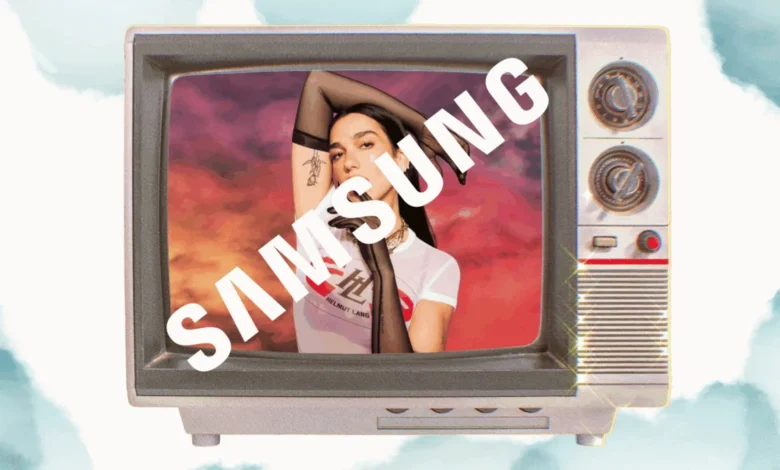
Pop superstar Dua Lipa has filed a comprehensive lawsuit against tech giant Samsung Electronics Co. Ltd., alleging "massive unauthorized commercial exploitation" of her image and likeness. The legal action, lodged in a California court, centers on Samsung’s use of her photograph on the packaging of its televisions, a move Lipa contends infringes upon her valuable intellectual property rights, including copyright, trademark, and publicity rights. The dispute stems from a seemingly innocuous detail: a photograph of a Samsung television displaying the company’s streaming service, Samsung TV Plus, which prominently features an image of Dua Lipa at the top of its home page interface. This seemingly indirect placement on the physical TV boxes has ignited a significant legal battle, underscoring the escalating value of celebrity branding and the intricate challenges of intellectual property in the digital age.
The Genesis of the Dispute: An Incidental Image?
The core of the controversy lies in the packaging of Samsung televisions. Prospective buyers encountering the product boxes are presented with a depiction of a Samsung TV screen, ostensibly showcasing the capabilities and interface of Samsung TV Plus, the company’s proprietary streaming service. However, within the simulated user interface on the packaging, a photograph of Dua Lipa is visible, positioned at the top of the streaming service’s homepage. While Samsung might argue this constitutes an incidental or merely illustrative use, Lipa’s legal team vehemently asserts that its presence, even within a digital display on a physical box, amounts to a direct and unauthorized commercial endorsement. The lawsuit explicitly states that this constitutes a "massive unauthorized commercial exploitation of her valuable image and likeness," leveraging her global recognition without consent or compensation.
Dua Lipa, over the last decade, has meticulously cultivated one of the music industry’s most successful and globally recognizable artist brands. Her career trajectory, marked by multiple Grammy Awards, chart-topping hits like "Don’t Start Now" and "Levitating," and sold-out international tours, has cemented her status not only as a musical icon but also as a formidable commercial entity. The lawsuit emphasizes that she has "developed substantial commercial value in her name, image and likeness, which she has successfully monetized through brand sponsorships, endorsements and related promotional partnerships." This commercial value, carefully managed through a robust licensing business, is now at the heart of the legal confrontation with Samsung.
Chronology of Events Leading to Litigation
The timeline of the dispute, as pieced together from the legal filing, indicates a progression from initial discovery to formal legal action:
- Undisclosed Period (Prior to Cease and Desist): Samsung begins distributing televisions with packaging featuring the disputed image. The exact start date of this distribution is not publicly detailed, but it is implied to have been ongoing for a sufficient period to warrant legal action.
- Discovery of Unauthorized Use: Dua Lipa’s team becomes aware of her image appearing on Samsung TV packaging without their authorization.
- Cease and Desist Letter (Initial Legal Response): Lipa’s legal representatives dispatch a formal cease and desist letter to Samsung, demanding an immediate halt to the unauthorized use of her image and seeking a resolution. This is a standard first step in intellectual property disputes, aiming for an out-of-court settlement.
- Samsung’s Response (Allegedly "Dismissive and Callous"): According to the lawsuit, Samsung’s reaction to the cease and desist letter was neither cooperative nor conciliatory. The filing characterizes their response as "dismissive and callous," suggesting a refusal to acknowledge the validity of Lipa’s claims or to cease the alleged infringement. This unyielding stance by Samsung is cited as a primary motivator for escalating the matter to formal litigation.
- Lawsuit Filing (Recent): Following the breakdown of preliminary negotiations and Samsung’s alleged disregard for the complaints, Dua Lipa’s legal team files the lawsuit in a California court, formally initiating legal proceedings and seeking redress for the alleged infringements. The specific date of filing, while recent, underscores the seriousness with which Lipa’s team views the matter.
Legal Claims Unpacked: Copyright, Trademark, and Publicity Rights
The lawsuit against Samsung is multi-faceted, leveraging several distinct areas of intellectual property law to assert Lipa’s rights:
1. Copyright Infringement:
- Lipa’s lawsuit explicitly claims copyright infringement, asserting that she herself holds the copyright to the specific photograph of her that appears on the Samsung TV Plus interface depicted on the boxes. Copyright law protects original works of authorship, including photographs. Unauthorized reproduction, distribution, or display of a copyrighted work constitutes infringement. If Lipa indeed owns the copyright to the image, Samsung’s use of it without a license, even indirectly, would be a clear violation. The digital reproduction of the image on the TV screen, subsequently depicted on the physical packaging, constitutes a chain of reproductions that, from Lipa’s perspective, requires proper licensing.
2. Trademark Infringement:
- Beyond specific photographic copyrights, Lipa’s legal team also alleges trademark infringement. While she reportedly only holds a registered trademark in the U.S. for her name, the lawsuit asserts her "common law trademark rights in her brand, image and likeness, which are inherently distinctive and recognizable to consumers." In the United States, common law trademark rights can arise from the commercial use of a brand, image, or likeness in association with goods and services, even without formal registration.
- The argument here is that Dua Lipa’s image and brand have become so synonymous with her commercial endeavors that their unauthorized use by Samsung creates a false impression of endorsement or affiliation. Consumers, seeing her image, might mistakenly believe she is endorsing Samsung TVs or Samsung TV Plus, thereby leveraging her established brand equity for Samsung’s commercial gain. This constitutes an attempt to capitalize on her "source-identifying" function without permission.
3. Right of Publicity Infringement:
- Perhaps the most central claim in celebrity image disputes, the right of publicity protects an individual’s right to control the commercial use of their identity, including their name, likeness, and other distinctive personal attributes. California, where the lawsuit was filed, has robust right of publicity laws, recognizing that a celebrity’s persona holds significant economic value.
- Lipa’s lawsuit argues that Samsung’s use of her image on its TV packaging directly exploits her valuable persona for commercial advertising and promotion without her consent. This right is distinct from copyright or trademark, focusing on the individual’s inherent right to control the commercial exploitation of their identity. The fact that the image is on packaging—a direct marketing tool—strengthens this claim significantly, as it directly ties her image to the promotion and sale of a product.
The Indisputable Value of a Celebrity Image: Dua Lipa’s Brand Power
The lawsuit underscores the immense commercial value embedded in Dua Lipa’s image and likeness. In the contemporary entertainment landscape, celebrity personas are meticulously managed assets, capable of generating substantial revenue through endorsements, sponsorships, and licensing deals. Lipa’s brand, estimated to be worth tens of millions of dollars, commands premium fees for partnerships. For instance, top-tier celebrities can secure endorsement deals ranging from high six figures to multi-million dollar contracts annually, depending on the product, reach, and exclusivity. Lipa has leveraged her global appeal in successful collaborations with major brands such as PUMA, Yves Saint Laurent, and Versace, meticulously controlling how and where her image is used.
The lawsuit presents compelling anecdotal evidence from social media, demonstrating the direct commercial impact of her image on Samsung’s sales. Fans explicitly stated their purchasing decisions were influenced by seeing Lipa on the packaging. One fan reportedly wrote, "I wasn’t even planning on buying a TV but I saw the box so I decided to get it," while another commented, "If you need anything selling just put a picture of Dua Lipa on it." These statements, cited in the legal filing, directly counter any potential argument from Samsung that the image’s presence was too fleeting or inconsequential to generate commercial benefit. They illustrate the potent persuasive power of celebrity association, even when seemingly incidental.
Samsung’s Stance and Potential Defenses
Given Samsung’s alleged "dismissive and callous" response to the cease and desist letter, it can be inferred that the tech giant believes it has a strong defense against Lipa’s claims. While Samsung has yet to publicly articulate its specific legal arguments in response to the lawsuit, potential defenses in such cases often include:
- Incidental Use/De Minimis Use: Samsung might argue that the image of Dua Lipa on the Samsung TV Plus interface, as depicted on the packaging, is merely an incidental or de minimis (too trivial to merit legal action) part of a larger display, not a direct endorsement. They could contend that the primary focus of the packaging is the television itself and the Samsung TV Plus service, with Lipa’s image being a small element within that interface.
- Lack of Direct Endorsement: Samsung could assert that the packaging does not explicitly state or imply that Dua Lipa endorses their product. The image is shown within the context of a streaming service, which itself features various artists.
- Fair Use (for Copyright): While less likely for commercial packaging, Samsung could attempt to invoke fair use, arguing that the depiction of the Samsung TV Plus interface, including any content within it, is transformative or serves an informational purpose in marketing their product. However, commercial exploitation significantly limits fair use defenses.
- License from a Third Party: If the image of Dua Lipa was part of content licensed by Samsung TV Plus from a music label or content provider, Samsung might argue they had a license for the content, and any individual’s image within that content falls under their existing agreements. However, this defense often fails if the initial license did not specifically cover the use of the individual’s likeness for product marketing on packaging.
- Lack of Confusion (for Trademark): Samsung could argue that consumers are sophisticated enough to understand that an image on a streaming service within a TV display does not equate to a direct product endorsement, thus negating any likelihood of consumer confusion regarding trademark infringement.
- Absence of Intent to Exploit: Samsung might claim there was no specific intent to exploit Lipa’s image for commercial gain, but rather to accurately depict the Samsung TV Plus interface, which coincidentally featured her. However, intent is not always a prerequisite for infringement, especially concerning publicity rights.
Broader Implications for Brand Marketing and Intellectual Property Law
This lawsuit carries significant implications for both the technology and entertainment industries. For brand marketers, it serves as a potent reminder of the complexities surrounding intellectual property and the right of publicity in an increasingly interconnected digital and physical advertising landscape. The line between illustrative content and implied endorsement can be thin, and this case could help clarify where that line is drawn, especially when digital content is depicted on physical product packaging. Companies will need to be increasingly vigilant about every element, no matter how small, that appears in their marketing materials, ensuring all necessary licenses and permissions are secured.
For celebrities and their legal teams, the case further solidifies the economic value of their personas and the necessity of rigorous enforcement of their rights. It highlights the growing trend of celebrities actively protecting their brand equity against unauthorized use, recognizing that every unauthorized appearance can dilute their brand and diminish their negotiating power for legitimate endorsements. The outcome of this case could set a precedent for how incidental uses of celebrity images within digital interfaces, subsequently used in product marketing, are legally treated.
Furthermore, the lawsuit touches upon the evolving challenges of intellectual property law in an era where digital content is fluid and easily integrated across platforms. What constitutes a "use" of an image when it’s part of a user interface, which is then depicted on a physical product? The legal battle will likely delve into these nuanced interpretations, potentially influencing future guidelines for content creators, platform providers, and product manufacturers alike.
The Road Ahead: Legal Proceedings and Potential Outcomes
The legal process is typically protracted, involving discovery phases, motions, and potentially a jury trial. Both parties will engage in extensive legal maneuvering, presenting evidence, expert testimonies, and legal precedents to support their respective positions.
- Discovery: Both sides will exchange information, documents, and depositions to gather facts relevant to the case.
- Motions: Samsung may file motions to dismiss certain claims or for summary judgment, arguing that there are no genuine disputes of material fact and they are entitled to judgment as a matter of law.
- Settlement: Many intellectual property disputes are resolved through settlement negotiations before reaching a full trial, as trials are costly and outcomes are uncertain.
- Trial: If a settlement is not reached, the case would proceed to trial, likely before a jury, to determine liability and damages.
Potential outcomes range from a complete dismissal of the lawsuit, a judgment in favor of Lipa with significant monetary damages (including lost licensing fees, profits gained by Samsung, and punitive damages), or a negotiated settlement involving financial compensation and a commitment from Samsung to cease the use of the offending packaging. The legal battle will likely be closely watched by the entertainment and tech industries, as its resolution could have far-reaching implications for how celebrity images are handled in advertising and intellectual property rights are enforced in the digital age. The initial "dismissive" stance from Samsung suggests a protracted and vigorously contested legal fight is on the horizon.
Related posts: