The Delicate Symphony of Sound: Why Component Matching is Paramount for True Home Cinema Immersion

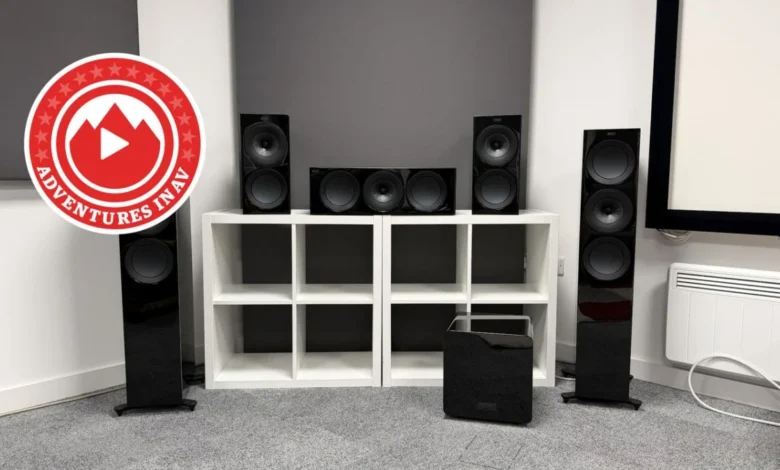
Home cinema, when meticulously crafted, transcends mere entertainment; it becomes an immersive portal, transporting viewers into the heart of cinematic worlds. This pursuit of sonic and visual fidelity is the driving force behind the work of specialists like the home cinema team at What Hi-Fi?, who dedicate themselves to evaluating the latest hardware to guide consumers toward achieving that coveted magical experience. However, the path to a truly profound home cinema setup is often more intricate than commonly perceived, with the ultimate quality of the experience hinging critically on the synergistic interplay between individual components, particularly within sophisticated multi-speaker surround sound systems. This nuanced understanding is crucial, dispelling the common misconception that simply assembling high-rated parts will automatically yield superior results. Recent evaluations of the KEF R Meta speaker package, when paired with both the Marantz Cinema 30 and the Denon AVC-A1H AV receivers, underscore the profound importance of component matching, revealing how subtle differences in sonic character can dramatically influence the overall impact of an audio-visual system.
The Elusive Art of Home Cinema Synergy
The allure of a grand cinematic experience within the comfort of one’s own home is undeniable. The ability to witness beloved narratives unfold on a large screen, enveloped by rich, enveloping sound, while ensconced in personal comfort, represents a pinnacle of domestic leisure. This pursuit, however, demands more than just a collection of premium devices. As technical editor Ketan Bharadia has often emphasized, a "proper home cinema" setup typically involves a sophisticated ensemble: a multi-speaker surround sound system, a high-quality projector, a capable AV receiver (AVR), and a reliable source component. The underlying principle, often overlooked, is that audio, whether for music or movies, operates on fundamental acoustic principles where component synergy is not merely desirable but essential.
This principle was vividly illustrated during recent evaluations conducted by the What Hi-Fi? team. The KEF R Meta speaker package, renowned for its acoustic prowess and sophisticated design, was subjected to rigorous testing. Initially, the package was integrated with the Marantz Cinema 30 AVR, a component widely recognized for its refined sonic signature and comprehensive feature set. The pairing, as anticipated, delivered a highly commendable performance. The system exhibited an expansive soundstage, a remarkable degree of cohesion across all channels, and a sense of controlled precision that contributed to a deeply immersive home cinema experience.
During playback of demanding test scenes, such as those from Dune: Part One on 4K Blu-ray, the Marantz Cinema 30 and KEF R Meta combination demonstrated masterful control over the entire frequency spectrum. The subtle nuances of the soundtrack, particularly the dynamic range underpinning the dramatic percussive elements, were rendered with clarity and presence. The directional cues, crucial for conveying the spatial dynamics of aerial sequences like the swooping ornithopters, were accurately reproduced, creating a convincing sense of movement from left to right and behind the listener. This initial assessment pointed towards a system that excelled in delivering a polished and detailed audio presentation, characteristic of high-fidelity reproduction.
Unveiling the Sonic Imbalance: When Refinement Becomes Restraint
However, as the testing progressed and the focus shifted to more demanding material, including the F1 test disc and stereo music playback, a subtle sonic characteristic began to emerge. Senior staff writer Lewis Empson was among the first to articulate a feeling of slight unease, a subtle deviation from the expected optimal performance. This observation was soon echoed by other members of the team. The consensus was that while the sound was undeniably refined, exceptionally smooth, and effortlessly composed, it perhaps leaned a fraction too heavily into this smoothness.
This wasn’t a critique of the inherent quality of the components; far from it. The KEF R Meta speakers, and the Marantz Cinema 30 AVR, are both individually lauded for their high standards. Rather, it was an observation about their combined sonic personality. The exceptional refinement of the Marantz, when paired with the inherently smooth and controlled presentation of the KEF R Meta front speakers, appeared to nudge the overall audio balance slightly beyond the ideal. While the system was far from lacking in quality, there were moments where a touch more "bite," urgency, and dynamic impact would have elevated the experience further.
Tom Parsons, What Hi-Fi?‘s TV and AV editor, who spearheaded the review of the KEF package, had previously described the speakers themselves as "smooth and refined." This characteristic, while a strength in many contexts, highlighted the potential for an overly harmonious sonic signature when combined with an AVR that shares a similar sonic philosophy. The Marantz Cinema 30 review, for instance, also prominently featured descriptions of its "smooth, refined, and always in control" sound. This confluence of sonic attributes, while creating a beautifully cohesive presentation, meant that the system, as a whole, prioritized refinement to a degree that slightly softened the overall sense of dynamic attack and visceral impact. The pairing clearly worked, but the shared sonic DNA of the components led to a subtle compromise in the system’s ability to deliver maximum excitement and presence.
The Denon AVC-A1H: Injecting Vitality and Assertiveness
The introduction of the Denon AVC-A1H AV receiver into the testing process provided a compelling counterpoint and a clear illustration of the principle of component matching. The Denon demonstrated a distinctly more dynamic and assertive character compared to the Marantz Cinema 30. This difference in sonic personality proved to be a crucial factor in its ability to complement the KEF R Meta speaker package. The Denon acted as a catalyst, injecting a welcome surge of energy and attack into the audio, without disrupting the KEFs’ inherent sonic balance or introducing any harshness.
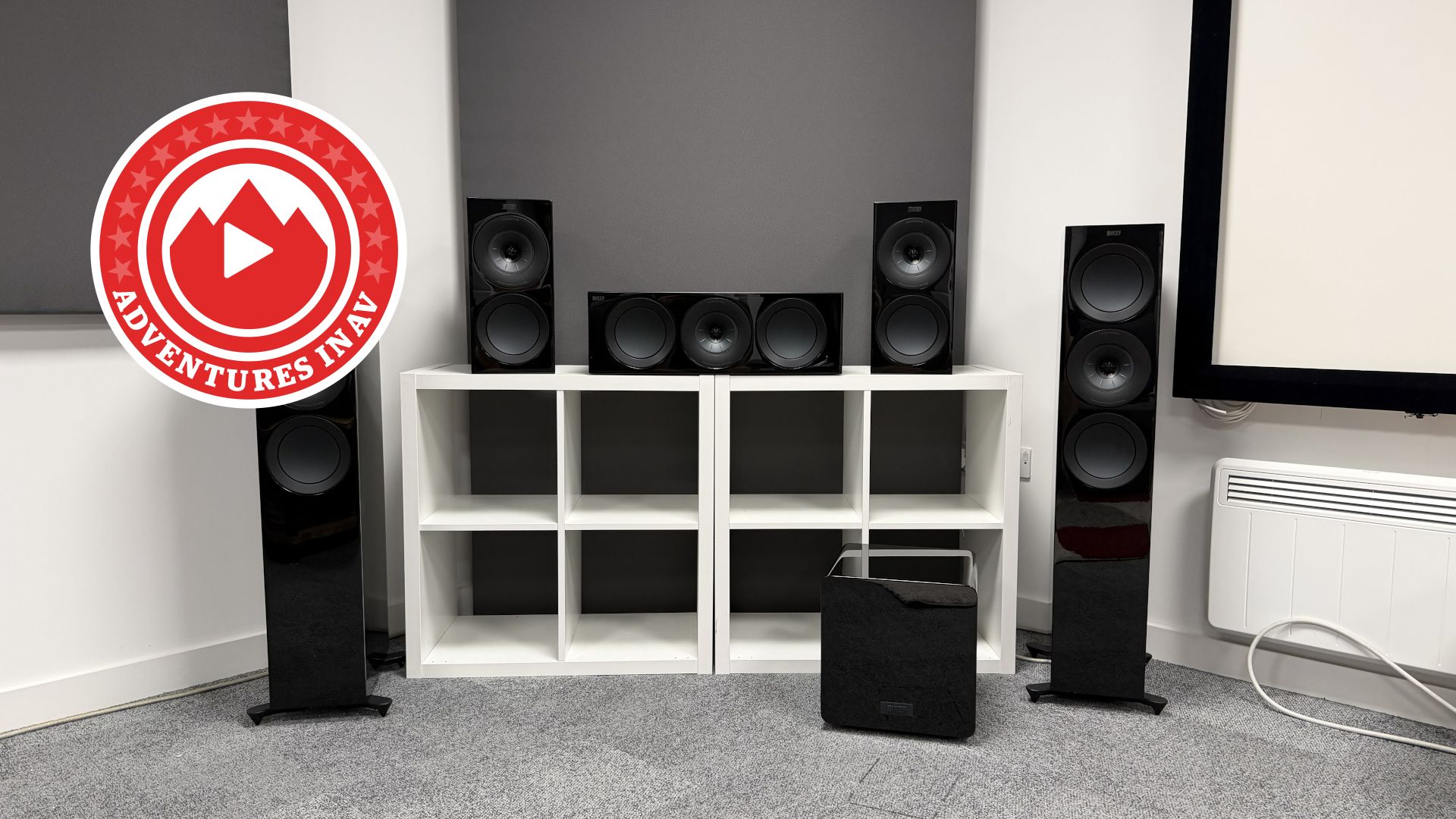
The impact of this change was immediately apparent. When the iconic opening chords of Led Zeppelin’s "Whole Lotta Love" filled the room, the audio presentation felt palpably more electric. The Denon’s assertive character added a palpable "bite" to Jimmy Page’s guitar riffs, imbuing them with a raw energy that was less pronounced with the Marantz. This effect was further amplified when the legendary drum line of John Bonham kicked in. The impact was visceral and gut-churning, a testament to the Denon’s ability to deliver the powerful, "hard-hitting" percussive force for which Bonham was renowned. This added weight and impact translated directly to the F1 test scene, making the on-screen racing feel more immediate and thrilling.
This distinction is not intended as a criticism of the Marantz Cinema 30. In many scenarios, the Marantz AVR paired with the KEF R Meta speakers would represent an exceptional system, producing a spacious, balanced, and highly accomplished sound. However, within this specific configuration, the Marantz’s inherent refinement, when combined with the KEF R7 Meta front speakers’ naturally smooth presentation, tipped the scales slightly too far towards a relaxed, albeit high-quality, sonic experience. The core issue was not a lack of quality, but an over-reliance on a single sonic characteristic, leading to a slight attenuation of the system’s potential for dynamic excitement. The implication is clear: if one component already possesses a strong leaning towards smoothness, pairing it with another component that shares this trait can lead to an overall sound profile that prioritizes relaxation over outright impact. Conversely, pairing a refined AVR like the Marantz with more overtly energetic speakers, or a more assertive AVR like the Denon with speakers that possess a more neutral or analytical character, would shift the balance back towards a more dynamically engaging presentation.
The Culinary Analogy: Balancing Flavors in Audio
Lewis Empson encapsulated this concept perfectly with a culinary analogy: "Even if you like salty food, if you add several salty ingredients, it’s not going to taste good." This simple yet profound comparison highlights the importance of balance and contrast in achieving a desirable outcome. In audio, just as in cooking, individual high-quality ingredients, when combined without regard for their inherent characteristics, can result in an unbalanced or even unpleasant final product. The goal is not to select the "best" individual components in isolation, but to choose components that will work harmoniously together, each complementing the strengths of the other while mitigating any potential weaknesses.
This principle extends beyond the pairing of speakers and AVRs. The source component, whether it’s a high-end streamer, a Blu-ray player, or a gaming console, also plays a significant role in shaping the final audio signal. Similarly, the acoustic properties of the listening room itself can have a profound impact on how the sound is perceived. A room with excessive reverberation might benefit from speakers with a slightly more controlled or damped presentation, while a very dead room might require speakers that can inject a little more life and airiness into the sound.
The Broader Implications for Home Cinema Enthusiasts
The insights gained from these evaluations carry significant weight for anyone aspiring to build a high-performance home cinema system. The temptation to simply select the highest-rated components from different manufacturers is understandable, driven by the desire for the "best of the best." However, the pursuit of true audio excellence requires a more holistic approach. It necessitates an understanding of the sonic signatures of different brands and specific models, and how these signatures are likely to interact when combined.
For consumers, this means:
- Research Beyond Individual Reviews: While individual component reviews are invaluable, it is equally important to consider how a component might perform within a larger system. Look for reviews that discuss pairings or analyze the component’s sonic character in detail, allowing you to infer potential synergies.
- Consider the "House Sound": Many established audio brands develop a discernible "house sound" – a characteristic sonic signature that permeates their product lines. Understanding these tendencies can help you predict how different brands might interact. For instance, some brands are known for a brighter, more analytical sound, while others lean towards a warmer, more laid-back presentation.
- Listen Before You Buy (When Possible): If feasible, auditioning components together in a similar environment to your own is the most effective way to gauge synergy. This is not always practical, especially for online purchases, but it remains the gold standard.
- Prioritize Cohesion Over Individual Excellence: A system composed of slightly less exceptional individual components that are perfectly matched can often outperform a system of top-tier components that clash sonically. The ultimate goal is a seamless, immersive experience, not a showcase of individual technical prowess.
The evolution of home cinema technology, with the advent of formats like Dolby Atmos and DTS:X, has further amplified the importance of precise audio reproduction. These immersive audio formats rely on accurate placement and movement of sound effects to create a truly three-dimensional soundscape. A system that lacks dynamic range or suffers from sonic imbalances will struggle to convey the full impact of these advanced audio technologies.
A Team Effort in Audio Design
Ultimately, building a compelling home cinema system is akin to assembling a championship sports team or orchestrating a complex symphony. Each player, or instrument, has its unique strengths and roles. The true magic, however, lies not just in the individual talent of each member, but in their ability to collaborate, to anticipate each other’s moves, and to work towards a unified, harmonious goal. In the realm of home cinema, this means recognizing that even when enjoying a solitary viewing experience, the hardware itself is engaged in a constant, intricate dance of collaboration. The synergy between components is the unseen conductor, guiding the audio towards its most impactful and immersive conclusion. Therefore, when embarking on the journey to create your personal cinematic sanctuary, remember that home cinema, at its most profound, is a team game, and careful consideration of how each element plays its part is paramount to achieving true sonic brilliance.
Further Reading:
- The best projectors we’ve tested
- Our picks of the best surround sound systems
- Our recommendations for the best AV receivers