Grado SR325 Classic Headphones: A Legacy of Sonic Purity Meets a Growing Comfort Conundrum

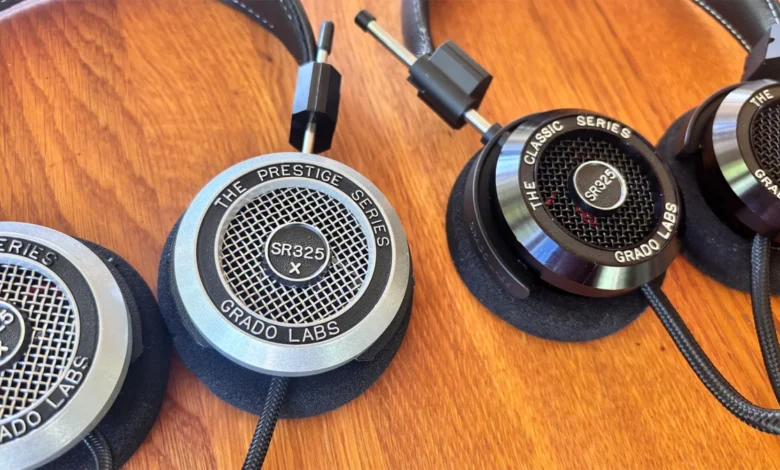
The enduring appeal of Grado headphones is a phenomenon that has captivated audiophiles for decades. For many, the distinctive aesthetic and signature sound emanating from this Brooklyn-based audio manufacturer represent an almost spiritual connection to music. Grado’s commitment to sonic excellence has consistently placed them at the forefront of the headphone industry, earning them a constellation of five-star reviews and prestigious What Hi-Fi? Awards. From the warmth of wood-clad models like the RS1x to the innovative wireless freedom of the GW100x and the consistently outstanding performance of the SR325x, Grado has demonstrably shaped the current headphone landscape. However, this unwavering dedication to audio fidelity, often at the expense of user comfort, is increasingly becoming a point of contention for both critics and consumers alike.
The Genesis of Grado’s Sonic Philosophy
Grado Laboratories, a family-owned business founded by Joseph Grado in 1953, has always operated with a singular focus: to reproduce sound as faithfully as possible. This unwavering commitment to audio purity is deeply ingrained in the company’s DNA. Unlike many of their competitors who might prioritize flashy features or elaborate designs, Grado has consistently championed a minimalist approach, believing that every design choice should directly contribute to the sound quality. This philosophy has resonated profoundly with reviewers at publications like What Hi-Fi?, where audio performance is paramount.
Over the past decade, Grado has consistently delivered wired headphones that push the boundaries of sonic detail and musicality. Their ability to strike a delicate balance between analytical precision and engaging entertainment has been a hallmark of their offerings. These headphones have a remarkable capacity to unearth subtle nuances within familiar tracks while simultaneously preserving the essential emotional core of the music. This unique sonic signature, often described as "energetic" and "immediate," has cemented Grado’s reputation among discerning listeners.
A Distinctive Identity: The Double-Edged Sword

Beyond their sonic prowess, Grado headphones possess a strong and unmistakable identity. Their design language, while undeniably unique, can be polarizing. The utilitarian, often industrial aesthetic, coupled with their specific sound profile, can be alienating to some, but for those who appreciate this particular sonic and visual philosophy, it represents an unparalleled audio experience. This no-nonsense ethos, characterized by an absence of frills and gimmicks, has always been a cornerstone of the Grado brand.
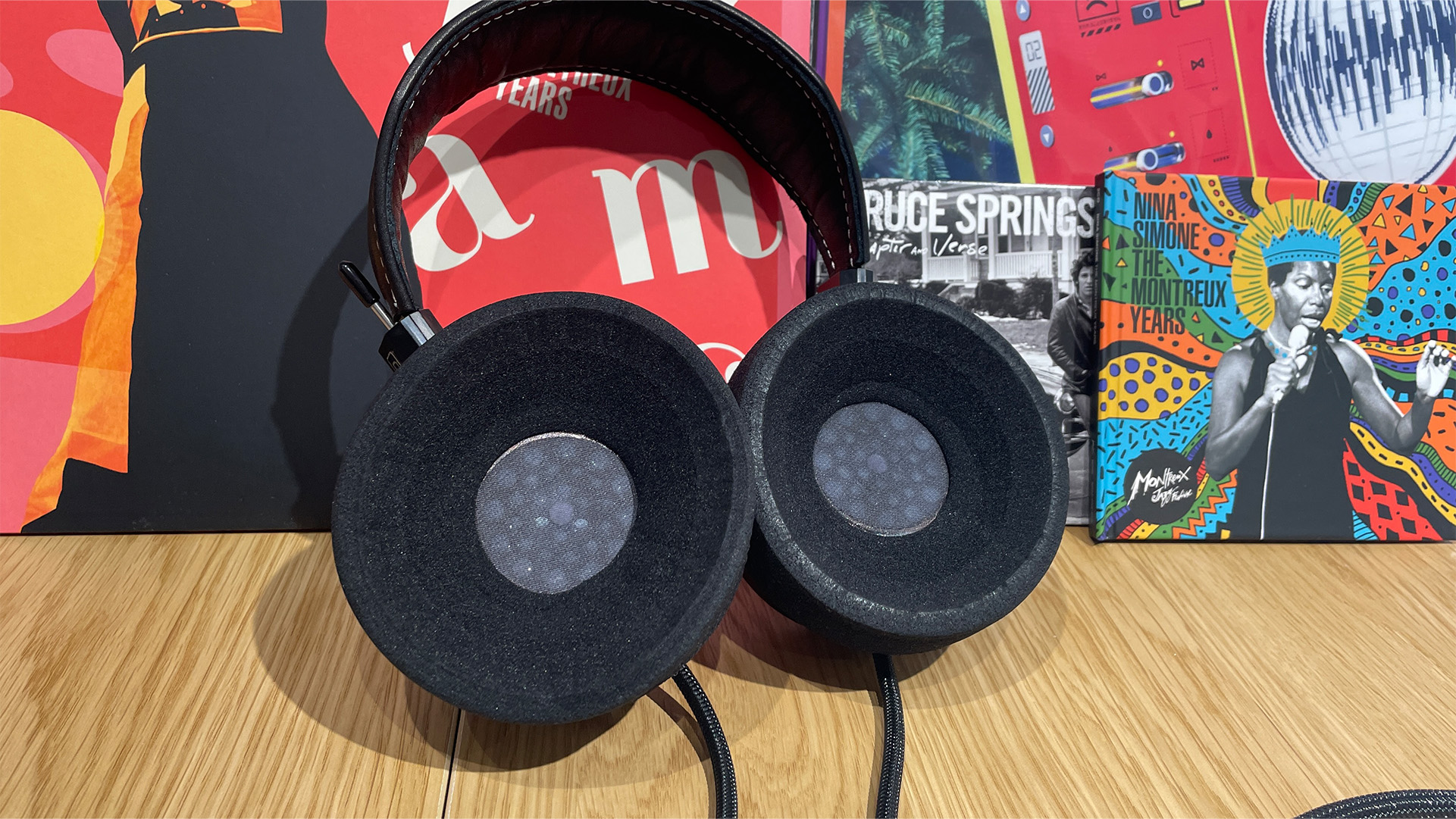
This steadfast adherence to their core principles, however, presents a significant challenge. While Grado’s commitment to sound is commendable, it has frequently come at the cost of user comfort, a crucial aspect of the headphone ownership experience. For years, reviews of Grado headphones have consistently included a caveat regarding their comfort levels, particularly concerning the use of thin, and often scratchy, foam ear cushions.
The SR325 Classic: A Case Study in the Comfort Conundrum
The recent review of the Grado SR325 Classic headphones serves as a poignant illustration of this ongoing dilemma. While the headphones are lauded for their lightweight and sturdy construction, the ear cushions are described as "lean, unforgiving, and scratchy." This lack of comfort, the review argues, could be a significant deterrent for potential buyers, especially when compared to alternatives that offer superior comfort at a comparable or even lower price point.
The Beyerdynamic DT 900 Pro X, for instance, is highlighted as a compelling alternative. These over-ear headphones, available for a considerably lower price than the SR325 Classic (£200/$250 compared to £349/$350), are praised for their luxurious comfort without compromising on sound quality. This comparison underscores a critical point: while Grado’s SR325 Classic are on-ear headphones and the DT 900 Pro X are over-ear, the significant disparity in comfort at a similar price bracket is difficult to overlook.
Grado’s rationale for their minimalist ear cushion design often centers on their purported contribution to the headphones’ "immediate and energetic presentation." This sonic characteristic is a key element of the Grado sound. However, when competing products, like the Beyerdynamic DT 900 Pro X, achieve excellent comfort without sacrificing audio performance, Grado’s justification begins to lose its weight.

Further compounding the comfort concerns with the SR325 Classic is the reported ease with which the ear cushions detach. The review noted that the cushions on the test sample could be removed with a single finger, raising questions about the durability and security of this critical component. While this could be an isolated manufacturing defect, it adds another layer of concern to the overall user experience.
A Legacy of Sound, A Question of Evolution
Grado’s unwavering commitment to its design philosophy is understandable. The iconic look of their headphones, with their exposed drivers and open-back designs, is intrinsically linked to the brand’s identity. Similarly, the "F" cushions, though often criticized for their comfort, are designed to facilitate the immediate and energetic sound signature that Grado is known for.
However, the audio industry is not static. Consumer expectations evolve, and comfort has become an increasingly important factor in purchasing decisions, even for high-fidelity equipment. While Grado has historically been able to justify its comfort compromises by delivering truly exceptional audio, recent reviews suggest that this balance is becoming harder to maintain.
The SR325 Classic, in particular, has faced scrutiny for a perceived dip in performance compared to its predecessor, the SR325x. While the new model is noted for its clarity and articulation, it is reported to have a poorer sense of rhythmic drive. In light of this, the "somewhat Spartan approach to comfort" becomes much harder to overlook. When the audio performance doesn’t unequivocally justify the comfort sacrifices, the argument for Grado’s traditional design choices weakens considerably.
This issue is not unique to the SR325 Classic. Even the premium GS3000x, a five-star rated headphone, has faced criticism for its ear cushions feeling "a little scratchy" and the need for a "classier alternative at this premium price level." The only reason these headphones were able to overcome this drawback was their outstanding audio quality, which was deemed among the best Grado had ever produced. However, when performance falls short of such lofty expectations, the inescapable drawbacks become far more apparent and less forgivable.
The Future of Grado: Balancing Heritage and Modern Expectations
Grado is at a crossroads. Their legacy is built on a foundation of sonic excellence and a distinctive identity. Abandoning these core tenets entirely would likely alienate their loyal fanbase and dilute the brand’s unique appeal. Yet, ignoring the growing demand for greater comfort risks alienating a broader segment of the market.
The challenge for Grado lies in finding a harmonious balance. Can they innovate their comfort solutions without compromising their signature sound? Can they integrate more ergonomic designs and plush materials while retaining the industrial aesthetic that defines them? The success of competitors like Beyerdynamic demonstrates that achieving both superior sound and exceptional comfort is not an impossible feat.
The implication of this ongoing debate is clear: while the intrinsic value of a headphone’s audio performance remains paramount, the overall ownership experience is increasingly holistic. Consumers are not just buying sound; they are investing in a product that they will interact with for extended periods. Therefore, how a headphone feels to wear is becoming as important as how it sounds.
As Grado continues to release new models, the industry will be watching closely to see if they can adapt to these evolving expectations. The SR325 Classic, while a testament to Grado’s enduring sonic philosophy, serves as a potent reminder that even a legacy of audio mastery must eventually contend with the fundamental human need for comfort. The question is not whether Grado can continue to produce great-sounding headphones, but whether they can do so in a way that satisfies the modern audiophile’s demand for a complete and comfortable listening experience. The future success of the brand may well depend on their ability to reconcile their proud heritage with the evolving demands of the contemporary audio landscape.
Related posts: