The Enduring Art of the Mixtape: A Journey Through Sound, Memory, and the Evolution of Music Curation

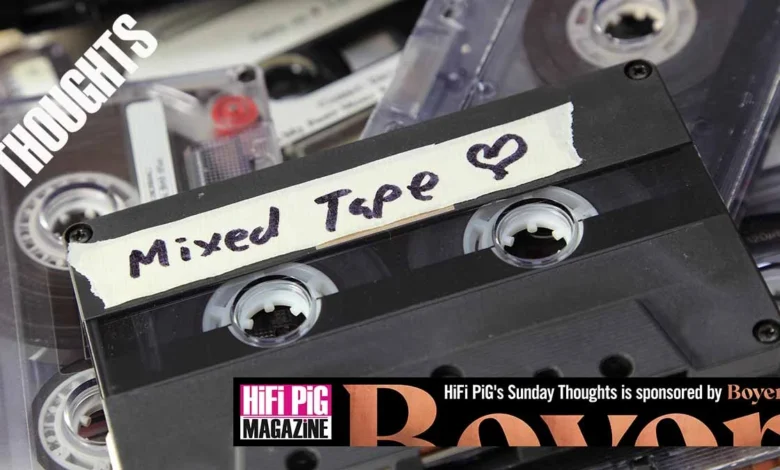
The echoes of a thrilling football match between France and England, which captivated audiences last night and into this morning, have momentarily faded as the author delves into a more personal and resonant topic: the lost art of the mixtape. While the roar of the stadium might be a distant memory, the quiet dedication involved in crafting a cassette tape for a friend or loved one continues to hold a unique significance, reflecting a time when music consumption was a more deliberate and deeply personal act. This exploration into the world of mixtapes offers a compelling glimpse into how technology, societal attitudes towards music ownership, and personal expression have evolved over the decades, with profound implications for how we engage with sound today.
From Walkmans to Digital Streams: A Nostalgic Look Back
The recent resurgence of interest in retro audio formats, exemplified by modern cassette players like the Pink Floyd edition by We Are Rewind, has prompted a reflection on the enduring appeal of analog media. These contemporary devices, blending Bluetooth connectivity and rechargeable batteries with a distinct aesthetic reminiscent of the Sony Walkmans of the late 20th century, have sparked a debate about nostalgia versus genuine innovation. However, it was a simple comment on a HiFi PiG Facebook post – "Ah, the art of the mix tape" – that truly ignited a deeper contemplation of this bygone era. This seemingly innocuous remark transported the author back to their formative years, to a bedroom in Barnsley, surrounded by vinyl records and an Amstrad tower system, meticulously preparing to create a mixtape.
The process of making a mixtape was far more than a simple act of copying music. It was a carefully orchestrated endeavor that began with the selection of tracks, but critically, extended to their precise ordering. The intention was not to haphazardly fill a C90 cassette, but to construct a sonic narrative. The opening track had to be an immediate hook, designed to capture the listener’s attention from the outset. The closing track was intended to leave a lasting impression, a final thought or emotion to linger. The music in between was curated to create a seamless flow, taking the listener on a deliberate journey. This journey was shaped by the mixtape’s underlying purpose, whether it was to introduce new sounds, evoke specific emotions, or simply share a personal musical discovery. This was, in essence, playlist creation long before the term entered the popular lexicon, undertaken with a level of commitment and thoughtfulness that digital platforms often struggle to replicate.
Challenging the Status Quo: "Home Taping Is Killing Music"
The burgeoning popularity of home taping in the 1980s was met with considerable apprehension from the music industry. The ubiquitous "Home Taping Is Killing Music" slogan, emblazoned on record sleeves, symbolized a genuine fear that the ease of copying music onto cassette tapes would decimate record sales and, by extension, the industry’s revenue streams. This sentiment, however, appears rather quaint in retrospect, especially when contrasted with the digital revolution that followed. The advent of platforms like Napster in the late 1990s and early 2000s, which facilitated widespread unauthorized music sharing, presented a far more profound and complex challenge to the traditional music business model than cassette duplication ever did. The industry’s initial anxieties, while understandable from their perspective, ultimately underestimated the transformative power of technology and the evolving ways in which audiences would engage with music.
The Visual and Tactile Elements of a Mixtape
Beyond the auditory experience, the creation of a mixtape also encompassed a significant visual and tactile dimension. The accompanying sleeve design was an integral part of the gift. The meticulous handwriting of the track listing, often a struggle to fit legibly onto the small insert, was a testament to the effort invested. For those with less than perfect penmanship, this task presented a unique challenge, as the author admits to having always possessed an "appalling" handwriting. Some creators would go further, decorating the spine with drawings or lettering that visually represented the content of the tape. For a compilation made for a friend, the effort put into the sleeve was a direct reflection of the value placed on the friendship and the music being shared. The cover was not merely an afterthought; it was an extension of the musical offering, a tangible expression of care and intention. A mixtape was more than just a collection of songs; it was hours of thoughtful curation, encapsulated in a small plastic box, a gesture that held particular poignancy when intended for a romantic interest. The author estimates having created dozens of such tapes throughout their youth.
These meticulously crafted mixtapes served various purposes. Some were for close friends, designed to introduce them to new artists or genres. Others were a more subtle overture to potential romantic partners, though the author humorously notes that their success rate in this arena was questionable. Many were simply a passion project, a way to share the excitement of discovering new bands and their music. In retrospect, these mixtapes served as a mirror, reflecting not only the musical tastes of the creator but also aspects of their personality and burgeoning identity. Each track was chosen with a specific, albeit sometimes forgotten, rationale, imbuing the tape with a deep sense of intention and personal meaning.
Beyond Copying: The Dawn of DIY Music Creation
The creative impulse fueled by the cassette tape was not limited to copying existing music. For many teenagers, including the author and their friends, the accessibility of recording technology fostered a desire to create their own music. This era saw countless aspiring musicians and comedians experimenting with home recording. The author recalls a particularly memorable instance of recording a rewritten version of AC/DC’s "She’s Got the Jack," with significantly altered lyrics. While the intent was humorous, the resulting recording, upon its discovery by the author’s mother, elicited a less than enthusiastic response. The candid nature of the rewritten lyrics, it turned out, was a bridge too far for maternal ears. Thankfully, this particular sonic creation never reached its intended audience.
Mixtapes as Archival Tools: The DJ’s Perspective
As the author’s musical journey evolved into DJing, the tape recorder found a new and significant role. Recording DJ sets became a standard practice, serving multiple purposes. It allowed for self-assessment, enabling the DJ to critique their mixing skills and identify areas for improvement. Friends often requested copies of favorite sets, and at the time, recording one’s performances was simply part of the DJing culture. Marathon sets, often lasting six to seven hours at parties, would result in a collection of tapes, many of which would find their way into the hands of other music enthusiasts. It is highly probable that some of these recordings still reside in attics or forgotten corners, awaiting rediscovery.
A particularly vivid memory involves walking into a club in Edinburgh called The Vaults, for a night known as Sativa. There, the author learned that the organizers regularly received tapes of their radio show, sent from Sunderland. This connection led to several performances at the club, with at least one night achieving a legendary status, not solely for the music played. The author cherishes a single remaining tape, a recording of a radio show they co-hosted with a friend named Maz, titled "The Midnight Train To Doomsville." This tape, painstakingly recorded off the air by another friend and having survived numerous house moves and clear-outs, stands as a solitary artifact from a past era. It is a tangible fragment of a younger self, a "tiny time capsule" from a persona that has largely faded. The author also recalls another specific broadcast, posthumously dubbed "The Big Space Show," where they and Maz, under the influence of acid, played BBC special effects records and the occasional actual song for two hours on a radio station that had been recognized as Sony Radio Station Of The Year in the early 1990s. This particular broadcast has since become a subject of folklore, a testament to the audacious and often boundary-pushing nature of their creative endeavors, the specifics of how they managed to pull it off remaining a mystery.
The Paradox of Effortless Creation: Digital Playlists vs. Mixtapes
In the present day, the author continues to dedicate a couple of hours each evening to DJing. However, the practice of recording these sets has ceased, for reasons that remain somewhat elusive. While storage is no longer a concern, with vast amounts of digital space available, the very ease of recording every mix played might be the very factor that diminishes its perceived importance. When creation becomes effortless, it can paradoxically lose some of its inherent meaning and significance.
This sentiment extends to the creation of digital playlists. Platforms like Qobuz, Spotify, and others have made playlist generation remarkably simple. Tracks can be easily rearranged, and a title assigned, with minimal effort. While the author acknowledges the utility of playlists in specific contexts, such as for audio shows, they rarely find themselves creating them for personal enjoyment. These digital compilations, while convenient, do not seem to satisfy the same intrinsic need as the tangible act of making a mixtape. The deliberate, ritualistic nature of mixtape creation is what distinguished it. Recording in real-time demanded complete focus and commitment; there was no room for casual rearrangement of tracks once the recording had begun. The inability to simply drag and drop a song from one position to another, as is common today, meant a commitment to the sequence chosen.

Looking back, this process might appear terribly inconvenient by modern standards, but it is precisely this inconvenience, this investment of time and effort, that lent mixtapes their profound meaning. The author has previously written about the importance of the rituals surrounding music – the act of placing a record on the turntable, lowering the stylus, cleaning an LP, or simply sitting down with the intention of listening rather than merely hearing background noise. Making a mixtape was another one of these cherished musical rituals, one that is now deeply missed.
Ultimately, the significance of the mixtape transcended the physical tape itself. It was about the thought process, the intention behind the selection and arrangement of songs. It was a way of communicating, "I heard these songs, and they reminded me of you." It was about introducing someone to new musical horizons or, in retrospect, capturing a specific moment in time before it inevitably slipped into the past.
A Lingering Connection to a Bygone Era
While the author doubts they will ever create another mixtape, they remain open to the possibility, acknowledging that "never say never." The world has undeniably moved on, and for the most part, so has the author, though they concede that some might dispute this latter point. Yet, occasionally, a simple mention of "the art of the mixtape" in a Facebook comment is enough to transport them back in time. Suddenly, they are thirteen again, standing in their bedroom, a pile of records before them, their finger poised over the pause button of their "gloriously rubbish" Amstrad Tower system, ready to embark on the familiar, comforting ritual of mixtape creation.
Afterthought: In preparation for this piece, the author searched for the specific mixtape mentioned in their desk drawer to use as a primary photograph. While the intended tape was not found, a different artifact surfaced: a tape box labeled "Roughneck Sounds (my band) Hartlepool Ritz." However, the tape itself bore the inscription "Wear Off The Wall 1990," a recording of one of their very early radio shows. This discovery has prompted a consideration to upload this historical recording at a later date.
Related posts: