Richard Lloyd, Virtuoso Guitarist and Co-Founder of Landmark Punk-Rock Band Television, Dies at 73

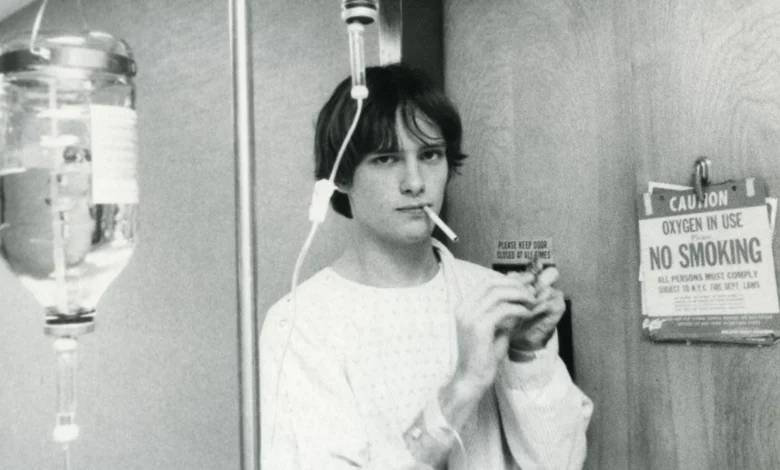
Richard Lloyd, the legendary guitarist, songwriter, and co-founder of the influential New York City rock band Television, passed away on November 7 at the age of 73. Renowned for his intricate interplay with frontman Tom Verlaine, Lloyd helped redefine the vocabulary of the electric guitar during the mid-1970s punk and post-punk explosions at CBGB. Self-described as a musical "alchemist," Lloyd combined rigorous technical discipline with an exploratory, improvisational spirit that left an indelible mark on modern rock music. His death marks the passing of another foundational architect of the downtown Manhattan music scene that birthed modern alternative rock.
Main Facts of the Legacy and Passing
Lloyd’s death closes a monumental chapter in American rock history. As one-half of Television’s twin-guitar attack alongside Verlaine, Lloyd engineered a sound that traded the raw, three-chord aggression of early punk for soaring, labyrinthine melodies, jazz-inflected phrasing, and interlocking counterpoint. Where many of his contemporaries prioritized shock value or stripped-down primitivism, Lloyd approached the instrument with the precision of a classical musician and the danger of a jazz improviser.
Throughout his career, Lloyd was celebrated not only for his work with Television—most notably on their landmark 1977 debut album, Marquee Moon—but also for a diverse solo career and collaborations with artists like Matthew Sweet, John Doe, and Quine. Industry peers, critics, and fans worldwide have mourned the loss, recognizing Lloyd as a player who elevated the electric guitar from a rhythm and blues staple into a vehicle for high-art expression.
Chronology of a Six-String Pioneer
Richard Lloyd’s musical journey began long before he took the stage at CBGB. Born in October 1951, Lloyd grew up absorbing the sounds of blues, jazz, and early rock and roll. By his teens, he was immersed in the vibrant countercultural currents of New York City.
In 1973, Lloyd crossed paths with singer, songwriter, and guitarist Tom Verlaine and drummer Billy Ficca. Together with bassist Richard Hell—who was soon replaced by Fred Smith—they formed Television. The band quickly became the house band at CBGB, the Bowery club managed by Hilly Kristal, spearheading a nascent scene that also included Patti Smith, the Ramones, and Blondie.
Television released their debut studio album, Marquee Moon, in 1977 through Elektra Records. Though it was not an immediate commercial blockbuster, the record became a critical masterpiece, widely cited as one of the greatest debut albums in rock history. Lloyd’s contributions, particularly his serpentine solos on tracks like "See No Evil" and the title track, established a new benchmark for guitar interplay.
Following internal tensions and creative exhaustion, Television disbanded in 1978 after releasing their sophomore album, Adventure. This marked the beginning of Lloyd’s eclectic solo career. In 1979, he released his debut solo album, Alchemy, featuring guest contributions from Verlaine. Throughout the 1980s and 1990s, Lloyd balanced solo projects with battles against severe health issues and substance addiction, eventually relocating to various cities, including Atlanta and later New York, where he continued to teach guitar and record music.
In 1992, Lloyd experienced a major career resurgence when he contributed searing guitar work to Matthew Sweet’s critically acclaimed power-pop masterwork, Girlfriend. The album exposed Lloyd’s playing to a new generation of alternative rock fans.
Television reunited sporadically over the decades, most notably for a critically praised self-titled studio album in 2014 and selective festival appearances. Although Lloyd officially parted ways with the touring lineup in 2007 prior to permanent reunions, his foundational imprint on the band’s identity remained permanent. In recent years, Lloyd focused on teaching, writing his memoir Everything Is Going to Be Alright, and releasing independent music.
Supporting Data and Musical Architecture
To understand Richard Lloyd’s impact, one must examine the sonic landscape of mid-1970s New York. While British punk emphasized socio-political rage and garage-rock revivalism, the CBGB scene was more bohemian and art-damaged. Television sat at the intellectual apex of this movement.
Marquee Moon remains a fixture on all-time greatest album lists compiled by publications such as Rolling Stone, NME, and Pitchfork.
- The Dual-Guitar Blueprint: Prior to Television, twin-guitar setups were largely defined by the heavy blues-rock riffing of bands like the Allman Brothers or Wishbone Ash. Lloyd and Verlaine stripped away the blues clichés, favoring modal scales, African music influences, and avant-garde jazz textures.
- Technical Prowess: Lloyd was known for his encyclopedic knowledge of guitar gear and chord voicings. He favored Fender Stratocasters plugged into modified amplifiers, pulling a clean, bell-like chime from his instrument that could cut through heavy mixes without resorting to excessive distortion.
- Improvisational Danger: Critics often noted that a Lloyd solo felt like a high-wire act. Rather than relying on memorized pentatonic runs, he approached the fretboard dynamically, ensuring that every performance carried a sense of spontaneous combustion.
Official Responses and Industry Tributes
Following the news of his passing, musicians, producers, and cultural institutions took to social media and press outlets to honor Lloyd’s legacy. The outpouring reflected the deep, often underground reverence held by working musicians for his uncompromising dedication to his craft.
Longtime collaborators and peers emphasized his fierce intellect and demanding artistic standards. Matthew Sweet, whose commercial peak was heavily anchored by Lloyd’s searing solos on Girlfriend, released a statement highlighting Lloyd’s profound generosity as a musical partner and his unmatched ear for melody.
Music historians and rock journalists noted that Lloyd belonged to a vanishing breed of guitarists who treated the instrument not as a blunt instrument of rebellion, but as an intellectual and emotional canvas. Tributes highlighted his mentorship of younger players, noting that even later in life, Lloyd took immense joy in breaking down the mechanics of phrasing and tone for aspiring students.
Broader Impact and Implications
The passing of Richard Lloyd signifies more than the loss of an influential artist; it marks the gradual fading of the generation that transformed underground rock into high art. As the architects of the 1970s downtown New York scene pass on, the cultural blueprint they left behind continues to inform contemporary indie rock, post-punk revivalism, and experimental guitar music.
Lloyd’s influence can be heard clearly in the jangly, interlocking guitar lines of 1980s alternative bands such as R.E.M., The Feelies, and Sonic Youth, all of whom acknowledged a profound debt to Television. Furthermore, his career trajectory—balancing critical adoration with commercial obscurity, personal trials with artistic triumph—serves as a quintessential narrative for the independent musician.
In an era dominated by digital production and streamlined pop structures, Lloyd’s legacy stands as a reminder of the power of raw human expression, technical mastery, and fearless improvisation. As fans and scholars revisit Marquee Moon, Alchemy, and his extensive body of recorded work, Richard Lloyd’s place in the pantheon of rock guitar innovators remains secure. The restless alchemist has left his laboratory, but the gold he mined from six strings will resonate indefinitely.