The Litigious Legacy of Ye: A Comprehensive Analysis of Copyright Infringement Claims in the Career of Kanye West

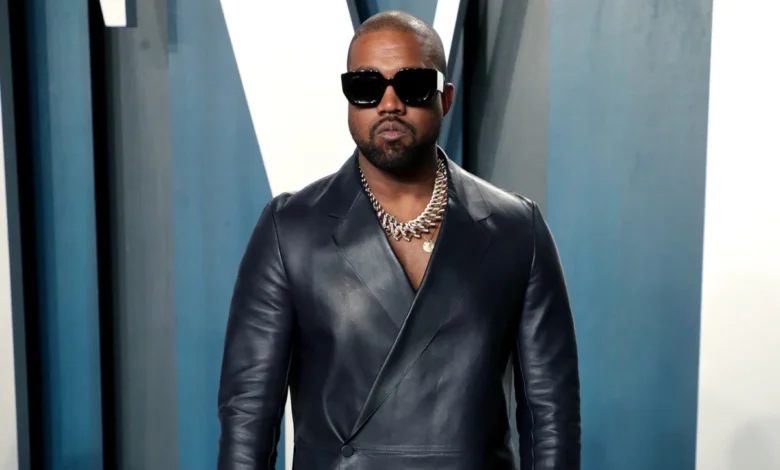
The career of Ye, the artist formerly known as Kanye West, has long been characterized by a restless, boundary-pushing approach to production that has reshaped modern music. However, this same innovative spirit has frequently placed him at the center of protracted legal battles. Federal court records indicate that the rapper has been named in at least 20 lawsuits alleging the unauthorized use of copyrighted sound recordings or musical compositions—a trend that has accelerated significantly in the last five years, with 15 of those cases filed since 2019 alone. These legal challenges serve as a window into the complex, often contentious intersection of creative sampling culture and the rigid framework of intellectual property law.
The Mechanics of the Dispute: Sampling and Interpolation
At the heart of these lawsuits are two primary legal concepts: sampling and interpolation. Sampling involves the direct lifting of a specific portion of a sound recording from an existing track, while interpolation involves re-recording or re-performing a melody or lyric from a previous work. Under the Copyright Act of 1976, both practices generally require a license from the copyright holders of the original work.
For decades, artists like Ye have pushed the boundaries of these requirements, often arguing that their transformative use of existing audio constitutes "fair use." However, federal courts have maintained a strict stance regarding the necessity of clearance. The sheer volume of litigation against Ye suggests a recurring friction between his production philosophy—which often seeks to repurpose nostalgic or obscure audio snippets—and the legal rights of those who own the underlying master recordings and publishing copyrights.
A Chronology of Legal Scrutiny
The trajectory of these lawsuits is not merely a list of grievances but a timeline of how copyright enforcement has evolved within the music industry. While earlier disputes were often settled quietly behind closed doors, the legal environment has shifted toward greater transparency and more aggressive litigation.
The 2010s saw several notable, though often lower-profile, cases. By 2012, Roc-A-Fella Records found itself in the crosshairs of litigation regarding Ye’s sampling practices, signaling that the liability often extended beyond the artist to the labels and distributors involved. As the digital age made it easier for rights holders to detect unlicensed samples using audio-fingerprinting technology, the frequency of lawsuits spiked.
The year 2024 brought renewed intensity to this issue, underscored by high-profile public disputes. Notably, Ozzy Osbourne publicly challenged the use of a live performance recording in a promotional context, highlighting the friction between an artist’s creative vision and the moral rights of legacy performers. This incident reinforced the reality that even in the absence of a formal lawsuit, the threat of legal action can have significant reputational and commercial consequences for an artist of Ye’s stature.
The 2026 Donda Trial: A Rare Judicial Look
Perhaps the most significant inflection point in this history occurred in May 2026, when a copyright infringement case involving material from the Donda era proceeded to a full jury trial. Unlike the majority of cases that end in private, out-of-court settlements, this proceeding provided a rare public forum for Ye to defend his creative process under oath.
During his testimony, Ye articulated a philosophy centered on the idea of compensation and credit, stating, “I pride myself on giving people what they deserve.” He further suggested that he felt targeted by rights holders who viewed his success as a vehicle for financial extraction. Despite this defense, the jury returned a verdict finding him liable for copyright infringement. The resulting six-figure damages award served as a stark reminder that intent—even if perceived by the artist as honorable or transformative—does not supersede the legal requirement for licensing.
Supporting Data and Industry Context
The economic implications of these lawsuits are substantial. When a copyright holder prevails in such a case, the damages are typically calculated based on lost licensing fees, statutory damages, or a percentage of the profits generated by the infringing work. In cases involving major albums like Donda, the potential for high-stakes litigation is amplified by the massive commercial footprint of the tracks.
Furthermore, the legal costs associated with defending 20 separate suits over two decades are immense. Beyond the direct financial impact, there is the "opportunity cost" of the time and resources required to navigate the federal court system. This has led many artists, including Ye, to increasingly rely on legal teams that specialize in "clearance"—the process of obtaining necessary permissions before a song is ever released. However, as the 2019-to-present spike demonstrates, the sheer volume of output and the complexity of modern production continue to create gaps where unauthorized samples can trigger litigation.
Official Responses and the Role of Labels
The record labels that distribute Ye’s music have also been frequent targets of these legal actions. When a label is named as a co-defendant, it often triggers internal audits of production practices. Historically, labels have attempted to mitigate these risks through indemnity clauses in recording contracts, which hold the artist responsible for any copyright violations.
Industry analysts suggest that the ongoing litigation against Ye has forced a recalibration within major labels regarding how they clear samples for high-profile releases. The days of "sampling first and asking for permission later"—a strategy that was more common in the early 2000s—have largely been replaced by a rigorous, risk-averse legal review process.
Broader Implications for the Music Industry
The litigious landscape surrounding Ye is emblematic of a larger, systemic tension in the music industry. As music becomes more data-driven and the tools for creating "mash-ups" or "remixes" become more accessible, the barrier to entry for creative expression has lowered, while the legal barriers to commercializing that expression have remained high.
Legal experts argue that the precedent set by these cases will continue to influence how producers approach sampling. If courts continue to favor copyright holders with consistent, substantial damages awards, we may see a chilling effect on the use of samples in popular music. Conversely, some argue that these lawsuits protect the essential rights of songwriters and performers, ensuring that the original creators of musical building blocks are properly compensated for their contributions.
Conclusion: The Future of Creative Appropriation
As the legal battles continue, the case of Ye serves as a complex case study for the music industry at large. It highlights that even at the highest levels of fame and commercial success, the fundamental laws of intellectual property remain an inescapable reality.
While Ye has consistently maintained that his use of music is an act of curation and homage rather than theft, the court system has consistently emphasized the necessity of a formal, documented license. As the industry moves forward, the reconciliation of these two perspectives—the artist’s desire for creative freedom and the legal system’s mandate for property protection—will remain one of the most significant challenges in the modern music business. Whether through more robust clearance processes or shifts in copyright interpretation, the legacy of these lawsuits will undoubtedly shape the sound of the next generation of music.
Related posts: