Alexander Manotskov’s Creation of the World, or Kabbalat Shabbat Set for U.S. Premiere in Brooklyn

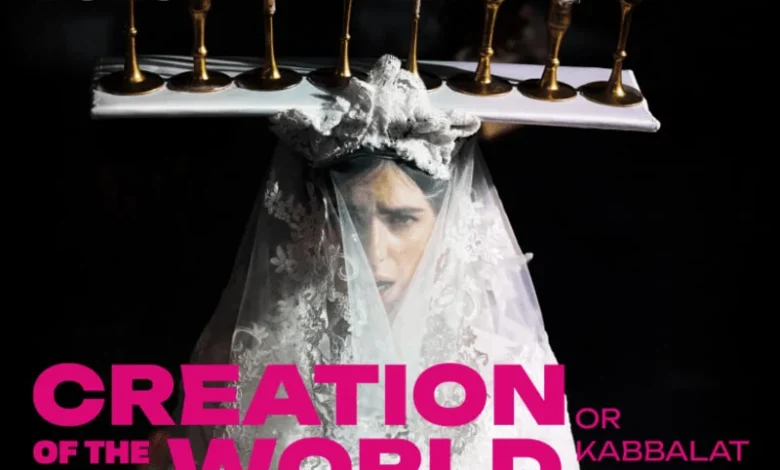
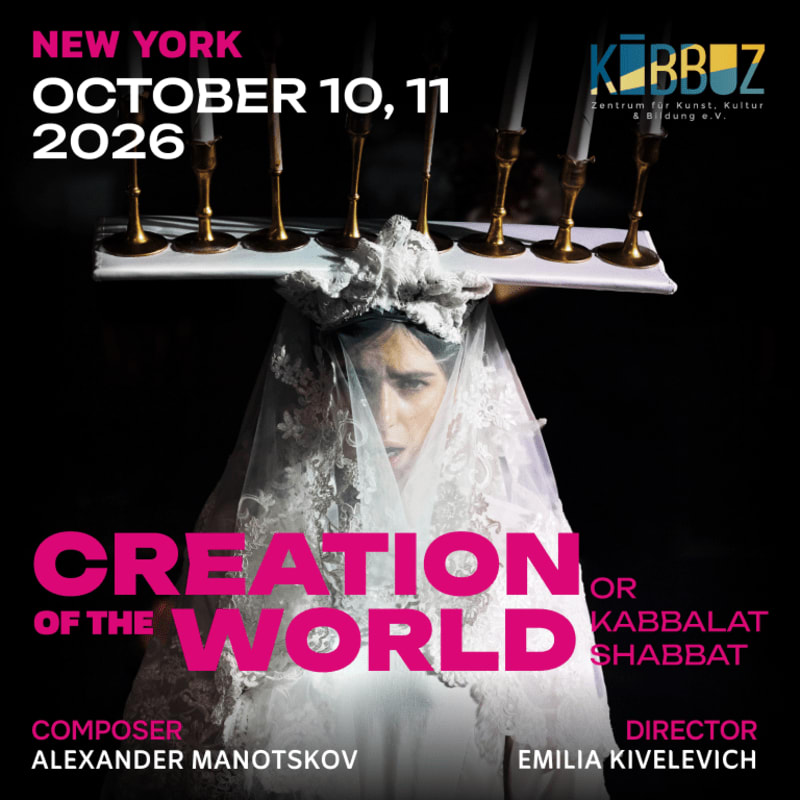
Composer Alexander Manotskov’s contemporary operatic work, Creation of the World, or Kabbalat Shabbat, is scheduled to make its highly anticipated United States debut this coming autumn. The two-night engagement will take place on October 10 and 11, 2026, hosted at The 1986 Studio located in the borough of Brooklyn, New York.
The production offers a modern artistic interpretation of the biblical narrative detailing the six days of Creation followed by the sacred seventh day of rest. Sung entirely in Hebrew, this staging is helmed by director Emiliia Kivelevich. Prior to its upcoming arrival in New York City, the opera has enjoyed a successful international trajectory, having been performed five times across cultural centers in Germany and the Netherlands.
The upcoming New York premiere marks a notable milestone for contemporary operatic works produced by emigrant artists, bridging traditional liturgical and textual themes with modern Western academic musical idioms.
Chronology and Production History
The developmental and performance timeline of Creation of the World, or Kabbalat Shabbat reflects a steady expansion across European stages before its forthcoming transition to the North American market.
Originally conceived and composed by Alexander Manotskov, the opera underwent rigorous workshop and rehearsal phases in Europe, where contemporary music ensembles have increasingly embraced boundary-pushing liturgical interpretations. Following its completion, the production secured its initial European staging, traveling through various cultural venues in Germany and the Netherlands. Over the course of its five prior European performances, the opera earned critical attention for its minimalist yet deeply resonant staging under the direction of Emiliia Kivelevich.
Planning for the U.S. premiere began well in advance of the 2026 dates, involving logistical coordination between the creative team, international producers, and representatives of The 1986 Studio in Brooklyn. The venue, known for hosting experimental and multidisciplinary artistic performances, provides an intimate yet technologically equipped backdrop suited for chamber opera and avant-garde theatrical productions. The selection of the October 2026 dates aligns with the broader cultural calendar of New York City’s autumn performing arts season, which traditionally draws international artists seeking exposure to American audiences.
Artistic Vision and Cultural Context
At its core, Creation of the World, or Kabbalat Shabbat utilizes the ancient framework of Genesis—the theological and historical account of the universe’s formation—and juxtaposes it with the serene, reflective traditions of Kabbalat Shabbat, the Jewish service welcoming the Sabbath. However, the creative team has consistently emphasized that the opera’s thematic resonance extends far beyond strictly religious or denominational boundaries.
In an official press release detailing the upcoming U.S. premiere, composer Alexander Manotskov articulated the universal aspirations of the project. "This work is designed to be open to everyone," Manotskov stated. He elaborated on the sociological and aesthetic dimensions of the piece, noting how its universalism mirrors the core essence of the foundational text while serving as a vehicle to unite diverse audiences.
Furthermore, Manotskov contextualized the opera within the historical lineage of diaspora and emigrant artistry. He pointed out that emigrant art frequently achieves its greatest cultural and aesthetic strength precisely when it transcends strict national boundaries, drawing historical parallels to legendary figures such as composer Igor Stravinsky and modernist painter Wassily Kandinsky. Both artists famously navigated multiple cultural identities, producing defining works that reshaped Western modernism.
From a musicological standpoint, Manotskov highlighted that the opera’s musical language shares deep structural and philosophical connections with the American academic tradition. This stylistic bridge is expected to ease the dialogue between the piece’s European-rooted creative team and the contemporary American music scene, ensuring that the production resonates with both academic music scholars and general opera enthusiasts in New York.
Production Leadership and Creative Team
The realization of this complex Hebrew-language opera relies heavily on the collaborative vision of its primary creative architects: composer Alexander Manotskov and director Emiliia Kivelevich.
Alexander Manotskov is recognized within contemporary European music circles for his versatile output, which spans theater scores, choral compositions, and experimental operatic works. His stylistic approach frequently involves a meticulous exploration of text, utilizing vocal timbre and sparse instrumental arrangements to evoke profound emotional and spiritual atmospheres.
Directing the production is Emiliia Kivelevich, whose stage direction during the European tour was praised for balancing the stark theological gravity of the creation myth with accessible, human-centric theatricality. Kivelevich’s staging avoids heavy-handed traditionalism, opting instead for a fluid spatial design that allows the Hebrew text and the complex vocal lines to remain at the forefront of the audience’s experience.
The choice of The 1986 Studio in Brooklyn as the host venue is equally integral to the production’s realization. Independent and adaptable performance spaces in Brooklyn have increasingly become hubs for international avant-garde works that might not find immediate placement within more conventional, large-scale institutional opera houses like the Metropolitan Opera. This setting allows for a closer, more immersive interaction between the performers, the musicians, and the audience.
Broader Impact and Implications for Contemporary Opera
The U.S. premiere of Creation of the World, or Kabbalat Shabbat arrives at a time of significant evolution within the global opera sector. Institutions and independent producers alike are increasingly seeking out works that bridge cultural divides, incorporate non-traditional languages and source materials, and address universal human questions through contemporary musical vocabularies.
The decision to stage a Hebrew-language opera rooted in biblical creation and Sabbath traditions in Brooklyn—a borough renowned for its diverse demographic tapestry and vibrant cultural life—underscores the project’s multi-layered appeal. For New York audiences, the production offers an opportunity to engage with international contemporary composition that defies easy categorization, sitting comfortably at the intersection of classical music, liturgical art, and modern theatrical experimentation.
Moreover, the event highlights the ongoing vitality of transnational artistic collaboration. Despite geopolitical and logistical complexities that frequently challenge contemporary artists working across borders, projects like Manotskov’s opera demonstrate the resilience of cultural exchange. By engaging directly with the American academic and musical tradition, the production positions itself not merely as a visiting European curiosity, but as an active participant in an ongoing transatlantic cultural dialogue.
As the October 2026 dates approach, anticipation is building among local critics, musicologists, and patrons of contemporary music. The success of the two-night run in Brooklyn could pave the way for further North American engagements, cementing the work’s status as a significant contribution to twenty-first-century operatic literature. Through its exploration of creation, rest, and universal unity, Creation of the World, or Kabbalat Shabbat stands as a testament to the enduring power of music to transcend linguistic, geographic, and cultural boundaries.