Sensory Synergy at the Reethaus as Maison Krug and Max Richter Unveil New Musical Champagne Pairings in Berlin

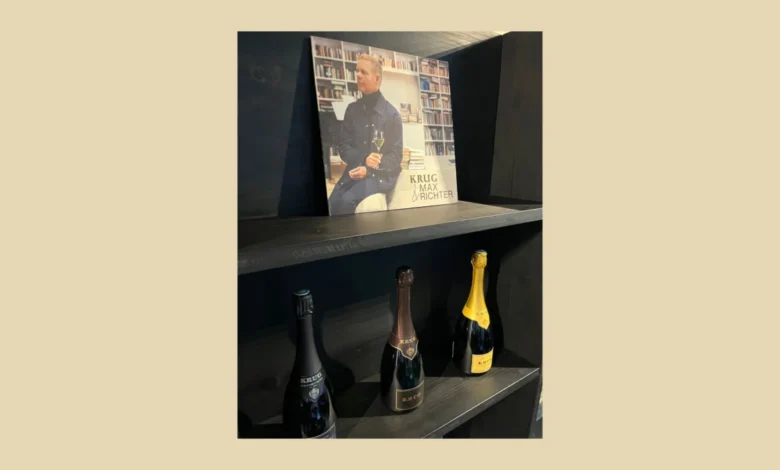
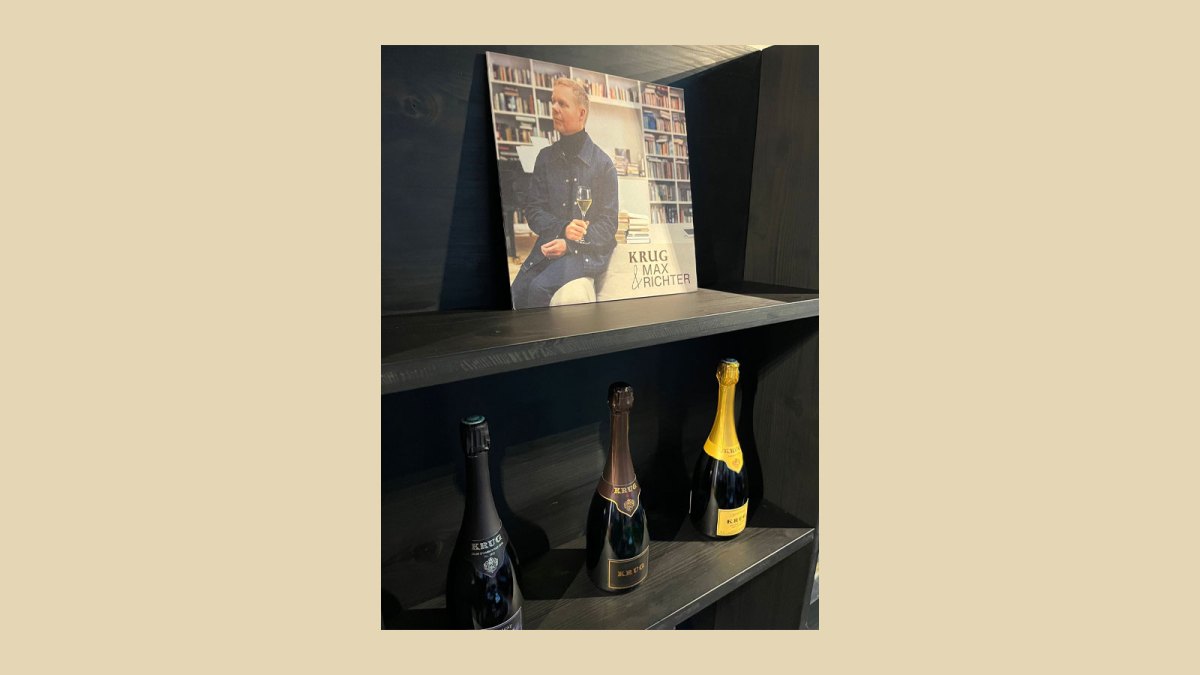
On June 22, the Reethaus in Berlin served as the backdrop for a sophisticated intersection of viticulture and contemporary composition, as Maison Krug hosted an exclusive event to debut its latest sensory experience. The gathering, which brought together a curated demographic of lifestyle influencers, luxury sector journalists, and cultural commentators, focused on the interplay between the house’s prestigious champagnes and the minimalist soundscapes of composer Max Richter. Held at the Reethaus, a venue marketed as a "space for radical presence" located on the banks of the River Spree, the event highlighted a three-part tasting flight categorized as Krug A "Clarity," Krug B "Ensemble," and Krug C "Sinfonia." This collaboration represents the latest iteration of the "Krug Echoes" program, an initiative designed to explore the relationship between auditory stimuli and the perception of taste.
The Architecture of Sound and Taste at the Reethaus
The choice of the Reethaus as a venue was central to the event’s thematic focus on immersion. Situated within the industrial-chic landscape of Berlin’s riverfront, the Reethaus is noted for its avant-garde architectural design, featuring a specialized acoustic environment intended to facilitate deep listening and mindfulness. For Maison Krug, a brand owned by the LVMH (Moët Hennessy Louis Vuitton) luxury conglomerate, the venue provided the necessary "blank canvas" to execute a highly controlled sensory experiment.
The attendees were led through a structured tasting where the music of Max Richter—a figure widely regarded as a pioneer in the "post-classical" or "neoclassical" genre—was synchronized with the pouring of three distinct cuvées. Richter’s work, characterized by its repetitive structures and emotive string arrangements, was selected to mirror the structural complexity of Krug’s blending process. The event aimed to demonstrate how the "architecture" of a musical composition can influence the taster’s appreciation of the "architecture" of a wine.
The Krug Echoes Program and the Science of Crossmodal Perception
The collaboration with Max Richter is not an isolated marketing effort but a continuation of the "Krug Echoes" project. For several years, Maison Krug has collaborated with musicians and researchers to investigate "crossmodal perception"—the scientific study of how different senses interact with one another. According to research cited by the house, including studies conducted by Professor Charles Spence at the University of Oxford’s Crossmodal Research Laboratory, sound can significantly alter the way an individual perceives the acidity, sweetness, and complexity of a wine.
In this context, the three musical movements provided by Richter were designed to highlight specific attributes of the champagne:

- Krug A "Clarity": Focused on the precision and "brightness" of the initial notes, likely corresponding to the sharp acidity and citrus profiles of the Chardonnay grapes.
- Krug B "Ensemble": Aimed at reflecting the harmony of the blend, emphasizing the "Grand Cuvée" philosophy where multiple vintages and grape varieties (Pinot Noir, Meunier, and Chardonnay) are integrated into a cohesive whole.
- Krug C "Sinfonia": Intended to evoke the depth and long-term aging potential of the champagne, utilizing Richter’s more resonant and layered orchestral textures to match the brioche and nutty undertones typical of aged Krug.
Max Richter’s Role in Modern Luxury Branding
The selection of Max Richter as the musical lead for the Berlin event underscores a broader trend in luxury branding where traditional high-culture markers are replaced by contemporary, "lifestyle-oriented" artistic figures. Richter, known for high-profile projects such as his eight-hour lullaby Sleep and his "recomposition" of Vivaldi’s Four Seasons, commands a significant following among younger, affluent demographics who value wellness, mindfulness, and experiential luxury.
Richter’s music provides a bridge between the historical prestige of classical music and the modern demand for atmospheric, accessible art. By aligning with Richter, Maison Krug positions itself not merely as a producer of a beverage, but as a curator of a holistic lifestyle experience. This strategy is particularly effective in Berlin, a city that serves as a global hub for both electronic music and experimental arts, making it a primary market for LVMH’s efforts to modernize the image of champagne.
The Evolution of the Champagne Market and Demographic Shifts
The June 22 event also signaled a shift in the target audience for prestige champagne. The presence of "tanned and tattooed influencer types" alongside traditional journalists reflects a calculated move by Maison Krug to engage with the "new luxury" consumer. Data from the Comité Champagne and various luxury market analysts indicate that while total champagne shipment volumes have seen fluctuations due to global economic pressures, the "prestige cuvée" segment—where Krug operates—remains resilient.
To maintain growth in this segment, brands are increasingly moving away from traditional "tasting notes" and technical viticultural jargon, which can be perceived as exclusionary. Instead, they are focusing on "storytelling" and "emotional resonance." The use of influencers ensures that the event’s aesthetic—the sleek lines of the Reethaus, the golden hue of the champagne, and the celebrity presence of Richter—is disseminated across social media platforms, reaching a global audience far beyond the physical confines of the Spree-side venue.
Historical Context: Joseph Krug’s Vision and the Blend
The "Sinfonia" and "Ensemble" themes of the tasting are rooted in the history of the house itself. Founded in 1843 by Joseph Krug, the maison was established on the unconventional idea that champagne should be a consistent expression of pleasure every year, regardless of the annual climate variations. This led to the creation of the "Grand Cuvée," a blend of over 120 different wines from ten or more different years.
This "assemblage" is frequently compared to an orchestra, where the Chef de Caves (currently Julie Cavil) acts as a conductor, ensuring that each individual "instrument" (or base wine) contributes to a harmonious final performance. The Berlin event served as a literal interpretation of this metaphor, allowing guests to hear the "music" of the wine as they consumed it.
Market Implications and Regional Significance
Germany remains one of the top five export markets for Champagne, with a consumer base that increasingly favors high-end, artisanal, or "boutique" prestige houses over mass-market labels. Berlin’s role as a cultural capital makes it an essential site for LVMH’s promotional activities. By hosting the event at the Reethaus, Krug tapped into the city’s reputation for "radical" artistic expression, attempting to imbue the act of drinking champagne with a sense of intellectual and spiritual depth.
Furthermore, the integration of technology and sound design in the tasting process reflects a broader trend in the hospitality industry. "Immersive dining" and "sensory rooms" are becoming standard offerings in luxury hotels and high-end restaurants in cities like Tokyo, London, and New York. Krug’s initiative in Berlin is a benchmark for how heritage brands can adapt to these trends without sacrificing their historical identity.
Conclusion: The Future of Experiential Viticulture
As the event concluded on the banks of the Spree, the implications for the luxury wine industry were clear. The success of the "Krug x Max Richter" collaboration suggests that the future of champagne marketing lies in the creation of multisensory environments that transcend the product itself. By leveraging the psychological effects of music and the architectural influence of space, Maison Krug is attempting to redefine the tasting experience for a 21st-century audience.
The "Clarity," "Ensemble," and "Sinfonia" framework provides a template for how brands can categorize their products through the lens of art and emotion rather than just price point or vintage year. While the "tanned and tattooed" influencers may provide the immediate social media reach, the underlying strategy is a sophisticated application of crossmodal science and cultural curation. As luxury consumers continue to prioritize "presence" and "experience" over mere ownership, such collaborations are likely to become the standard for the industry’s elite tier. For Maison Krug, the music of Max Richter was not just an accompaniment to the wine; it was an essential component of the wine’s identity in that specific, radical moment in Berlin.