The Bayreuth Festival and the Crisis of Artistic Integrity in the Age of Artificial Intelligence


The Bayreuth Festival, long regarded as the spiritual epicenter of the operatic world, has recently found itself at the heart of an escalating debate concerning the intersection of technology and classical tradition. Following the integration of artificial intelligence in the staging of Richard Wagner’s monumental four-opera cycle, Der Ring des Nibelungen, critics and traditionalists alike have raised urgent questions regarding the future of the festival’s artistic mandate. This shift, which signals a departure from the human-centric craft that has defined the Green Hill since its inception in 1876, represents a pivotal moment for the legacy of German Romanticism.
A Chronology of the Bayreuth Controversy
The Bayreuth Festival was established by Richard Wagner specifically to provide a dedicated space for the performance of his works, free from the constraints of traditional 19th-century theater houses. For over 148 years, the festival has navigated the tension between preserving Wagner’s original intent and the necessity of modern reinterpretation.
The current controversy began in mid-2026, when festival directors announced an experimental collaboration with generative AI models to handle aspects of stage design, lighting, and, in some segments, atmospheric composition. The decision was framed by the administration as an effort to reach younger audiences and explore new frontiers of stagecraft. However, the production of the Ring cycle—a work comprising Das Rheingold, Die Walküre, Siegfried, and Götterdämmerung—was met with immediate skepticism.
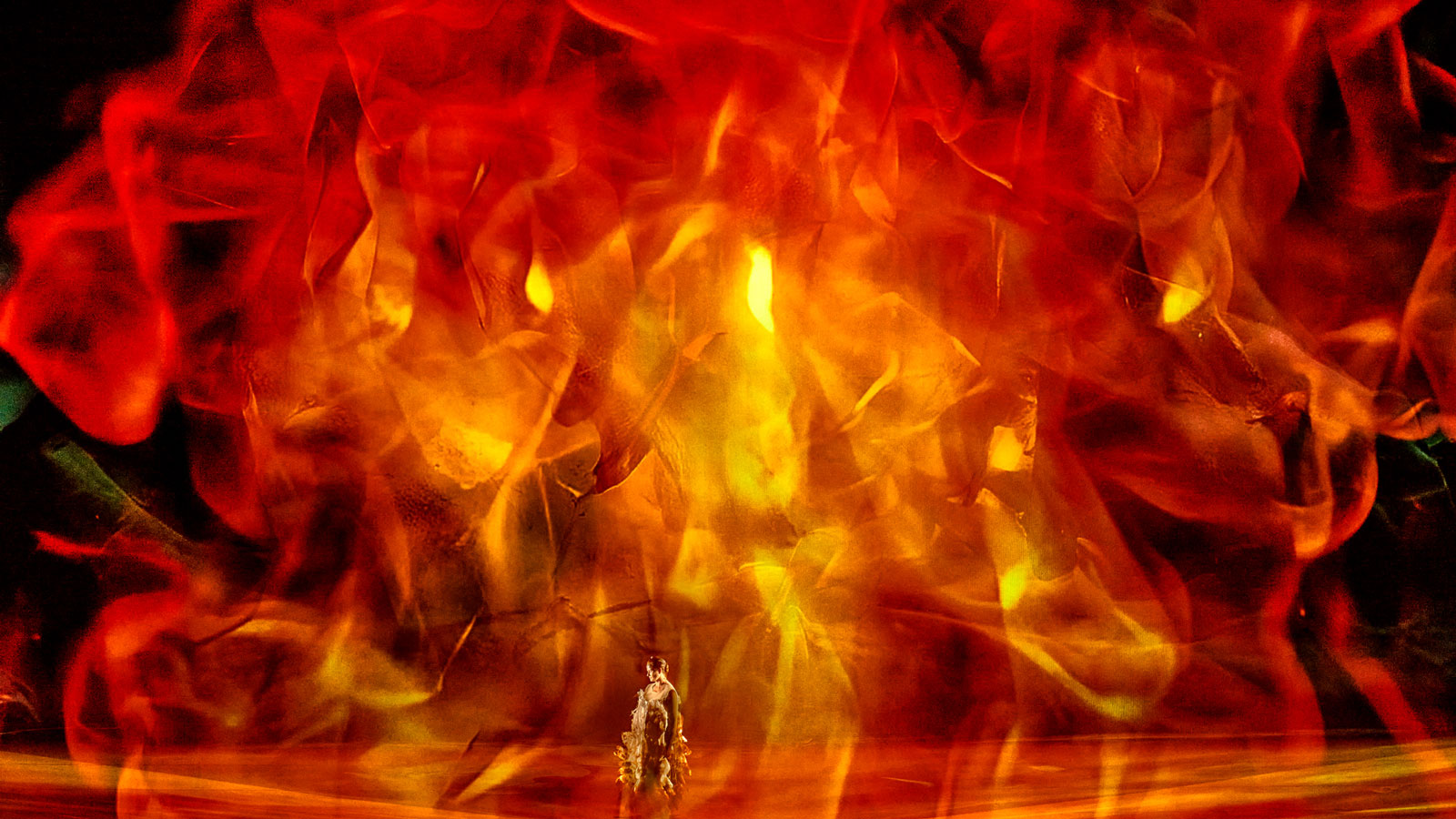
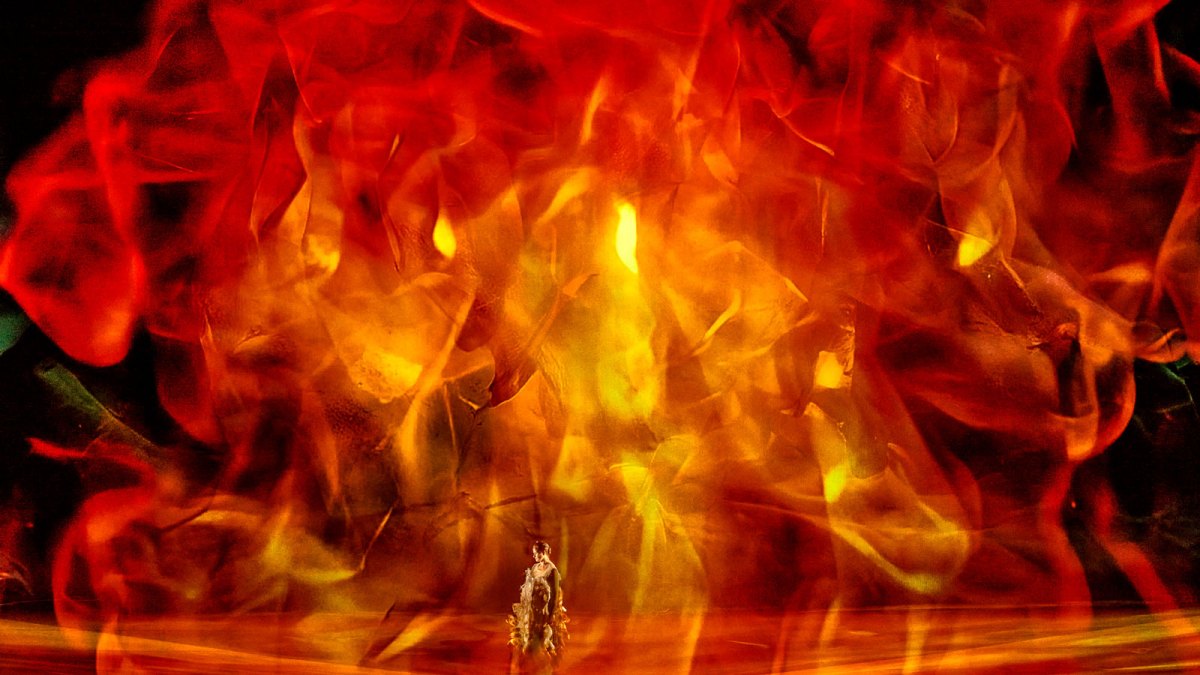
By August 2026, when the curtain rose on the new iteration of the cycle, the implementation of AI-generated motifs had become the primary subject of critical discourse. Observers noted that while the technical precision of the AI-driven lighting and projection systems was flawless, the emotional resonance—a hallmark of the Wagnerian experience—appeared to be diluted, sparking a broader conversation about the role of the human spirit in high art.
Supporting Data and Artistic Precedents
To understand the magnitude of this shift, one must examine the scale of the Bayreuth operation. The Festspielhaus is a venue of unique acoustic properties, seating approximately 1,974 audience members. Historically, the festival has operated with a budget heavily subsidized by both private donors and the German federal government, reflecting its status as a pillar of national cultural heritage.
Data from the 2025 festival season indicated that ticket demand remains at an all-time high, with a waiting list that can stretch over a decade. However, the demographic of the attendees is aging. Marketing reports commissioned by the festival indicated a 15% decline in interest among the 18-35 age bracket compared to the 2010-2015 period. The move toward AI was, in part, an attempt to bridge this generational gap.
However, the cost of implementing these new systems is significant. Estimates suggest that the festival’s investment in proprietary generative software and the requisite high-performance computing infrastructure reached into the millions of euros. For a non-profit cultural institution, this allocation of resources has drawn scrutiny, particularly when contrasted with the budgetary constraints faced by regional German orchestras and independent theater troupes.
Official Responses and Internal Discord
The Wagner family, who continue to exert significant influence over the festival’s direction, has remained largely defensive of the technological pivot. In a brief statement issued shortly after the premiere, the festival board emphasized that “the integration of digital tools is merely an extension of Wagner’s own desire for a ‘Gesamtkunstwerk,’ or total work of art.” They argued that if Wagner were alive today, he would likely be at the forefront of utilizing any available technology to enhance the immersive nature of his dramas.
Conversely, performers and behind-the-scenes staff have expressed a more nuanced viewpoint. Several lead singers, speaking on the condition of anonymity, noted that the rigidity of AI-timed lighting cues leaves little room for the subtle, spontaneous shifts in tempo that characterize live, human-conducted opera. “Wagner’s music is organic,” one performer stated. “It breathes with the singer. When the visual environment is locked to a non-responsive algorithm, the performance becomes a battle against the architecture rather than a collaboration with it.”
The Ethical Implications of AI in Classical Performance
The core of the debate concerns whether an algorithmic approach can truly grasp the metaphysical depth of the Ring cycle. The cycle deals with themes of power, greed, love, and the inevitable collapse of a corrupt order—themes that require a profound understanding of human frailty. Critics argue that AI, by its very nature, is a predictive model based on existing data, incapable of the creative intuition or moral reflection that a human director brings to the table.
Furthermore, there is the question of provenance. If the visual language of the Ring is determined by an AI trained on the vast corpus of previous Wagnerian stagings, does it risk homogenizing the festival’s output? By recycling past aesthetics through a digital filter, the festival may inadvertently be suppressing the very innovation it claims to be pursuing. The danger, according to cultural theorists, is that the Bayreuth Festival could transition from a site of living artistic evolution to a digital museum of its own past.
Broader Impact on the Cultural Landscape
The implications of the Bayreuth experiment extend far beyond the borders of Bavaria. As one of the world’s most prestigious cultural institutions, Bayreuth often sets the tone for global opera production. If the festival establishes AI-generated production as a standard, other major houses—such as the Metropolitan Opera in New York or the Royal Opera House in London—may feel compelled to follow suit to maintain their competitive edge in a digital-first market.
This creates a paradox: in attempting to modernize, these institutions may inadvertently alienate their core audience, who attend live opera specifically for the irreplaceable experience of human-to-human connection. The "Ring" cycle is not merely a collection of notes and stage directions; it is an endurance test for the spirit, demanding a degree of vulnerability that a machine cannot simulate.
Looking Toward the Future
As the 2026 season concludes, the festival board has promised a comprehensive review of the audience feedback and critical reception. There is a palpable pressure to recalibrate. The path forward likely involves a hybrid approach—one where technology is used as a tool to support, rather than dictate, the artistic vision.
The challenge for Bayreuth is to prove that its commitment to the "Ring" is a commitment to the art form itself, not merely the brand. If the festival is to survive the next century, it must demonstrate that it understands the distinction between innovation and replacement. The history of the Green Hill is a history of resistance to the status quo, but it is also a history of deep, uncompromising humanity. Whether the festival chooses to lean into the cold precision of the algorithm or return to the messy, inspired, and deeply human roots of Wagner’s vision will determine whether Bayreuth remains the center of the musical world or becomes a cautionary tale of technological hubris.
The upcoming months will be critical, as the administration begins planning for the 2027 season. Whether the current AI-integrated staging is refined or abandoned remains to be seen, but the conversation ignited by this year’s performances has already changed the trajectory of the festival. The audience, the performers, and the critics are waiting to see if the spirit of Richard Wagner can endure the digital age, or if the "Ring" has finally been lost to the very machines that were meant to preserve it.