The Church of England’s liturgical identity has long been defined by its foundational texts, which have served as both theological anchors and catalysts for social debate. From the linguistic grandeur of the 1611 King James Bible to the standardized rubrics of the Book of Common Prayer, these documents established the Anglican aesthetic. Among these, the English Hymnal occupies a unique position as a revolutionary musical and liturgical artifact. Its release in 1906 marked a definitive shift in church practice, moving away from the Victorian-era dominance of the "Hymns Ancient and Modern" collection and toward a more rigorous, historically informed musical standard.
The publication of this hymnal was not merely an editorial endeavor; it was an act of ecclesiastical defiance. The collection was initially met with resistance from the Archbishop of Canterbury, who viewed its departure from established traditions as a potential threat to the stability of parish worship. Despite this, the work of clerical reformer Percy Dearmer and the legendary composer Ralph Vaughan Williams fundamentally altered the soundscape of Anglican life. The subsequent 1986 revision, known as the New English Hymnal, solidified this legacy by preserving the core of the original work while incorporating a century of evolution in hymnody.
Historical Evolution and Liturgical Impact
The journey of the English Hymnal began at the turn of the 20th century, a period marked by a broader movement toward liturgical reform within the Church of England. Percy Dearmer, an Anglo-Catholic clergyman, sought to purge the church of what he perceived as the sentimental, musically thin hymns that had become ubiquitous during the Victorian era. He envisioned a collection that prioritized theological depth and musical integrity, drawing upon plainsong, folk melodies, and the works of pre-Reformation composers.
To achieve this, Dearmer enlisted Ralph Vaughan Williams, who served as the musical editor. Vaughan Williams, then a rising talent in the British classical scene, brought a meticulous ear to the project. He famously integrated English folk song traditions into the hymnal, believing that these melodies possessed an innate, rustic spirituality that resonated with the common worshiper.
The chronology of this development is significant:
- 1906: The first edition of the English Hymnal is published, sparking immediate controversy and ecclesiastical debate.
- 1933: A revised edition is released, incorporating further refinements and corrections.
- 1986: The New English Hymnal is published, acting as the definitive successor. It retained approximately two-thirds of the 1906 content while adding 100 new entries to reflect contemporary liturgical needs.
Quantitative Analysis of the Hymnological Canon
The New English Hymnal comprises 606 entries, a vast repository that spans several centuries of Christian musical tradition. The task of analyzing this corpus—which involves evaluating everything from 4th-century Latin chants to 20th-century compositions—reveals the complexities of maintaining a living tradition.
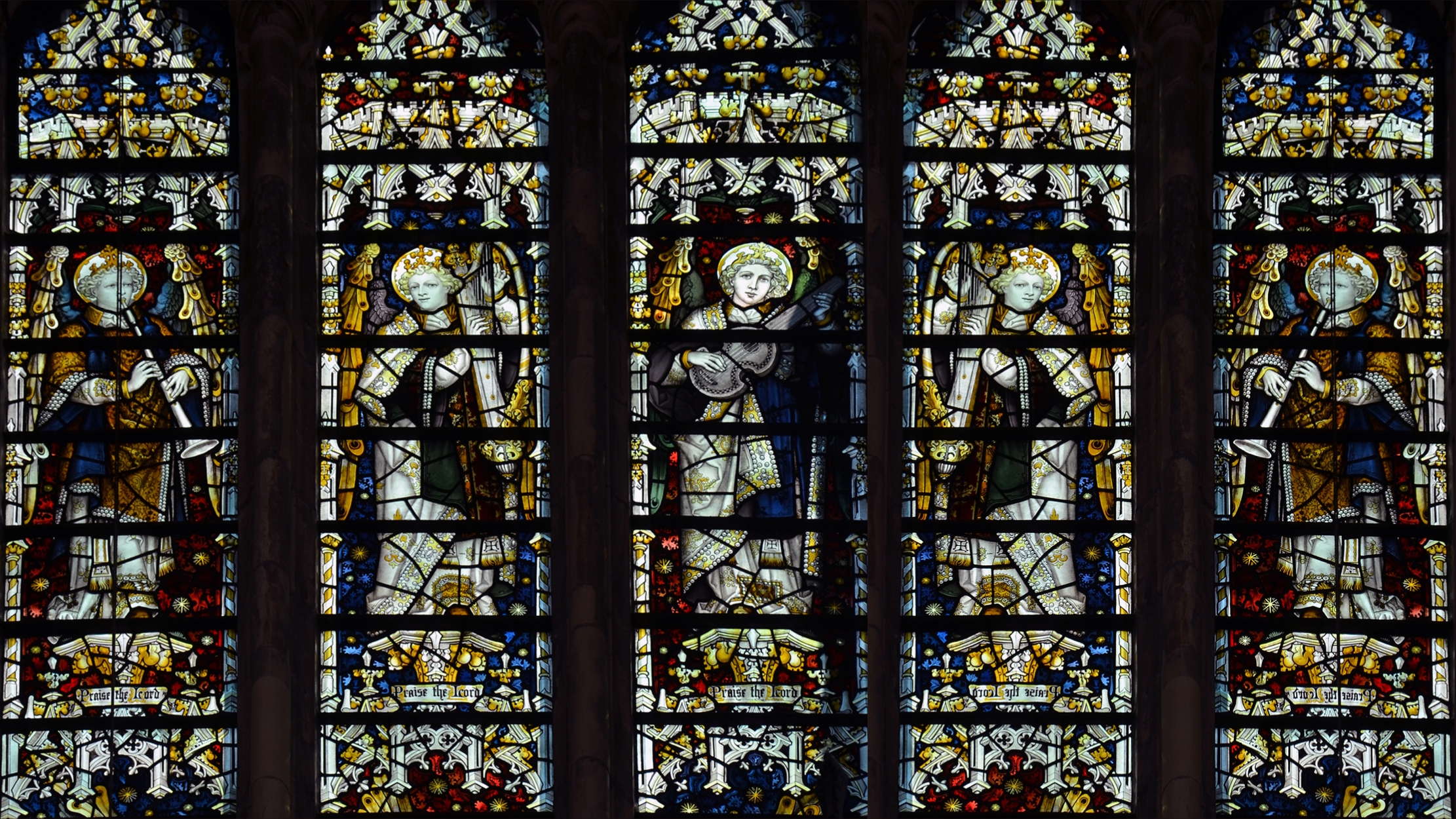
A critical assessment of these 606 hymns requires an understanding of their functional role in the liturgy. Hymns are not merely musical compositions; they are pedagogical tools, vehicles for prayer, and markers of the liturgical year. The "New English Hymnal" categorizes its entries by liturgical season, sacramental occasion, and theological theme.
Data regarding the usage of these hymns shows a high concentration of popularity around a core set of approximately 50 staples, such as "All People That on Earth Do Dwell" and "For All the Saints," the latter being closely associated with Vaughan Williams’s own composition, Sine Nomine. Conversely, a significant portion of the hymnal consists of lesser-known works that serve highly specific, often obscure, liturgical functions.
The Contemporary Perspective on Liturgical Standardization
The ongoing debate surrounding the New English Hymnal often centers on the tension between historical preservation and accessibility. For church musicians, the challenge lies in balancing the "canon" of established, beloved hymns with the need to introduce new material that reflects modern theological sensibilities.
Church organists and directors of music occupy a central role in this process. As primary custodians of the parish’s musical life, they are responsible for selecting the repertory that shapes the congregation’s worship experience. This role often involves navigating conflicting pressures: the desire of the congregation for familiar music and the director’s desire to maintain the high standards established by the English Hymnal tradition.
Critics of the current state of hymnody argue that the over-reliance on a small subset of the 606 available entries has led to a stagnation of the musical repertoire. By ignoring the broader breadth of the hymnal, parishes may be inadvertently losing access to a wealth of historical and theological perspectives.
Implications for Future Worship
The legacy of the 1906 and 1986 editions remains a subject of study for both theologians and musicologists. The impact of these volumes extends beyond the borders of the Church of England, influencing hymnals in other denominations and across the Anglican Communion globally.
The broader implications of this liturgical history include:
- Cultural Preservation: The hymnal serves as an archive of melody and text that would otherwise have been lost to secularization.
- Liturgical Cohesion: By providing a standard text, the hymnal fosters a sense of unity across disparate parishes.
- Theological Education: Hymns serve as a primary source of theological instruction for the laity, often having more influence on personal belief than sermons.
As the church looks toward the future, the question remains whether a new, comprehensive revision will be necessary. The evolution of language, the emergence of new musical styles, and the changing demographics of the Church of England necessitate a constant re-evaluation of what constitutes an effective hymn.
Expert Reaction and Liturgical Oversight
Within the academic circles of church music, the consensus is that the English Hymnal tradition set a benchmark for excellence that remains difficult to surpass. However, some suggest that the "canon" must be fluid to remain relevant. Reactions from contemporary composers and clergy often highlight the necessity of "liturgical hospitality"—the idea that worship must be accessible to newcomers while honoring the traditions that sustain the long-term members.
The administrative oversight of these musical traditions rests with various liturgical committees within the Church of England. Their mandate is to ensure that any changes to the hymnal align with the broader theological goals of the Church. This creates a rigorous peer-review process that, while slow-moving, ensures that any new additions to the established repertoire are vetted for both musical and doctrinal quality.
Conclusion: A Living Legacy
The English Hymnal is more than a book on a pew; it is a cultural and religious monument. Whether one views the 606 entries as a definitive collection or a starting point for further innovation, the influence of Dearmer and Vaughan Williams is undeniable. By transforming the way hymns were selected, edited, and performed, they ensured that the Anglican tradition remained rooted in historical depth while being responsive to the aesthetic needs of the modern age.
For the contemporary reader or musician, the hymnal represents a bridge between the past and the present. It invites a critical engagement with the texts and melodies that have defined the faith for over a century. As parishes continue to utilize these volumes in their weekly services, the legacy of the 1906 editorial team remains a living, breathing force in the life of the church, prompting ongoing reflection on what it means to sing the faith.