Is Mogul Music Royalty Accounting and Auditing Platform Worth It? (My Full Review) – Ari’s Take

The contemporary music industry presents creators with an unprecedented paradox: while digital democratization has made distributing recorded material easier than at any point in history, capturing the full financial value of that consumption remains a notoriously complex and fractured endeavor. Independent musicians, artist managers, and self-published songwriters routinely find themselves entangled in a web of collection societies, digital service providers (DSPs), performing rights organizations (PROs), and mechanical licensing entities. Despite meticulous registration protocols, unclaimed royalties persistently plague catalogs of all sizes. This persistent leakage of revenue has catalyzed the development of automated auditing and collection technologies, chief among them the newly prominent platform Mogul, aiming to bridge the multi-million-dollar gap between music consumption and creator compensation.
The Structural Architecture of Royalty Leakage
To understand the systemic friction within music monetization, one must examine the decentralized nature of global royalty flows. When an independent track streams on a major DSP, revenue does not travel in a singular, straight line from the platform to the creator’s bank account. Instead, master recording royalties flow through digital distributors to labels or primary rightsholders, while composition and publishing royalties traverse a labyrinthine network of PROs—such as ASCAP, BMI, and SESAC—alongside mechanical collection hubs like the Mechanical Licensing Collective (MLC) in the United States, CMRRA in Canada, and a patchwork of collective management organizations (CMOs) internationally.
Furthermore, neighboring rights organizations handle public performance royalties for sound recordings outside the United States, and publishing administrators manage global synchronization and mechanical licensing yields. Industry veterans frequently note that even when artists and managers execute registrations with absolute precision, systemic discrepancies, metadata mismatches, and delayed data processing routinely result in funds falling through the cracks. For emerging acts, a shortfall of several hundred dollars can represent a critical margin; for established legacy catalogs, mismanaged or uncollected revenue can easily scale into tens of thousands of dollars.
Historically, tracking down these missing funds required exhaustive manual audits, legal intervention, or the retention of specialized business managers whose fees—typically scaling past $1,000 monthly or taking a five percent gross revenue cut—remain financially prohibitive for the vast majority of independent creators. Consequently, a significant percentage of global streaming revenue quietly reverts to unclaimed pools or remains indefinitely locked within administrative pipelines.
The Evolution and Mechanics of Automated Audit Platforms
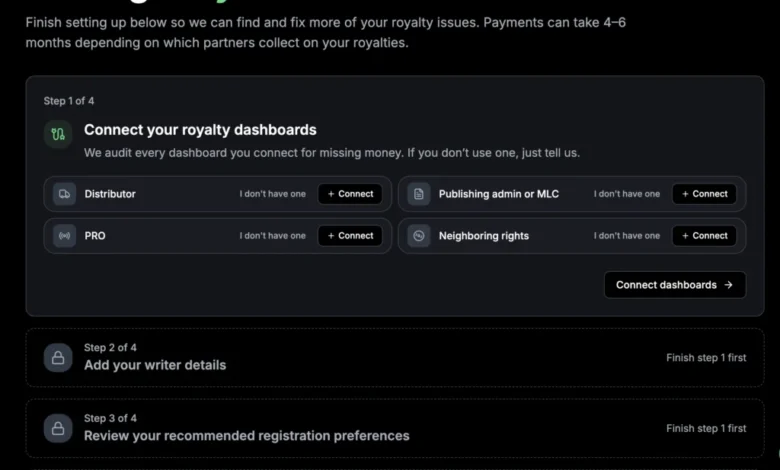
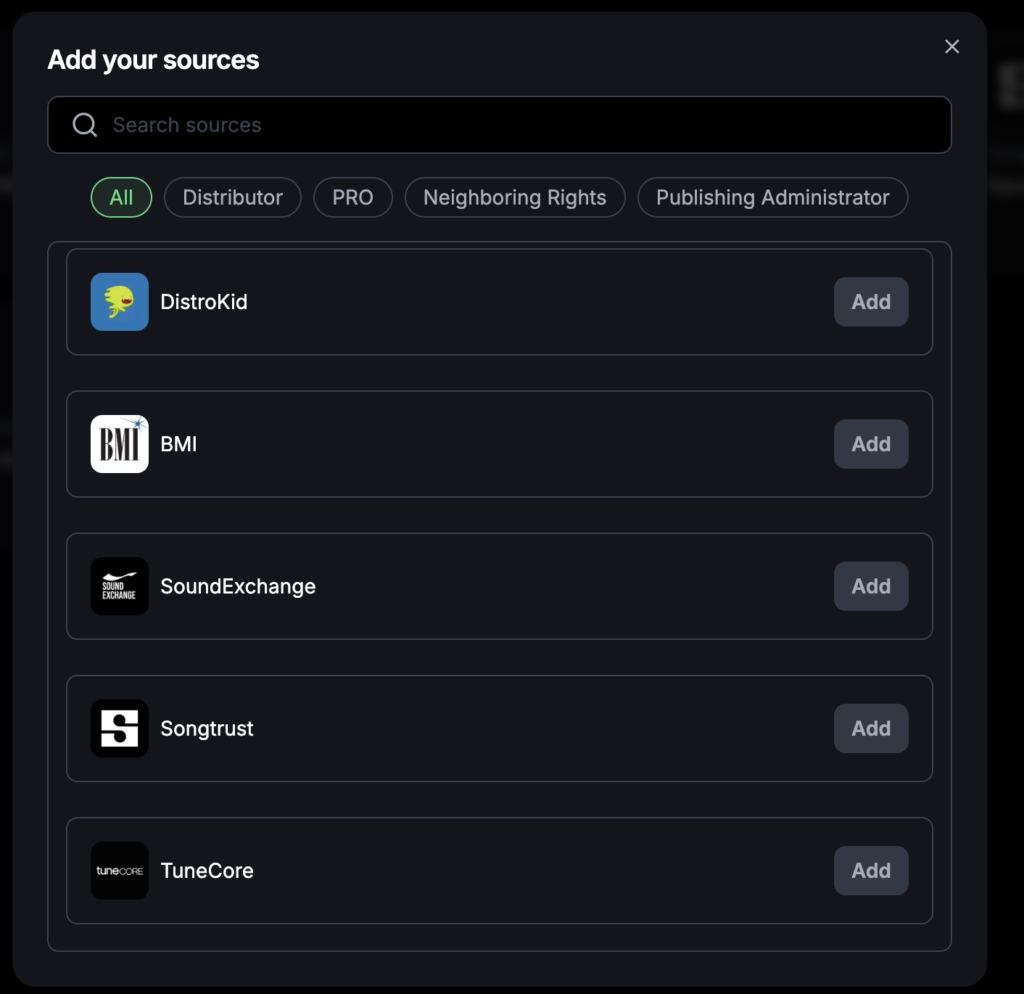
In response to widespread systemic inefficiencies, technology-driven administration tools have emerged to streamline recovery processes. Founded by industry veteran Jeff Ponchick—formerly of Repost Network, a distribution service acquired by SoundCloud—Mogul entered the market as an integrated financial infrastructure designed to audit, sync, and recover lost music revenue. The platform operates on a centralized connectivity model: users onboard their artist profiles, link existing distribution accounts, PRO affiliations, and publishing administrators, and allow the system’s proprietary diagnostic algorithms to scan the catalog for discrepancies.
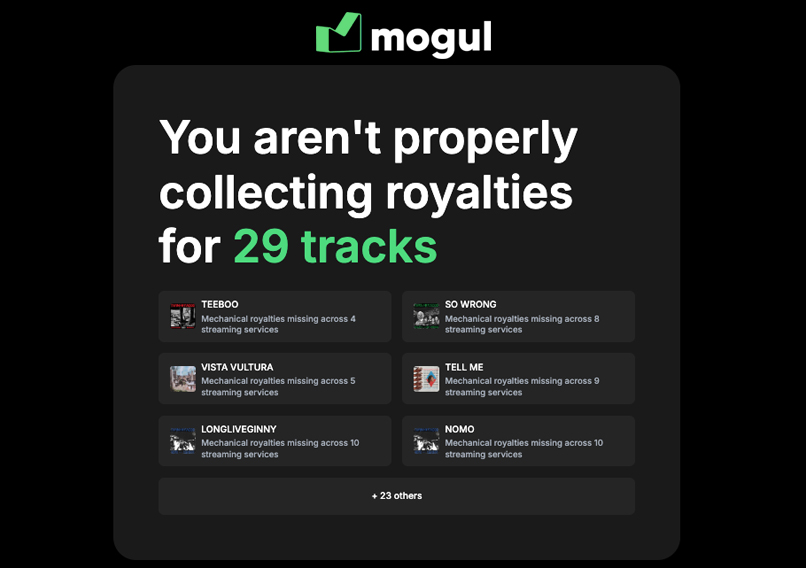
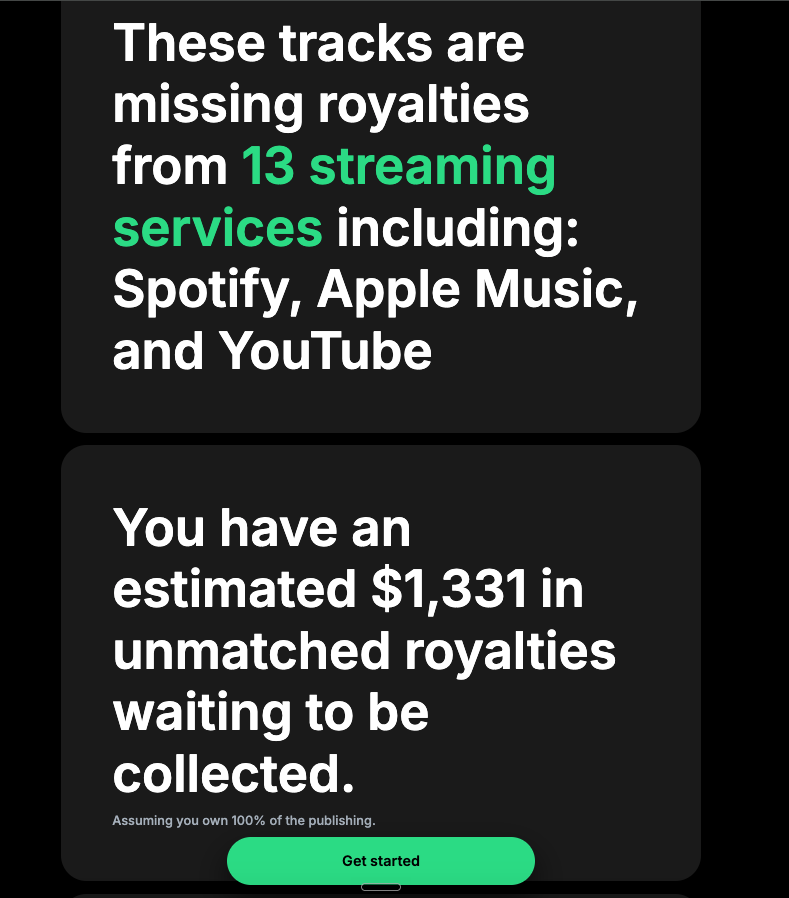
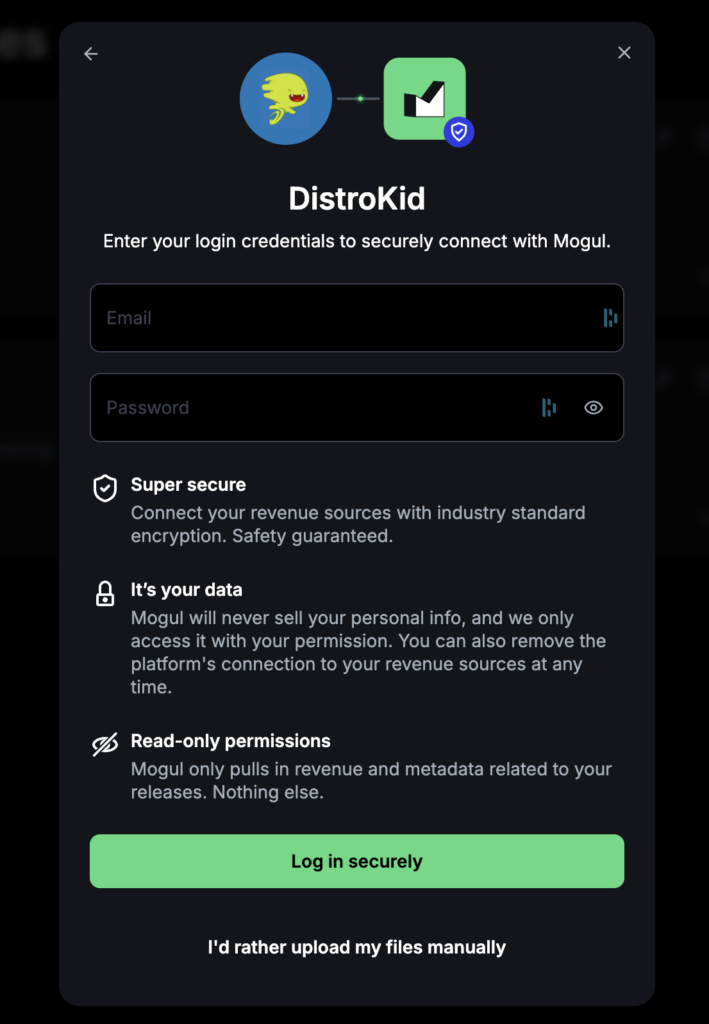
Upon completing a catalog audit, the platform generates a comprehensive financial breakdown highlighting estimated uncollected revenue. Rather than forcing creators to independently navigate each individual collection society to correct metadata errors or claim withheld balances, Mogul implements automated synchronization tools and direct administrative pathways. Through its interface, users can log into integrated labels, distributors, and collection societies, allowing the software to reconcile data backlogs and initiate recovery requests via centralized command prompts. For datasets lacking direct API integration, manual upload protocols remain available to ensure comprehensive catalog coverage.
Evaluation of Publishing Administration and Distribution Offerings
Mogul’s service architecture is divided into distinct operational verticals, primarily focusing on publishing administration and digital distribution. In the publishing sector, the platform operates as a global administrative partner, collecting worldwide publishing royalties without taking a percentage-based commission. For domestic collections in the United States and Canada, the platform interfaces directly with organizations including ASCAP, BMI, SESAC, the MLC, MRI, HFA, CMRRA, and SOCAN. For international territories, it partners with specialized global licensing networks such as Mint Digital Services to secure foreign yields, with underlying administrative partners typically retaining a sub-ten-percent commission on collected international funds.
Conversely, the platform’s digital distribution tier presents a more nuanced utility profile within the broader music technology landscape. While it offers direct delivery to major streaming ecosystems like Spotify and Apple Music—often featuring zero-commission tiers—industry analysts and artist managers have noted critical feature gaps. Established competitors frequently provide advanced promotional and logistical tools, such as automated royalty splitting for collaborators, localized lyrics distribution, Spotify Discovery Mode integrations, and TikTok sound timestamping. The absence of these robust operational features currently limits the platform’s viability as a primary distributor for working professionals, positioning it primarily as a supplemental accounting and recovery utility rather than an all-encompassing distribution hub.

Furthermore, industry observers have raised sustainability questions regarding zero-commission and free-tier distribution models. Historically, platforms offering unmonetized or purely free distribution eventually encounter severe operational strain caused by fraudulent uploads, automated spam networks, and AI-generated audio floods that overwhelm customer support infrastructure and data ingestion pipelines. As major distributors continually refine their security and filtering mechanisms, emerging services face mounting pressure to balance accessibility with rigorous catalog authentication.
Pricing Tiers, Concierge Services, and Catalog Valuation
To accommodate varying scales of professional music operations, the platform utilizes a tiered subscription model alongside specialized recovery services. Standard accounts are structured around a per-artist monthly or annual fee structure, granting access to core audit, synchronization, and collection utilities. For larger enterprises, labels, or creators managing extensive, historical catalogs with complex legacy accounting issues, higher-tier concierge options provide advanced valuation services, deep royalty recovery audits, and personalized transaction advisory support.

Catalog valuation has become an increasingly vital financial instrument within the modern music economy, driven by institutional investment firms, private equity funds, and venture capital syndicates aggressively acquiring publishing and master rights. Accurate valuation metrics enable creators to assess the true market worth of their intellectual property prior to entering negotiations for major label advances, catalog sales, or synchronization licensing agreements. By democratizing access to institutional-grade valuation analytics, independent creators gain enhanced leverage during corporate negotiations, shifting the traditional power dynamic between artists and legacy corporate stakeholders.
Implications for Artist Management and the Independent Sector
The proliferation of automated royalty recovery software reflects a broader structural evolution in how independent music businesses operate. Artist managers, who frequently oversee diverse rosters ranging from high-earning legacy acts to emerging artists with modest streaming footprints, require scalable technological solutions to justify administrative overhead. While current software pricing models are optimized for individual artist accounts rather than multi-client management workflows, the underlying shift toward centralized financial transparency addresses a long-standing vulnerability in the independent sector.
As artificial intelligence-generated media, systemic streaming fraud, and complex metadata standards continue to flood the global digital marketplace, the ability to accurately audit and verify revenue streams becomes an essential survival skill for independent creators. Platforms that successfully bridge the gap between fragmented collection societies and intuitive software interfaces are poised to redefine financial administration in the music business. Whether through comprehensive publishing administration or targeted revenue recovery audits, the industry’s ongoing transition toward transparent, tech-enabled asset management signifies a significant step forward in ensuring that creators receive equitable compensation for their artistic output.