Sony Music Publishing faces federal copyright infringement lawsuit over unauthorized use of Stevie Wonder photography

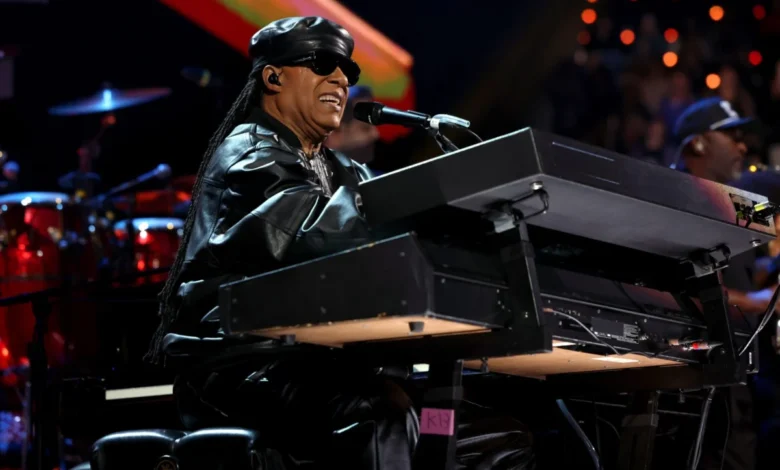
The legal landscape surrounding intellectual property in the music industry has shifted once again as Sony Music Publishing (SMP) finds itself at the center of a federal copyright infringement lawsuit. Filed on Sunday, November 8, in the United States District Court, the complaint alleges that the music publishing giant utilized an "iconic" photograph of legendary musician Stevie Wonder without obtaining the necessary licensing or providing compensation to the creator, photographer Alan Satterwhite.
The dispute centers on a photograph captured by Satterwhite in 1974, which depicts Wonder seated at a piano during a pivotal era of his career. The image, which Satterwhite asserts is a highly valuable piece of his professional portfolio, was allegedly featured in an Instagram carousel posted by Sony Music Publishing in 2023. The post was intended to commemorate the 50th anniversary of Wonder’s landmark 1973 album, Innervisions, a record that remains a cornerstone of American soul and funk music.
The Core Allegations and Legal Arguments
In the formal complaint, Satterwhite’s legal team contends that SMP failed to secure a licensing agreement before broadcasting the image to its wide-reaching social media audience. The photographer argues that the unauthorized use of his work constitutes a direct violation of his exclusive rights under the Copyright Act.
The lawsuit emphasizes that the commercial nature of the publisher’s social media presence—often used to promote legacy catalogs and drive engagement—diminishes the value of the photographer’s intellectual property. By utilizing the photograph without payment, the plaintiff claims that SMP has effectively "robbed" him of his exclusive right to license the work for illustrative, editorial, or commercial purposes. Satterwhite is currently seeking the maximum statutory damages allowed under federal law, which totals $150,000, citing the willful nature of the alleged infringement.
Historical Context: The Innervisions Legacy
To understand the weight of this dispute, one must consider the historical significance of the subject matter. Released in August 1973, Innervisions marked a creative peak for Stevie Wonder, serving as the second of his "classic period" albums. It yielded enduring hits such as "Higher Ground" and "Living for the City." The album reached No. 4 on the Billboard 200 chart and maintained a presence on the charts for 89 weeks, cementing its status as a masterpiece of the era.
When institutions like Sony Music Publishing—which manages one of the most expansive catalogs of music copyrights in existence—honor such milestones, they often tap into archives of historical photography to heighten engagement. However, the legal friction arises when the administrative processes for clearing rights to those visual assets fail to keep pace with the digital marketing departments responsible for social media output.
A Pattern of Litigation
Alan Satterwhite is not a novice when it comes to the courtroom. His current action against Sony Music Publishing is merely the latest in a long series of legal challenges he has initiated to protect his photographic archives. Over the past several years, Satterwhite has filed more than a dozen lawsuits against various entities, including major corporations such as Amazon, CBS Radio, and the Berklee College of Music.
His litigation history frequently targets the unauthorized use of his portraits, which include high-profile subjects such as actor and former governor Arnold Schwarzenegger and filmmaker Mel Brooks. By pursuing these cases, Satterwhite has positioned himself as a vocal advocate for the rights of independent photographers in the digital age, where images are often treated as "free assets" by social media managers despite the clear legal protections afforded to visual artists.

Sony Music Publishing and the Copyright Conflict
Sony Music Publishing typically occupies the defendant’s chair in matters involving music composition rather than visual arts. As the world’s largest music publisher, the firm is frequently involved in complex litigation concerning song interpolation, alleged melodic similarities, and royalty disputes.
The timing of this lawsuit is particularly noteworthy, occurring shortly after SMP faced legal scrutiny regarding the composition of music. Just last month, the estate and owners of the Bill Withers catalog filed a lawsuit alleging that the track "I’ve Seen It" by breakthrough artist Olivia Dean—which is published through SMP—mirrored the composition of the classic hit "Just the Two of Us." While the current lawsuit involves photography rather than musical notes, both cases highlight a growing trend: the increased rigor with which copyright holders are policing their assets in a hyper-connected, digital-first economy.
Industry Implications: The Cost of Digital Engagement
The broader implications of this case point to a systemic issue within modern marketing: the "copy-paste" culture of social media. Large corporations often operate with high-velocity content calendars that demand constant updates. When a social media team pulls a photo from an internal database or an online archive without cross-referencing licensing terms, the legal department often ends up paying the price.
For professional photographers, the stakes are existential. As the market for traditional print photography has dwindled, licensing fees for digital use represent a significant portion of an artist’s annual revenue. When major corporations bypass these fees, they undermine the market rate for photography, creating a precedent where high-quality visual content is treated as a commodity that can be appropriated without cost.
Legal experts observing the case note that the "willful infringement" claim will likely be the pivot point of the litigation. If Satterwhite can prove that SMP was aware of the need for a license but proceeded with the post anyway, the likelihood of a high-value settlement or a judgment reaching the requested $150,000 increases significantly. Conversely, SMP may attempt to argue a "fair use" defense, though this is historically difficult to establish in the context of commercial marketing for a music publisher.
Response and Future Outlook
As of the current reporting, a spokesperson for Sony Music Publishing has declined to comment on the pending litigation. This "no comment" stance is standard for the organization during active legal disputes, reflecting a strategy to resolve the matter through the court system or private settlement negotiations rather than public discourse.
The case of Satterwhite v. Sony Music Publishing will likely serve as a bellwether for how music publishers and major entertainment entities manage their digital archives. As the industry continues to lean heavily on legacy content to build brand equity on platforms like Instagram, TikTok, and X (formerly Twitter), the administrative rigor applied to visual rights will need to match the scrutiny applied to audio rights.
For now, the photograph of Stevie Wonder remains a point of contention rather than a celebration of artistic history. As the lawsuit progresses through the discovery phase, the industry will be watching to see whether the court reinforces the sanctity of the photographer’s copyright or if there is room for nuance regarding how historical images are utilized to celebrate the very artists they capture.
Ultimately, this dispute reinforces the reality that in the 21st-century music business, every asset—whether a snippet of a song or a frame of film—carries a legal weight that cannot be ignored. The outcome will undoubtedly influence the future internal policies of major publishers regarding the clearance of third-party imagery, potentially leading to more robust compliance protocols to avoid the growing costs of copyright litigation. Whether through a landmark ruling or an out-of-court resolution, the resolution of this case will likely send a clear message: the era of "borrowed" content is facing a severe and costly reckoning.