The Unauthorized AI Remix Became a Global Hit, How This Label Deal With It

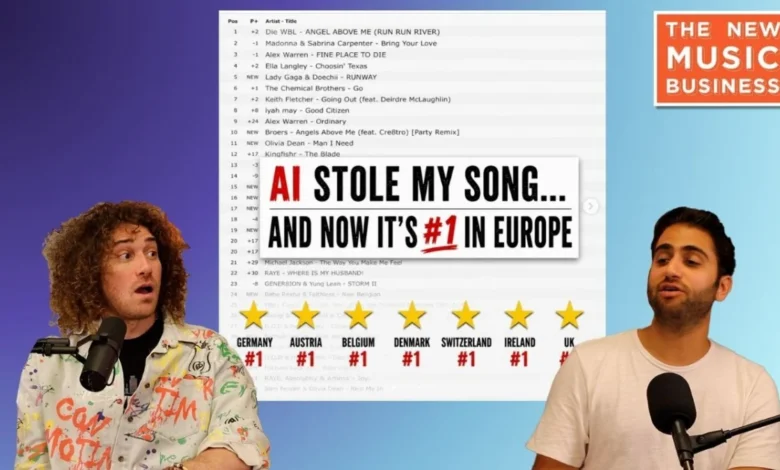
The intersection of artificial intelligence and the modern music industry reached a fascinating and complex crossroads recently, illuminating the chaotic reality independent record labels face in the digital age. Adam Gross, president of Ineffable Records and co-owner of Ineffable Music Group—Billboard’s top independent reggae label for six consecutive years—recently sat down on the New Music Business podcast hosted by Ari Herstand. The discussion centered around a staggering viral phenomenon: an unauthorized, artificial intelligence-generated remix of Stick Figure’s beloved track “Angels Above Me” that unexpectedly captured a massive global audience.
For independent music executives, the event serves as both a cautionary tale and a blueprint for navigating the shifting legal and operational landscapes of modern copyright law. As generative AI tools become increasingly accessible to the public, the traditional boundaries protecting intellectual property are blurring, forcing labels to evolve their strategies on a daily basis.
The Anatomy of a Viral AI Bootleg
The phenomenon began when an anonymous creator utilized generative artificial intelligence to produce a remix of "Angels Above Me," a staple track by the prominent American reggae band Stick Figure. While bootleg remixes have existed as long as recorded music itself, the integration of advanced AI technology allowed the unauthorized track to achieve a polished, commercial-grade sound that resonated instantly with algorithms and listeners alike.
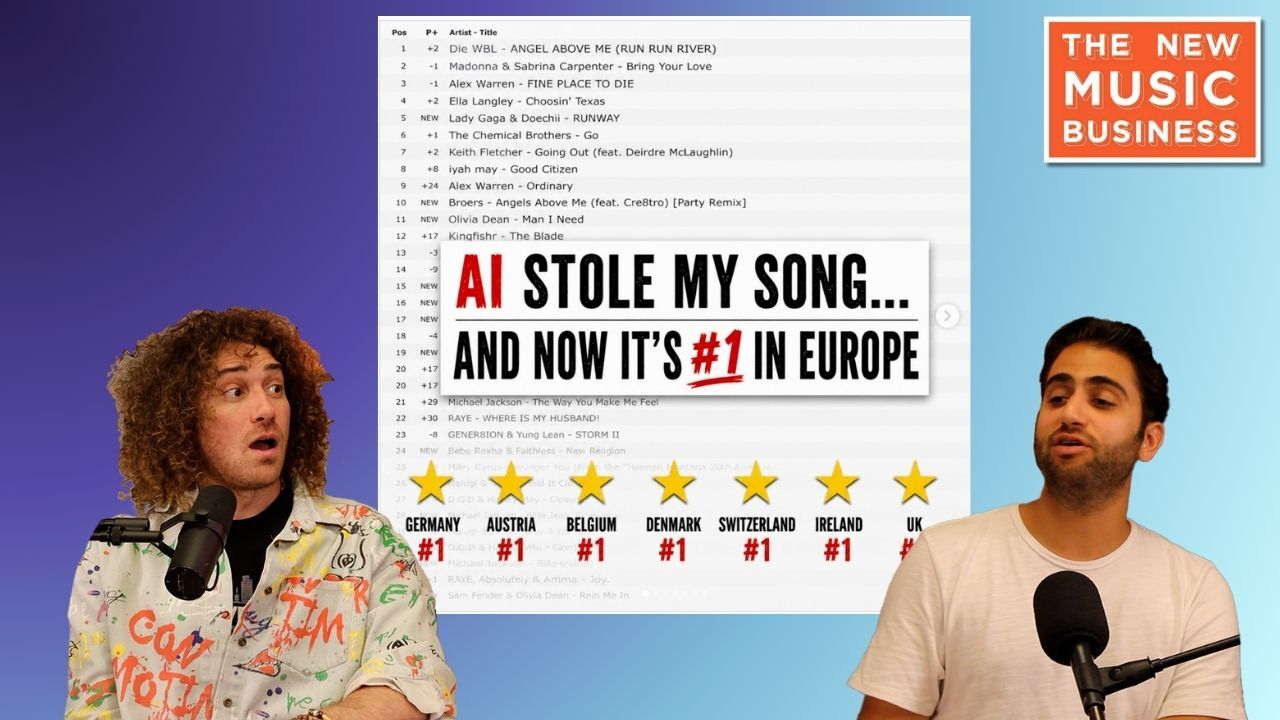
Without the backing of a promotional budget or an official label rollout, the track began spreading rapidly across social media platforms, short-form video apps, and streaming ecosystems. At the height of its viral trajectory, the unauthorized AI remix achieved unprecedented milestones for a bootleg release: it climbed to the number two spot on the global Shazam charts and claimed the number one position on multiple iTunes charts across various European countries.
For Ineffable Records, which represents a powerhouse roster including Stick Figure, Collie Buddz, Protoje, The Elovaters, and O.A.R., the sudden surge presented an immediate operational crisis. The label was forced to monitor and respond to a fast-moving digital footprint that defied standard takedown procedures, illustrating the decentralized nature of modern internet virality.
The Operational Nightmare of Whack-a-Mole Enforcement
Addressing unauthorized AI remixes in real time is far from straightforward. During his conversation with Ari Herstand, Adam Gross detailed the exhausting day-to-day reality of combating digital piracy in the generative AI era. When a derivative work spreads globally overnight, rights holders are thrust into a perpetual game of digital whack-a-mole.
As soon as a copyright holder successfully flags and removes an unauthorized upload from one streaming service or video platform, multiple re-uploads frequently appear under different user profiles, alternative titles, or modified audio frequencies designed to bypass automated content ID filters. This reactive enforcement model drains valuable time and legal resources from independent labels, which often lack the massive legal infrastructures enjoyed by major label conglomerates.
Furthermore, the legal grey areas surrounding derivative works and transformative AI usage complicate matters further. While traditional copyright infringement is clearly defined under international law, the application of liability to generative AI creations—particularly those created by anonymous users operating across international jurisdictions—creates significant hurdles for copyright enforcement. Legal teams must continuously evaluate whether to pursue aggressive takedowns, issue cease-and-desist letters, or attempt to capitalize on the organic momentum generated by the illicit trend.
From Unauthorized Bootleg to Major Collaboration
Rather than remaining a purely punitive or destructive episode, the viral success of the “Angels Above Me” AI remix ultimately sparked an unexpected industry pivot. The massive consumer demand proved that the underlying concept—a high-energy, reimagined electronic dance version of the Stick Figure hit—possessed undeniable commercial viability.
The momentum generated by the viral bootleg eventually captured the attention of top-tier international electronic music producers. In a remarkable turn of events, the story culminated in the creation of an official, high-profile collaboration featuring superstar DJs David Guetta and Alok. By converting an illicit internet trend into a legitimate, authorized commercial release, the stakeholders demonstrated how the modern music industry can sometimes absorb and redirect grassroots digital phenomena into profitable mainstream ventures.
This transition highlights a growing trend within the music business: major artists and labels increasingly monitoring viral user-generated content not merely as copyright violations, but as real-time market research. When an unauthorized remix captures the public imagination, it provides immediate data regarding what sounds and collaborations audiences desire, occasionally paving the way for official sanctioned versions.
Navigating Copyright and Ethics in the Age of Artificial Intelligence
The Ineffable Records case study opens up a much broader conversation regarding ethics, artist likeness, and the future of copyright in the music industry. As AI models are increasingly trained on vast catalogues of copyrighted music without authorization or compensation, independent labels find themselves on the front lines of an existential debate.
During the podcast episode, Gross and Herstand explored the ethical dimensions of AI-generated music production, questioning where the line should be drawn between creative inspiration and outright theft. While fans often celebrate the novelty of mashups and AI remixes, artists and songwriters face the potential devaluation of their craft when unauthorized algorithms replicate their unique vocal stylings, instrumentation, and sonic signatures.
The conversation also touched upon the structural challenges of major label deals versus independent distribution, emphasizing how independent labels must remain agile. Unlike legacy companies burdened by bureaucratic inertia, independent operations like Ineffable Music Group must adapt their legal and digital strategies daily to protect their artists’ catalogs while maintaining community trust.
Broader Implications for the Global Music Economy
The implications of the Stick Figure AI remix extend far beyond a single reggae track. As artificial intelligence tools continue to evolve at an exponential rate, lawmakers, music publishers, and digital service providers are under mounting pressure to establish clearer regulatory frameworks.
Key areas requiring urgent reform include:
- Streamlined Content ID Protocols: Enhancing automated detection algorithms to identify AI-generated or modified audio signatures before they achieve viral reach.
- Fair Compensation Models: Advocating for user-centric payment models and licensing frameworks that ensure original songwriters and rights holders are compensated when their work is utilized by generative AI platforms.
- International Enforcement Standards: Closing legal loopholes that allow anonymous creators to host infringing content across lenient international jurisdictions.
The experience of Ineffable Records serves as a case study for the entire music industry. It highlights the resilience required by independent labels operating in an environment where technology constantly outpaces legislation. By balancing aggressive legal protection with strategic adaptability, labels can navigate the turbulent waters of the AI revolution.
As the industry looks toward the future, the lessons learned from the "Angels Above Me" phenomenon will undoubtedly inform how artists, managers, and legal experts handle the next wave of technological disruption. Whether generative AI ultimately proves to be a destructive force or a catalyst for new creative formats, the proactive strategies employed by independent leaders like Adam Gross demonstrate that vigilance, flexibility, and a deep connection to artist communities remain the most effective defenses in a rapidly changing world.