The Unlikely Triumph of Bleed American: How Jimmy Eat World Forged a Masterpiece Against All Odds

In the year 2001, a landscape of the music industry was undergoing seismic shifts, and amidst this uncertainty, the Arizona-based rock band Jimmy Eat World found themselves at a critical juncture. Without the safety net of a record label, a manager, or substantial financial backing, they embarked on the creation of what would become their seminal album, "Bleed American." This period, fraught with financial precarity, unexpectedly became a crucible for artistic freedom and innovation, forging an album that would not only redefine their career but also leave an indelible mark on alternative rock.
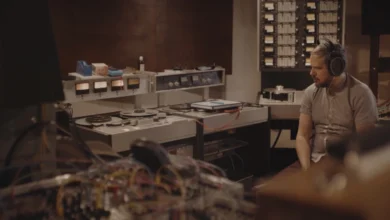
The genesis of "Bleed American" was a testament to the band’s unwavering belief in their music and their collaborative spirit. Producer Mark Trombino, a pivotal figure in the album’s sonic architecture, demonstrated his faith by deferring payment, a decision rooted in his profound conviction in Jimmy Eat World’s artistic vision. This financial gamble, coupled with the band’s own lean circumstances, underscored the raw, unvarnished ambition driving the project.
Frontman and guitarist Jim Adkins, reflecting on this period, recalls a sense of youthful exuberance and a focus on the creative process rather than immediate financial gain. "I think everyone is kind of flat on their ass in their early 20s," Adkins humorously shared during a virtual interview. "You’re in the gathering stage of everything. You’re not really concerned about retirement money. Most of your paycheck is going toward your cost of living and having fun." He described the experience as "lean" but emphasized that the inherent "adventure" of the situation largely mitigated any significant stress.
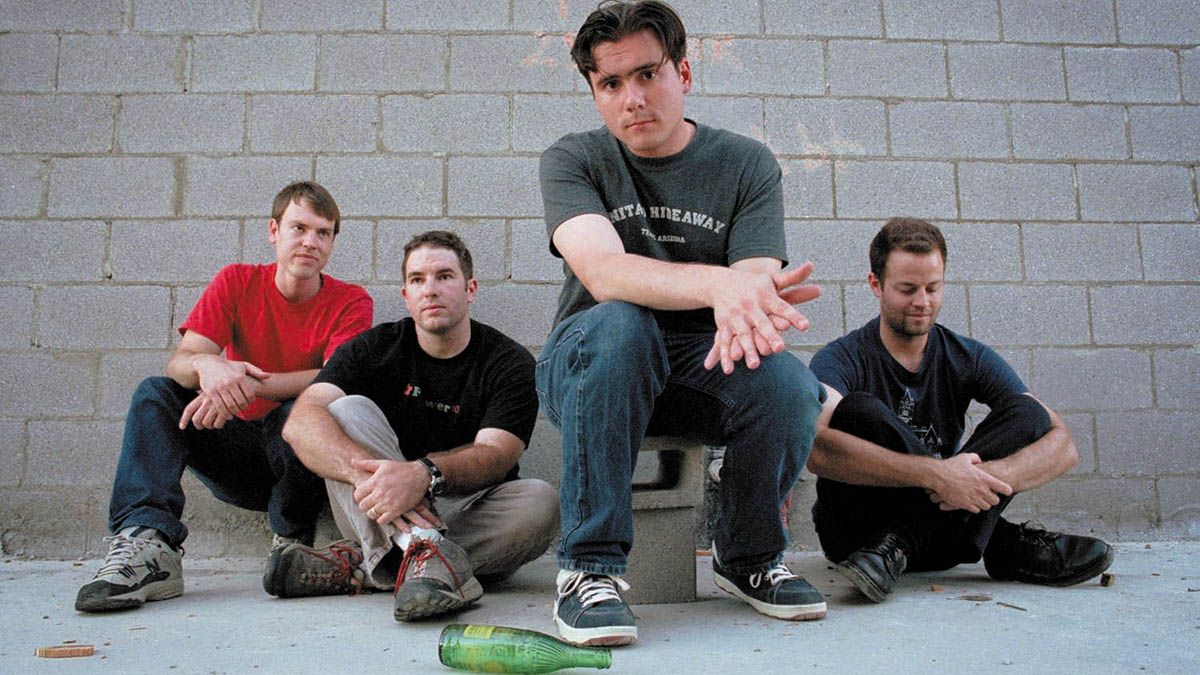
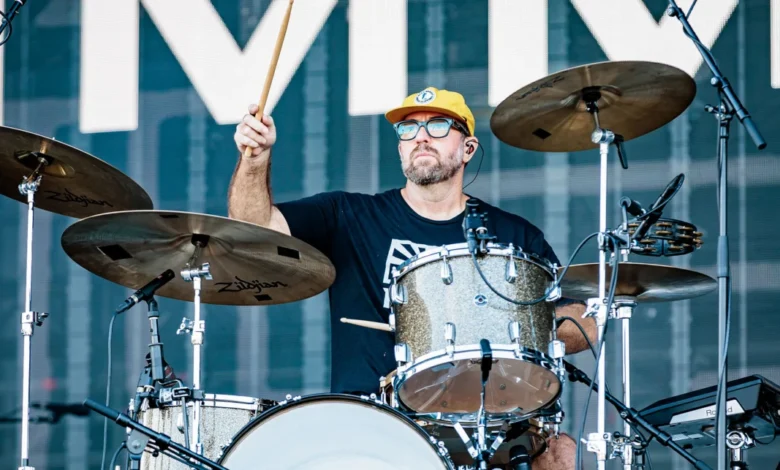
However, Adkins’ perspective was not universally shared within the band. Drummer Zach Lind, who had recently married, faced more immediate financial anxieties. "My wife and I had been married since the fall of ’99, and she was bringing home the bacon," Lind explained. "She had a college degree, and she worked in finance, and we had enough money to buy a little house." The decision for his wife to quit her job and their subsequent move to live with his sister-in-law, all in anticipation of the album’s potential success, created a palpable sense of financial risk. This stark contrast in their immediate circumstances highlights the varied pressures and perspectives within the band as they navigated this pivotal creative period.
The "Bleed American" sessions, which commenced in October 2000, were characterized by a DIY ethos and a determined drive to bring their meticulously crafted songs to life. By this point, the band had amassed a wealth of material, much of which had already been tested and refined through live performances. The uncertainty surrounding their previous label, Capitol Records, had led them to hold back songs like "Sweetness" from their 1999 album "Clarity," fearing they might not even see a release. This experience, however, had instilled a resilience and a clearer understanding of their artistic identity.
"Most of the material we had been performing live," Adkins noted. "Leading up to recording, and during recording, we took a break between recording the drums and everything else to tour to raise money, to finish making it. So a lot of it was road-tested, explored somewhat. The heavy lifting with the songs – the arrangement, lyrics, general idea, approach – all of that, I feel, there was a great, rough plan for it all. I feel like we went into recording pretty confident that we had the songs – the songs were ready. It was just about exploring the concepts to make it better." This methodical approach, even amidst financial constraints, ensured that the foundation of the album was exceptionally strong.
The band’s prior tenure with Capitol Records, while ultimately ending without a new album, had fostered a unique resilience. Adkins and Lind recall a stubbornness on their part regarding marketing strategies, a trait that, while potentially costing them their deal, laid the groundwork for their long-term artistic integrity. Lind characterized their Capitol deal as financially insignificant, barely covering the cost of a marketing meeting’s catering. This experience underscored their need for a partner who was genuinely invested in their artistic output.
The Turning Point: Signing with DreamWorks Records
The narrative of "Bleed American" took a dramatic turn with the intervention of DreamWorks Records. This pivotal signing provided the financial lifeline and crucial industry support that the band desperately needed. The advance from DreamWorks was not merely a financial transaction; it was a validation of their artistic merit and a guarantee that their musical endeavors would not be cut short by economic hardship. For Zach Lind, this timely infusion of capital was a direct intervention that prevented significant personal financial upheaval. "We were totally broke," Lind admitted. "When we got a check from DreamWorks after we signed, it was just in the nick of time. If that hadn’t happened, we would have been trying to figure something out, like maybe sell the house, or Holly going back to work."
The band had witnessed firsthand the devastating impact of financial instability on other bands, with many peers forced to abandon their musical aspirations due to lack of consistent income. Lind’s reflection, "For us, it was literally by a hair that we made it through and God for that," encapsulates the precariousness of their situation and the profound relief that the DreamWorks deal provided. This experience cemented the understanding that external support, while not the primary driver of their creativity, was essential for sustained artistic output in the industry.
Crafting the Sound: Innovation Amidst Limitations
Despite the financial limitations, the "Bleed American" sessions were a period of intense creative exploration. The band, working with a carefully allocated studio time, focused on refining their songwriting and sonic experimentation. Tracks like "Cautioners" exemplify this approach, where the band aimed to create unique auditory textures for each drumbeat, layering sounds to create a more jarring and impactful listening experience. "On Cautioners, we had an idea to get different drum sounds so that every hit of the beat that would be there is just some extra form of ear candy as it’s going by," Adkins explained. "Like, you can perform it as a piece, but the idea was we wanted to get unique sounds for every hit, and just cut and paste and slam them next to each other so it becomes even more jarring that these are individual and unique."
This meticulous attention to detail, even within a compressed timeframe, speaks to the band’s dedication to pushing sonic boundaries. Lind elaborated on the practicalities: "We didn’t have a lot of time to block out, ‘Oh, hey, we’re just gonna spend a month and figure it out.’ We wouldn’t have been able to afford that. But, to Jim’s point, there was just the right amount of wiggle room in the time that we had based on what we booked to explore some things, some targeted [sounds]." Songs like "My Sundown, Your House," and "Cautioners" were specifically identified as tracks where they invested extra studio time to hone their vision.
Collaboration and Creative Breakthroughs
The album’s creative process was also marked by key collaborations that added unique dimensions to the songs. The bridge section of "Praise Chorus" presented a lyrical challenge for Adkins. Unable to find suitable lyrics, the band reached out to Davey von Bohlen, frontman of the influential emo band The Promise Ring. "We decided to just send that song off to Davey von Bohlen… just to see what he would do," Adkins recalled. Von Bohlen’s contribution, which incorporated Adkins’ prompt "Come on, Davey, sing me something that I know…" as a lyrical springboard, resulted in a memorable and eclectic vocal interlude.
Von Bohlen’s response was a rapid-fire lyrical tapestry, referencing a diverse array of musical influences including Madness, Bad Company, Mötley Crüe, and Tommy James and the Shondells’ "Crimson and Clover." This collaborative moment underscored the band’s willingness to embrace external creative input, enriching the song with a collage of cultural references that resonated with their own musical upbringing. Adkins noted the universality of these references: "Well sure, everything he references, if you’re our age and were interested in music at all, all those lyric quotes are stuff that’s just there in your mind whether you own those albums or not."
The Enduring Power of Simplicity and Repetition
The sonic palette of "Bleed American" marked a departure from the more intricate arrangements of their earlier work. Adkins and Lind both highlighted a conscious or unconscious shift towards simplicity, inspired by artists like Tom Petty and Bruce Springsteen. "Bleed American is definitely an album in our musical development that, coming from the more chaotic punk kind of playing, we were just being inspired by simplicity," Adkins stated. He specifically cited the influence of Tom Petty’s "You Wreck Me" on the beat of "The Middle," noting how "it just seemed like it fit."
This embrace of simplicity extended to lyrical structure, with Adkins intentionally employing repetition as a songwriting device. He viewed repeated lyrics and verses as a "subversive thing" in the context of contemporary songwriting. "There’s something really powerful in making something very simple," Adkins explained. "There’s a feeling, an almost slightly demented feeling, of how far you can push a very simple set of restrictions on yourself, like how far between these boundaries can you take it? Repetition is definitely a sort of hook." This approach, deeply influenced by artists like Tom Petty, whose album "Wildflowers" was particularly resonant for Adkins during this period, allowed the band to explore the emotional impact of recurring motifs.
"The Middle": An Unforeseen Anthemic Hit
The album’s trajectory was irrevocably altered by the emergence of "The Middle," a track that would become a global phenomenon. Despite its eventual massive success, the band members themselves did not anticipate its status as a breakout hit. "No! Are you kidding me? No!" Adkins exclaimed when asked if they foresaw its impact. Lind recalled that while the demo received an immediate and enthusiastic reaction from friends, the band harbored a degree of "dysmorphia" about their own music, often misjudging which songs would connect with a wider audience.
The guitar solo in "The Middle," inspired by Doug Gillard’s work on Guided By Voices’ "I Am A Tree," became a focal point of critical acclaim. Adkins meticulously crafted a solo that followed a "theme, repeat, theme, repeat, escalation, closing with more intensity!" structure, a testament to his deliberate approach to melodic construction. This solo’s impact was later recognized by Rolling Stone, which ranked it 76th in their list of the greatest guitar solos of all time. Adkins, while acknowledging his formal training in jazz and classical guitar, admitted that his improvisational style on "The Middle" was more intuitive than technically academic, a departure from the precise scalar approaches of some virtuosos.
Navigating the Digital Frontier
The release of "Bleed American" coincided with a transformative period in music consumption, marked by the rise of peer-to-peer file-sharing platforms like Napster. Jimmy Eat World strategically leveraged these emerging technologies, sharing rough mixes of their songs to build anticipation and gauge audience reaction. This proactive approach allowed them to cultivate an engaged fanbase even without the traditional promotional infrastructure. "When they would play those songs live the crowd’s reaction told them that they had downloaded it," the article notes. "They had to think like this. They didn’t have the ‘formal infrastructure’ to support them."
The Road to Success: A Memorable Journey
The culmination of the "Bleed American" project was a testament to the band’s perseverance and the impact of key strategic decisions. Hiring manager John Silva and securing the deal with DreamWorks Records were particularly memorable milestones for Zach Lind. He vividly recalls the experience of flying to New York City, witnessing the Manhattan skyline at sunset, and participating in meetings with various labels eager to sign the band. "I remember just flying into New York City, seeing the Manhattan skyline, the sun setting, and thinking, ‘Holy shit, this is crazy! It’s wild that we’re being flown to a place just to talk to people who are all wanting to put out our album,’" he shared. This moment represented a profound "whiplash" of success, a stark contrast to their earlier struggles.
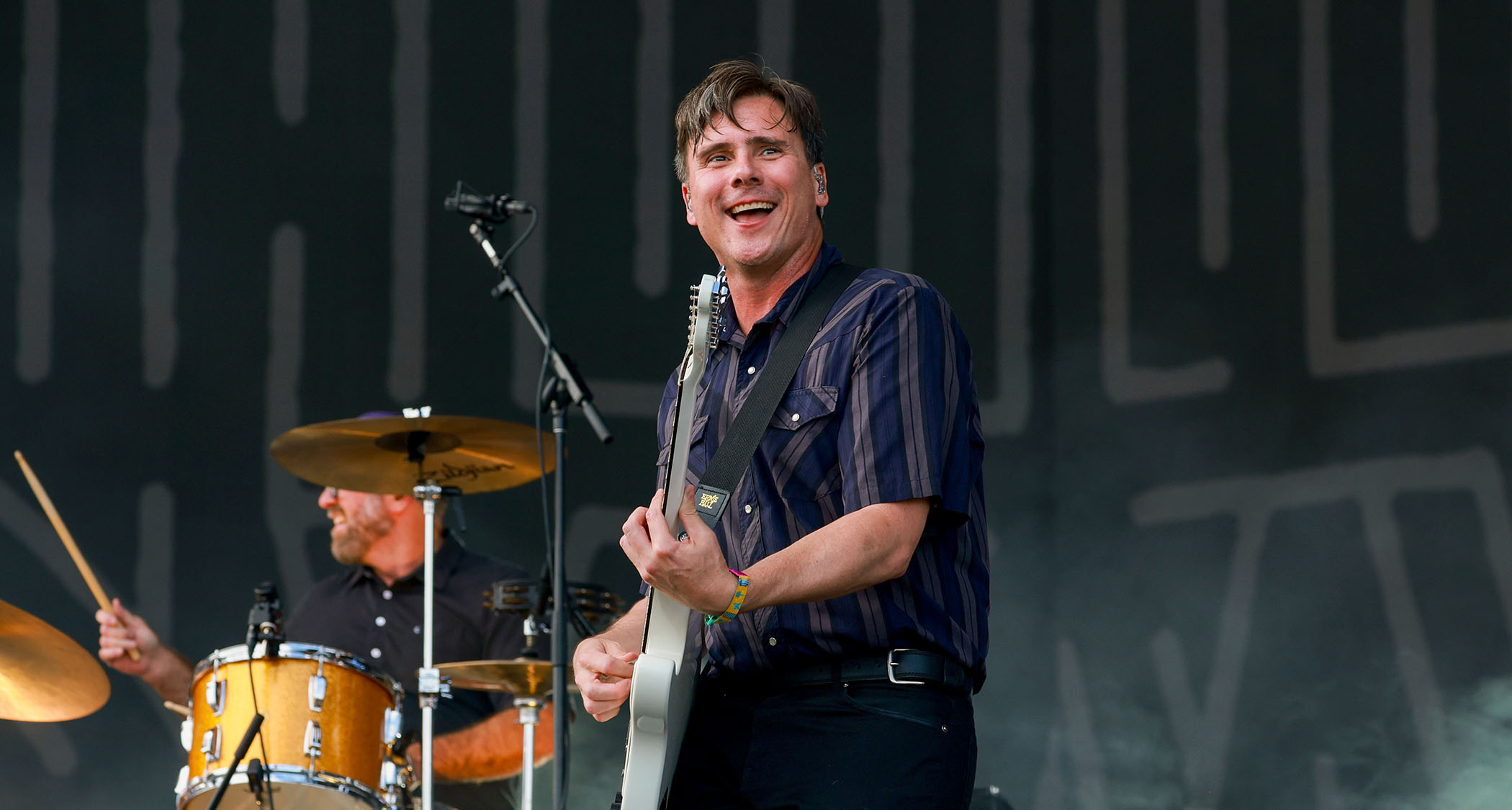
For Jim Adkins, a significant highlight was the band’s rapid ascent from playing smaller venues like The Garage to headlining the prestigious Brixton Academy in London within a year. This trajectory underscored the immense impact "Bleed American" had on their career, transforming them from an emerging independent act into a globally recognized force in alternative rock.
The story of "Bleed American" is more than just a chronicle of an album’s creation; it’s a narrative of resilience, artistic integrity, and the transformative power of belief in the face of adversity. It serves as a powerful reminder that even without conventional industry support, a compelling artistic vision, coupled with strategic partnerships and a touch of serendipity, can lead to extraordinary and enduring success. The album’s enduring legacy is a testament to the band’s ability to navigate financial hardship and industry flux, ultimately crafting a body of work that continues to resonate with audiences decades later.