The Dirtywave M8 Music Tracker arrives on iOS as a fully realized mobile studio experience

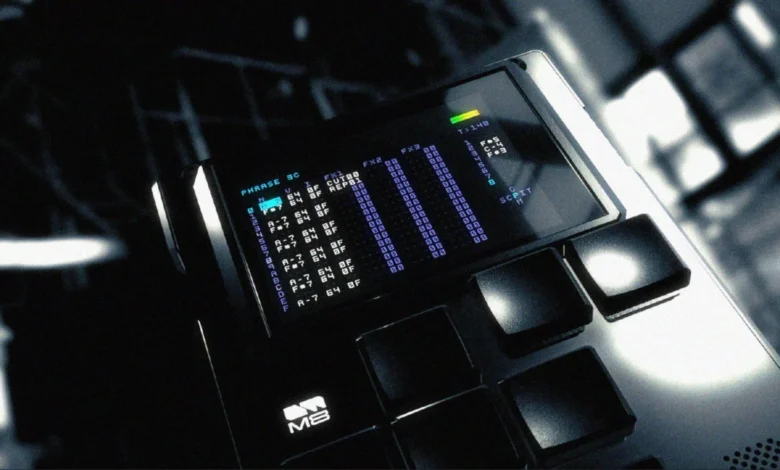
The landscape of mobile music production has shifted significantly with the official release of the Dirtywave M8 Music Tracker on Apple’s iOS platform. Known primarily for its sophisticated, minimalist hardware iteration, the M8 has garnered a cult following among electronic musicians, chiptune artists, and tracker enthusiasts. By transitioning the complete firmware of this device to the iPhone and iPad, developer trash80 has effectively democratized access to a high-end, professional-grade sequencing environment that was previously restricted to specialized handheld hardware or DIY "headless" configurations.
The Evolution of the M8 Platform
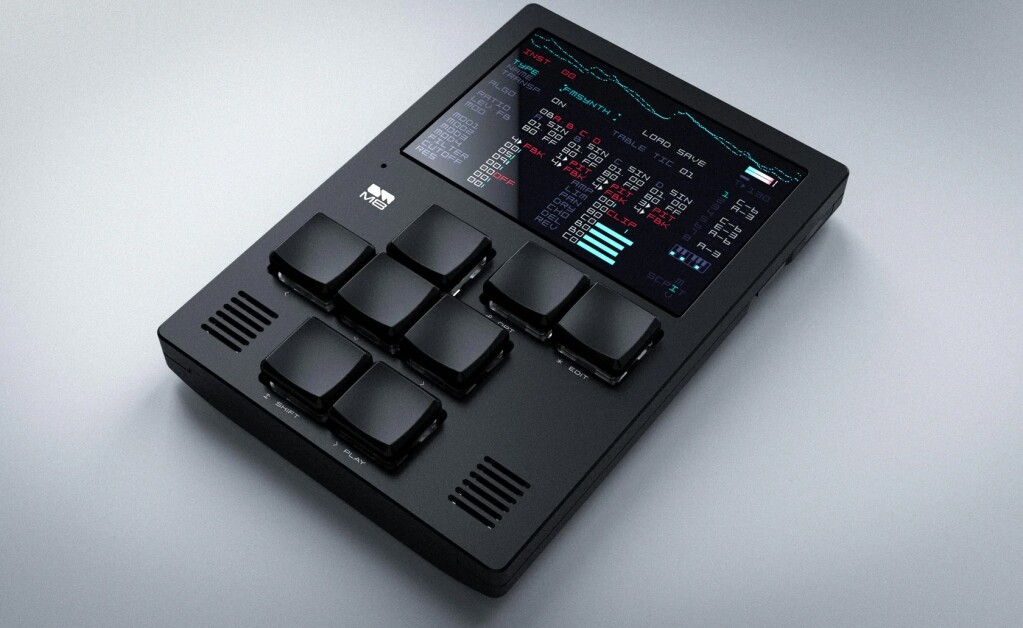
The trajectory of the Dirtywave M8 project serves as a compelling case study in modern hardware-software integration. Initially conceived as a boutique hardware device, the M8 quickly became recognized for its deep, functional design, featuring a custom-machined aluminum body, a vibrant 3.5-inch display, and a 12-hour battery life. However, the true catalyst for the platform’s growth was the developer’s commitment to an "open" ecosystem.
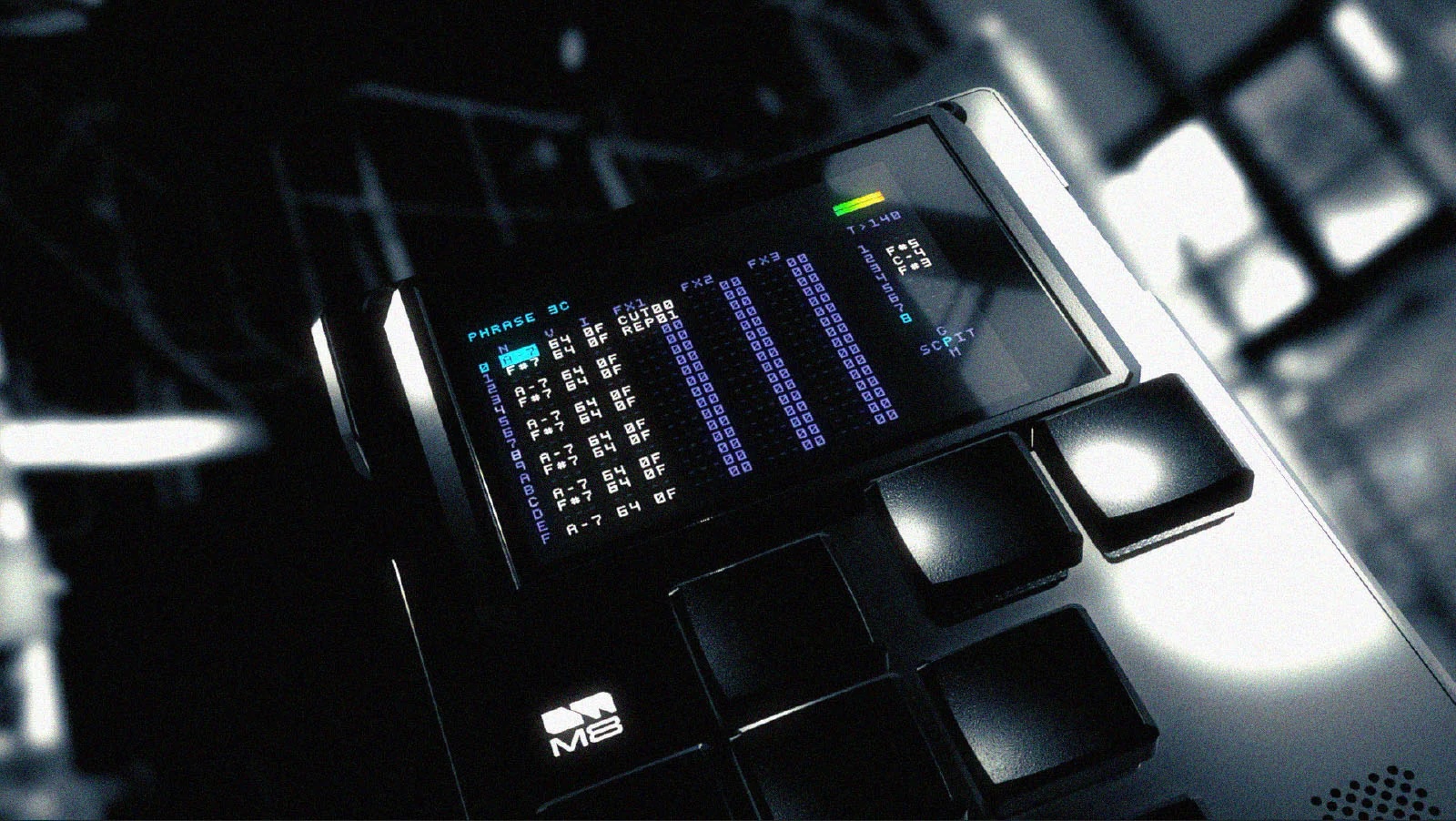
By releasing the "headless" firmware, which allowed users to run the M8 software on the Teensy 4.1 development board, the creator invited a community of hackers and hobbyists to build their own custom enclosures and interfaces. This philosophy of accessibility continued with the integration of the M8 with TouchDesigner, enabling users to bridge the gap between complex audio sequencing and real-time visual performance. The release of the official iOS app marks the next logical step in this timeline, moving from a niche hardware project to a mainstream software application available on the Apple App Store.
Technical Capabilities and Feature Set
The M8 Music Tracker on iOS is not a "lite" version or a stripped-down mobile companion; it is a full-featured, high-fidelity music-making machine. The app encapsulates the entirety of the hardware’s functionality, functioning as a multi-instrument synthesizer and a powerful sequencer. Its engine is built on the same architecture that powers the standalone device, supporting advanced FM synthesis, virtual analog modeling, and high-quality sample playback.
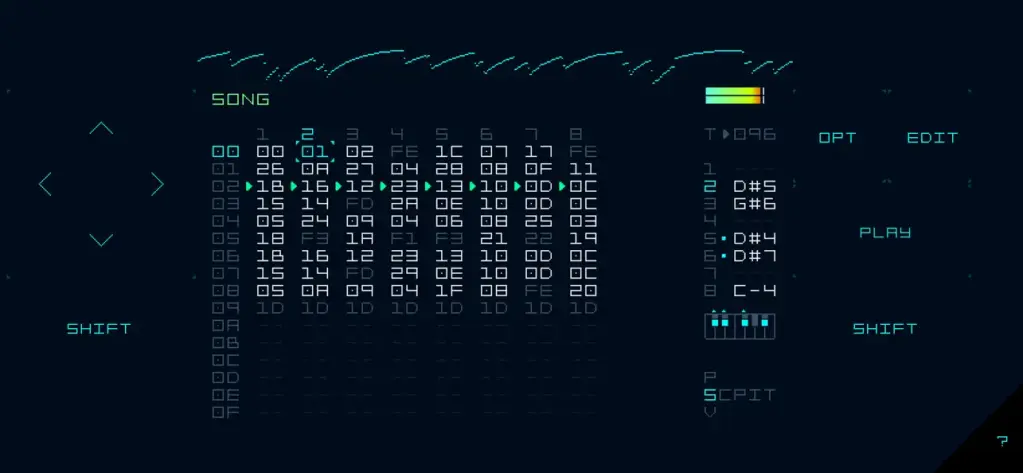
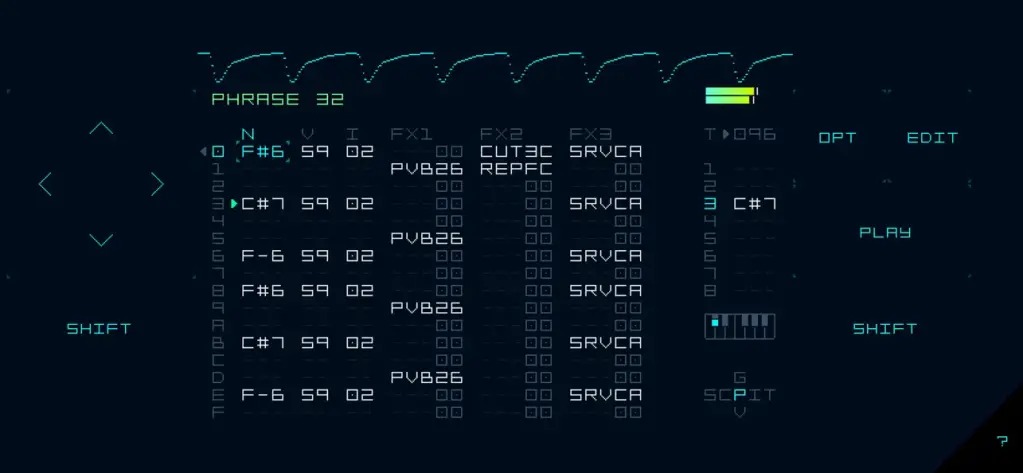
The tracker-style interface—a vertical, spreadsheet-like sequencer—offers a high degree of precision for note entry, effect parameter automation, and complex rhythmic programming. For users accustomed to traditional Digital Audio Workstations (DAWs) like Ableton Live or Logic Pro, the M8 offers a distinct alternative that prioritizes rapid iteration and data-dense composition. The app’s feature set includes:
- Synthesis Engines: Integrated wavetable, FM, and analog-modeled oscillators.
- Sampling: Support for high-resolution sample playback with granular capabilities.
- Sequencing: Advanced pattern-based sequencing with per-step parameter locks and real-time automation.
- Connectivity: Seamless integration with iOS audio frameworks, allowing for audio export and inter-app communication.
Chronology and Development Context
The development of the M8 has been characterized by consistent, incremental updates. The following timeline outlines the key milestones of the platform:
- Early Development Phase: Initial concepts of the M8 focused on a portable, tracker-based sequencer that could compete with dedicated hardware like the Elektron Digitakt.
- Hardware Launch: The official M8 Model:02 hardware was released to critical acclaim, noted for its build quality and deep synthesis capabilities.
- Headless Firmware Release: Trash80 provided the source code for the "headless" version, allowing the community to port the interface to various DIY hardware platforms, significantly expanding the user base.
- Software Portability Projects: Various community-led efforts emerged to bridge the M8 with external software environments, including TouchDesigner for visual integration.
- iOS Launch: The official port to the iOS platform represents the first time the complete, proprietary M8 environment is available as a consumer-facing app, accessible via the Apple App Store.
Market Position and Competitive Landscape
The arrival of the M8 on iOS places it within a competitive ecosystem of mobile music production tools. While the M8 occupies a specific niche as a tracker, it competes for the attention of a demographic that also utilizes powerful mobile apps such as SunVox, Nanoloop, and Deflemask.
SunVox, developed by Alexander Zolotov, remains the industry benchmark for a cross-platform modular studio that runs on almost any hardware architecture, including legacy mobile devices. Similarly, the "naive tracker," a new four-track sampler and sequencer from the creator of Nanoloop, provides a more streamlined, approachable entry point for mobile users. The M8, however, differentiates itself through its deep, professional-grade sound engine and its established reputation among hardware users.
The price point of $29.99 for the M8 iOS app positions it as a premium utility for serious musicians. This strategy suggests that Dirtywave is targeting users who prioritize functional depth over the simplified, "gamified" interfaces common in many mobile music apps.
Broader Implications for Mobile Music Production
The move toward porting professional audio software to mobile devices reflects a broader trend in the music technology industry: the "supercomputer in your pocket" philosophy. As mobile processors become increasingly capable of handling complex digital signal processing (DSP), the traditional barrier between studio workstations and portable devices continues to dissolve.
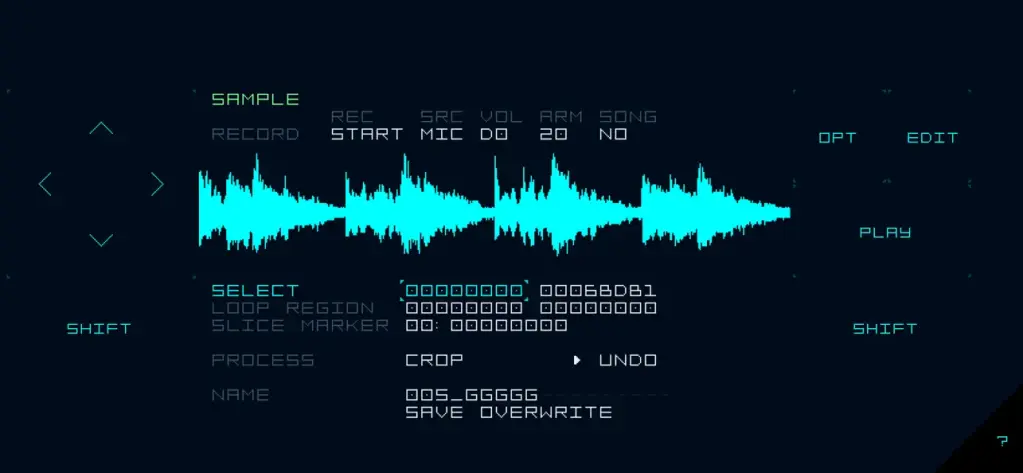
Industry analysts suggest that the availability of such tools on mobile platforms shifts the creative process from a sedentary, desk-bound activity to a fluid, on-the-go workflow. By enabling users to capture samples using an iPhone’s built-in microphone and then process those samples through the M8 engine, the software creates a closed-loop creative ecosystem that is highly attractive to producers who value mobility.
Furthermore, the open-source history of the M8 firmware suggests that the app may continue to evolve through community feedback and developer updates. The ability to integrate the M8 with other iOS apps via Inter-App Audio or Audiobus further cements its place as a cornerstone of the modern mobile studio.
Expert and Community Reaction
Initial reactions from the electronic music community have been overwhelmingly positive, with users praising the app’s fidelity to the hardware’s tactile experience. The "first look" reviews circulating on platforms such as YouTube highlight the responsiveness of the interface and the ease of transitioning between the hardware and the software.
There has been some discourse regarding the absence of an Android version. However, industry experts note that the fragmented nature of the Android ecosystem—specifically concerning low-latency audio—remains a significant hurdle for developers of high-performance audio software. While other trackers like Deflemask and SunVox have successfully navigated the Android landscape, the proprietary, high-performance requirements of the M8 engine currently make iOS the most viable path for a high-fidelity experience.
Future Outlook
The Dirtywave M8’s expansion into the iOS market is a significant validation of the tracker format in contemporary music production. By providing a low-friction entry point for potential users who might be intimidated by the cost or availability of the physical hardware, Dirtywave is likely to see a substantial expansion of the M8 user base.
The success of this app may also influence other hardware manufacturers to consider similar software-based ports of their own proprietary technology. As the line between dedicated hardware and software applications continues to blur, the M8 serves as a premier example of how a well-designed, focused product can thrive across multiple mediums.
For the end user, the implication is clear: the tools required to create professional-grade electronic music are no longer confined to expensive studio racks or high-end desktop computers. With the M8 Music Tracker now residing on the iPhone, the barrier to entry for complex, sophisticated music production has been lowered significantly, allowing creators to utilize their portable devices as powerful, stand-alone instruments. As mobile hardware continues to advance, it is expected that the M8 will remain a vital component of the mobile producer’s toolkit, reflecting a shift toward a more agile, accessible, and creative future for the music industry at large.