James Marriott Marks Career Milestone at O2 Academy Brixton with Third Album Announcement


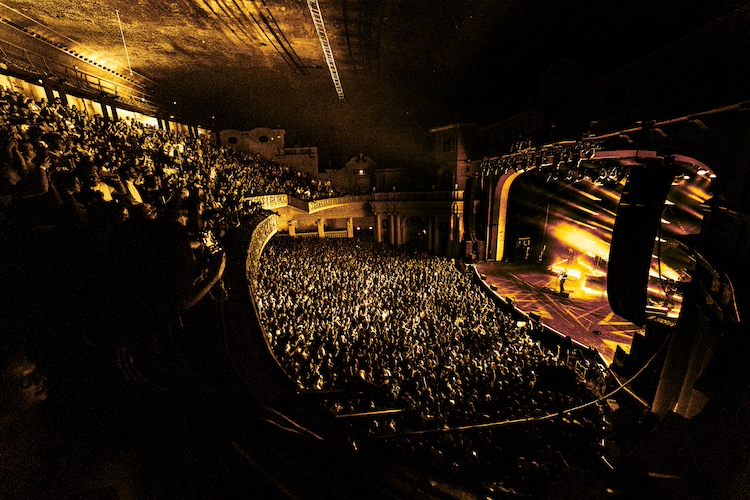
The O2 Academy Brixton, a venue synonymous with the pinnacle of British live music, played host to a defining moment in the career of independent artist James Marriott on Thursday, September 17. Before a capacity crowd of 5,000, the 29-year-old musician officially transitioned from the conclusion of his successful Don’t Tell The Dog album cycle to the launch of his third studio record, Warning Signs, scheduled for release on January 15. The performance served not only as a showcase of his current discography but as a testament to the growth of his audience over a six-year trajectory that has seen him move from digital creator to a bona fide touring act capable of commanding major London venues.
Chronology of a Rising Career
James Marriott’s ascent within the music industry has been marked by a deliberate and steady expansion of his creative output. His early foray into the public eye served as a foundation for a transition into professional songwriting, characterized by an introspective indie-pop sound that resonated with a digitally native demographic. The timeline of his professional development is punctuated by consistent releases, beginning with his debut material and culminating in his first number-one album, Don’t Tell The Dog.
The Brixton show functioned as the final stop of his most recent tour, effectively closing a chapter that established him as a consistent chart contender. This concert was the culmination of a multi-year effort to professionalize his live performance standards, moving from smaller club circuits to the iconic South London stage. The inclusion of new, unheard material during the September 17 set—specifically the tracks Sleepwalker, Freak, and the live debut of Lovestruck—indicates a strategic shift toward a more dance-oriented, production-heavy sound for the upcoming Warning Signs era.
Data and Audience Engagement Metrics
The scale of the Brixton Academy show represents a significant benchmark in Marriott’s career. The O2 Academy Brixton maintains a capacity of approximately 5,000, making it a critical "tier-one" venue for artists looking to prove their viability in the UK market. For an artist like Marriott, who has built his following primarily through organic digital engagement, selling out this specific venue provides objective evidence of the transition from a niche online presence to a mainstream touring entity.

Engagement metrics throughout the night corroborated this growth. Unlike many contemporary concerts where audience attention fluctuates, the Brixton show maintained a high level of sustained energy. Reports from the venue confirmed that the audience remained uniformly engaged across all areas, including the balcony and periphery, throughout the duration of the set. This level of retention—measured by the absence of mid-show exits and the high volume of audience participation during tracks such as Plasticine and Toothache—is an indicator of a highly loyal fan base, often referred to in the industry as a "formidable community."
The Evolution of the Artistic Narrative
During the concert, Marriott engaged in a candid dialogue with his audience, acknowledging the emotional gravity of the event. He noted that the process of developing Warning Signs has been a collaborative effort, facilitated by the financial and emotional support of his listeners. This sentiment was echoed in his dedication of the track Lovestruck to his band, highlighting the importance of the ensemble in bringing his studio-produced sound to a live, arena-scale setting.
The thematic core of Marriott’s work often centers on self-acceptance and the complexities of personal growth. By framing his song Car Lights as a piece that has grown "bigger than himself," Marriott signaled a shift in his songwriting approach toward themes that emphasize universal, rather than purely autobiographical, experiences. This pivot is essential for artists aiming to extend their longevity beyond a single album cycle; by aligning his music with broader human experiences, he expands his potential listener base while maintaining the loyalty of his original core audience.
Industry Implications and Future Trajectory
The announcement of Warning Signs for January 15 suggests a well-coordinated release strategy. By debuting tracks months in advance of the album’s release, Marriott is utilizing the "live-testing" method, a common practice among modern artists to gauge crowd reception and generate social media buzz prior to the official launch. This allows for a more data-driven approach to marketing, as the label and management can analyze which songs generate the highest engagement during live performances before finalizing the promotional strategy for the record.
The successful sell-out of the Brixton Academy has broader implications for Marriott’s standing in the industry. It positions him as a high-value asset for festival bookings and future tours, as he has proven his ability to sell tickets in a competitive London market. Furthermore, the transition from his first number-one record to a third studio album in a relatively short timeframe demonstrates a prolific work ethic that is highly regarded by industry stakeholders.
Analysis of the Performance Dynamic
From a technical standpoint, the performance highlighted the maturation of Marriott’s stage presence. The inclusion of an acoustic, intimate segment—specifically the final run-through of the song Limbs—provided a necessary contrast to the high-energy, disco-ball-illuminated sections of the show. This dynamic variety is crucial for headlining acts, as it demonstrates an ability to manage the emotional arc of an audience over a 90-minute to two-hour performance.
The interaction between the artist and the audience was notably bidirectional. When Marriott addressed the crowd, the response was immediate and focused, suggesting a high level of parasocial rapport. This connection is the primary driver behind his success. In an era where ticket sales are increasingly volatile, artists who can foster a sense of shared purpose with their audience—as Marriott did by involving them in the lead-up to his third album—are better positioned to navigate the risks of the music business.
Looking Ahead: The Warning Signs Era
As the industry looks toward the January release of Warning Signs, the primary question remains how the new, more dance-ready sound will impact his standing in the indie-pop scene. The shift from the introspective, ballad-heavy tone of his previous work to a more rhythmic, high-tempo aesthetic is a common evolution for artists seeking to broaden their appeal to festival-going audiences.
The success of the September 17 show at Brixton establishes a high floor for the upcoming cycle. By successfully leveraging a milestone show to build anticipation for a future project, Marriott has demonstrated a sophisticated understanding of the modern music business model. The transition is now complete: James Marriott has successfully moved from a digital personality into a seasoned performer capable of anchoring his career on his own terms. The release of Warning Signs will be the next major test of this trajectory, serving to confirm whether his audience is willing to follow him into this more ambitious sonic territory.
For the music industry at large, the Marriott case study serves as a reminder of the power of community-driven growth. His ability to sell out the O2 Academy Brixton is not merely a result of digital popularity, but the result of a deliberate, sustained engagement strategy that values audience interaction and emotional resonance. As the countdown to January 15 begins, the focus will shift from his live performance capabilities to the quality of the new material, with the expectations of his 5,000 Brixton witnesses acting as the vanguard of his next potential chart-topping success.