Sound Underground Explores Intimate Textures and Acoustic Boundaries on Acclaimed Album Quiet Spaces

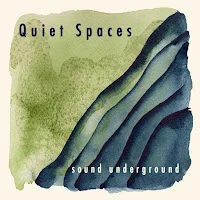
The contemporary jazz landscape continues to evolve through the experimental efforts of unconventional ensembles, a prime example being the innovative instrumental trio Sound Underground. Comprised of saxophonist David Leon, trumpeter Alec Aldred, and guitarist Jonah Udall, the collective has garnered critical attention for its distinctive configuration and sophisticated approach to chamber jazz. Eschewing the traditional rhythm section of piano, bass, and drums, the group relies entirely on a horn-and-string front line to produce a dynamic auditory experience. Their sophomore full-length release, Quiet Spaces, exemplifies this minimalist yet expansive philosophy, utilizing the natural resonance of unamplified spaces and meticulously crafted arrangements to redefine the parameters of modern improvised music. Released to critical acclaim, the album captures a cohesive ensemble dialogue built on years of artistic collaboration, careful structural composition, and spontaneous musical exploration.
Origins and Chronology of the Ensemble
The genesis
of Sound Underground dates back to the formative academic and professional years of its members, who met within the vibrant collegiate and independent music scenes of the northeastern United States. David Leon, Alec Aldred, and Jonah Udall discovered a shared interest in pushing the boundaries of standard jazz idioms, often experimenting with textures typically reserved for larger contemporary classical chamber groups. Rather than conforming to the standard head-solos-head format prevalent in mainstream jazz, the trio focused on contrapuntal interplay and collective improvisation from the outset.
Over several years of local performances, loft residencies, and regional touring, the ensemble refined its unique sonic profile. The absence of a foundational bass or percussion instrument forced the three musicians to develop an intricate system of counterpoint, where basslines, harmonic pads, and melodic leads are constantly rotating among the saxophone, trumpet, and guitar. This rigorous developmental phase culminated in the decision to document their evolving repertoire in a studio environment that prioritized acoustic fidelity above all else. The recording sessions for Quiet Spaces were structured to capture the organic interplay of the group without the safety net of multi-tracking or heavy audio processing, setting the stage for a release that emphasizes rawness, vulnerability, and technical precision.
Musical Analysis and Compositional Structure
Quiet Spaces derives its title from the deliberate use of dynamic restraint and spatial awareness in composition. Tracks such as Tiny Kingdom and the title track, Quiet Spaces, showcase the group’s capacity for wistful introspection, blending broad emotional landscapes with detailed textural coloring. By allowing individual notes to decay naturally within the acoustic environment, the trio creates a sense of openness that compensates for the lack of traditional harmonic backing.
On Awake With A Start, saxophonist David Leon delivers a playful, highly articulate solo characterized by a warm, round tone that anchors the surrounding harmonic movement. Meanwhile, the composition $2.43 Regular Unleaded introduces a lighter, more whimsical element to the tracklist. The piece cleverly mimics everyday urban auditory stimuli—such as the rhythmic beeps of a car door and the mechanical clicks of a gas pump—transforming mundane suburban sounds into an exhilarating, rhythmically complex joy-ride.
Musicologists and critics have noted that Sound Underground achieves a rare synthesis of composition and improvisation. The boundary between written arrangements and spontaneous invention is frequently blurred, resulting in lyrical ideas that possess both careful structural craft and captivating immediacy. This fluidity requires an extraordinary degree of listening and emotional connection among the three performers, as shifts in tempo, volume, or timbre by one member are instantly mirrored or countered by the others.
Production Philosophy and Acoustic Authenticity
One of the most striking characteristics of the Quiet Spaces recording is its commitment to organic production methods. Eschewing the modern tendency toward clinical isolation booths and digital pitch correction, the ensemble elected to record the entire album live in a single acoustic space. This decision preserved the natural bleed of the instruments into one another’s microphones, fostering a unified room sound that feels remarkably intimate.
Furthermore, the mixing and mastering stages purposefully retained subtle acoustic artifacts that are typically edited out of commercial releases. Listeners can distinctly hear the physical mechanics of the instruments: the intake and release of breath from the horn players, the click of saxophone keys, the mechanical action of trumpet valves, and the squeak of fingers sliding along guitar strings. These deliberate choices transform the listening experience, fostering a profound sense of proximity that simulates sitting inside the same room with the musicians. In an era dominated by hyper-compressed digital audio, Sound Underground’s aesthetic choice serves as a reminder of the power of raw, unadorned acoustic performance.
Critical Reception and Industry Implications
Upon its release, Quiet Spaces received widespread praise from jazz critics, avant-garde enthusiasts, and acoustic purists alike. Reviewers lauded the ensemble for successfully executing a high-risk, high-reward instrumentation model that easily could have resulted in a thin or sterile soundscape. Instead, through sophisticated arranging and deep mutual listening, Sound Underground produced a rich, multifaceted listening experience.
Industry analysts suggest that the success of albums like Quiet Spaces points toward a broader trend in contemporary jazz and improvised music: the decentralization of traditional instrumentation in favor of chamber-folk and cross-genre hybrids. By stripping away the rhythm section, artists are finding new freedom to explore harmonic ambiguity and microtonal textures. For Sound Underground, the album represents a significant milestone in establishing their reputation as innovators within the modern creative music community. As the trio continues to tour and promote the record, their unique methodology is expected to influence a new generation of musicians seeking to explore the expressive potential of unconventional ensemble configurations.