Celebrating Three Decades of Sonic Innovation: Larry Crane and Tape Op Release Landmark Anthology Making Music

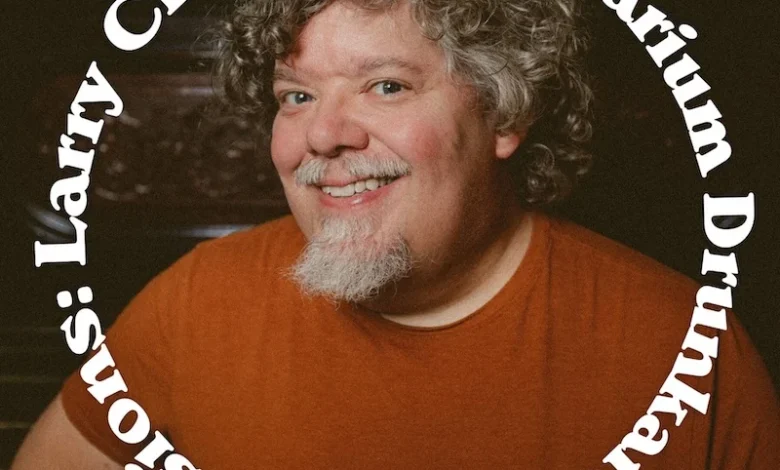
For thirty years, Tape Op magazine has served as an indispensable compass for audio engineers, producers, and independent musicians navigating the volatile seas of the recording industry. Founded in 1996 by Larry Crane in Olympia, Washington, the publication carved out a unique niche by prioritizing practical, creative advice over elitist gatekeeping or unachievable gear fetishism. To mark its landmark third decade in print, the magazine has released Making Music: Creative Ideas for Electronic Music, Hip-Hop, and Other Contemporary Beats, a curated anthology that gathers twenty-six of the most illuminating interviews from the publication’s extensive archive. The volume features legendary architects of modern sound, including Glyn Johns, Tony Visconti, RZA, Brian Eno, Joe Boyd, and the late Lee “Scratch” Perry, offering readers an unprecedented cross-section of audio philosophy and recording technique.
The Genesis and Evolution of Tape Op
The story of Tape Op is inextricably linked to the democratization of recording technology that took place during the mid-1990s. Prior to the widespread adoption of affordable digital audio workstations (DAWs) and high-quality home studio gear, the recording industry was heavily centralized in major urban centers like Los Angeles, New York, and London. Commercial studios charged exorbitant hourly rates, effectively locking independent artists out of the production process unless they secured major-label backing.
Larry Crane established Tape Op to challenge this paradigm. Working out of the Pacific Northwest during a vibrant era for independent music, Crane envisioned a magazine that spoke directly to the lo-fi, DIY ethos of the underground rock scene. The publication’s title was a tongue-in-cheek reference to the lowest tier of studio personnel—the tape operator—signaling a populist commitment to the labor of recording rather than the glamorous veneer of pop stardom.
Initially printed as a modest zine financed out of pocket, Tape Op grew organically through word-of-mouth among musicians who were eager to learn how to manipulate cheap cassette four-tracks, outboard compressors, and vintage mixing boards. As the recording industry underwent seismic shifts with the advent of digital recording, Pro Tools, and eventual laptop-based production, Tape Op evolved in tandem. Rather than lamenting the death of analog tape, the magazine embraced digital workflows while fiercely championing the enduring value of human intuition, room acoustics, and unorthodox miking techniques.
An Anthology of Sonic Pioneers
Making Music distills this thirty-year archival journey into a cohesive literary and educational artifact. Rather than organizing the selected interviews chronologically, the editors grouped conversations by creative philosophy, workflow strategy, and the psychological hurdles of the artistic process. The result is a text that bridges disparate genres, connecting the orchestral pop arrangements of studio veterans with the sample-based architecture of hip-hop innovators.
Among the standout profiles in the collection is Glyn Johns, whose work with The Beatles, The Rolling Stones, Led Zeppelin, and The Who practically defined the sound of classic rock drumming. Johns has long been an outspoken advocate for minimalist miking techniques, famously utilizing just three or four microphones to capture a massive, three-dimensional drum sound. His inclusion in Making Music reinforces the book’s core thesis: that compelling audio is primarily the result of placement, performance, and acoustic space rather than an excess of processing gear.
Similarly, Tony Visconti’s presence in the anthology highlights decades of boundary-pushing studio experimentation. Known primarily for his legendary, genre-defying work with David Bowie—spanning from Space Oddity to Blackstar—Visconti shares invaluable insights into the collaborative dynamic between producer and artist. His discussions on the deliberate manipulation of room microphones during the recording of Bowie’s "Heroes" remain masterclasses in transforming recording limitations into artistic breakthroughs.
The anthology also ventures deep into the realm of electronic music and hip-hop production through figures like Brian Eno and RZA. Eno, a pioneer of ambient music and a legendary producer for Talking Heads, Devo, and U2, contributes philosophical frameworks regarding generative composition, random procedures, and the studio as a compositional tool. Meanwhile, Wu-Tang Clan mastermind RZA breaks down the gritty, unconventional methodology behind sampling vintage soul records through Ensoniq Mirage and SP-1200 samplers, demonstrating how limitations in memory and fidelity can forge an entirely new cultural movement.
Chronology of a Print Survivor
The survival and sustained cultural relevance of a print magazine over three decades is a notable anomaly in contemporary media publishing. The timeline of Tape Op mirrors the broader turbulence of the music and publishing industries since the late 20th century:
- 1996: Larry Crane founds Tape Op in Olympia, Washington, printing the inaugural issues as a grassroots zine focused on independent recording techniques and affordable gear.
- Early 2000s: As traditional music magazines fold under the weight of the dot-com boom and shifting advertising revenues, Tape Op maintains steady growth by transitioning to a controlled-circulation model, remaining free to subscribers within the United States.
- 2010s: The magazine expands its digital footprint, introducing podcasts, web-exclusive articles, and digital archives while preserving its core bimonthly print edition.
- 2020–2025: Facing post-pandemic distribution challenges and escalating paper costs, Tape Op leans increasingly into community-supported models, relying on patron platforms like Aquarium Drunkard and direct reader memberships to sustain its editorial independence.
- 2026: Tape Op celebrates its 30th anniversary with the publication of Making Music, cementing its legacy as a vital educational institution in modern audio history.
Industry Reception and Pedagogical Implications
The release of Making Music has been met with widespread acclaim from both veteran producers and emerging bedroom beatmakers. In an era saturated with superficial YouTube tutorials and quick-fix plugin reviews, the anthology offers a refreshing counterweight. Industry analysts note that books like Making Music fill a critical gap in contemporary music education, where formal academic programs often emphasize technical compliance over creative risk-taking.
Commentators have frequently highlighted the book’s democratization of wisdom. By placing interviews with avant-garde sound designers alongside engineers who cut their teeth in major commercial facilities, the anthology dismantles the false dichotomy between high-budget studio production and DIY bedroom recording. The underlying message across all twenty-six interviews is remarkably consistent: technology changes rapidly, but the human desire to capture, shape, and communicate emotion through sound remains constant.
Broader Impact on the Contemporary Audio Landscape
The publication of Making Music arrives at a pivotal juncture for the recording industry. With artificial intelligence encroaching upon basic audio editing, automated mixing, and even compositional generation, the value of human eccentricity and idiosyncratic workflow choices has never been higher.
The insights preserved in Tape Op’s anthology serve as a vital reminder that the most enduring artistic achievements are born from limitation, experimentation, and deep listening. By capturing the unfiltered voices of creators who shaped the soundtrack of the last half-century, Larry Crane and his editorial team have provided a timeless manual for the next generation of sonic explorers. Whether utilized by a teenager sketching beats on a laptop in a suburban bedroom or a seasoned engineer troubleshooting phase cancellation in a professional control room, Making Music proves that the most powerful tool in any studio remains the human imagination.