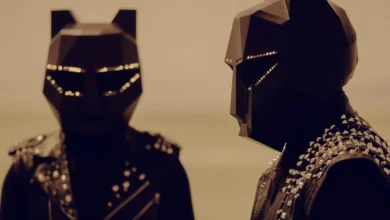
D:CODE connects Detroit and Dresden through the sonic legacy of techno culture

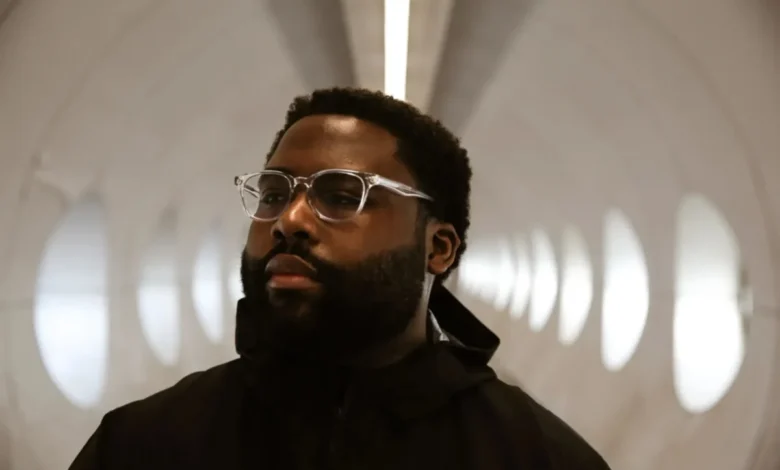
The electronic music landscape in Dresden is set to undergo a significant evolution with the launch of D:CODE, a new event series spearheaded by veteran DJ Coline. Designed as a transatlantic bridge between the industrial heartland of Detroit and the vibrant club scene of Saxony, the series aims to recontextualize the roots of techno for a contemporary audience. The inaugural event, scheduled for November 20, 2026, at the Paula Club, marks a deliberate effort to synthesize historical lineage with modern dancefloor dynamics. By inviting Detroit-based producer Huey Mnemonic to anchor the premiere, the organizers are signaling a commitment to authenticity and the preservation of techno’s socio-political origins.
A Transatlantic Narrative: From Berlin to the Midwest
The conceptual foundation of D:CODE is deeply rooted in the personal and professional trajectory of its founder, Coline. With a career spanning three decades, she has been a witness to, and a participant in, the maturation of techno culture. Her formative years in the early 1990s were defined by the chaotic, transformative energy of the post-reunification Berlin scene, particularly her time spent at the legendary Tresor club and its associated Tresor-Garten.
Coline’s professional identity has long been tethered to the "Detroit-Berlin axis," a historical connection that began in the early 90s when artists from the Motor City found a cultural sanctuary in the German capital. Working in a Berlin record store during the early 2000s, she developed an intimate relationship with the vinyl medium, which remains the cornerstone of her DJ sets. Her sound—a mixture of Detroit Techno, Dub Techno, and deep, percussive grooves—serves as a retrospective on the genre’s evolution.
The genesis of D:CODE occurred during a 2025 research and networking trip to Detroit. During her visit, Coline engaged with key institutions such as Submerge, the Student Information Department (SID), and Exhibit 3000. It was within these hallowed halls of electronic music history that she encountered Huey Mnemonic. The resulting collaboration is not merely a booking arrangement, but a structural initiative to foster an ongoing dialogue between the two cities.
Huey Mnemonic: The Standard-Bearer of a Legacy
O’Shay Mullins, professionally known as Huey Mnemonic, represents the next generation of the Detroit techno lineage. Born in Flint and currently based in Detroit, his artistic methodology is heavily influenced by his mentorship under "Mad Mike" Banks, the visionary behind Underground Resistance. His involvement with the collective and the broader Submerge ecosystem places him at the center of a movement that views electronic music as a tool for social empowerment and Afrofuturism.
Mnemonic’s moniker is a deliberate homage to both Huey P. Newton, the co-founder of the Black Panther Party, and the 1995 cyberpunk cult film Johnny Mnemonic. This dual influence is palpable in his work, which frequently explores themes of technology, liberation, and speculative fiction. His record label, Subsonic Ebonics, serves as a platform for this philosophy, prioritizing sonic depth over commercial appeal.
His contribution to the global techno discourse was solidified in 2021 when he produced "Transmutation," the lead single for the compilation marking the 30th anniversary of Berlin’s Tresor. This specific milestone highlights the cyclical nature of his career; he is an artist who draws directly from the past to influence the future of the genre.
The Dresden Electronic Music Ecosystem
The choice of the Paula Club as the venue for D:CODE is significant within the context of the Dresden nightlife scene. While cities like Berlin and Leipzig often dominate the national narrative regarding electronic music, Dresden has fostered a distinct, resilient scene characterized by a mix of historic venue repurposing and a community-driven focus.
Data regarding the German club scene indicates that mid-sized cities have seen a resurgence in interest since 2024, as attendees seek more intimate environments away from the commercial pressures of larger metropolitan hubs. The Paula Club, known for its commitment to underground bookings, provides the necessary sonic infrastructure for the raw, hardware-heavy sound that Mnemonic and the supporting lineup are expected to deliver.
The event program is comprehensive, featuring a curated selection of artists who align with the D:CODE ethos:
- Huey Mnemonic: The Detroit emissary.
- Coline: The series founder and curator.
- Spunky: Representing the local scene’s technical precision.
- Emaille b2b Blisss: A collaborative effort showcasing the synergy of the local DJ circuit.
- AXOON (Live): Bringing a live performance element that highlights the label output of quartal. Records.
Technical and Artistic Framework
The aesthetic direction of D:CODE is as deliberate as its musical programming. The visual identity, managed by designer Phil Dittrich with a logo crafted by the artist Spit, emphasizes the minimalist, industrial aesthetic often associated with early techno flyers. This attention to detail suggests that D:CODE is positioning itself not as a temporary party, but as a brand identity that intends to create a long-term presence in the European circuit.
From a production standpoint, the inclusion of a live set by AXOON serves as a crucial component. In an era where digital DJ sets are the industry standard, the integration of live hardware performances—a staple of the original Detroit techno sound—reaffirms the event’s commitment to the "live" nature of the genre.
Broader Implications for the Genre
The establishment of D:CODE comes at a time when the genre of techno is facing a cross-generational transition. With many of the founding pioneers entering their later careers, the transfer of knowledge and aesthetic values to younger practitioners has become a primary concern for the community. By creating a direct link between the Detroit "old guard" and the European club scene, D:CODE acts as a conduit for this cultural transfer.
Industry analysts observe that such initiatives are vital for the sustainability of techno. By focusing on the historical context—specifically the Black American roots of the genre—events like D:CODE help mitigate the risk of the music being stripped of its socio-political weight. When artists like Mnemonic perform in cities like Dresden, they do not just provide entertainment; they facilitate a historical education for a new generation of listeners who may be unaware of the conditions that necessitated the creation of techno in the first place.
Event Logistics and Accessibility
The logistics of the November 20th event are designed to be accessible, with a tiered ticketing structure aimed at ensuring a diverse audience. The decision to offer pre-sale tickets at 13 Euro, with a door price of 15 Euro, aligns with standard practices for independent club nights in Germany.
The event is scheduled to commence at 22:00, providing an extended duration that allows for the progression of soundscapes from ambient or deep house openers into the more aggressive, driving rhythms of Detroit Techno. The ticketing platform, Cirquid, has been integrated to streamline entry and provide data on audience attendance patterns, which will likely inform the scope of future D:CODE installments.
Conclusion
D:CODE represents a thoughtful contribution to the electronic music scene in Saxony. By centering its identity on the historical connection between Detroit and the German techno landscape, the series avoids the trap of generic event promotion. Through the inclusion of artists like Huey Mnemonic and the curated selection of local talent, Coline has established a platform that honors the past while remaining firmly engaged with the future of the dancefloor. As the series prepares for its debut, the focus remains on whether this transatlantic dialogue can be sustained as a long-term fixture, potentially setting a new standard for how electronic music series approach their cultural roots in the 21st century.