The Unsettling Intersection of Culture and Conflict: Helsing’s Clarity Launch at Berlin Kraftwerk Sparks Widespread Industry Backlash

The recent decision to host the launch of Helsing’s "Clarity"—an agentic AI platform designed for military intelligence and target selection—within the hallowed, industrial halls of Berlin’s Kraftwerk has ignited a firestorm of controversy. For decades, the former power plant in Berlin-Mitte has served as a crucible of avant-garde culture, housing the legendary Tresor techno club, the Ohm venue, and the experimental Berlin Atonal festival. By transforming this site into a stage for the promotion of advanced military-industrial technology, the venue’s commercial management has inadvertently placed the city’s cultural heritage at the center of an intense ethical debate regarding the role of AI in modern warfare.
A Chronology of the Event
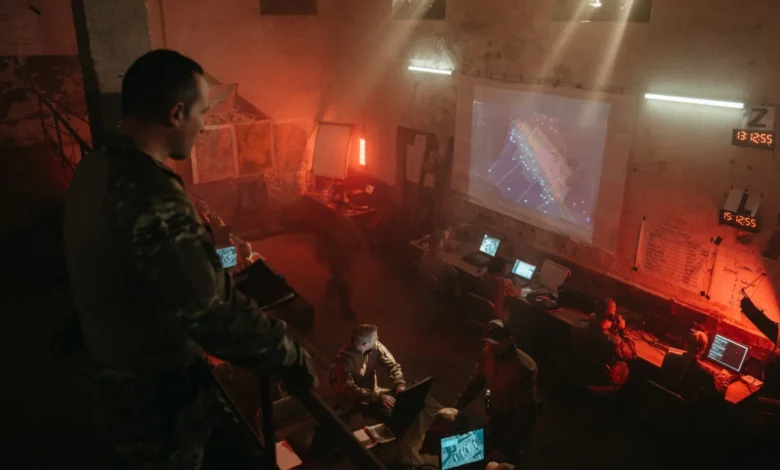
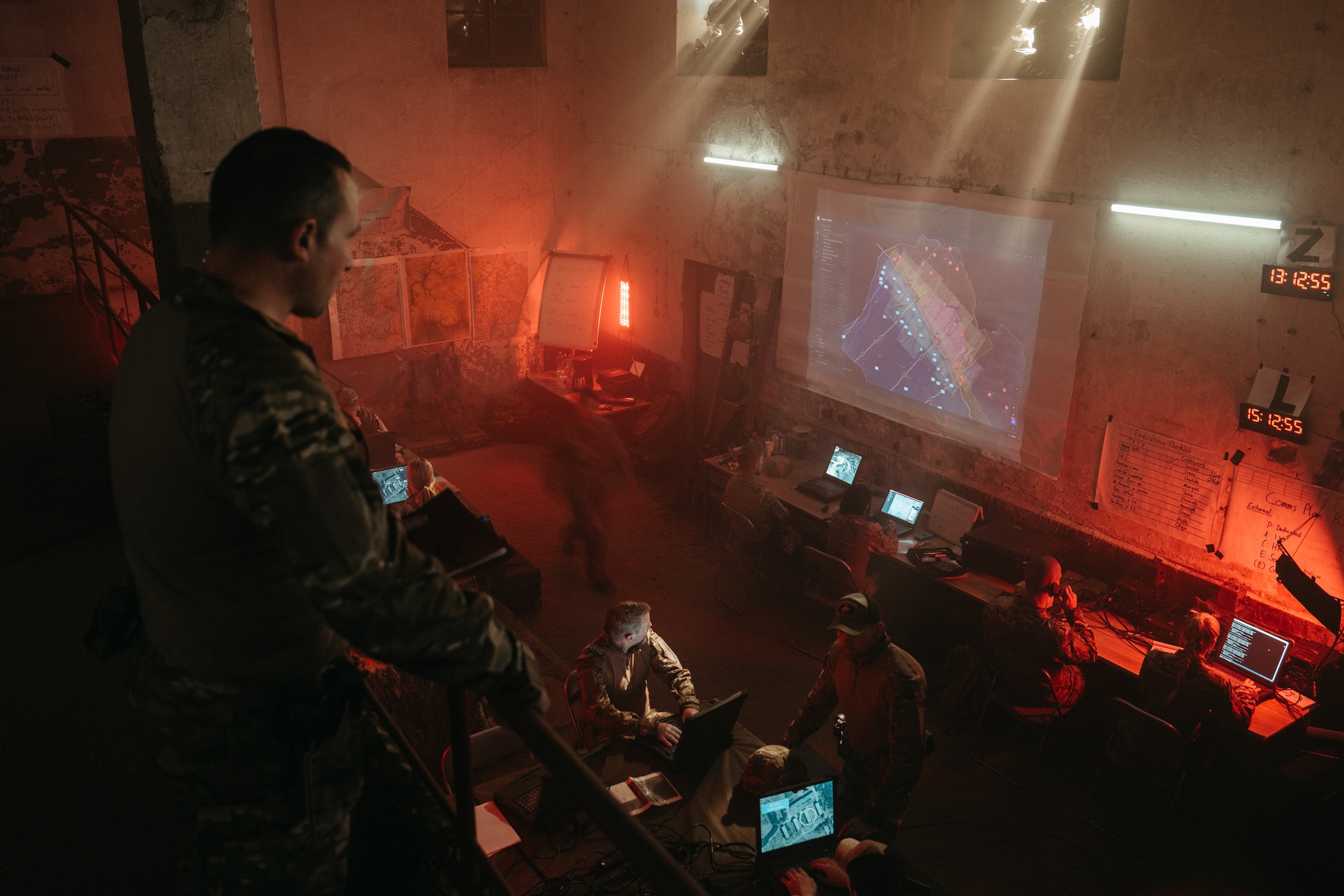
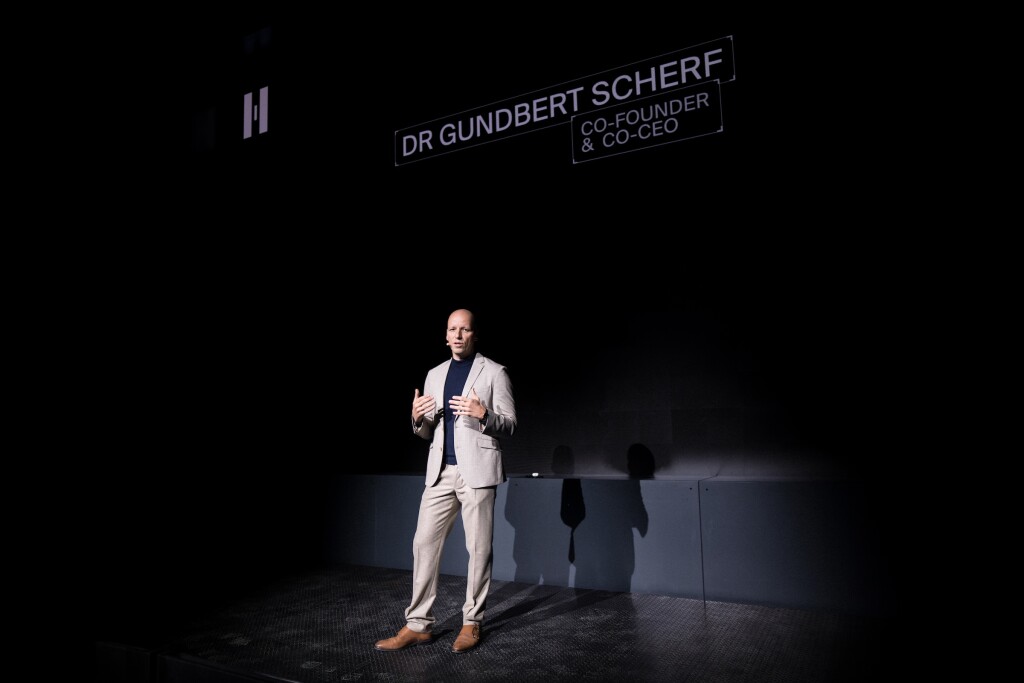
On November 11, 2026, Helsing, a high-profile German defense-tech startup backed by major capital injections—including significant investment from Spotify founder Daniel Ek—utilized the Kraftwerk space for a high-production keynote presentation. The event, which mirrored the aesthetic of Silicon Valley product launches, featured immersive multimedia displays, staged reenactments of military targeting centers, and presentations by co-founders Gundbert Scherf and Rob Fink. Attendees, including representatives from the Bundeswehr, were presented with the "Clarity" platform, a machine-learning suite capable of processing massive, disparate data streams to generate target selection recommendations.
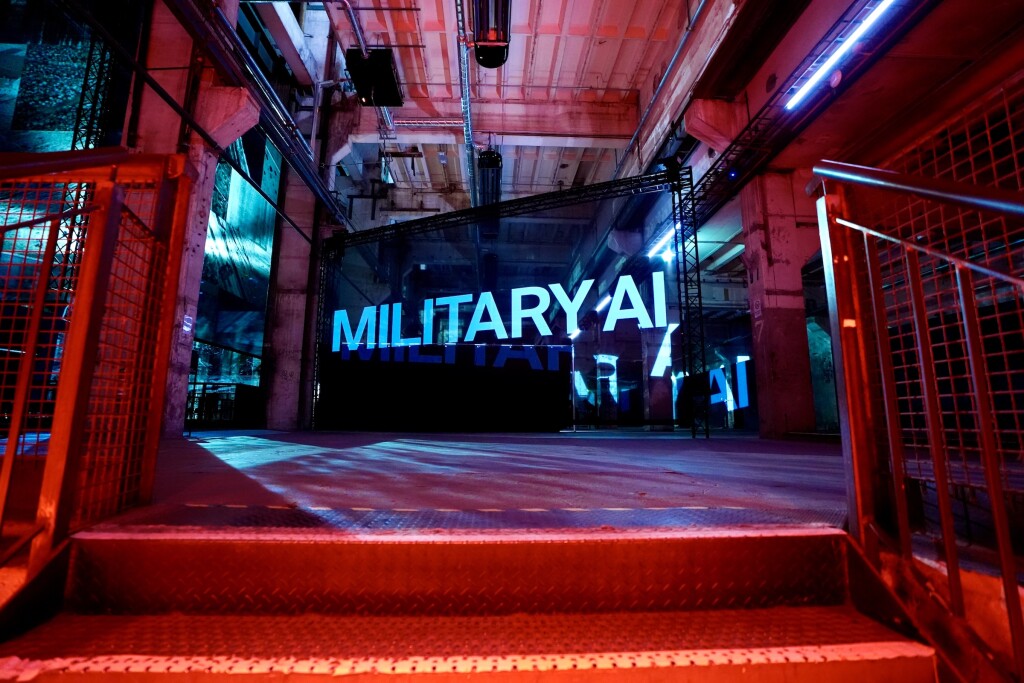
While the event was not publicly advertised on Kraftwerk’s cultural calendar, it was not a clandestine affair. Helsing published a comprehensive press pack containing imagery of the venue, complete with promotional projections declaring "MILITARY AI" across the concrete walls. Within days, the stark contrast between the venue’s history as a safe haven for counter-cultural expression and its current utilization as a showroom for lethality became a focal point of public discourse.
The Technological Implications of Clarity
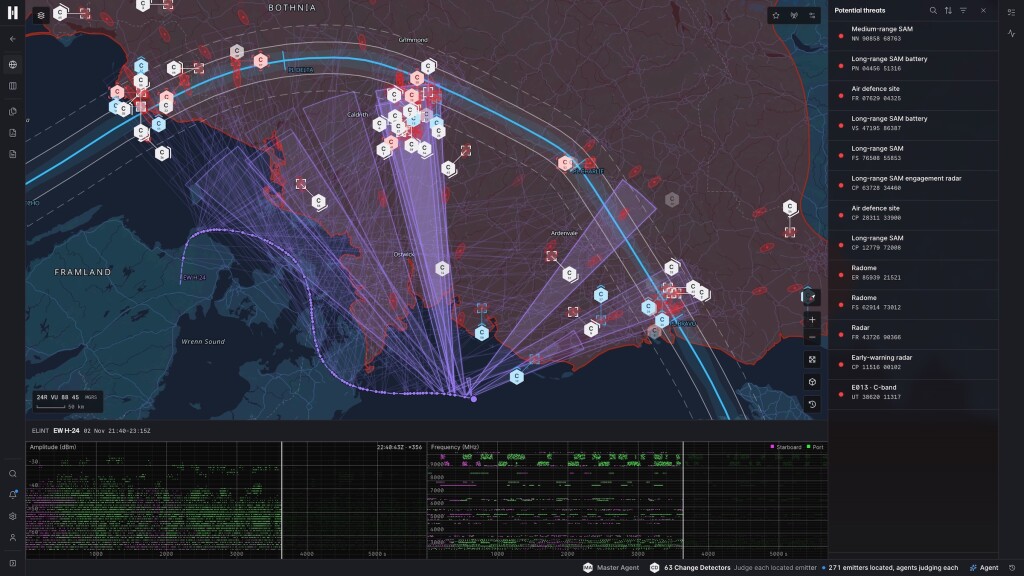
Clarity is positioned as a European-made alternative to platforms like Palantir’s Maven. Its core functionality involves "agentic intelligence," a system capable of autonomous data synthesis. According to industry reports and defense analysis, such platforms ingest intelligence from satellites, drone feeds, and signals, distilling this information into actionable targeting data.
The concern among critics, including human rights researchers and defense analysts, is that these systems remove the critical human element from the "kill chain," accelerating the pace of warfare beyond the speed of ethical oversight. Investigations by outlets such as +972 Magazine and the Los Angeles Times have previously detailed how AI-assisted targeting, when used in conflict zones like Palestine, Lebanon, and Iran, has been linked to significant civilian casualties. The Pentagon itself has faced internal scrutiny over reports of flawed intelligence leading to mass-casualty events, including a 2026 incident involving an Iranian school, where over-reliance on AI-fused data resulted in catastrophic failure.
Official Responses and Internal Discord
The reaction from the cultural institutions operating within the Kraftwerk building was swift and unequivocal. Following public outcry, Tjabo Reuter, Head of Sales for Kraftwerk Berlin’s commercial rental department, issued a formal apology. Reuter accepted "full responsibility" for the booking, acknowledging that the commercial department failed to consult with the independent cultural organizations—Tresor, Ohm, and Berlin Atonal—that define the building’s identity.
Reuter admitted that the decision was a "serious error of judgment" and that commercial profit did not excuse the reputational damage inflicted upon the venue’s cultural stakeholders. In a statement, Reuter committed to reviewing the rental department’s vetting process, promising the establishment of clear ethical criteria for future bookings.
However, the cultural entities involved have signaled that a simple apology is insufficient. Berlin Atonal, which operates independently as Outer GmbH, released a statement clarifying that they had no knowledge of the event and that the commercial team’s actions are fundamentally at odds with the values of the artists and audiences they represent. Tresor similarly expressed its shock, emphasizing that the association between the club and the arms industry is a profound betrayal of the community’s trust.
The Broader Context of Berlin’s Industrial Pivot
The Helsing event serves as a microcosm of a larger trend: the transition of Berlin from a strictly cultural capital into a burgeoning hub for military-industrial investment. As the German government increases defense spending and fosters deeper ties with global defense contractors—including recent initiatives to create aerospace and defense innovation hubs in partnership with Israeli firms—the city’s infrastructure is increasingly utilized to signal state and private sector alignment with the new geopolitical reality.
Economically, the pressure on large-scale venues to sustain themselves in a competitive real estate market has created a vulnerability where corporate and state-sponsored events can easily override the established cultural mission of a space. Kraftwerk, given its sheer square footage and utility costs, has become a frequent choice for government-linked events. Yet, the distinction between a state reception and an arms-tech promotional event is one that the public, and the cultural sector, are now demanding be strictly enforced.
Fact-Based Analysis: The Military-Industrial Complex
The controversy echoes the warning issued by President Dwight D. Eisenhower in his 1961 farewell address, regarding the "unwarranted influence" of the military-industrial complex on public policy. In the contemporary context, this influence is mediated by "techno-solutionism"—the belief that algorithmic precision can eliminate the "human bottleneck" in war.

Critics argue that the Helsing event was not merely a rental agreement but a deliberate branding exercise designed to legitimize the use of autonomous targeting systems. By framing "Clarity" as a tool for "European sovereignty," the company attempts to sanitize the reality of lethal technology. The irony remains that such systems, while marketed as tools for "surgical" precision, have frequently been implicated in the destruction of civilian infrastructure, as documented by recent investigations into the use of Maven-style software.
The Future of Cultural Independence
The fallout from the Helsing event has prompted a necessary, if painful, introspection within the Berlin arts scene. There is a growing consensus that cultural venues must implement rigorous "ethical vetting" for all commercial rentals. The request from cultural stakeholders for shared decision-making power represents a potential shift in how these spaces are managed.
If the goal of the cultural sector is to provide a space for human expression and community, the integration of war-tech promotion within those same walls creates an irreconcilable contradiction. As the industry moves forward, the demand for transparency is not just about avoiding "bad press"—it is about maintaining the autonomy of cultural spaces against the encroaching demands of a state-backed military-industrial apparatus.
Ultimately, the event at Kraftwerk has forced the issue of responsibility into the open. It has highlighted that in the current geopolitical climate, neutrality is no longer an option for those who manage the physical spaces of art and music. The coming months will likely see a restructuring of how Berlin’s major venues interact with the private sector, as the community demands that the "sovereignty" of their cultural institutions be prioritized over the lucrative but contentious contracts of the defense industry.
For many, the lesson of November 11 is that when the tools of modern war are given a platform, the silence of the venue operators is complicity. Whether this realization leads to a systemic shift in how Berlin handles its industrial legacy remains to be seen, but the era of unquestioned commercial access to the city’s cultural landmarks has effectively come to an end. The path forward requires a level of "clarity"—not in the sense of targeting and sensors, but in the sense of moral and political accountability for the institutions that shape our public life.