The Sonic Taxonomy of Anastasia Kristensen: Bestiarium Sombre and the Resurgence of Organic Electronic Music

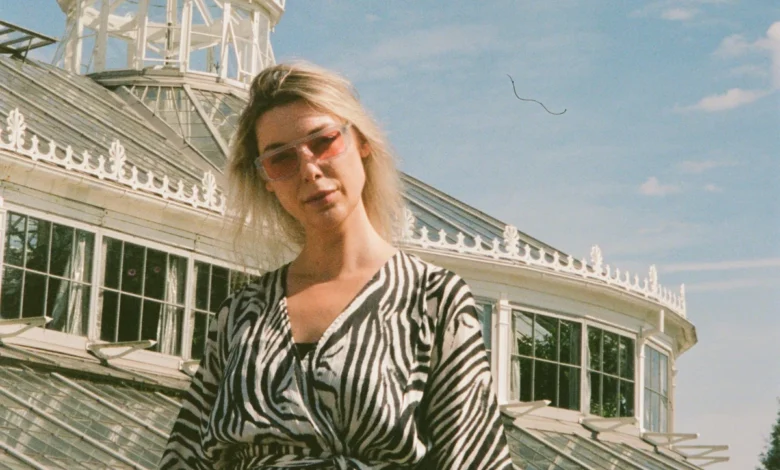
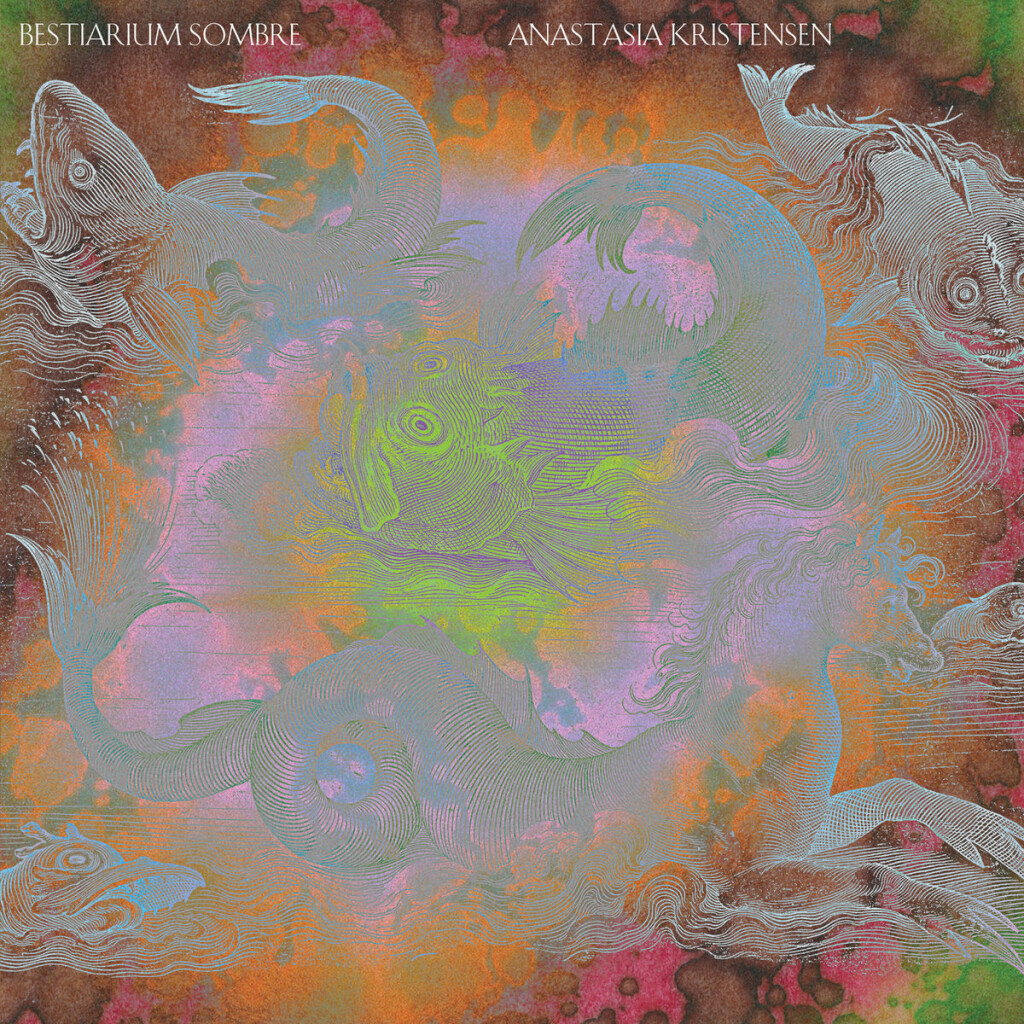
The Copenhagen-based electronic music producer and DJ Anastasia Kristensen has released her latest conceptual project, Bestiarium Sombre, a work that marks a deliberate departure from the polished, formulaic constraints of contemporary mainstage dance music. Released via the Dutch imprint Intercept Records—a label founded by artist Coloray—the album serves as both a technical exploration of textural sound design and a philosophical critique of the current state of the global electronic music industry. By integrating field recordings of hydraulic mechanisms, avian vocalizations, and the sharp, percussive shatter of broken glass, Kristensen has constructed an anthropomorphic sonic landscape that challenges the listener to move beyond the short-form, high-velocity consumption patterns currently dominant in digital streaming culture.
A Chronology of Artistic Evolution
Anastasia Kristensen’s career in electronic music has been defined by a rapid ascent since her emergence in 2015. Over the past decade, she has transitioned from a club-focused DJ known for high-energy sets to a producer increasingly concerned with the preservation of musical depth. The development of Bestiarium Sombre began in earnest over the summer of 2026, though the seeds for the project were sown years prior.
The album’s opening track, which features a recorded magpie song, was composed using melodic fragments Kristensen drafted approximately five to six years ago. Her creative process involved an extensive "foraging" phase, where she audited years of accumulated personal sound libraries. This archival approach allowed her to blend disparate elements—Greek mythology, the legacy of Warp Records, and the stark reality of industrial sounds—into a cohesive, narrative-driven record. Throughout the development of the album, Kristensen maintained an iterative workflow, frequently revisiting tracks days after their initial composition to ensure that the experimental nature of the sounds did not obscure their utility on the dance floor.

Technical Craftsmanship and Physicality
Central to the production of Bestiarium Sombre is the concept of "physicality." Unlike many contemporary producers who rely heavily on analog hardware, Kristensen emphasizes the untapped potential of modern software. She views her work as a fusion of sound design and traditional dance music arrangements. By utilizing call-and-response techniques and intricate layering, she creates music that feels "alive" rather than mechanical.
Tracks such as "Black-Footed Ferret" and "Secretary Bird" serve as case studies in this approach. "Black-Footed Ferret" employs tightly tuned percussion that mimics the kinetic energy of its namesake, while "Secretary Bird" utilizes quirky, rhythmic structures that evoke a sense of animated character. These compositions are not "techno tools" in the traditional sense; they are designed to be mixable for a DJ, yet possess a level of complexity that rewards home listening. This dual functionality is a deliberate strategy to bridge the gap between the club environment and the private, contemplative space of the listener.
The Critique of the "15-Second" Attention Economy
During her discussions regarding the album, Kristensen offered a candid assessment of the current electronic music landscape, particularly the impact of social media platforms on musical consumption. She identifies a growing trend among younger demographics, including her own relatives, of discovering music primarily through 15-second "drops" on platforms like TikTok. She argues that this cycle of micro-consumption is detrimental to the long-term health of the industry, as it prioritizes immediate impact over narrative depth.
This sentiment is shared by many in the independent electronic music community, who observe that the pressure to produce content that performs well on algorithmic platforms often leads to over-compressed, formulaic tracks. Kristensen characterizes her latest album as a "resistant statement" against this industrial trend. By refusing to conform to these production standards, she is attempting to cultivate an audience that values the experience of listening to an album in its entirety—an act she considers a necessary form of engagement in an era of information overload.

Market Dynamics and the "Sine Wave" of Popularity
The broader implications of Kristensen’s work touch upon the cyclical nature of electronic music trends. She posits that the current dominance of highly produced, commercialized dance music is inherently unsustainable. In her view, the market operates on a sine wave: as audiences grow fatigued by the homogeneity of large-scale festivals and events, there is an inevitable pivot back to smaller, more authentic communities.
Supporting this observation is the current rise of "organic" electronic music. There is an increasing demand for sounds that mimic natural elements—the rushing of water, the ambiance of forests, and the integration of acoustic textures. This trend represents a form of resistance against the dominance of purely digital, "computer-generated" sounds. Kristensen suggests that this movement is not merely a aesthetic preference but a subconscious reaction to the digital fatigue brought on by the post-pandemic era and the pressures of late-stage capitalism in the creative industries.
Community Building and Independent Infrastructure
Kristensen’s commitment to the independent ecosystem extends beyond her own production work. Through her label, absorb emit, and her ongoing efforts to discover amateur producers via Bandcamp, she actively contributes to a decentralized network of artists. She views the role of the DJ not just as a selector of music, but as an archivist who gives a platform to underrepresented or "weird" sounds that might otherwise be lost in the deluge of daily digital releases.
Her recent transition to a self-managed website, designed in collaboration with Ukrainian developer and designer Averyano, underscores a broader movement among artists to reclaim control over their digital footprint. By moving away from centralized social media platforms, artists are increasingly seeking to establish direct lines of communication with their audiences. This shift is essential for artists who wish to maintain creative independence and avoid the whims of platform algorithms.
Supporting Data and Industry Context
The electronic music sector has seen significant shifts in recent years, with a notable increase in the valuation of "leftfield" and experimental music labels. Data from independent music distribution platforms suggests that while mainstream dance music continues to command the largest market share, there is a statistically significant growth in listeners seeking out sub-genres that emphasize sound design and high-fidelity production.
Furthermore, the logistical challenges of international touring have forced many artists to rethink their performance strategies. Kristensen’s upcoming US tour, which includes performances at Public Records in New York City on October 23 and Flash in Washington D.C. on October 24, highlights the importance of venue selection for artists of this profile. By choosing spaces that are known for high-quality sound systems and engaged audiences, she ensures that the sonic intricacies of Bestiarium Sombre are fully realized in a live setting.
Future Outlook
As Anastasia Kristensen continues to tour and promote Bestiarium Sombre, her work serves as a benchmark for artists navigating the tension between commercial viability and creative integrity. The success of the album, both in terms of critical reception and its performance on independent platforms, suggests that there is a viable, albeit smaller, audience for music that demands more from the listener.
Whether the industry will witness a sustained shift toward more complex, organic, and narrative-driven music remains to be seen. However, as artists like Kristensen continue to push the boundaries of what is considered "danceable," the conversation regarding the future of electronic music is likely to remain focused on the importance of local, independent, and artist-led communities. For those seeking a respite from the "cold, hard edges" of mainstream sound, Bestiarium Sombre offers a glimpse into a potential future where the forest, the machine, and the listener are once again in conversation.
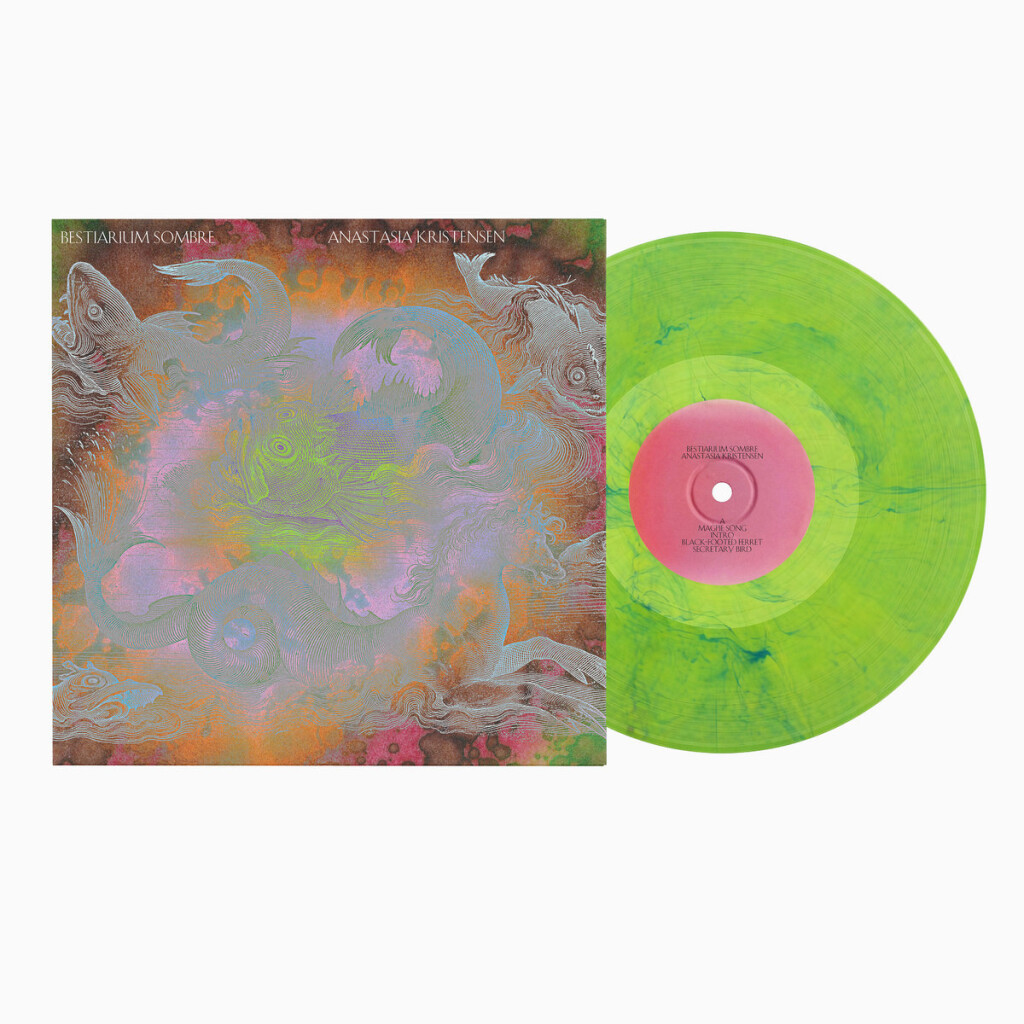
For fans and industry observers alike, the release of this album marks a significant moment in the 2026 calendar, reinforcing the necessity of deep listening and the enduring power of the independent creative spirit. Detailed information on her current projects, touring schedule, and the absorb emit label can be found on her official website, providing a centralized point of access for those interested in the ongoing development of her unique sonic taxonomy.