The Maestro Behind the Hits: Rogét Chahayed’s Journey from Classical Prodigy to Hip-Hop’s Premier Sound Architect

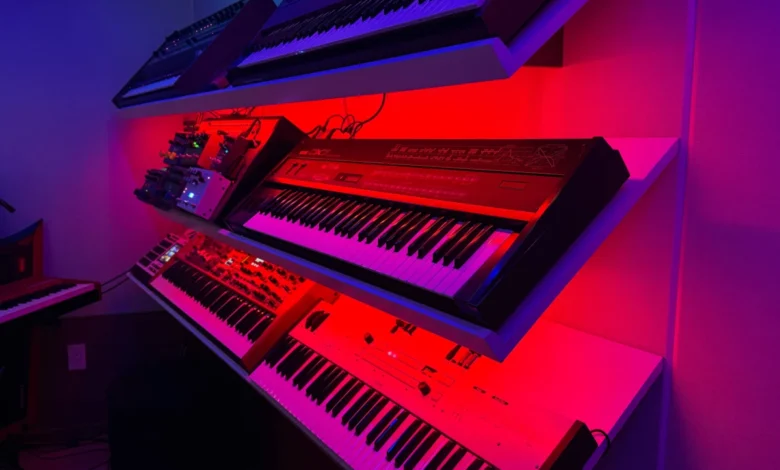
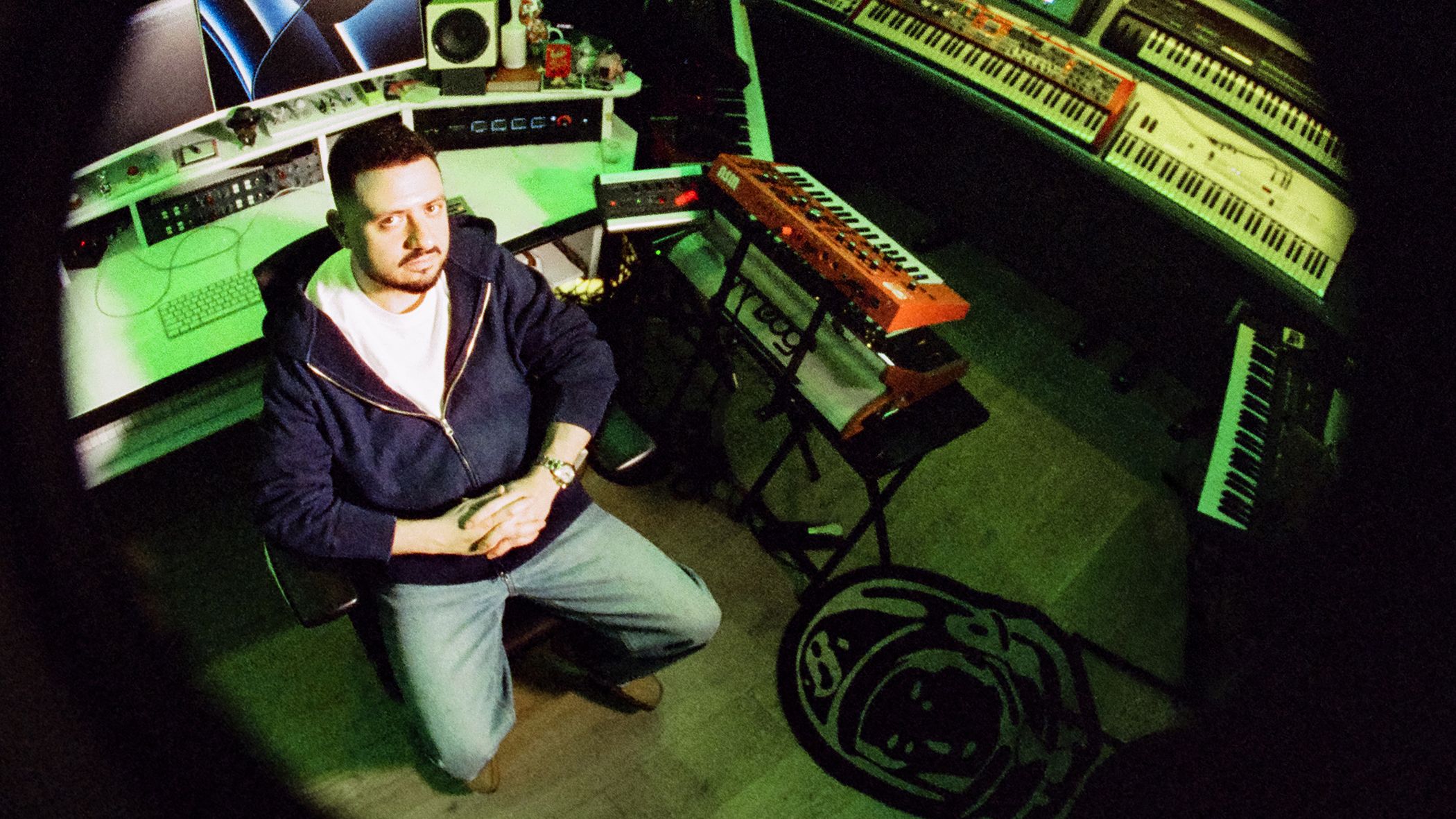
Rogét Chahayed’s ascent to the pinnacle of modern music production is a testament to a disciplined artistry forged in the hallowed halls of classical music, seamlessly fused with the raw, innovative spirit of hip-hop. Before his name became synonymous with chart-topping hits for artists like Travis Scott, Doja Cat, and Drake, Chahayed spent years immersed in the rigorous world of conservatories, mastering the piano and the intricate language of composition. This deep-seated musical foundation, coupled with an invaluable apprenticeship under the tutelage of legendary producer Dr. Dre and his collaborator Mel-Man, has sculpted a unique sonic identity that consistently elevates the music he touches. His studio, a meticulously curated space that balances vintage hardware with cutting-edge digital tools, reflects this duality, serving as the crucible where his classical sensibilities meet the demands of contemporary production.
Chahayed’s impact on the music landscape of the past decade is undeniable. His fingerprints are all over some of the most defining tracks of the era. From the seismic sonic tapestry of Travis Scott’s "Sicko Mode" to the infectious groove of Doja Cat’s "Kiss Me More," and most recently, the anthemic Drake hit "Janice STFU," Chahayed’s distinctive touch has become a sought-after commodity. This success is not accidental; it is the direct result of a lifelong dedication to musicality, an unwavering commitment to technical excellence, and an uncanny ability to translate complex musical ideas into universally resonant sounds. His journey from a conservatory student to a go-to producer for global superstars offers a compelling narrative of artistic evolution and strategic collaboration.
The Classical Roots of a Hip-Hop Innovator
Chahayed’s story begins not in a bustling recording studio, but in the more serene environment of classical music education. His early years were dedicated to the discipline of piano, a journey that instilled in him a profound understanding of melody, harmony, and rhythm. This rigorous training provided him with a theoretical framework that would later prove invaluable when navigating the often more improvisational and experimental nature of hip-hop production. The ability to dissect a musical idea, understand its structural components, and then rebuild it with new textures and influences is a skill honed through years of classical study.
His development as a composer further deepened this understanding, allowing him to craft intricate musical arrangements and explore sonic possibilities beyond simple melodic lines. As a session musician, he gained practical experience in diverse musical settings, learning to adapt his skills to various genres and demands. This period of his career was crucial in developing the versatility that would later define his work in the hip-hop arena. It was during this time that he also began to cultivate relationships within the broader music industry, laying the groundwork for future collaborations.
An Apprenticeship Under the Icons
The pivotal turning point in Chahayed’s professional trajectory was his apprenticeship under Dr. Dre, a figure synonymous with sonic innovation and a relentless pursuit of perfection. Working alongside Dre and Mel-Man provided Chahayed with an unparalleled masterclass in modern music production. He was exposed to the highest echelons of the industry, learning not only the technical intricacies of studio engineering and sound design but also the strategic art of crafting commercially viable yet artistically compelling music. This period was instrumental in bridging the gap between his classical training and the demands of contemporary popular music. He absorbed the lessons of sonic sculpting, the importance of impactful basslines, the art of creating memorable hooks, and the nuanced balance required to make a track both sonically rich and commercially accessible. The mentorship provided by Dre and Mel-Man offered him a unique insight into the creative process of some of the most influential producers in history, shaping his approach to arrangement, instrumentation, and overall sound.
The Studio as a Sonic Laboratory
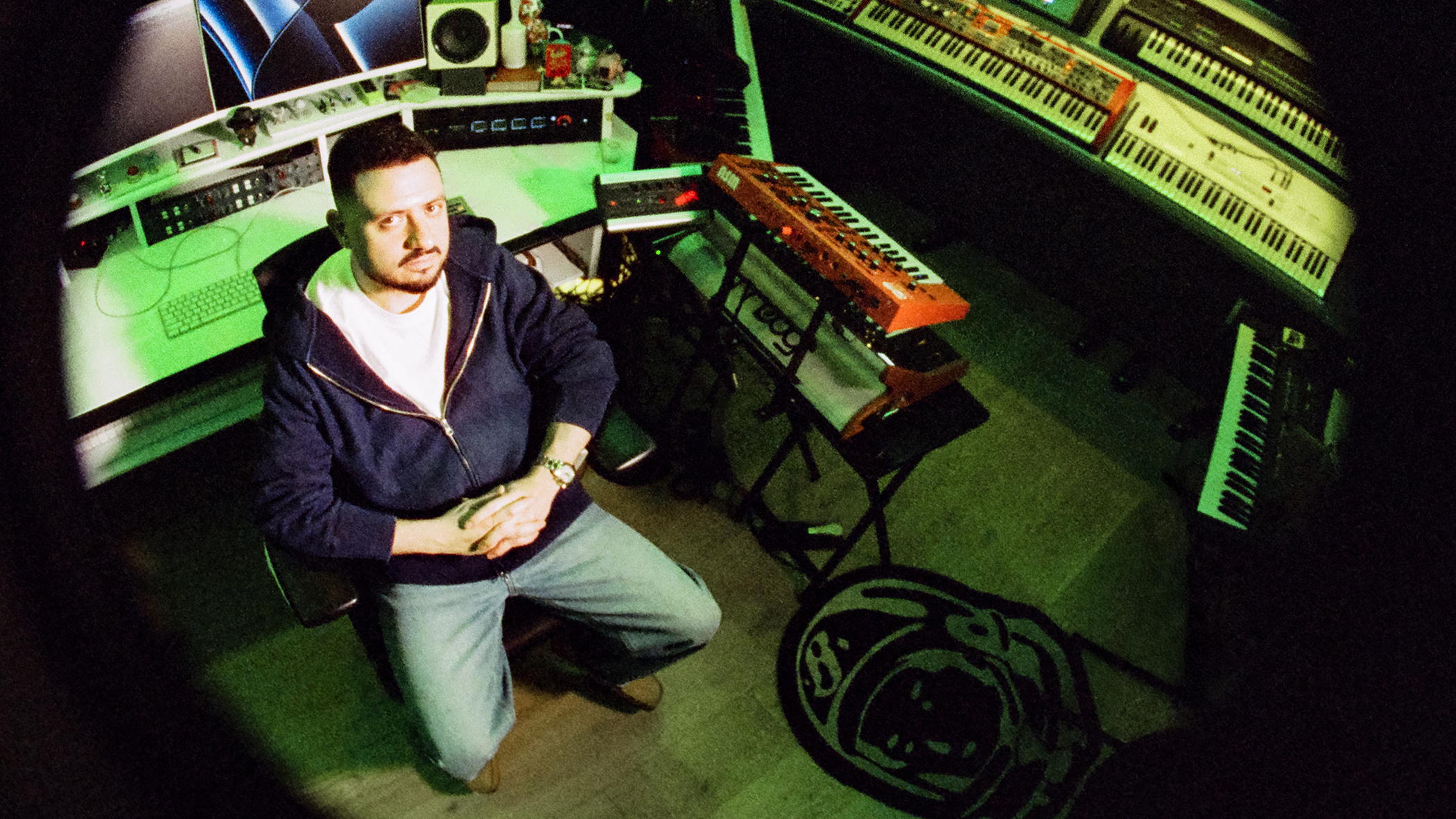
Chahayed’s studio is a reflection of his hybrid approach to music creation. While it is undoubtedly equipped with a formidable array of modern production hardware, including an impressive collection of synthesizers, it is also a space where his foundational love for traditional instruments is evident. This blend of the old and new is central to his sonic signature. He is known for bringing the same instruments that first ignited his passion for music into professional studio environments, a practice that imbues his productions with a unique warmth and authenticity.
His essential toolkit, as he describes it, is built around instruments that offer both versatility and a familiar, tactile experience. When asked about the pieces of gear he "simply couldn’t live without," Chahayed’s immediate response highlights the Nord Stage 4. He elaborates on its significance, noting that he often combines sounds from its predecessor, the Stage 3, to create his signature sonic palette. The Nord Stage 4 is not just a tool for him; it’s an extension of his creative will. He emphasizes its performative capabilities, stating, "It’s also a performance keyboard and when you’re recording a performance in the studio it’s going to resonate like that on the record." This suggests a preference for instruments that capture the nuance and emotion of a live performance, translating that energy directly into the final recording. The ability to navigate its vast sound library "blindfolded" speaks to a deep, intuitive connection with the instrument, allowing him to focus on the creative impulse rather than the technicalities of sound selection.
Crafting Depth and Texture: The Korg KRONOS and Prophet X
Beyond his primary performance keyboard, Chahayed relies on specific instruments to add layers of depth and texture to his productions. The Korg KRONOS is a standout in this regard. He praises its ability to facilitate layering and its efficient organization of sound categories. The KRONOS, a powerful workstation synthesizer, is renowned for its expansive sound engine and its capacity to emulate a wide range of acoustic and electronic instruments. Chahayed notes that the KRONOS offers a "perfect combination of what you might call low-quality or low-tier sounds and ones that really cut through," indicating a sophisticated understanding of sonic contrast and a judicious use of its diverse sound palette to achieve specific artistic effects. This suggests an approach that embraces both subtle, foundational tones and more prominent, attention-grabbing elements to build a rich sonic landscape.
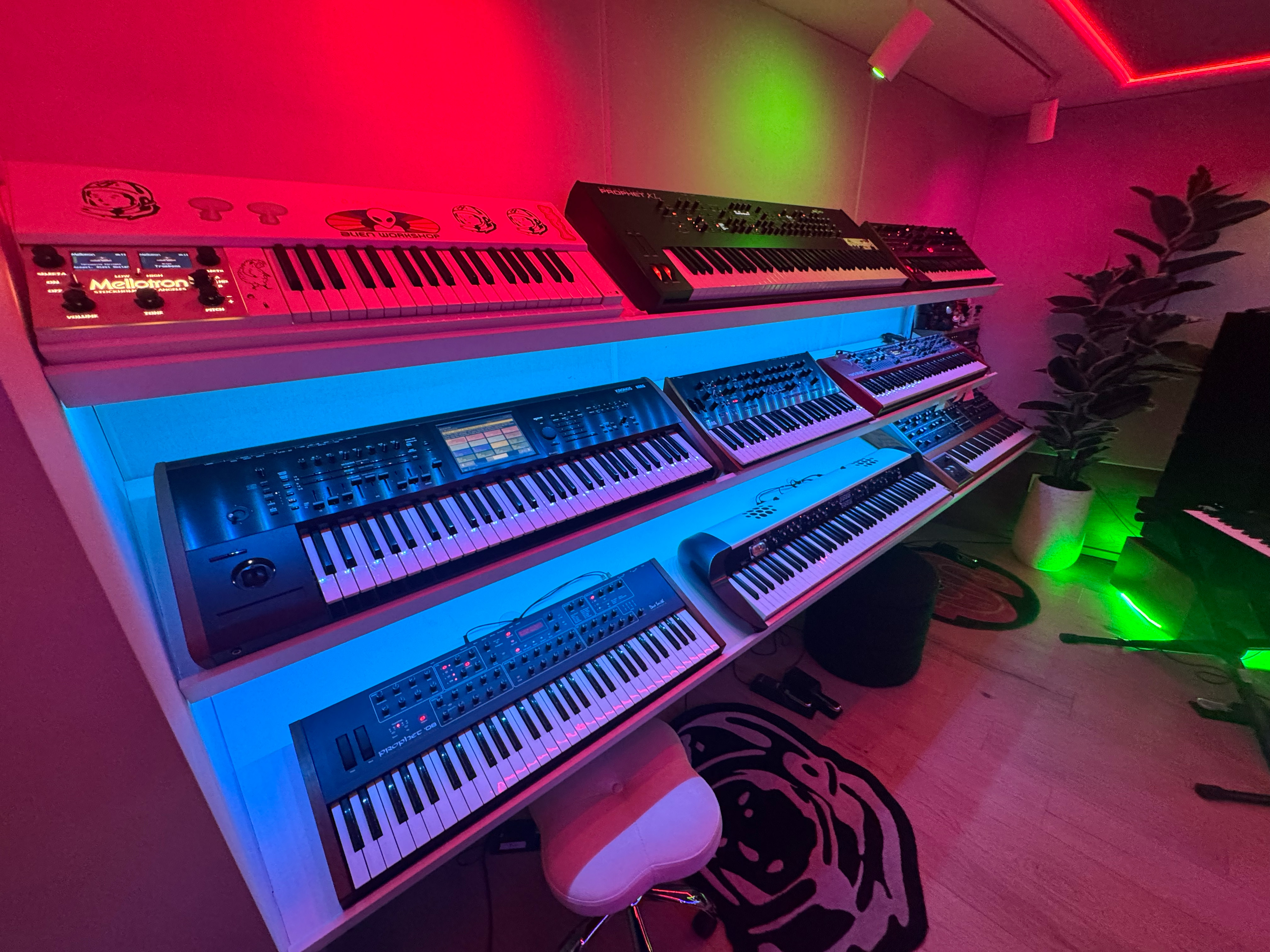
Another keyboard that consistently earns a place in Chahayed’s sessions is the Prophet X. He describes its sound selection as "unbelievable." The Prophet X, known for its innovative approach to sound design, incorporates a powerful 8Dio sound engine, the same technology utilized by Native Instruments and Kontakt. This connection to the highly respected Kontakt platform, a leading virtual instrument player, further underscores the quality and cinematic potential of the Prophet X’s sounds. Chahayed’s appreciation for its "cinematic" quality hints at his ability to imbue his productions with a sense of narrative and emotional weight, characteristics often associated with film scores.
The Genesis of an Idea: From Guitar Center Dreams to a Dream Studio
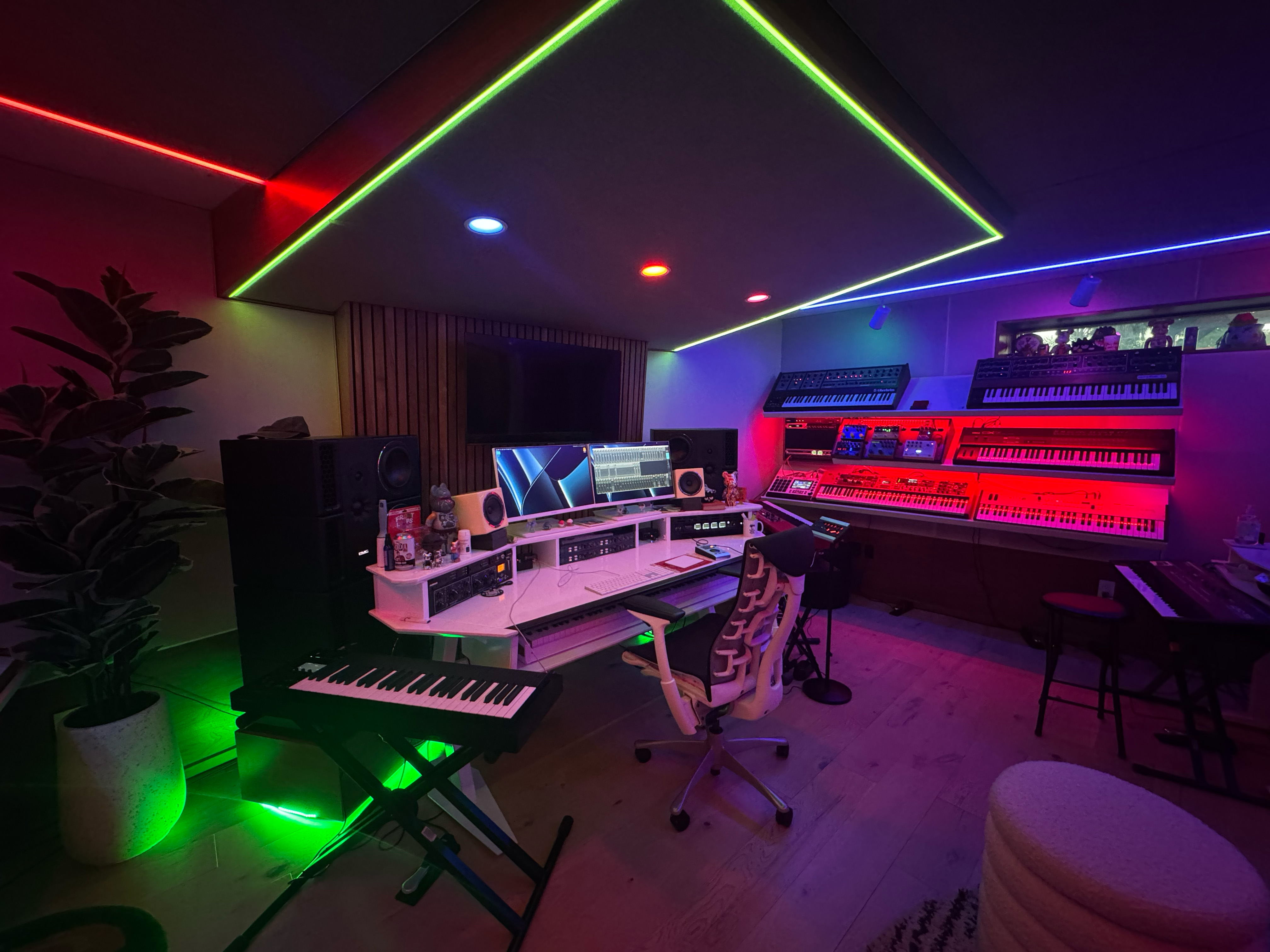
Chahayed’s journey is also marked by a period of aspirational ambition, a common narrative for many aspiring musicians. He fondly recalls his early days when, as he began to earn a modest income, he would frequent music stores like Guitar Center. It was there, amidst the gleaming rows of instruments, that he would experiment, his imagination ignited by the sonic possibilities. "When I started making a little money, I’d go to Guitar Center, try the keyboards and find myself coming up with all these amazing ideas," he shares. This experience fueled a vision: "I thought to myself, ‘wow, if I had a studio with all these keyboards on a wall I’d be coming up with stuff all the time.’" This dream eventually materialized into his current home studio, a space he describes as "amazing."
His home studio is a testament to this long-held vision. It boasts "two walls of keyboards with about 30 or 40 synths," alongside iconic instruments like a Steinway piano and a Fender Rhodes, and even a full drum kit. This extensive collection allows for a vast sonic palette and immediate access to a wide range of instrumental textures. The synergy between his engineer, Julian Vasquez, and Chahayed has led to a highly efficient workflow. Chahayed often arrives at sessions with his Nord Stage 4 and a laptop, which contains a meticulously organized library of millions of sounds, spanning strings, synths, brass, woodwinds, basses, and guitars. He likens this to a strategic gaming scenario, where he commands an "army of sounds," ready to deploy them as needed. This analogy highlights his deliberate and tactical approach to production, where every sonic element is chosen and placed with precision.
The Indispensable Role of Software
While hardware forms the bedrock of his setup, Chahayed acknowledges the critical role of software instruments in his workflow. He specifically highlights his reliance on Kontakt libraries, underscoring the importance of his MacBook as a central hub for his digital sound arsenal. He has recently discovered a particular fondness for the Native Instruments Play Series libraries, which have yielded "incredible sounds."
His transition from a primarily piano-focused musician to one who embraces virtual instruments reflects the evolving landscape of music production. "I began as a piano player before shifting into keyboards, but realised that there was a whole world of VSTs that I needed to get into," he explains. This evolution signifies an adaptability and willingness to incorporate new technologies to expand his creative reach. The shift from bringing just one keyboard to sessions to now relying on a laptop loaded with Kontakt demonstrates a strategic adaptation to the increasing power and accessibility of digital sound design.
The Grounding Force: The Piano’s Enduring Significance
Despite the vast array of modern technology and a formidable collection of synthesizers, Chahayed consistently returns to the instrument that first set him on his musical path: the piano. For him, the piano is more than just an instrument; it is a grounding force, a constant in his creative process. "Wherever I am, the piano is always the thing that grounds me; it’s where I discover a lot of movement and things that work with those other sounds," he asserts. This deep connection to the piano, particularly his Steinway Model B grand piano, makes it one of his most prized possessions. It represents the fundamental connection to melody and harmony that anchors his more experimental inclinations and informs the emotional core of his productions. The piano serves as the initial spark, the wellspring from which many of his groundbreaking ideas flow, influencing the other sonic elements he meticulously crafts.